China has become an important sourcing base for botanical ingredients, serving buyers across food, cosmetics, and dietary supplement markets. According to Grand View Research, the global botanical extracts market was valued at approximately USD 6.49 billion in 2023. The firm projects an 8.4% compound annual growth rate from 2024 to 2030. This growth makes supplier selection more consequential. A larger market does not automatically mean better quality.
This guide profiles ten Chinese Plant Extract suppliers for international buyers. It is a practical shortlist, not an official ranking. Supplier capabilities can vary by ingredient, production site, and export destination. Buyers should compare more than catalog breadth. Ask for botanical identity, extraction solvent, extract ratio, marker-compound specifications, and batch-specific certificates of analysis. Review pesticide, heavy-metal, and microbiological test results where relevant. Traceability matters. So does the ability to explain how a specification is tested and maintained.
A polished product page is not proof of consistent manufacturing. Request current certifications, audit details, sample records, and export documentation before placing a large order. Check whether the stated test methods match your own quality requirements. Small details can reveal gaps. The profiles below focus on product range, quality systems, documentation, and communication, while recognizing that no supplier is ideal for every application. Buyers should verify claims independently and confirm compliance with the rules that apply in their destination market.
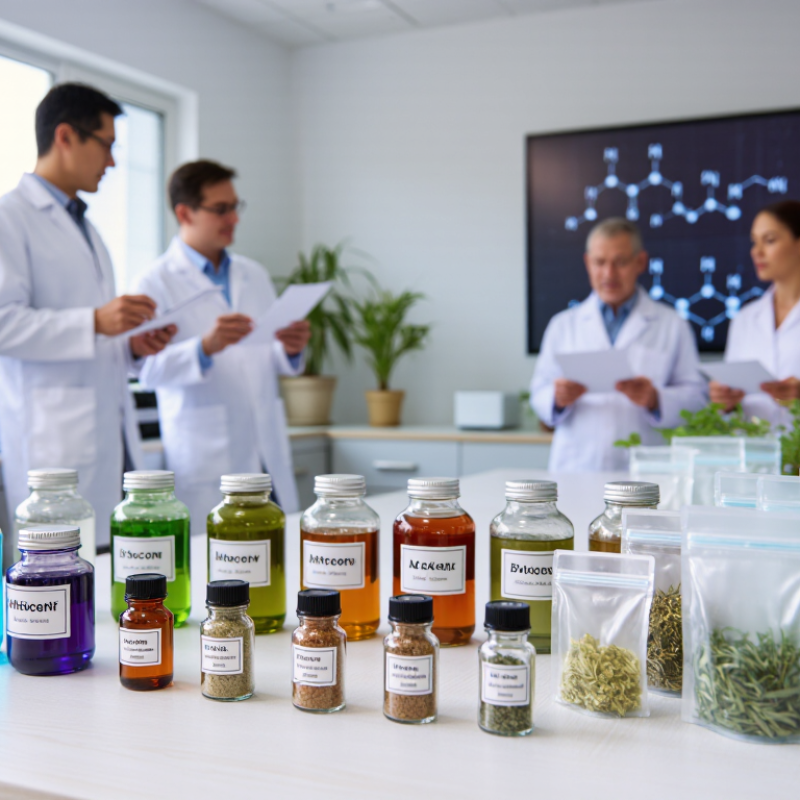
China’s plant extract supplier landscape is broad, spanning herb-growing regions, processing centers, and coastal export hubs. Some manufacturers specialize in a few botanical ingredients, while others offer extensive catalogs. Their capabilities can differ in extraction methods, production scale, and documentation. A supplier’s location alone does not prove consistent quality.
For global buyers, useful checks include botanical identity, plant part, extraction ratio, carrier ingredients, and batch-level test results. Ask how suppliers control moisture and particle size; these details can affect storage and blending. Request a recent specification sheet and representative certificate of analysis, then compare them with a retained sample. Communication is revealing, too. Vague answers deserve follow-up. Even careful checks cannot remove every supply-chain risk, and I would not treat a polished brochure as evidence.
Tips: Start with a small evaluation order. Confirm the exact product name and agreed test limits in writing. Keep a sealed sample from each approved batch. It is a little extra work, but it helps clarify disagreements later.
Evaluating plant extract suppliers in China takes more than comparing prices. Start with the botanical’s Latin name, plant part, and country of origin. Ask how the material is identified and whether the supplier can trace each lot to its source. Details matter. A clear answer should match the product specification, not rely on broad claims such as “premium quality.”
Request a recent certificate of analysis for the exact batch you may purchase. Check that it lists the marker compounds, test methods, and relevant limits for contaminants and microbiological quality. For standardized extracts, review chromatograms or other supporting test records where available. Ask which extraction solvents and carrier ingredients are used. Then compare the documents with a retained sample and your own product requirements. Samples can mislead. One lot does not prove consistency.
A dependable supplier should explain its quality controls, change-notification process, storage conditions, and batch-retention policy. Ask for traceability records and arrange a focused facility audit, either in person or through a qualified third party. Confirm that export documents match the product and destination requirements. Responses matter too: vague answers about testing or shifting specifications deserve follow-up. No checklist removes every risk, and even a polished document can contain gaps. Record open questions, agree on acceptance criteria before ordering, and verify the first production lot independently when practical.
Profiles of ten leading Chinese plant-extract suppliers are most useful when they compare verifiable capabilities, not marketing claims. Grand View Research estimated the global botanical extracts market at about US$27.1 billion in 2023, with projected growth through 2030. That demand makes sourcing discipline important. Compare suppliers specializing in herb cultivation, tea-derived ingredients, fruit extracts, or contract extraction. Ask how each controls harvest timing, drying temperature, and solvent recovery. Small details matter. Request batch-specific certificates of analysis and check whether testing covers identity, active-compound levels, microbes, heavy metals, and pesticide residues. Ask for proof.
The WHO’s 2019 global report on traditional and complementary medicine found that 170 of 194 Member States reported using these practices. This reflects broad, varied use, not automatic approval of every ingredient or supplier. A credible profile should explain traceability, quality systems, and the limits of available evidence. For example, a supplier may document a marker compound but lack multi-season consistency data. That gap deserves a direct question. One weakness remains: public profiles rarely disclose long-term batch-failure rates. Buyers should compare audit records, sample results, and change-control procedures, then confirm that specifications match their intended market and product category.
For global buyers, supplier evaluation should begin with evidence, not polished product claims. Request a current specification sheet and a batch-specific certificate of analysis. Check botanical identity, extraction solvent, marker compounds, moisture, and relevant contaminant limits. Ask which methods were used and whether testing came from an independent laboratory. Details matter.
Certifications can support due diligence, but their scope needs checking. Confirm the certificate is current and covers the actual production site and process. Food-safety systems, organic claims, and quality-management certificates do not all prove the same thing. Read the fine print. A certificate may look reassuring while covering only part of a supplier’s operation. That is easy to miss.
Export readiness also depends on the destination market. Confirm product names, ingredient declarations, origin details, and shipping documents with the importer before dispatch. Requirements can differ by country and product category, so avoid relying on a supplier’s general assurance alone. Keep approved samples and written specifications for comparison with later batches. In practice, paperwork is not always perfectly aligned with production records; that deserves a direct question, not an assumption. Clear answers, traceable batch numbers, and timely corrections are useful signs of a dependable supplier.
Buyer screening guide: The entries below are anonymous supplier capability profiles, not verified or ranked company records. Certifications and export documents are items to verify for each facility, product, destination, and intended use; they are not claims that any supplier holds them.
| No. | Supplier Capability Profile | Typical Extract Portfolio | Quality Evidence to Request | Certifications or Systems to Verify | Export and Regulatory Checks |
|---|---|---|---|---|---|
| 1 | Tea and antioxidant extract specialist | Green tea catechins, tea polyphenols, and related botanical ingredients | Lot-specific certificate of analysis (COA); identity and assay methods; residual-solvent, pesticide, and heavy-metal results; stability data | Verify applicable food-safety management systems such as HACCP, ISO 22000, or FSSC 22000; check organic certification only when an organic claim is required | Confirm permitted use and labeling in the destination market. For food shipments, check the required invoice, packing list, origin documentation, and any product-specific certificates. |
| 2 | Ginseng and traditional botanical extract specialist | Ginseng and other root-based botanical extracts, in powder or liquid form | Botanical identity, plant part, extraction solvent, marker-compound assay, adulteration controls, and batch traceability | Request current facility certificates and scope; verify GMP or food-safety controls appropriate to the intended food, supplement, or cosmetic use | Check destination rules for the species, plant part, intended use, and health claims. Confirm whether import permits or additional plant-health documents apply. |
| 3 | Fruit and berry extract processor | Fruit-derived powders and extracts, including polyphenol- or anthocyanin-rich ingredients | Species and plant-part identification; carrier and additive disclosure; moisture, microbiological, contaminant, and assay results | Verify food-safety certification scope and allergen, hygiene, and traceability programs; validate organic claims through an accredited certifier when applicable | Check ingredient status, permitted additives, and labeling requirements for the target market; request shipment documents and origin details for each lot. |
| 4 | Mushroom and fungal ingredient processor | Mushroom powders and extracts, including products standardized to declared constituents | Species verification; fruiting-body or mycelium disclosure; substrate information; contaminant testing; and validated assay methods | Verify applicable food-safety systems and facility scope. Do not treat a quality certificate as proof that a product is approved for every food or supplement use. | Confirm the ingredient’s legal status and permitted claims in the destination jurisdiction. Check import classification and any market-specific notification requirements. |
| 5 | Herbal extract manufacturer with custom standardization | Single-herb extracts and blends standardized to customer specifications | Agreed specifications, reference standards, validated analytical methods, change control, and retained samples for each production lot | Review the current certificate, issuing body, validity period, site address, and product scope; assess GMP expectations based on the product category and market | Ensure product specifications, invoice descriptions, labels, and customs classification are consistent. Check whether the buyer or importer has additional documentation requirements. |
| 6 | Essential oil and aromatic botanical processor | Steam-distilled or otherwise processed aromatic oils and botanical fractions | Botanical name, plant part, extraction method, chromatographic profile where relevant, purity, and storage recommendations | Verify quality and safety systems relevant to the intended use. Request a current safety data sheet (SDS) when required for handling or transport. | Confirm dangerous-goods classification and transport requirements where applicable; check cosmetic, flavor, or other use-specific rules in the destination market. |
| 7 | Functional food ingredient and soluble powder producer | Water-soluble botanical extracts, spray-dried powders, and ready-to-formulate ingredients | Solubility and dispersibility data; carrier disclosure; moisture and microbiological limits; batch consistency and packaging specifications | Verify food-safety certification, allergen controls, and the scope covering the actual production site and product category | Review destination-market rules for novel or restricted ingredients, additives, and labeling. For US food imports, clarify importer responsibilities, including applicable FSVP requirements. |
| 8 | Cosmetic botanical active ingredient supplier | Plant extracts and oils intended for cosmetic formulations | INCI name where applicable, composition, impurity profile, microbiological limits, stability information, and batch-specific COA | Verify cosmetic GMP practices and any certification claims against the relevant standard and site scope; request supporting audit or quality-system documentation | Check cosmetic ingredient restrictions, safety assessment needs, and labeling rules in the target market; confirm the material is documented for its stated cosmetic use. |
| 9 | Organic and identity-preserved botanical processor | Organic botanical powders and extracts, subject to certification and product eligibility | Farm or raw-material traceability, segregation controls, chain-of-custody records, and lot-specific residue and identity testing | Verify a valid organic certificate from a recognized certifier, including product, site, and handling scope for the intended destination market | Confirm that the organic certification is recognized for the importing market and that each shipment has the required transaction or import documentation, if applicable. |
| 10 | Contract extraction and private-label manufacturing partner | Custom botanical extracts, contract processing, and customer-specified packing formats | Manufacturing agreement, approved specifications, raw-material qualification, process controls, batch records, and complaint or recall procedures | Audit the production site and verify current certificates, scope, and subcontractor controls rather than relying on a certificate logo alone | Agree who is responsible for product registration, labeling, customs data, and destination-market compliance; obtain invoice, packing list, COA, and origin documents as required. |
Global buyers comparing plant extract suppliers should begin with a precise product specification. Record the botanical name, plant part, extraction method, carrier, and target marker compounds. “Herbal extract” alone is not enough to compare two quotations. A low price may reflect a different concentration or raw material. Ask suppliers to explain those differences in writing.
Review a recent certificate of analysis for the exact batch under consideration. Check whether the stated tests cover identity, active markers, microbiological quality, and relevant contaminants. Confirm the methods and acceptance limits, not just the reported numbers. Details matter. Request a sample and compare its appearance, odor, and test results with the specification. Sensory checks are useful, but they cannot replace laboratory analysis.
Reliable sourcing also depends on traceability and communication. Ask where the plant was grown, how lots are tracked, and what records can accompany a shipment. Verify that documentation matches the destination market’s requirements with qualified regulatory support. For a first order, a modest trial quantity can reveal issues with consistency, packaging, or lead time. Not every supplier will answer every question perfectly; vague replies deserve follow-up. Keep a written comparison, including unanswered questions, before choosing a partner.
Check the botanical’s Latin name, plant part, and country of origin. Ask how each lot is traced. Details matter.
Request a recent specification sheet and certificate of analysis for that batch. Check marker compounds, test methods, and stated limits.
Solvents and carrier ingredients can affect the finished extract. Ask for clear details, not broad quality claims.
Compare the documents with a retained sample and your product requirements. Samples can mislead. One lot cannot prove consistency.
Ask how moisture and particle size are controlled. These details can affect storage and blending, though they are easy to overlook.
Ask about storage conditions, batch retention, traceability, and change notifications. Vague answers deserve follow-up.
A focused audit, in person or through a qualified third party, can help. It cannot remove every supply-chain risk.
Start with a small evaluation order and agree on test limits in writing. Keep a sealed sample from each approved batch. I would still verify the first production lot independently when practical.
This article explores China’s plant extract supplier landscape and the factors global buyers should consider when choosing a manufacturing partner. It outlines practical evaluation criteria, including product consistency, ingredient traceability, production capabilities, communication, and the ability to meet a buyer’s specifications. The article also presents profiles of ten leading Chinese suppliers, offering a framework for comparing their product ranges and service strengths without relying on brand promotion.
Quality assurance and export readiness are central to responsible sourcing. Buyers can assess relevant certifications, testing procedures, documentation, packaging options, and compliance with the requirements that apply in their destination markets. By comparing suppliers systematically, requesting samples and supporting records, and clarifying order terms in advance, global buyers can make informed decisions and build reliable supply relationships for plant extract products.