Blog
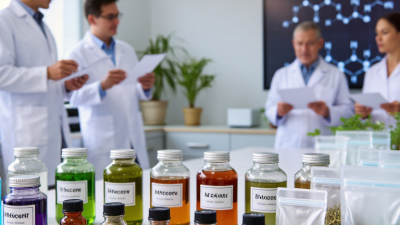
China Top 10 Plant Extract Suppliers for Global Buyers
China has become an important sourcing base for botanical ingredients, serving buyers across food, cosmetics, and dietary supplement markets. According to Grand View Research, the global botanical extracts market was valued at approximately USD 6.49 billion in 2023. The firm projects an 8.4% compound annual growth rate from 2024 to 2030. This growth makes supplier selection more consequential. A larger market does not automatically mean better quality.
This guide profiles ten Chinese Plant Extract suppliers for international buyers. It is a practical shortlist, not an official ranking. Supplier capabilities can vary by ingredient, production site, and export destination. Buyers should compare more than catalog breadth. Ask for botanical identity, extraction solvent, extract ratio, marker-compound specifications, and batch-specific certificates of analysis. Review pesticide, heavy-metal, and microbiological test results where relevant. Traceability matters. So does the ability to explain how a specification is tested and maintained.
A polished product page is not proof of consistent manufacturing. Request current certifications, audit details, sample records, and export documentation before placing a large order. Check whether the stated test methods match your own quality requirements. Small details can reveal gaps. The profiles below focus on product range, quality systems, documentation, and communication, while recognizing that no supplier is ideal for every application. Buyers should verify claims independently and confirm compliance with the rules that apply in their destination market.
Read more »
 By:Elara
- November 7, 2026

How to Choose the Right Botanical Extract Supplier?
Choosing a Botanical Extract supplier is not just a price comparison. It is a decision about identity, consistency, and evidence. A neat sample can look convincing, but the paperwork behind it matters more. Ask how the supplier verifies the plant species, which plant part is used, and whether each batch has a clear lot number. Request a certificate of analysis, then check whether its test methods and results match your product requirements. Details matter. A vague answer about “standard quality” is not enough.
Quality expert W. Edwards Deming’s reminder, “Quality is everyone’s responsibility,” was not specific to botanical extracts, but it applies across the supply chain. Buyers should examine sourcing records, extraction methods, residual-solvent controls, contaminant testing, and stability data. A supplier should explain these plainly, not hide behind polished brochures. If you are evaluating a new extract, compare a retained sample with later production lots; color, aroma, and assay results can reveal meaningful variation. Ask who handles deviations, too. Real systems are tested when something goes wrong.
Experience has taught many buyers that a complete file does not automatically mean a dependable partnership. That is worth remembering. Visit the facility when practical, speak with technical staff, and confirm that production capacity fits your forecast. Some details may remain uncertain until trials begin. Document those questions rather than assuming they will resolve themselves. A reliable supplier welcomes careful scrutiny and gives specific, traceable answers.
Read more »
By:Elara
- November 7, 2026
What Are the Top Herbal Extract Types to Buy in 2026?
Choosing the right Herbal Extract in 2026 will take more than following a trending label. Buyers will need to weigh the plant species, extract ratio, active-compound standardization, and testing records. A bottle of turmeric extract, for example, should identify its curcuminoid content and serving size. “Natural” alone tells shoppers very little.
Consumer demand offers useful context. The Council for Responsible Nutrition’s 2024 Consumer Survey reported that 75% of U.S. adults use dietary supplements, while 64% use them regularly. That survey covers supplements broadly, not herbal extracts alone, so it should not be read as a direct forecast for any single ingredient. Still, it shows why buyers are asking sharper questions about product quality and purpose. Grand View Research’s Herbal Extract Market report also tracks the sector’s commercial growth, making market reports useful context—but not proof that a product works.
Details matter. Look for the botanical’s Latin name, plant part, extraction method, and batch-specific quality documentation. Third-party testing can help verify identity and screen for contaminants, though it cannot guarantee clinical benefits. The best options may include familiar extracts such as green tea, ginger, or ashwagandha, depending on the intended use and available evidence. Popularity is not proof. This guide compares leading extract types through practical buying criteria, current industry signals, and evidence quality. Some labels remain confusing, and that deserves scrutiny.
Read more »
By:Elara
- November 7, 2026