NSF 455-2 GMP · ISO 22000 · HACCP [email protected]
English
Get a Quote
0%

Choosing China’s top Natural Plant Extract suppliers takes more than comparing prices or browsing polished product pages. A consistent extract starts with a clearly identified plant, a defined plant part, and a documented extraction method. Small details matter.

Professor Michael Heinrich, an ethnopharmacologist whose research examines medicinal plants, offers a useful principle. In paraphrase: “Reliable botanical products depend on knowing the plant, its preparation, and the evidence behind its use.” That is not a verbatim quotation, but it captures a practical standard for evaluating suppliers.

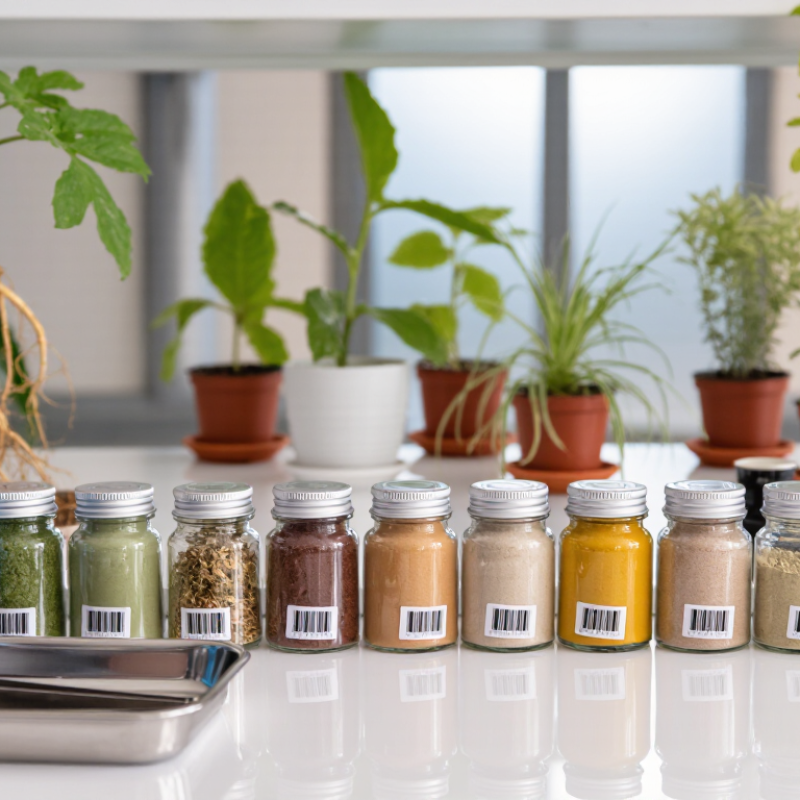
A supplier’s paperwork should connect to the material in the sample jar. Check botanical names, batch-specific certificates of analysis, extraction ratios, and traceability records. Ask how the company manages testing for identity, composition, and contaminants. Then compare its answers with your intended application, whether that involves food, cosmetics, or another appropriate product category.

A neat certificate is not the whole story. Does the supplier explain variation between harvests? Can it describe how storage affects color, aroma, or stability? These questions reveal more than a sales brochure can.

This guide will examine ten Chinese suppliers through transparent criteria, including product range, quality documentation, manufacturing capabilities, and communication. Rankings can be useful, but they are never permanent. Information may change, and a strong supplier for one buyer may be a poor fit for another. The list should be a starting point, not a substitute for independent verification.
China Top 10 Natural Plant Extract Suppliers?

China’s Natural Plant Extract Industry and Supplier Landscape

China’s natural plant extract industry links agricultural sourcing with precision processing. Suppliers handle regional materials such as tea, citrus peel, goji, and licorice. Quality can shift with harvest timing, drying, and raw-material identity. The supply base includes growers, extractors, and contract manufacturers, so “supplier” can mean very different capabilities. That distinction matters.

USD 6.65 billion Global market estimate in 2023
9.4% CAGR Projected from 2024 to 2030

Grand View Research’s Botanical Extracts Market Size, Share & Trends Analysis Report estimated the global market at USD 6.65 billion in 2023, with a projected 9.4% compound annual growth rate from 2024 to 2030. This is a global estimate, not a China-only figure, and market definitions can vary. In practice, buyers should request botanical identity records, extraction details, batch traceability, and test results for active compounds and contaminants. A chromatogram helps. It does not tell the whole story. Some supplier profiles look strong on paper, yet documentation may not describe every production batch. That gap deserves attention.

How to Evaluate Natural Plant Extract Suppliers in China

China Top 10 Natural Plant Extract Suppliers?
How to Evaluate Natural Plant Extract Suppliers in China

A supplier’s brochure is only a starting point. The WHO’s 2019 Global Report on Traditional and Complementary Medicine says 170 of 194 member states reported using traditional medicine. That figure signals broad demand, not supplier quality. Ask for the extract’s Latin species name, plant part, extraction solvent, and extract ratio. These details help reveal whether two quotes describe comparable materials.

Check a batch-specific certificate of analysis, then confirm its methods and results with an independent laboratory when practical. Review identity, marker compounds, microbial limits, heavy metals, and pesticide residues. The WHO’s Quality Control Methods for Herbal Materials provides recognized approaches for identity and purity testing. Also inspect traceability records from raw material to finished batch, and ask how supplier changes are documented. I would not treat tidy paperwork as proof; weak batches can still slip through.

Tips: Request a recent sample and matching batch documents. Compare the sample’s color, odor, and solubility with agreed specifications. Small details matter. Ask for an audit or a live walkthrough, but remember that one visit cannot show every production condition.

China Top 10 Natural Plant Extract Suppliers? — How to Evaluate Natural Plant Extract Suppliers in China

This is an evaluation checklist, not a ranked list of companies. Requirements vary by botanical, intended use, and destination market; confirm applicable specifications before placing an order.

No. Evaluation Dimension What to Verify Useful Evidence or Evaluation Method
1 Botanical identity and plant part Confirm the accepted botanical name, plant part, origin, and identity controls for the specific extract. Review the specification, sourcing records, and identity test method. Ask how the supplier prevents substitution or admixture.
2 Extract specification and standardization Check the extract ratio, solvent information, carrier ingredients, and any declared marker or active-constituent range. Request a signed specification and a batch-specific certificate of analysis (COA). Confirm that test methods and acceptance limits are stated.
3 Analytical testing capability Determine whether the methods are suitable for the botanical and the compounds being measured. Review method details and representative results. HPLC, GC, or spectroscopic methods may be appropriate depending on the analyte; no single method fits every extract.
4 Independent laboratory verification Check whether important tests can be confirmed by an independent laboratory using relevant methods. Request recent third-party reports. For accredited testing, check the laboratory’s ISO/IEC 17025 accreditation scope for the relevant test.
5 Contaminant controls Assess controls for contaminants relevant to the material and intended market, such as heavy metals, pesticide residues, residual solvents, and microbiological hazards. Compare batch test results and limits with the applicable product specification and destination-market requirements. Ask about risk-based testing frequency.
6 Quality and food-safety systems Review documented controls for production, hygiene, deviations, corrective actions, and product release. Check current certificates and their scope where applicable, such as ISO 9001 or a food-safety management certification. Verify certificates with the issuing body.
7 Traceability and batch records Establish whether finished batches can be linked to incoming botanical materials and production records. Request a sample traceability record and ask the supplier to explain its lot coding, record retention, and recall procedure.
8 Manufacturing and process control Understand the extraction, concentration, drying, and packaging steps, including controls that may affect composition and consistency. Use a technical questionnaire or audit to review process flow, change control, cleaning controls, and in-process checks.
9 Packaging, storage, and shelf life Confirm packaging protects the product under the stated storage conditions and that the shelf-life basis is documented. Review packaging specifications, storage instructions, retest or expiry dates, and available stability data for the relevant product.
10 Commercial and export readiness Evaluate whether the supplier can meet agreed requirements for samples, order quantities, lead times, documentation, and shipment handling. Confirm terms in writing, obtain a representative pre-production or production sample, and check that export documents match the product and destination requirements.

Practical selection approach: Compare suppliers against the same product specification, request batch-specific records, verify critical claims independently, and document any unresolved risks before approval.

Profiles of Ten Leading Chinese Plant Extract Suppliers

China’s plant-extract sector includes suppliers with different strengths, from bulk production to specialized processing. These profiles describe ten useful supplier types, not a verified ranking of named companies. One focuses on standardized tea extracts and publishes batch test results. Another processes root botanicals, with attention to drying and milling conditions. A third offers fruit and vegetable extracts for food applications. A fourth specializes in water-based extraction. Check its solvent and residue controls. A fifth provides small trial batches for product development.

A sixth supplier emphasizes organic certification and traceable sourcing. A seventh works with aromatic plants and carefully manages volatile compounds. An eighth offers custom extraction, though lead times may vary. A ninth supplies spray-dried powders with details on carriers and moisture levels. The tenth combines extraction with laboratory testing and technical support. Ask for current specifications, methods, and representative certificates; a polished brochure is not enough. Compare identity testing, active-compound limits, and consistency across batches. Even careful profiles have gaps: capabilities can change, and a sample may not reflect routine production. Request recent documentation and evaluate a production sample before making a decision.

Product Range, Applications, and Quality Standards

China Top 10 Natural Plant Extract Suppliers: Product Range, Applications, and Quality Standards

Comparing natural plant extract suppliers in China is more useful when you look at botanical source, plant part, and extraction method. Product ranges may include standardized powders, liquid extracts, and oil-soluble ingredients from roots, leaves, flowers, or seeds. Details matter. Ask whether each specification names the Latin species, plant part, marker compounds, carrier, and extract ratio. Similar product names do not guarantee interchangeable ingredients. Check a sample’s color, odor, and solubility under your actual processing conditions. A small difference can affect the finished product.

Applications should guide procurement. A water-dispersible leaf extract may suit a beverage, while a darker root powder could affect taste, sediment, and appearance. Cosmetic formulas may require closer attention to odor and ingredient compatibility. Quality review should cover traceable raw-material records, a current certificate of analysis, and suitable tests for identity, assay, microbes, heavy metals, pesticide residues, and residual solvents. Check the methods and limits, not just a pass or fail. Ask for representative batch data and change-control practices. Even a polished specification may not show how an extract behaves at scale, so pilot batches are worth testing before a large purchase.

How to Verify and Select a Suitable Supplier

China Top 10 Natural Plant Extract Suppliers? How to Verify and Select a Suitable Supplier

Grand View Research estimated the global botanical extracts market at USD 5.6 billion in 2023. Its report projected 9.1% annual growth through 2030. These figures suggest rising demand, not guaranteed supplier quality. Estimates also vary with market definitions. A supplier’s sales brochure is not evidence of consistency.

Ask for a batch-specific certificate of analysis, then check that its results match your specification. Confirm botanical identity, plant part, extraction solvent, marker-compound levels, and test methods. For example, an HPLC result should identify the compound measured, not just state “passes.” Review pesticide, heavy-metal, microbiological, and residual-solvent results where relevant. Check that an independent laboratory performed suitable tests, and compare the report’s batch number with the product label. Request traceability records and audit details. A polished document can still leave gaps.

Tips: Request a recent sample and retain it for comparison with the delivered batch. Ask how the supplier handles out-of-spec results and changes in raw-material origin. Verify the facility’s quality-system certificates with the issuing body; certificates do not replace product testing. If an answer is vague, pause. I have seen teams overlook simple batch mismatches when reviewing paperwork too quickly. Take time to check.

FAQS

What does China’s natural plant extract industry include?

It connects growers, extractors, and contract manufacturers. Suppliers may handle tea, citrus peel, goji, or licorice.

Why can extract quality vary between batches?

Harvest timing, drying, and raw-material identity can affect quality. Small differences matter.

How large is the botanical extracts market?

Estimates placed the global market between USD 5.6 billion and USD 6.65 billion in 2023. Figures vary by market definition.

What documents should buyers request?

Request botanical identity records, extraction details, batch traceability, and test results for active compounds and contaminants.

What should a certificate of analysis show?

It should match the product’s batch number and specification. Check plant part, extraction solvent, marker levels, and test methods.

Which test results may be relevant?

Review pesticide, heavy-metal, microbiological, and residual-solvent results where relevant. An HPLC report should name the measured compound.

How can buyers compare a sample with a delivery?

Keep a recent sample, then compare it with the delivered batch. Labels and reports should show matching batch numbers.

Are certificates and chromatograms enough to confirm quality?

No. They provide useful evidence, but may not describe every production batch. I have seen teams miss simple batch mismatches. Take time to check.

Conclusion

China’s natural plant extract industry serves a wide range of needs, from food and beverage production to cosmetics, personal care, and other manufacturing applications. This overview explains how the supplier landscape is shaped by differences in sourcing, extraction methods, product specialization, and quality management. It also introduces ten leading supplier profiles as a framework for comparing capabilities, without treating any single company as suitable for every project.

When evaluating a Natural Plant Extract supplier, buyers should consider product range, intended application, consistency between batches, documentation, quality standards, production capacity, and communication. A careful selection process includes confirming that specifications match the product’s requirements, reviewing relevant quality records, and discussing sampling, lead times, and ongoing supply needs. These practical checks can help businesses identify a reliable partner and make a more informed purchasing decision.

Audrey

Audrey

Audrey is a marketing professional with a strong understanding of the company’s products, services, and the needs of the customers they are designed to support. She combines product knowledge with clear, thoughtful communication, helping readers understand how different solutions work and how to......