Choosing the right Herbal Extract in 2026 will take more than following a trending label. Buyers will need to weigh the plant species, extract ratio, active-compound standardization, and testing records. A bottle of turmeric extract, for example, should identify its curcuminoid content and serving size. “Natural” alone tells shoppers very little.
Consumer demand offers useful context. The Council for Responsible Nutrition’s 2024 Consumer Survey reported that 75% of U.S. adults use dietary supplements, while 64% use them regularly. That survey covers supplements broadly, not herbal extracts alone, so it should not be read as a direct forecast for any single ingredient. Still, it shows why buyers are asking sharper questions about product quality and purpose. Grand View Research’s Herbal Extract Market report also tracks the sector’s commercial growth, making market reports useful context—but not proof that a product works.
Details matter. Look for the botanical’s Latin name, plant part, extraction method, and batch-specific quality documentation. Third-party testing can help verify identity and screen for contaminants, though it cannot guarantee clinical benefits. The best options may include familiar extracts such as green tea, ginger, or ashwagandha, depending on the intended use and available evidence. Popularity is not proof. This guide compares leading extract types through practical buying criteria, current industry signals, and evidence quality. Some labels remain confusing, and that deserves scrutiny.
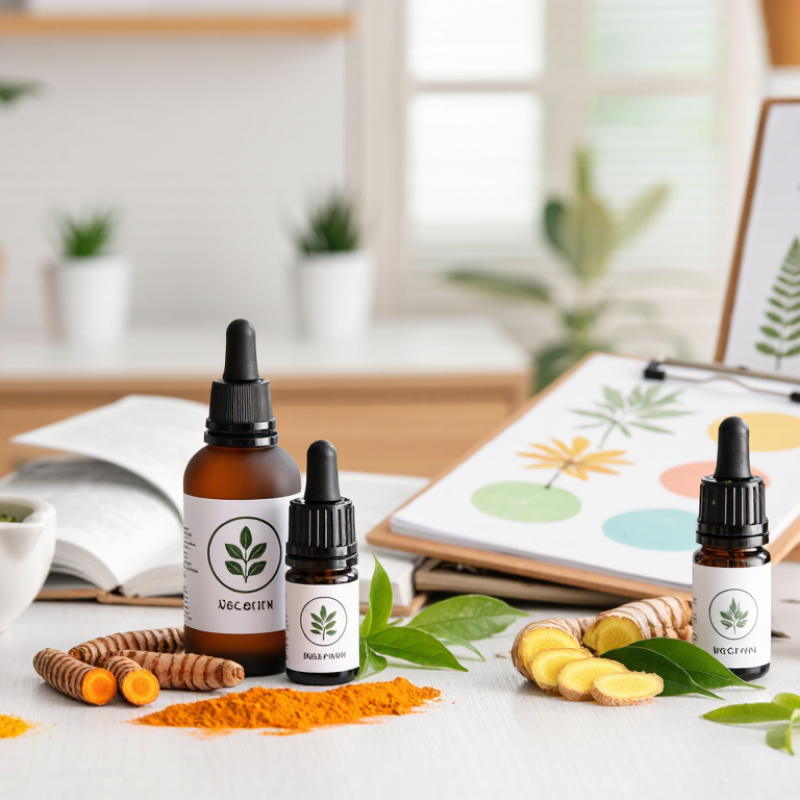
Herbal extracts are concentrated preparations made from leaves, roots, flowers, seeds, or bark. They transfer selected plant compounds into a liquid, powder, or soft extract. A cup of leaf tea is not the same as a measured extract. That difference matters.
Making an extract begins with identifying and cleaning the plant material. Producers may dry or mill it, then use water, food-grade alcohol, glycerin, or another suitable solvent to draw out soluble compounds. The liquid is filtered and concentrated, then sometimes dried into powder. Heat, time, particle size, and solvent strength can change what is recovered. Small changes matter.
Quality depends on more than the plant name on a label. Reliable documentation identifies the plant species and part used, explains the extraction method, and includes testing for identity, strength, and contaminants. “Standardized” can help compare batches, but it does not mean every natural compound is identical. I would check whether the serving size is clear, too. That is easy to miss. Extracts may interact with medicines or be unsuitable for some people, so concentrated does not automatically mean better. Some products have less supporting research than their polished labels suggest.
Popular herbal extracts in 2026 are likely to include turmeric, ashwagandha, ginger, elderberry, green tea, and milk thistle. Interest often follows familiar uses: turmeric is chosen for curcumin, while ginger appears in digestion-focused products. Ashwagandha remains popular in stress and sleep formulas, though research is still developing. Elderberry is commonly marketed for seasonal wellness, but it should not be treated as a cure. Green tea extract offers concentrated plant compounds, and milk thistle is often selected for liver-support products. Popularity is not proof of effectiveness.
Tips: Check the botanical name, plant part, extraction details, and standardization on the label. Look for independent quality testing when available. A clear label matters. Extract strength can vary widely, even when two products name the same herb. Ask a qualified healthcare professional before use if you take medication, have a health condition, or are pregnant. Some extracts can cause side effects or interact with medicines. Natural does not always mean gentle.
Trends can shift, and online popularity can exaggerate the evidence. I would compare a product’s claims with reliable research rather than choosing by social media buzz. Keep expectations modest. A useful extract should have transparent sourcing and realistic directions, not promises of quick results.
A practical shortlist of commonly discussed herbal extracts. The chart is an editorial guide, not a sales ranking or a forecast; comparable full-year 2026 popularity data are not yet available.
Choose an extract based on your needs, product quality, and safety. Herbal supplements can interact with medicines, so consult a qualified healthcare professional before use.
Herbal extracts differ by solvent, concentration, and form, so a capsule and a dropper bottle may not be equivalent. Water infusions suit water-soluble constituents, while alcohol-water tinctures can extract a wider range, depending on the plant and process. Dried extracts are often packed into capsules or tablets. Form follows purpose, but not perfectly. The American Botanical Council’s 2023 market report estimated U.S. herbal supplement sales at $12.6 billion, up 4.4% from 2022. That figure shows growing demand, not proof that one format works better.
A standardized extract lists a measured level of selected constituents; this can make products easier to compare, but it does not guarantee clinical benefit. Liquid drops allow flexible serving sizes, though taste and alcohol content may matter. Powders can be stirred into food, but measuring them accurately takes care. WHO’s 2019 global report found that 170 of 194 Member States reported traditional and complementary medicine use. That broad figure includes many practices, not extracts alone.
Check the plant’s Latin name, plant part, extraction solvent, and amount per serving. Look for independent quality testing where available. Labels can still be confusing. “Natural” does not describe purity, strength, or safety. Herbal products may interact with medicines, and pregnancy or chronic conditions can change the risk. Ask a qualified health professional before use, especially when taking prescription drugs.
When comparing herbal extracts in 2026, look beyond a large number on the front label. Check the botanical’s full name and the plant part used, such as root, leaf, or flower. A precise species name helps distinguish plants that share common names. The label should also explain the extract ratio or identify the compounds used for standardization. These details answer different questions. A ratio describes starting material and extract yield; a marker level describes selected constituents.
Look for a batch-specific certificate of analysis, not just a general quality statement. It should match the product’s lot number and report identity testing, marker levels, and screening for heavy metals, microbes, and pesticide residues. Independent laboratory testing can add confidence, though it is not a guarantee of effectiveness. Check how the extract was made, too. The solvent and extraction method can affect which compounds remain. Small details matter.
Standardization makes products easier to compare, but it can also oversimplify a complex plant. A high percentage of one marker does not prove that an extract is better or suitable for everyone. I would treat bold potency claims cautiously, especially when methods and test results are unavailable. Labels are imperfect tools. Compare the actual documentation, serving size, and ingredient list, and ask a qualified health professional about possible interactions or personal health concerns.
Examples of widely used herbal extract categories—not a ranked recommendation. Standardization targets and appropriate specifications vary by extract, intended use, and applicable quality standards.
| Herbal Extract Type | Botanical Part | Common Standardization Target | What to Check on the Label or Specification | Useful Quality Checks |
|---|---|---|---|---|
| Turmeric extract | Rhizome of Curcuma longa | Curcuminoids, a group that includes curcumin | Declared curcuminoid amount per serving; whether the ingredient is a plain extract or a formulated product with other ingredients. | Confirm botanical identity and curcuminoid content with suitable analytical testing. Check for heavy metals, pesticides, microbes, and undeclared colorants. |
| Green tea extract | Leaves of Camellia sinensis | Total catechins and/or epigallocatechin gallate (EGCG); caffeine may also be specified | Declared catechin, EGCG, and caffeine amounts. Check whether the extract is decaffeinated if that is important to the intended use. | Verify identity and marker levels, and review contaminant testing. Concentrated green tea extracts can differ substantially from brewed tea; high-dose products warrant particular caution. |
| Milk thistle extract | Fruits (commonly called seeds) of Silybum marianum | Silymarin, a mixture of flavonolignans rather than a single compound | Look for the stated silymarin amount and serving size. A percentage claim should be supported by a defined test method. | Check botanical identity, silymarin assay, and contaminant results. Compare products using the amount per serving, not percentage alone. |
| Ginkgo leaf extract | Leaves of Ginkgo biloba | Flavone glycosides and terpene lactones; ginkgolic acids are an unwanted constituent to control | Check that the specification identifies the marker groups and includes a limit for ginkgolic acids. Do not rely on a generic “ginkgo” claim alone. | Look for validated assays for marker compounds and ginkgolic acids, plus identity and contaminant testing. Medication interactions may be relevant, especially with anticoagulants. |
| Ashwagandha extract | Root, or root and leaves, of Withania somnifera | Withanolides | Check which plant parts are used, the withanolide amount, and the analytical method. Root-only and root-and-leaf extracts are not interchangeable descriptions. | Verify plant-part identity and withanolide content; review testing for contaminants and adulterants. Standardization methods can produce results that are difficult to compare across products. |
| Ginger extract | Rhizome of Zingiber officinale | Gingerols, sometimes with shogaols also reported | Check the stated marker amount and whether the specification reports gingerols, shogaols, or both. | Confirm botanical identity and marker levels using an appropriate assay; review microbial, pesticide, and heavy-metal testing. |
| Boswellia extract | Resin of Boswellia species, commonly Boswellia serrata | Total boswellic acids; some specifications also report acetyl-11-keto-β-boswellic acid (AKBA) | Check the exact species, resin source, and declared marker profile. A higher stated percentage does not by itself establish better quality. | Request identity and marker assays and review contaminant testing. Confirm that the test method is appropriate for the specific boswellic acids claimed. |
Quality checklist: Prefer products with clear botanical names and plant parts, a quantified serving, a defined assay for standardization, and accessible testing for identity, potency, and relevant contaminants. Standardization indicates measured constituents; it does not by itself prove purity, bioavailability, or effectiveness.
What Are the Top Herbal Extract Types to Buy in 2026?
What to Check for Safety Before Buying Herbal Extracts
Herbal extracts can look simple on a shelf, but concentration and plant parts affect what you take. Check the Latin species name, plant part, extraction method, and extract ratio—not just “herbal blend.” Ask for a lot-specific certificate of analysis covering identity, heavy metals, microbes, and pesticide residues. Independent testing is useful, but it does not prove clinical benefit. A polished label is not proof.
The American Botanical Council’s HerbalGram market report estimated U.S. herbal supplement sales at $12.6 billion in 2023. That measures sales, not safety. In a 2014 Drug-Induced Liver Injury Network report, supplements were implicated in 130 of 839 evaluated liver-injury cases. That referral cohort does not show the risk for an average buyer, but it underscores why caution matters. Extracts may also interact with medicines or be unsuitable during pregnancy. Check with a qualified clinician if you have a health condition or take medication.
Tips: Match the product name to its test report and lot number. Review serving size and warnings. If key details are missing, pause before buying. Keep the package so a clinician can check the exact ingredients.
It is a concentrated preparation made from plant parts like leaves, roots, flowers, seeds, or bark. It may come as a liquid, powder, or soft extract. Concentrated does not automatically mean better.
Plant material is cleaned and often dried or milled. A suitable solvent, such as water, glycerin, or food-grade alcohol, draws out soluble compounds. The liquid is then filtered and concentrated. Heat and timing can change the result.
No. Tea is made by steeping plant material in water. An extract is processed to concentrate selected compounds. The difference matters.
Common choices include turmeric, ginger, ashwagandha, elderberry, green tea, and milk thistle. People often choose them for familiar wellness uses. Popularity is not proof that an extract works.
Look for the full botanical name and the plant part used, such as root or leaf. Check the serving size, extraction details, and any stated standardization. Labels can leave gaps.
It identifies selected compounds or marker levels for comparison between batches. It does not mean every natural compound is identical. One high marker level does not prove an extract is better.
It is a test report for a specific product batch. Check that its lot number matches the package. It may report identity, marker levels, heavy metals, microbes, and pesticide residues. Testing is helpful, not a guarantee.
Yes. Some extracts may cause side effects or interact with medicines. Ask a qualified healthcare professional before use if you take medication, have a health condition, or are pregnant. I would not guess from a label alone.
This guide explains what a Herbal Extract is and how it is produced, from selecting and preparing plant material to using water, alcohol, or other suitable methods to concentrate particular constituents. It surveys botanical extracts commonly considered by shoppers in 2026, including turmeric, ginger, green tea, elderberry, and ashwagandha, while noting that popularity does not guarantee suitability for everyone. Extracts may come as liquids, powders, capsules, or tablets, and their intended uses and concentration can vary.
Before buying, compare the plant part used, extraction method, ingredient list, and any stated standardization so you can understand what the product contains. Look for clear quality information and appropriate testing for identity, purity, and contaminants. Check serving instructions, warnings, and possible interactions, especially if you take medication, have a health condition, are pregnant, or are considering use for a child. When uncertain, ask a qualified health professional.