Precision Manufacturing Selection
High-Bioavailability Formulations & Advanced Marine Extracts
Engineered via strict cleanroom synthesis, standardized extraction parameters, and verified batch consistency for international export brands.
19+
Years Manufacturing
100+
Countries Served
40,000+
Shipments Delivered
400+
Custom Formula Designs
Technical Whitepaper
Engineering Compliance: The Reality of CE & GMP Algae Extraction Facilities
In modern nutraceutical procurement, identifying a certified algae extract factory demands clear differentiation between product classifications and operational directives. Marine algae extracts—derived from microalgal strains such as Haematococcus pluvialis (natural astaxanthin), Chlorella vulgaris, Spirulina (Arthrospira platensis), and macroalgae kelp species (fucoidan, laminarin)—fall under strict safety mandates across the European Economic Area and global markets. When international buyers seek a CE certified algae extract factory, the requirement typically encompasses European Regulation (EC) No 178/2002 for general food law, compliance with the Novel Food Regulation (EU) 2015/2283, and standard machinery CE directives (Directive 2006/42/EC) governing the closed automated processing lines where botanical separation takes place.
Industrial extraction of microalgae bioactives demands sterile, photobioreactor-controlled cultivation followed by supercritical CO2 fluid extraction or advanced enzymolysis. A world-class contract manufacturing facility ensures that every lot eliminates environmental contaminants such as microcystins, polycyclic aromatic hydrocarbons (PAHs), and heavy marine metals (arsenic, lead, mercury, and cadmium). Shaanxi ESNO Biotech integrates these European compliance baselines directly within our NSF 455-2 GMP, ISO 22000, and HACCP certified cleanrooms, establishing end-to-end analytical traceability from the algal cell rupture stage down to the finished sealed dosage unit.
Closed Photobioreactor (PBR)
Closed axenic glass tube cultivation eliminates outdoor open-raceway contaminants, avian airborne vectors, and fluctuating pesticide exposures, ensuring zero batch contamination.
Supercritical Fluid Extraction
Supercritical CO2 solvent-free extraction yields pure astaxanthin oleoresin, omega-3 EPA/DHA lipids, and chlorophyll fractions without harmful chemical residue footprints.
Heavy Metal Chelation Control
Proprietary ceramic nanofiltration specifically targets and isolates inorganic arsenic and cadmium ions native to marine ecosystems, meeting strict EU pharmacopeia limits.
Procurement Intelligence
Emerging Procurement Trends Shaping Marine Algae Sourcing (2025–2030)
Procurement leadership within institutional supplement, veterinary, and dermo-cosmetic industries is rapidly pivoting toward quantifiable sustainability, supply chain integrity, and clean-label verification. Where historically buyers focused solely on active marker percentages (such as Astaxanthin 5% or 10% UV/HPLC), current procurement agreements hinge on systemic upstream accountability and circular processing metrics.
| Procurement Dimension | Legacy Sourcing Paradigm | Next-Generation Verified Standard | Regulatory / Commercial Impact |
|---|---|---|---|
| Carbon & Cultivation Origin | Open agricultural ponds; high water evaporation loss. | Closed vertical biomanufacturing using industrial biogenic CO2. | Mandatory Scope 3 carbon compliance across European retail chains. |
| Extraction Chemistry | Hydrocarbon solvents (hexane, ethyl acetate) requiring chemical purging. | Subcritical and Supercritical carbon dioxide extraction + ultrasonic lysis. | Zero solvent residue certificates (USP/EP conformant) required by FDA/EFSA. |
| Bioavailability Stabilization | Unprotected dry algal biomass prone to rapid thermal oxidation. | Micro-encapsulated beadlets, liposomal emulsions, and enteric vegan shells. | Extended shelf-life claims (up to 36 months) with verified assay preservation. |
| Traceability Documentation | Standard unverified physical COA per finished master batch. | Complete isotopic fingerprinting, batch chromatograms, and genomic verification. | Protection against international customs delays and Amazon third-party audits. |
The shift toward marine-derived vegan alternatives is particularly distinct within omega-3 lipid categories. Algal oil rich in docosahexaenoic acid (DHA) and eicosapentaenoic acid (EPA) is systematically displacing traditional pelagic fish oils. Buyers are avoiding the ocean-borne microplastics, PCB accumulations, and erratic seasonal pricing volatility tied to wild-catch fisheries by securing long-term supply contracts directly with cGMP and ISO 22000 certified microalgal fermentation operations.
Technological Vectors
Bioengineering Trends: Microalgae Delivery Systems & Bioavailability
The commercial efficacy of algae extracts is intrinsically limited by their natural physicochemical barriers. Unprocessed microalgae possess rigid, multi-layered cellulosic and sporopollenin cell walls that prevent direct enzymatic breakdown within the human gastrointestinal tract. Furthermore, carotenoids like astaxanthin, fucoxanthin, and lutein present high hydrophobicity, leading to poor systemic absorption and susceptibility to photo-oxidation.
To resolve these metabolic bottlenecks, advanced manufacturing factories employ high-pressure homogenization (HPH) operating at up to 1,500 bar to disrupt cell membranes without generating degrading heat spikes. Following liberation, lipophilic marine extracts are transferred into lipid matrix carriers, self-emulsifying drug delivery systems (SEDDS), or cold-water-dispersible (CWD) beadlet formats. At Shaanxi ESNO Biotech, our R&D team utilizes specialized fluid-bed spray drying and inert nitrogen-purged softgel encapsulation to preserve labile double-bond conjugated chains, delivering maximum cellular bio-efficacy to your target consumer.
Cold-Water Dispersible (CWD)
Micro-encapsulation with plant acacia gum and modified food starch transforms viscous lipophilic algal oleoresin into free-flowing, instantly soluble powder for stick packs.
Enteric HPMC Protection
Acid-resistant vegetarian capsules safeguard sensitive bioactive algae enzymes and polysaccharides from gastric denaturation, facilitating targeted duodenal release.
High-Shear Nanonization
Reducing particulate size below 200 nanometers expands surface-area interfacial contact, multiplying physiological bio-absorption rates up to 4.8 times over raw powders.
Shaanxi ESNO Biotech Production Scale
End-to-End Cleanroom Manufacturing Infrastructure
Verified on-site by TÜV Rheinland. Fully audited compliance across 6 core workshops operating under NSF 455-2 GMP and ISO 22000 parameters.
D-Grade Cleanrooms
Class 100,000 Air Handling & Positive Pressure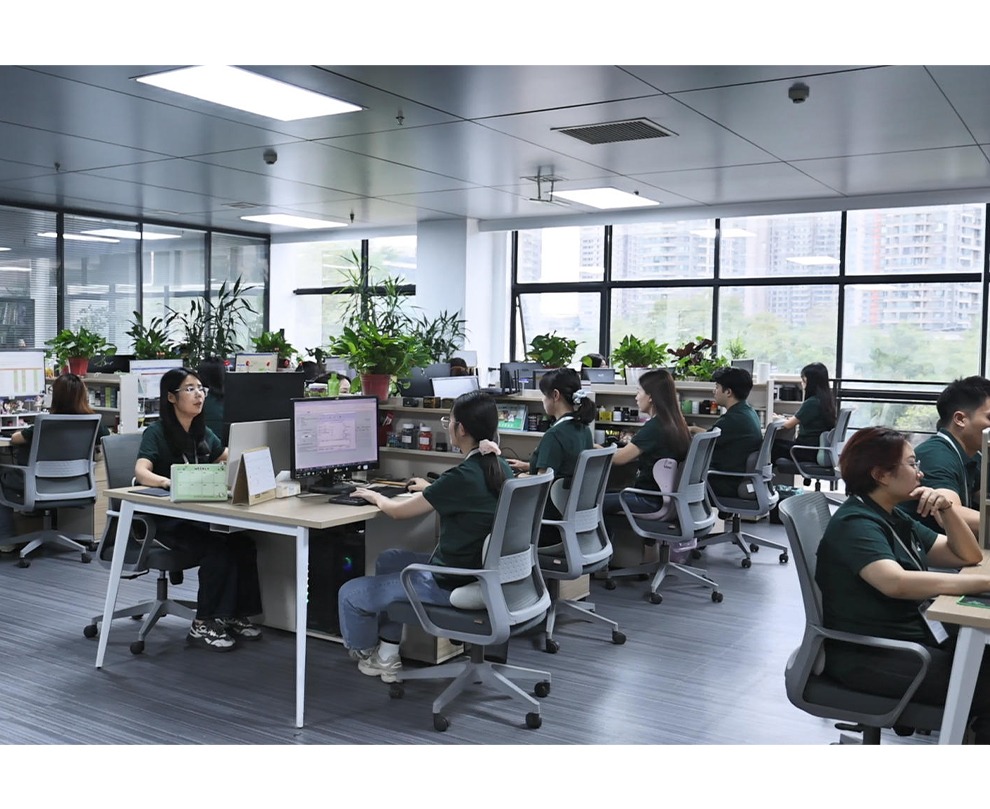
Encapsulation Lines
High-Speed Rotary Compression & Capsule Dosing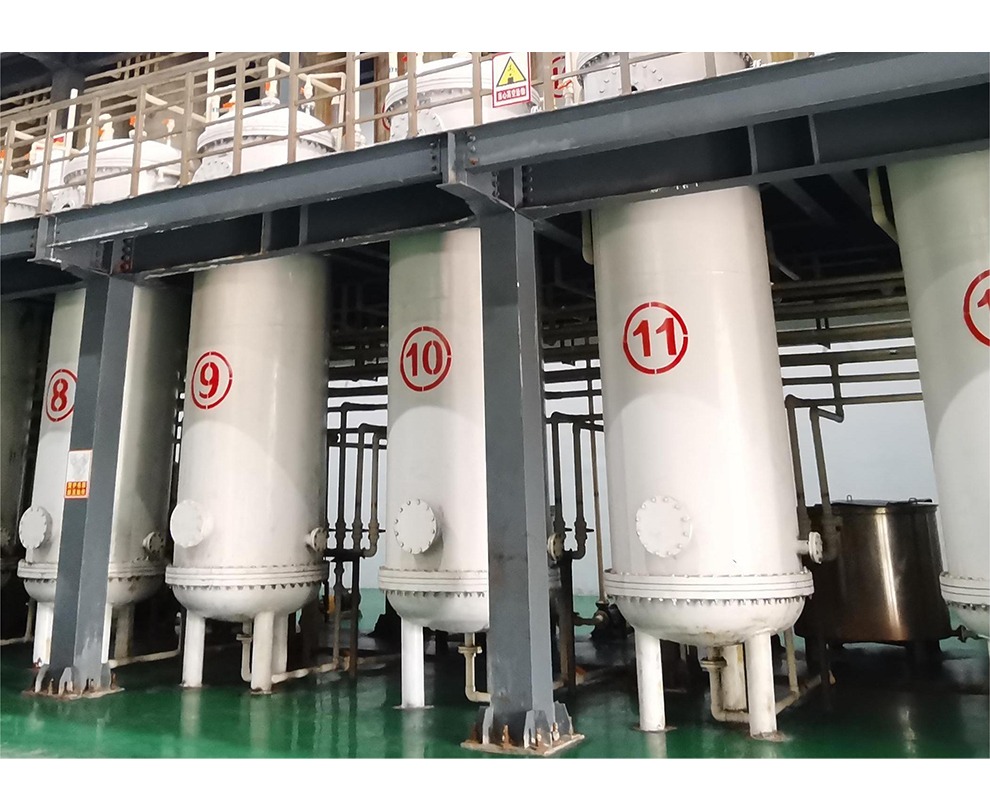
In-House QC Center
HPLC, GC-MS, Atomic Absorption & Microbial LabSince 2006, Shaanxi ESNO Biotech Co., Ltd. has stood at the intersection of natural bioactive extraction and pharmaceutical-grade dosage fabrication. Operating from our central facility in the High-Tech Zone of Xi'an, Shaanxi, China, our multidisciplinary team of over 70 specialists manages comprehensive project lifecycles for over 3,500 enterprise clients globally. With over 40,000 completed shipments across North America, Europe, Australia, and East Asia, we understand how to navigate customs clearances, provide complete technical dossiers, and maintain uncompromising quality across high-volume production.
Our factory accommodates dynamic contract manufacturing formats including two-piece vegetarian HPMC and pullulan hard capsules, gelatin and plant-based pectin functional gummies, specialized single-serve powder stick packs, compressed core tablets, and pharmaceutical-grade blister cards. Each order is backed by full analytical COAs containing detailed chromatographic confirmation, quantitative heavy-metal testing via inductively coupled plasma mass spectrometry (ICP-MS), and zero-pathogen microbiological clearances.
Procurement FAQ
Frequently Asked Questions: Sourcing from Certified Algae Extract Factories
What does "CE Certified" mean for an algae extract manufacturer?
Algae extracts used in foods or supplements are regulated primarily under food safety standards (such as EC 178/2002, Novel Food EU 2015/2283, and GMP). "CE" credentials for a manufacturing facility indicate that industrial processing equipment complies with EU health, safety, and environmental machinery directives (Directive 2006/42/EC), ensuring safe, standardized automated extraction. Finished dietary products for Europe require compliance with EFSA hygiene, maximum residue limits (MRLs), and HACCP criteria.
What is the standard Minimum Order Quantity (MOQ) for OEM runs?
For verified stock formulations in vegetarian hard capsules and dietary tablets, our minimum production batch starts at 100 to 500 bottled units. For custom-engineered active blends involving specialized microalgae beadlets, high-concentration DHA oils, or tailored pectin gummies, custom runs typically require 1,000 to 2,000 units. Bulk raw powder extracts are supplied starting from 1 kg up to multi-metric-ton industrial drums.
How do you test and prevent heavy metal accumulation in marine batches?
Algal strains can naturally bioaccumulate environmental metals if grown in unshielded open waters. Shaanxi ESNO Biotech uses closed-loop photobioreactors and tests 100% of raw batches using ICP-MS. Every shipment includes third-party verified testing verifying lead (<0.5 ppm), arsenic (<0.5 ppm), cadmium (<0.2 ppm), and mercury (<0.1 ppm) to meet strict European Commission Regulation (EC) 1881/2006 limits.
Can you provide complete technical documentation for market registration?
Yes. With every commercial consignment, we furnish comprehensive documentation packages including the batch-specific Certificate of Analysis (COA), production flow charts, Allergen Declarations, Non-GMO Statements, Stability Data Sheets, and Free Sale declarations. For brands registering products with local health ministries, our regulatory team assists with technical dossier alignment.
Which primary dosage formats can you produce with algae extracts?
We process algae extracts into multiple stabilized forms: size 00 to 4 vegetarian HPMC and gelatin capsules; film-coated and slow-release tablets; softgels for lipid suspensions (astaxanthin and DHA oils); vegan pectin and gelatin gummies; and moisture-sealed single-dose powder stick packs designed for sports nutrition and daily functional drinks.
What is the typical sampling, proofing, and production lead time?
Custom prototype formulations and physical lab samples are prepared and air-expressed within 5 to 7 working days. Following final sample and label artwork approval, industrial commercial manufacturing generally spans 15 to 22 business days, including in-process physical quality controls, microbial incubation tests, final packaging, and preparation of export freight documentation.
Initiate Your Custom Formulation or Request Audit Data
Connect with our technical formulation team to discuss raw ingredient specifications, custom dosage formats, pilot sampling, and regulatory documentation for your brand.