Featured Concentrated Herbal & Synergistic Formulations
Engineered for maximum bio-efficacy and analytical reproducibility. Every batch undergoes comprehensive HPLC/UV assay validation, heavy metal screening, and pesticide residue verification under strict GMP protocols.
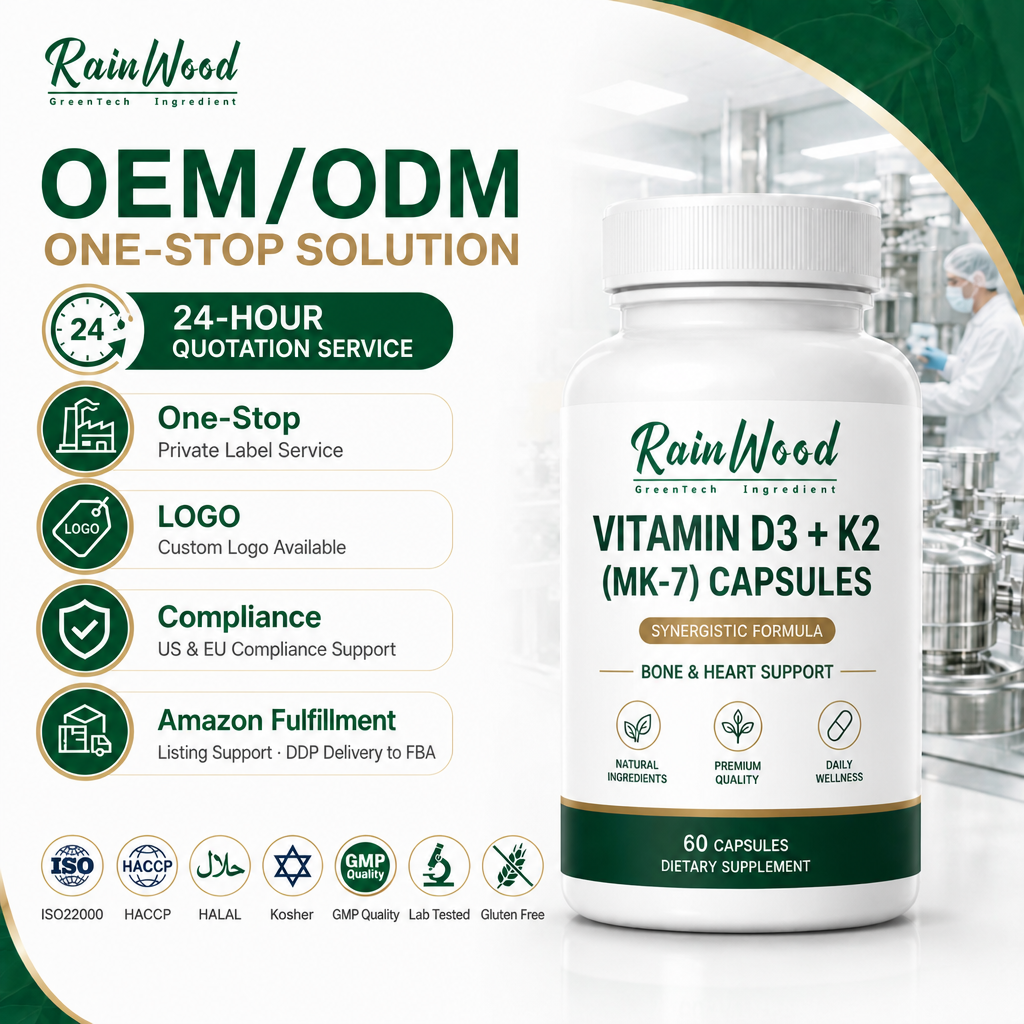
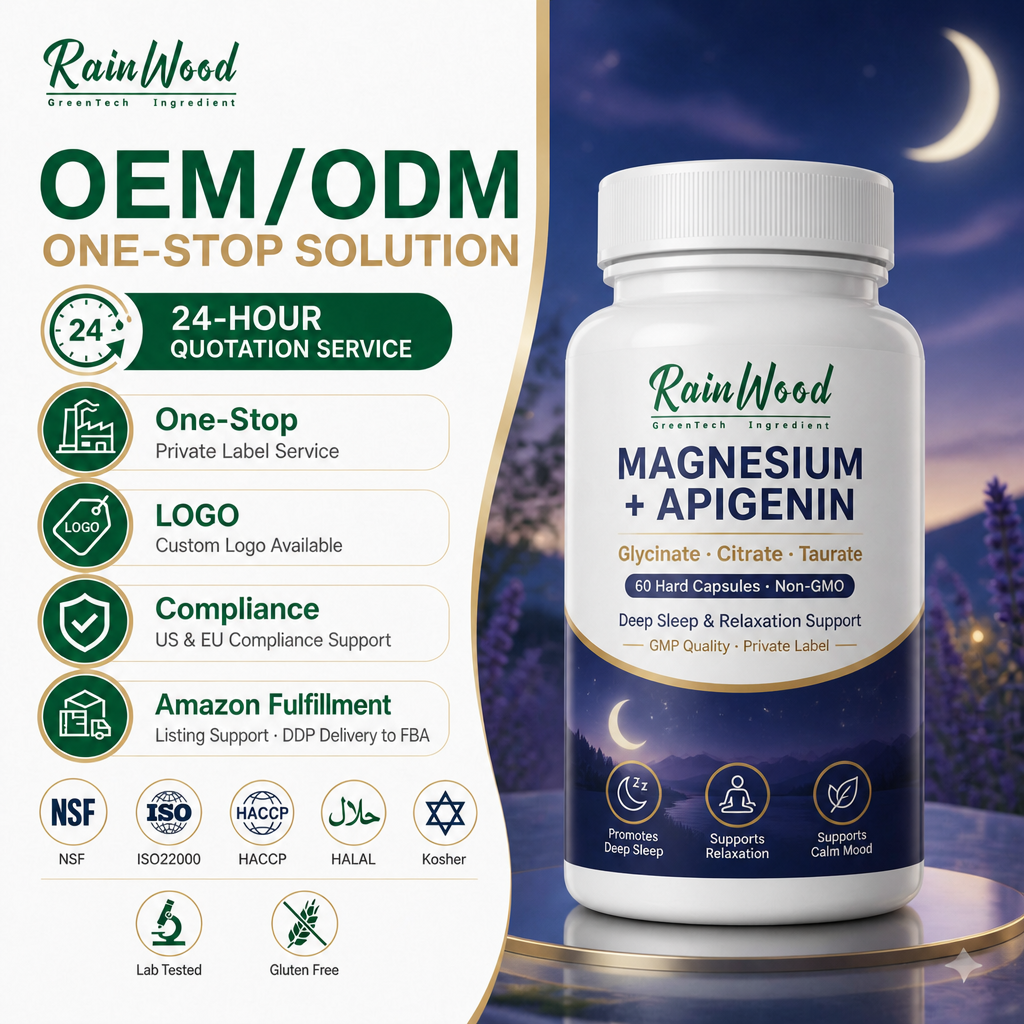
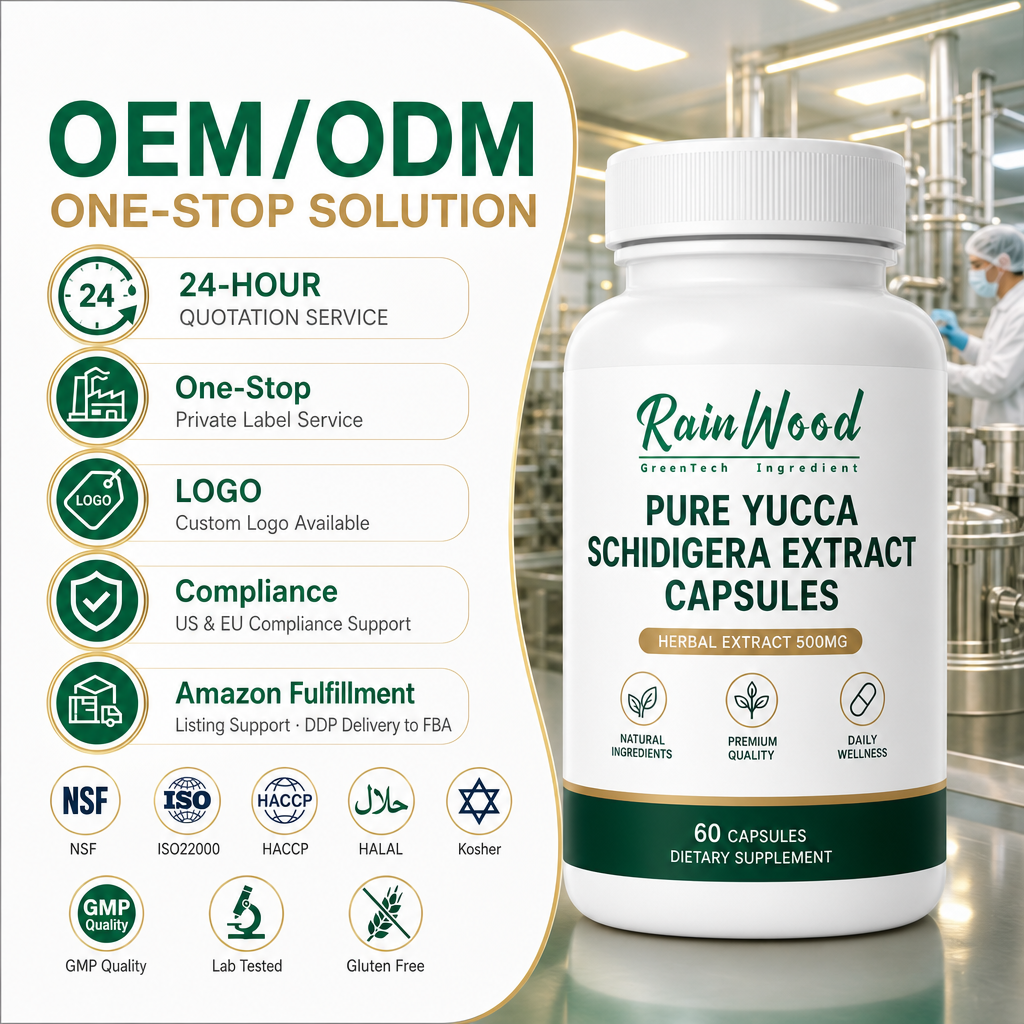
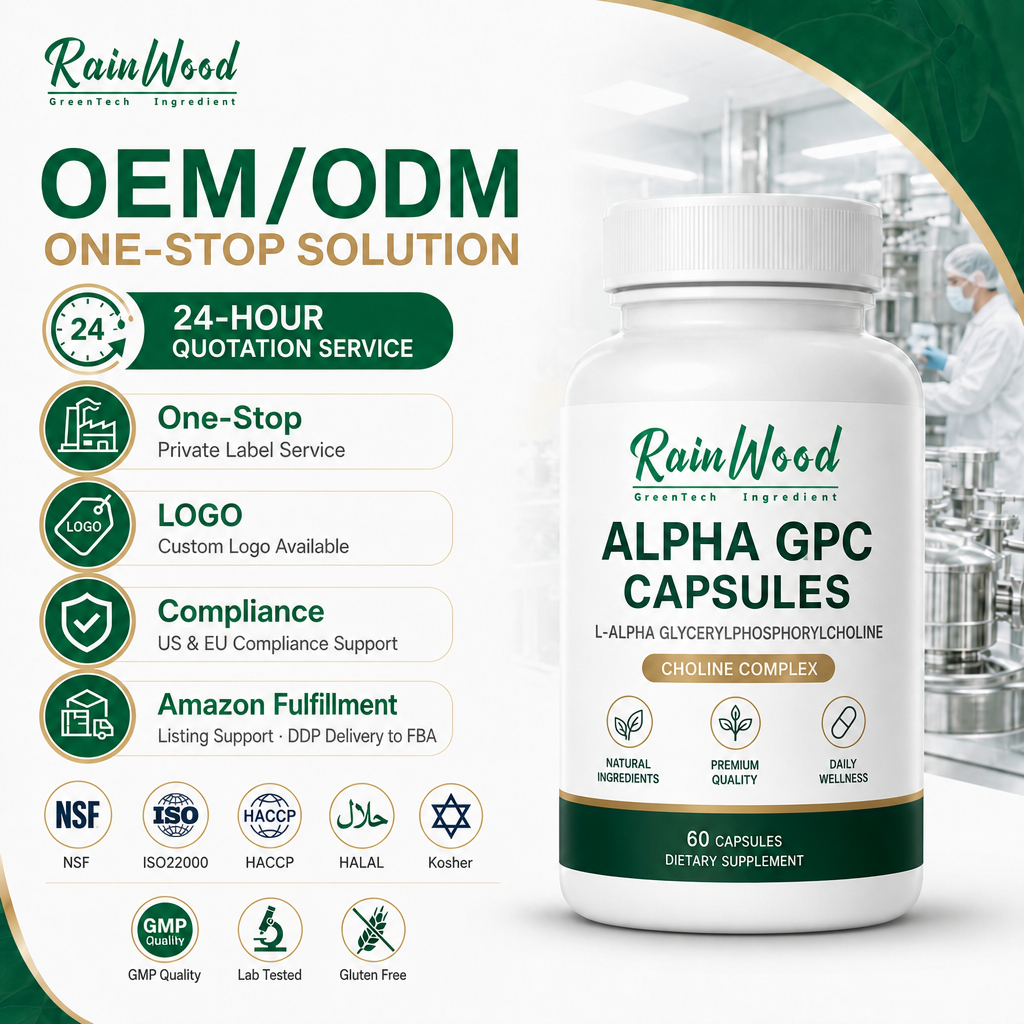
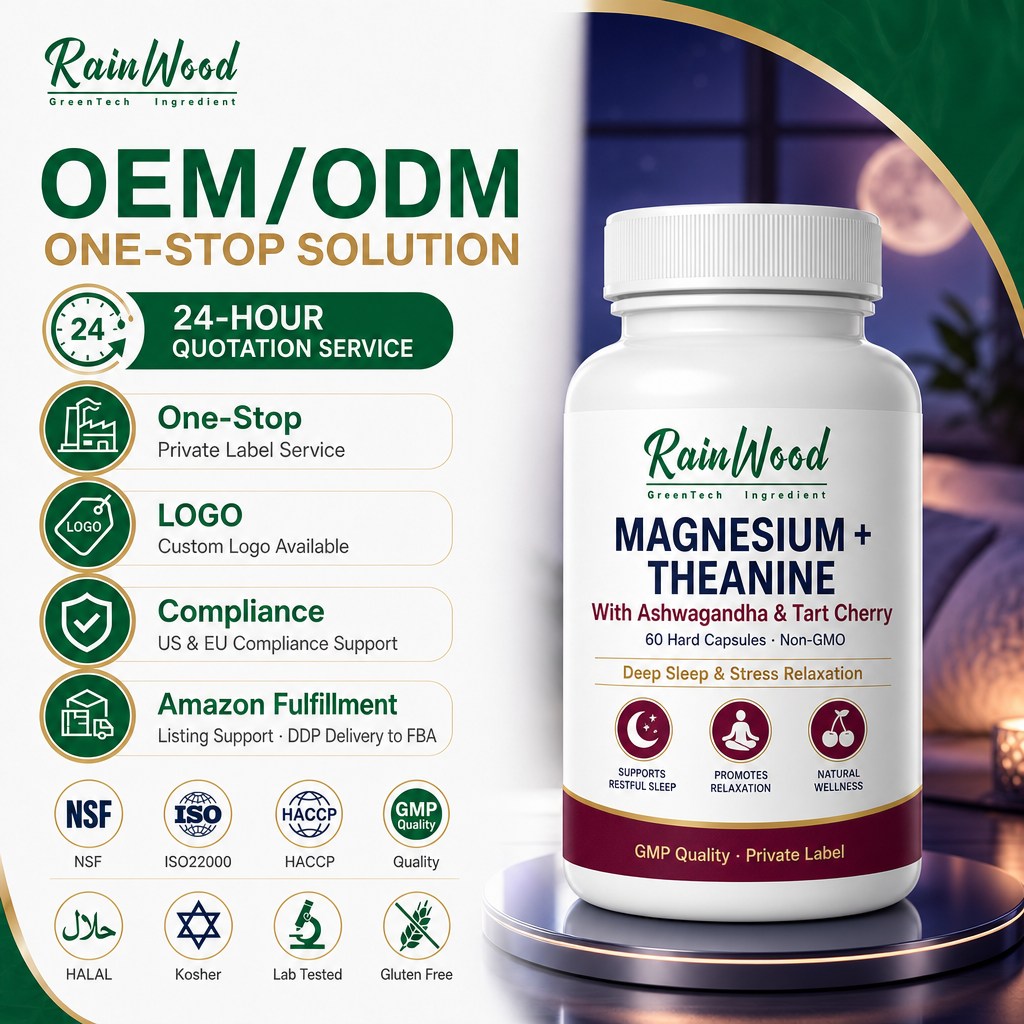
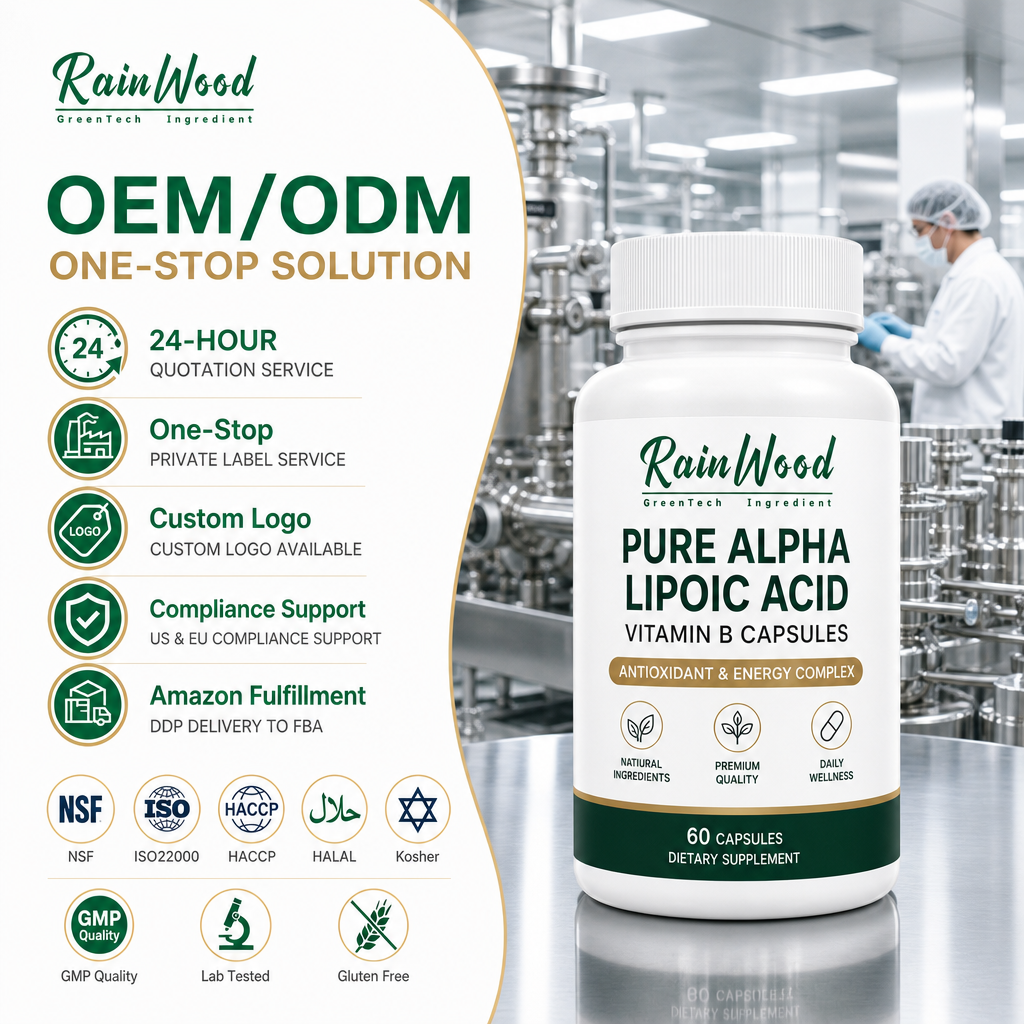
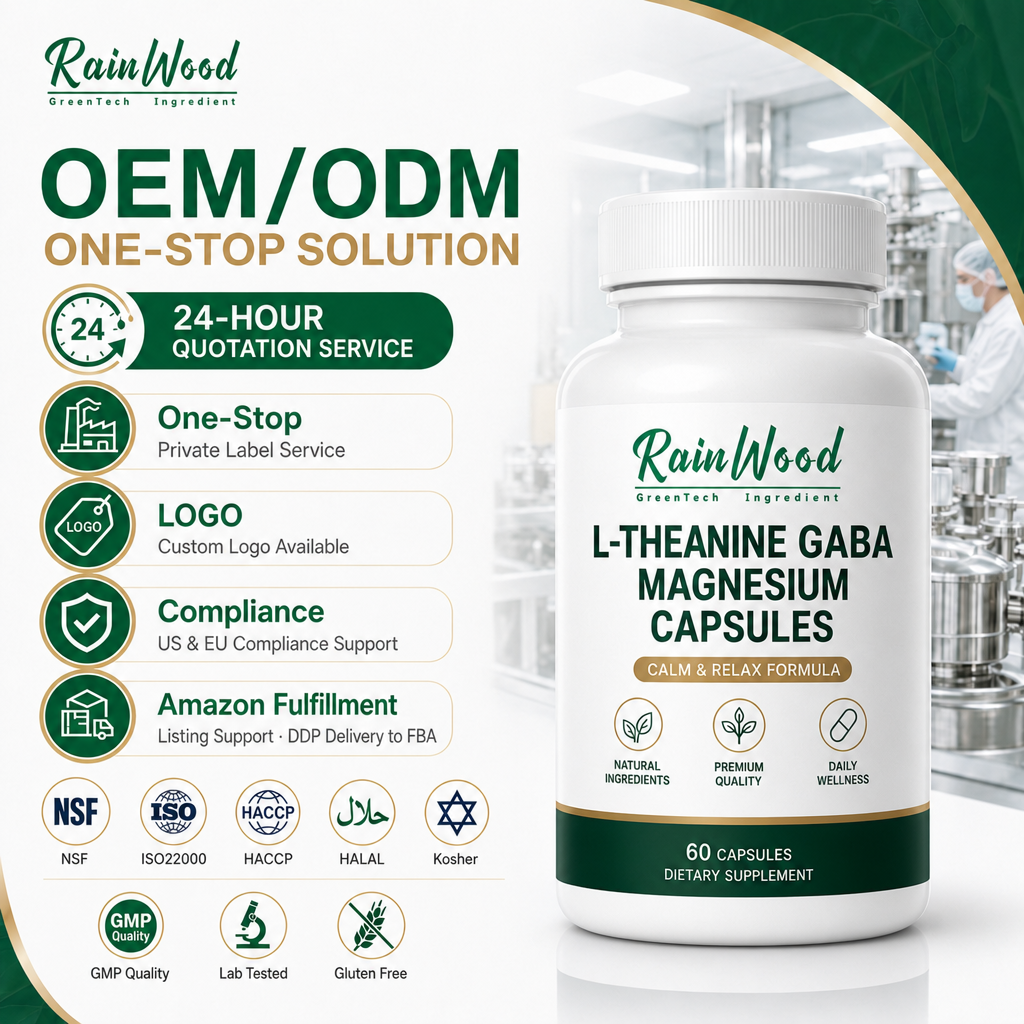
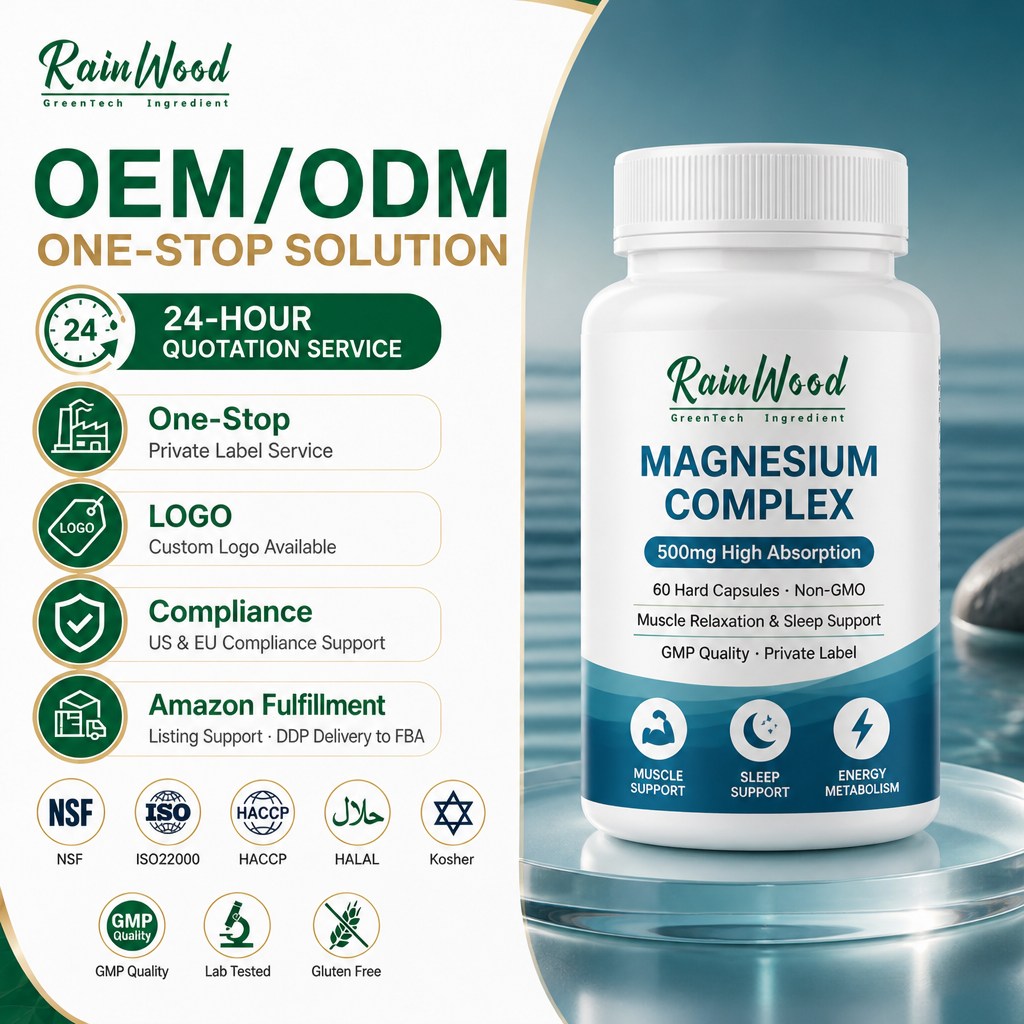
Shaanxi ESNO Biotech: Engineering Botanical Excellence
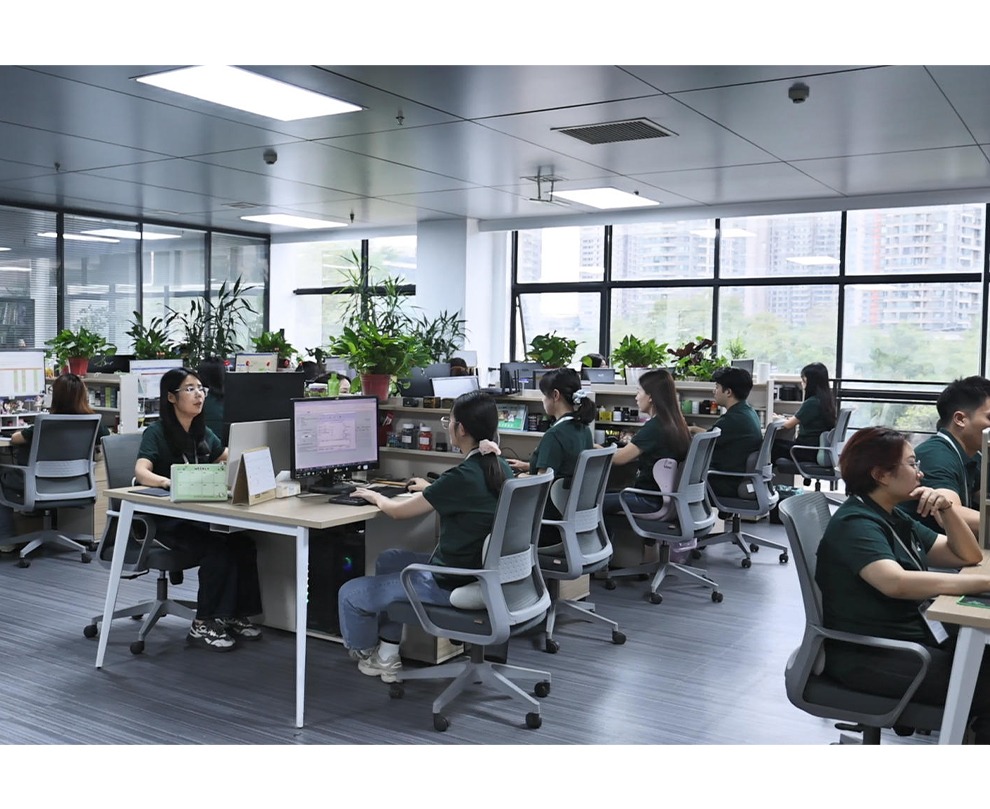
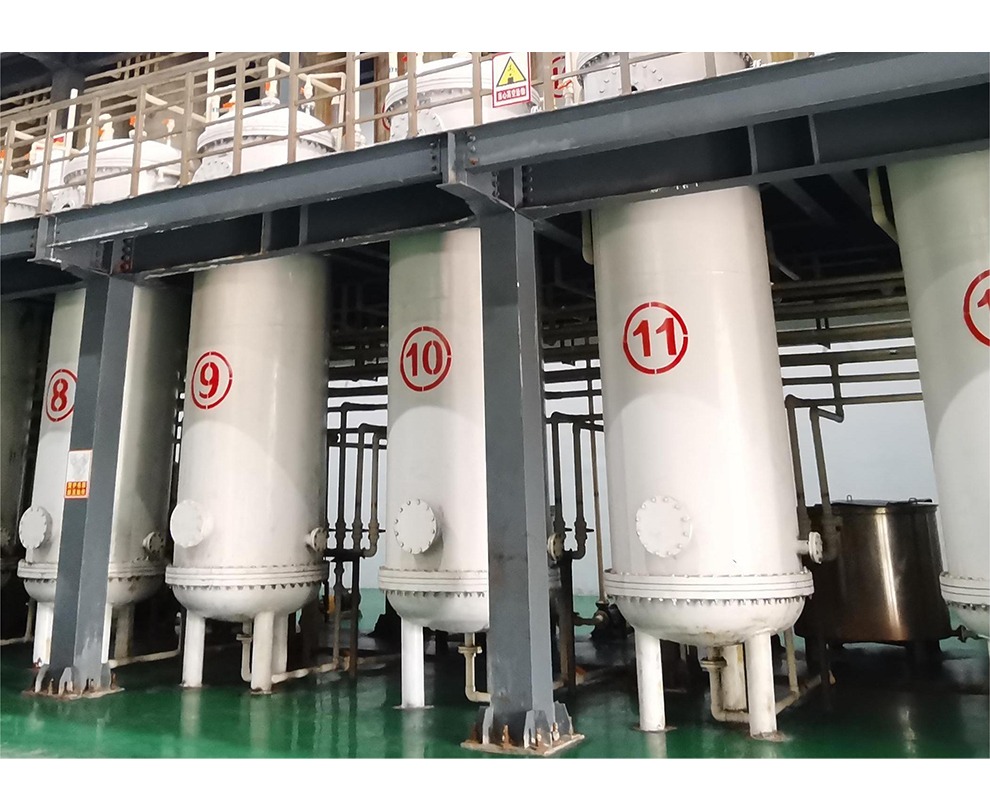
Headquartered in the High-Tech Industrial Development Zone of Xi'an, Shaanxi ESNO Biotech Co., Ltd. operates state-of-the-art botanical extraction workshops, micro-encapsulation lines, and cleanroom dosage formatting facilities audited under NSF 455-2 GMP, ISO 22000, and HACCP standards.
Rigorous International Certifications
Our facility is verified on-site by TÜV Rheinland and adheres to EU/USDA Organic standards, NSF 455-2 Dietary Supplement GMP, and ISO 22000 food safety management. Every technical dossier conforms to EU Pharmacopoeia (Ph. Eur.) and USP specifications.
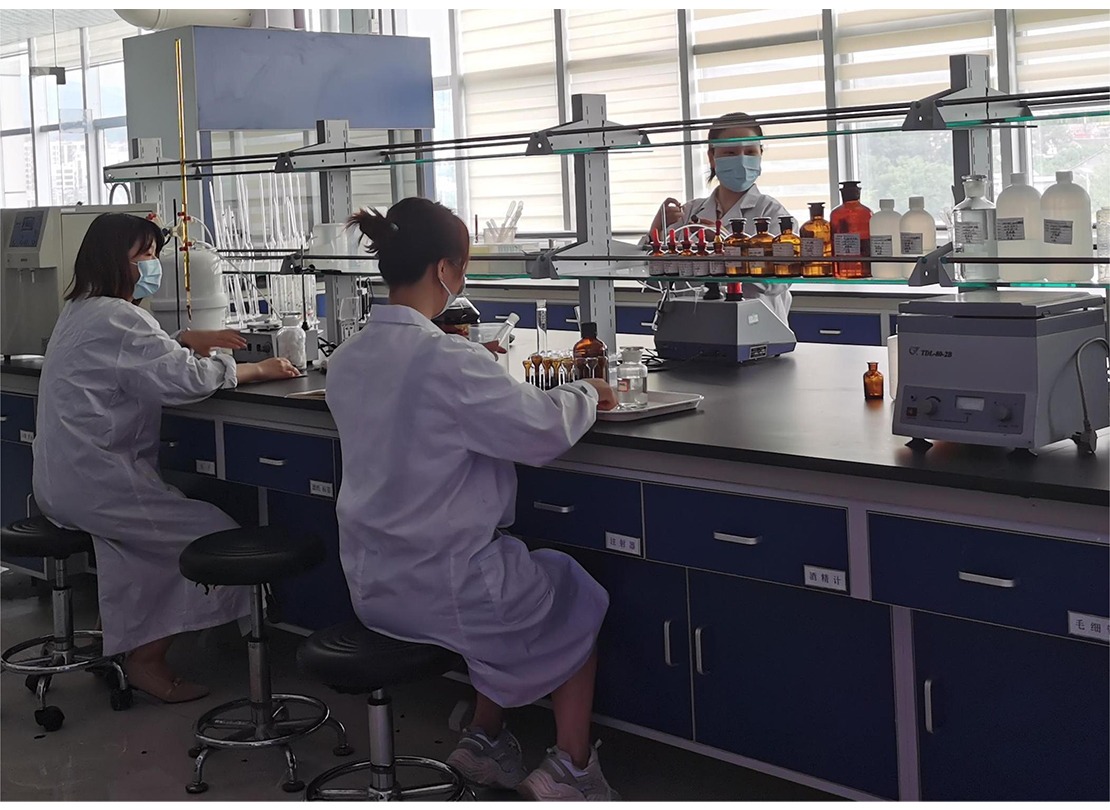
Multi-Tier Chromatographic QC Lab
Equipped with Agilent HPLC-DAD, GC-MS/MS, ICP-MS, and LC-MS systems. We conduct comprehensive screening for heavy metals (lead, cadmium, arsenic, mercury < 0.1 ppm), polycyclic aromatic hydrocarbons (PAH4), ethylene oxide (ETO), and 500+ multi-residue pesticides.
Complete Dossier & Batch Release
Every shipment includes an authenticated Certificate of Analysis (COA), botanical origin declaration, Non-GMO verification, TSE/BSE free statements, and residual solvent reports (compliant with ICH Q3C Option 1 guidelines for Class 1, 2, and 3 solvents).
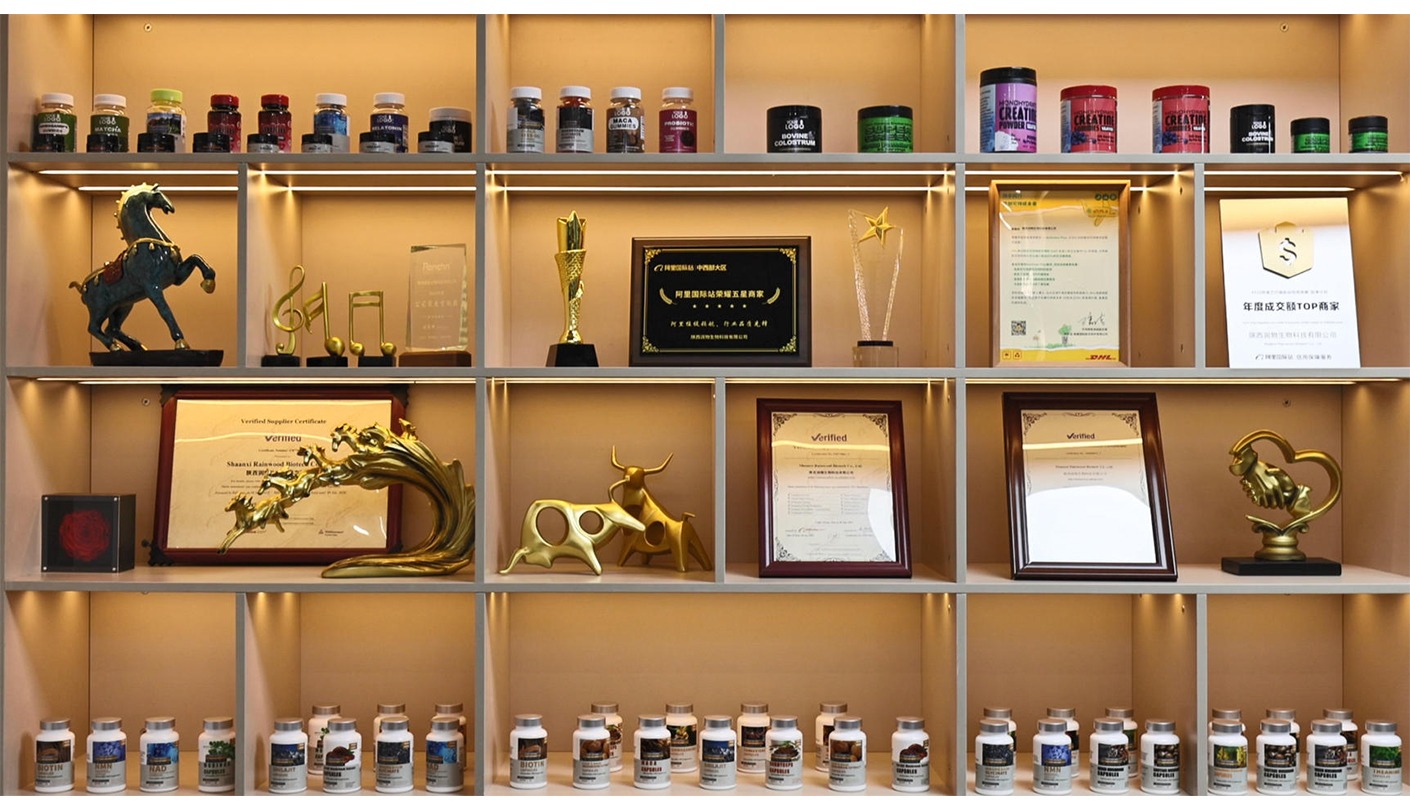
Certified Production Floor & Analytical Testing Infrastructure

Advanced Extraction Engineering: From Raw Biomass to Standardized Concentrates
Concentrated herbal extracts have evolved far beyond basic maceration or aqueous decoctions. Modern pharmaceutical and nutraceutical buyers require standardized, quantifiable active biomarkers—such as steroidal saponins in Yucca schidigera, withanolides in Withania somnifera, and polyphenolic fractions in targeted botanicals. Meeting CE, EU, and global statutory benchmarks demands precision chemical engineering.
| Extraction Technology | Technical Parameters | Primary Phytochemical Yield | Solvent Residue & Thermal Impact |
|---|---|---|---|
| Supercritical Fluid Extraction (SFE-CO2) | Pressure: 15–35 MPa; Temp: 35–45°C; Co-solvent: Pharma ethanol ≤ 5% | Lipophilic actives, sesquiterpenes, phytosterols, essential fatty acids | Zero toxic solvent residues; non-thermal, prevents thermolabile degradation |
| Continuous Countercurrent Ultrasound-Assisted (UACE) | Frequency: 20–40 kHz; Temp: 40–55°C; Multi-stage countercurrent flux | Polyphenols, flavonoids, glycosides, water-soluble alkaloids | Drastically lowers solvent ratio (1:4 vs 1:12); protects thermolabile rings |
| Membrane Separation & Nano-Filtration | Polymeric/ceramic membranes; Cut-off: 200–1000 Da molecular weight | Purified oligosaccharides, concentrated saponins, anthocyanins | Cold physical concentration; preserves natural organoleptic and volatile profiles |
| Low-Temperature Vacuum Spray-Drying | Inlet: 110–130°C; Outlet: 55–65°C; Residence time: 1.5–3.0 seconds | Uniform spherical free-flowing extract powder with maltodextrin/cyclodextrin | Moisture content controlled ≤ 5.0%; minimizes active degradation |
Understanding "CE Certification" in Botanical & Medical Extract Exports
In global trade nomenclature, international procurement managers often cross-reference the term CE Marking when sourcing finished phytotherapeutic dosage forms, medical device formulations (Directive 93/42/EEC & MDR 2017/745 for topical herbal preparations), or nutraceuticals distributed through European pharmacy distribution channels. While raw bulk dietary botanicals fall under European Food Safety Authority (EFSA) food supplement directives (Directive 2002/46/EC), factory infrastructure must hold validated CE conformity for electromagnetic compatibility (EMC) and machinery safety across all automated cleanroom encapsulation and packaging suites.
Shaanxi ESNO Biotech verifies that all manufacturing pipelines comply not only with food safety management (ISO 22000, HACCP) but that all dosing lines, automated blister packaging units, and cleanroom HVAC atmospheric handlers satisfy strict CE regulatory directives for hygienic industrial operation.
Future B2B Procurement Trends in Concentrated Botanical Extracts
As brand owners navigate stricter regulatory scrutiny, evolving consumer transparency demands, and supply chain volatility, strategic procurement in 2025–2030 is defined by four core transformations.
1. Shift from Ratio Extracts to Standardized Marker Assays
The commercial era of vague "10:1" or "20:1" extract claims is diminishing rapidly. European and North American regulators now demand quantifiable biomarker validation via validated HPLC/UPLC or GC assays. Enterprise buyers are shifting purchase orders exclusively to manufacturers capable of demonstrating guaranteed percentage retention (e.g., 50% saponins, 5% withanolides, or 98% apigenin) supported by inter-laboratory round-robin validations.
2. Stringent Ethylene Oxide (ETO) & PAH4 Ceilings
Following the European Union Rapid Alert System for Food and Feed (RASFF) alerts on ETO contamination, tier-1 brand purchasers enforce a zero-tolerance policy on ethylene oxide sterilization. Furthermore, Polycyclic Aromatic Hydrocarbons (Benzo[a]pyrene and the sum of Benzo[a]pyrene, Chrysene, Benzo[b]fluoranthene, and Benzo[a]anthracene) are strictly constrained below 10 μg/kg. Modern factories must utilize irradiation-free, clean steam or supercritical thermal sterilization.
3. DNA Barcoding & Geographic Traceability
Combating adulteration and economic substitution in botanicals requires genetic-level verification. Major retail chains and contract buyers now expect DNA Sanger sequencing or metabarcoding certificates verifying taxonomic species purity at harvest. This is paired with geographic source mapping to satisfy ESG frameworks and anti-deforestation due diligence compliance across the European supply chain.
4. Synergistic Multi-Active Compounding
Single-ingredient supplements are losing shelf dominance to synergistic complexes that cross biological pathways. Formulas pairing botanical extracts with chelated minerals and amino acids (e.g., Magnesium Glycinate + Tart Cherry + Ashwagandha for neuro-muscular homeostasis) demand advanced blending homogeneity techniques, preventing phase separation, cross-crystallization, and hygroscopic clumping during shelf-life.
5. Microencapsulation & Bioavailability Enhancements
Phytochemicals with poor lipophilic absorption or short half-lives (such as apigenin, lipoic acid, or curcuminoids) are now routinely reformulated with liposomal delivery systems, phytosomes, or self-emulsifying drug delivery systems (SEDDS). OEM factories offering micro-granulation and beadlet technologies secure clear competitive preference in B2B bidding.
6. Clean-Label Vegan Dosage Vectors
Bovine and porcine gelatin shells are steadily being replaced by plant-derived hypromellose (HPMC) and pullulan capsules derived from naturally fermented tapioca. Formulators must also eliminate artificial lubricants like magnesium stearate, substituting them with micronized rice hulls or silica derived from bamboo extract without impacting high-speed capsule filling speeds.
B2B Herbal Extract Supplier Qualification Matrix
Before releasing down payments or validating tech transfers, professional procurement officers must execute a systematic audit against standard factory control criteria:
| Audit Dimension | Critical Control Points (CCP) | Acceptance Criteria / Global Standard | ESNO Biotech Verification |
|---|---|---|---|
| Identity & Assay Purity | Raw material botanical confirmation vs target species | TLC/HPTLC fingerprinting; HPLC active biomarker assay match ≥ 98%–102% of claim | Dual-system HPLC-DAD testing on every lot before blending release |
| Pesticide Residue Limits | Screening for organophosphates, pyrethroids, organochlorines | Complies with Ph. Eur. 2.8.13 (residual pesticides < defined LOQ, < 0.01 mg/kg) | Third-party validated GC-MS/MS & LC-MS/MS multi-residue panels |
| Heavy Metal Limits | Lead (Pb), Arsenic (As), Cadmium (Cd), Mercury (Hg) | Pb ≤ 3.0 ppm; Cd ≤ 1.0 ppm; Hg ≤ 0.1 ppm; As ≤ 1.0 ppm (EU 1881/2006) | ICP-MS spectrometry verification for all botanical raw powders |
| Microbiological Bioburden | Total Aerobic Microbial Count (TAMC), Yeast/Molds, Pathogens | TAMC ≤ 10,000 CFU/g; TYMC ≤ 100 CFU/g; Absence of Salmonella, E. coli, S. aureus | Class 100 laminar flow biosafety cabinet testing with 5-day incubator incubation |
| Residual Solvents | Solvent removal post precipitation / washing | ICH Guideline Q3C (Ethanol ≤ 5,000 ppm; Ethyl Acetate ≤ 5,000 ppm; Methanol ≤ 3,000 ppm) | Headspace Gas Chromatography (HS-GC) batch documentation |
B2B Procurement & Manufacturing FAQ
Direct answers to the most common queries raised by international buyers, formulators, and supply chain managers.
How does ESNO Biotech guarantee that concentrated extracts are free from chemical adulteration?
We employ High-Performance Thin-Layer Chromatography (HPTLC) fingerprinting paired with liquid chromatography-mass spectrometry (LC-MS) to compare extract spectral profiles against certified reference materials from European and Chinese Pharmacopoeias. This eliminates risks of synthetic spike-ins (such as synthetic caffeine in botanical stimulants or synthetic steroids in saponin extracts).
What are your Minimum Order Quantities (MOQs) for custom botanical formulations?
For established standard formulations packaged in bulk capsules or stock bottles, our private label MOQs start as low as 100 to 500 units. For fully bespoke custom formulations requiring pilot granulations, custom tooling, or tailored color-matched vegetarian capsules, our typical production threshold begins at 1,000 to 2,000 units, providing accessible trial conditions for emerging nutraceutical brands.
Can you assist our brand with regulatory dossier submission in the European Union or United States?
Yes. Our dedicated international regulatory compliance team provides full export technical files, including Stability Studies (accelerated at 40°C ± 2°C / 75% RH ± 5% RH and long-term at 25°C ± 2°C / 60% RH), Manufacturing Process Flowcharts, Process Validation Protocols, BSE/TSE Free Statements, Non-Irradiation Certificates, and Packaging Migration Compliance Declarations.
What shelf-life guarantees do your finished herbal extract capsules and formulations carry?
All standardized extract capsules are manufactured with a baseline 24 to 36-month shelf-life depending on active sensitivity. We utilize pharmaceutical-grade induction-sealed HDPE/PET bottles or moisture-barrier Alu-PVC blister strips containing food-grade desiccant packets to ensure physical and chemical stability against hydrolytic and oxidative degradation.
What extraction solvents are utilized in your workshops, and how is residue monitored?
We prioritize supercritical carbon dioxide (CO2) and pure USP-grade ethanol/water solvent systems. Toxic Class 1 solvents (such as benzene, carbon tetrachloride, or 1,2-dichloroethane) are completely prohibited in our processing plants. Class 2 and Class 3 solvent residues are exhaustively vacuum-stripped and verified below ICH Q3C limits via Headspace Gas Chromatography.
Accelerate Your Botanical Brand with a Certified Partner
From custom formulation pilot trials to large-scale export batches under NSF 455-2 GMP protocols, collaborate directly with our engineering specialists. Receive feasibility reviews, regulatory dossiers, and competitive volume pricing within 24 hours.