ISO 22000 & NSF GMP Verified Phytochemical Processing
CE Certified Liquid Plant Extract Factories & Factory
Precision Hydro-Ethanolic Extraction, Supercritical CO₂ Fractionation, and Custom Formulation Ready for Global Regulatory Audit and Scaled Contract Packaging.
Validated Batch Library
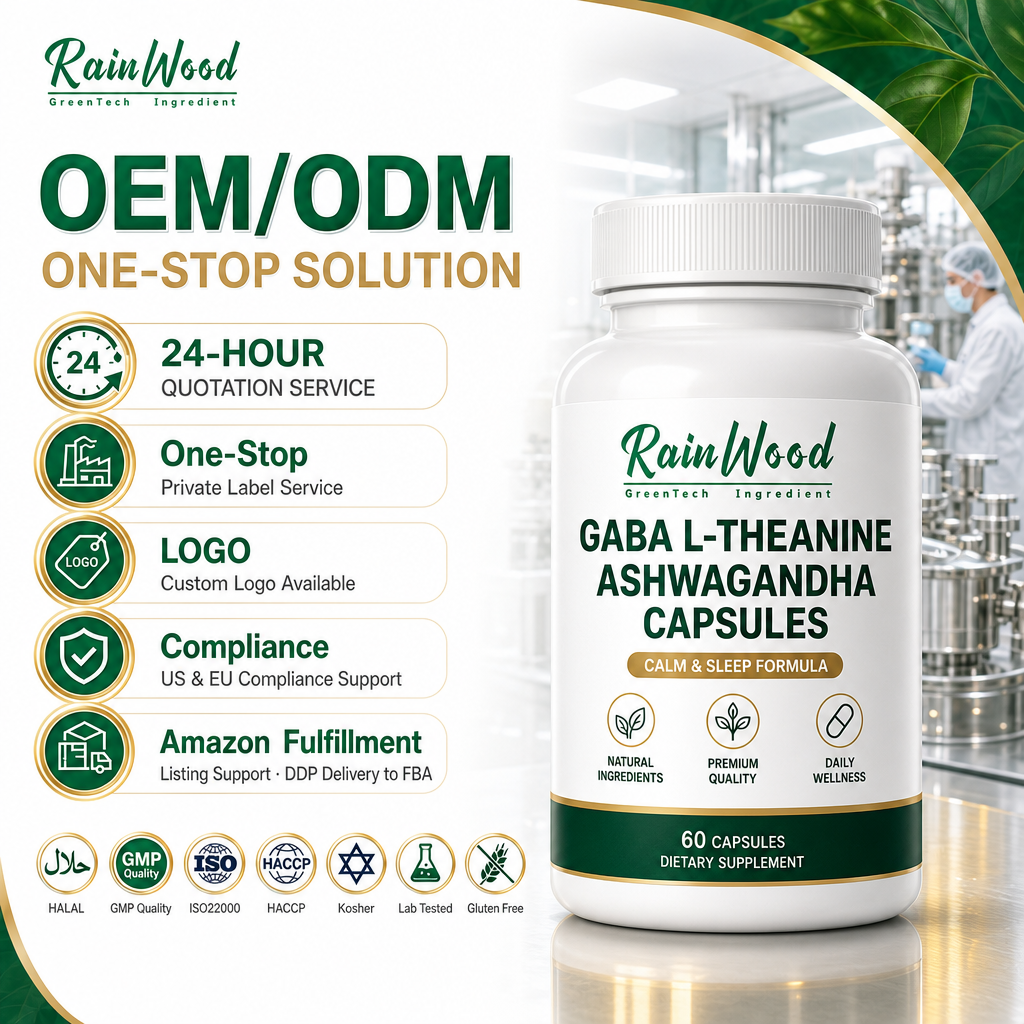
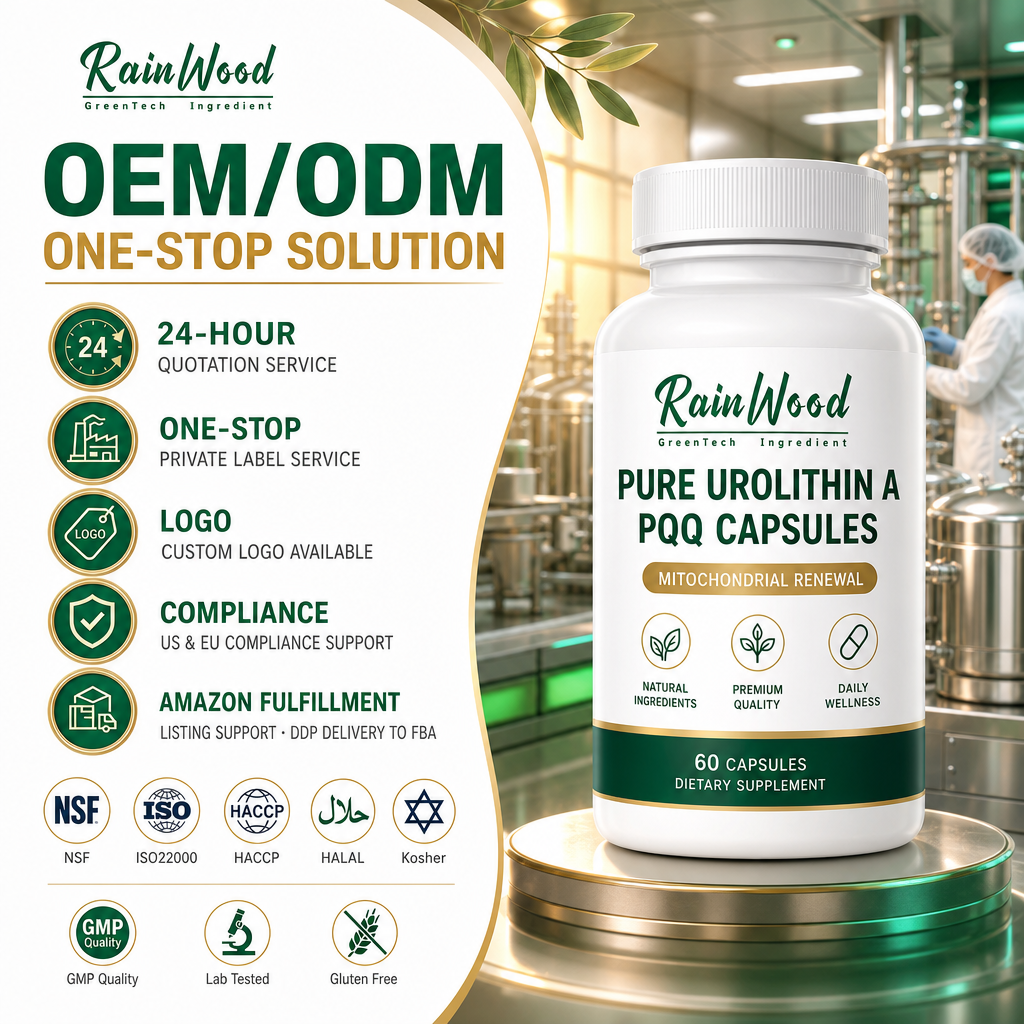
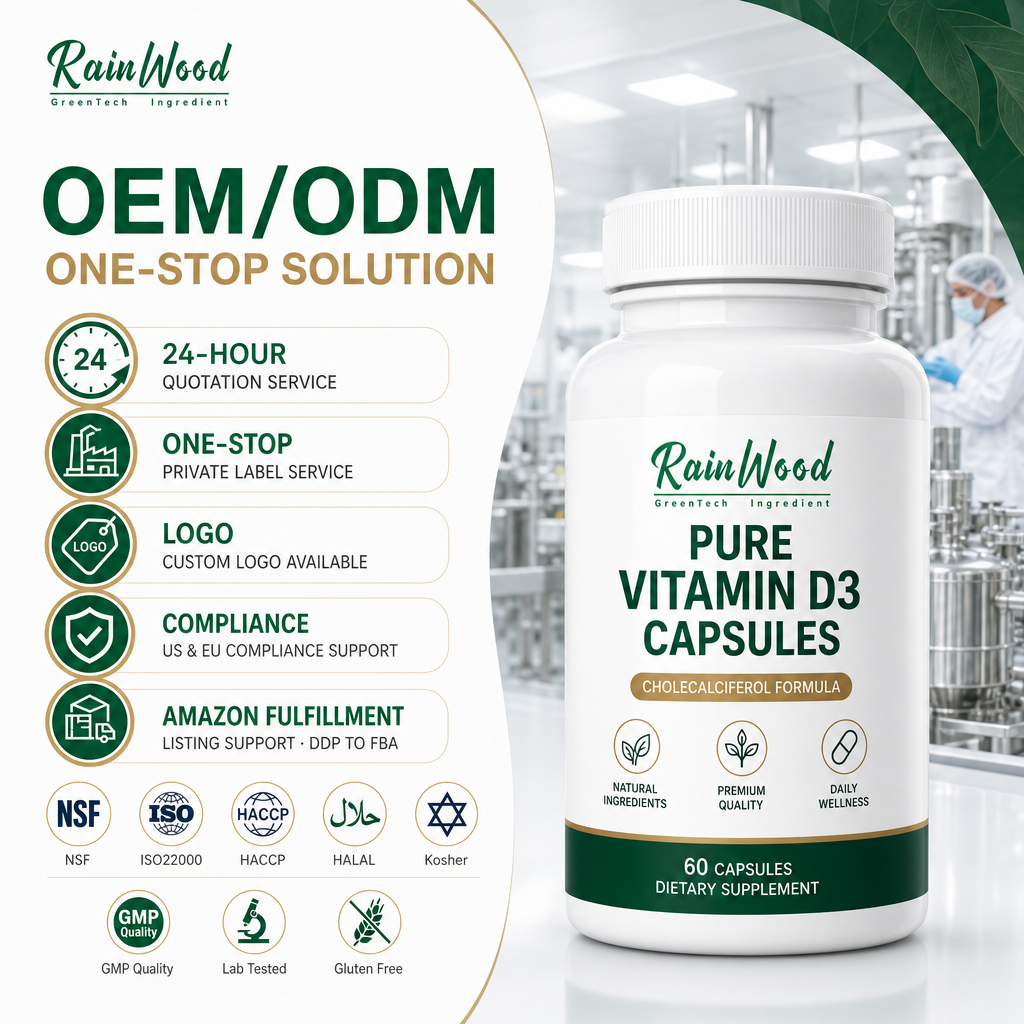
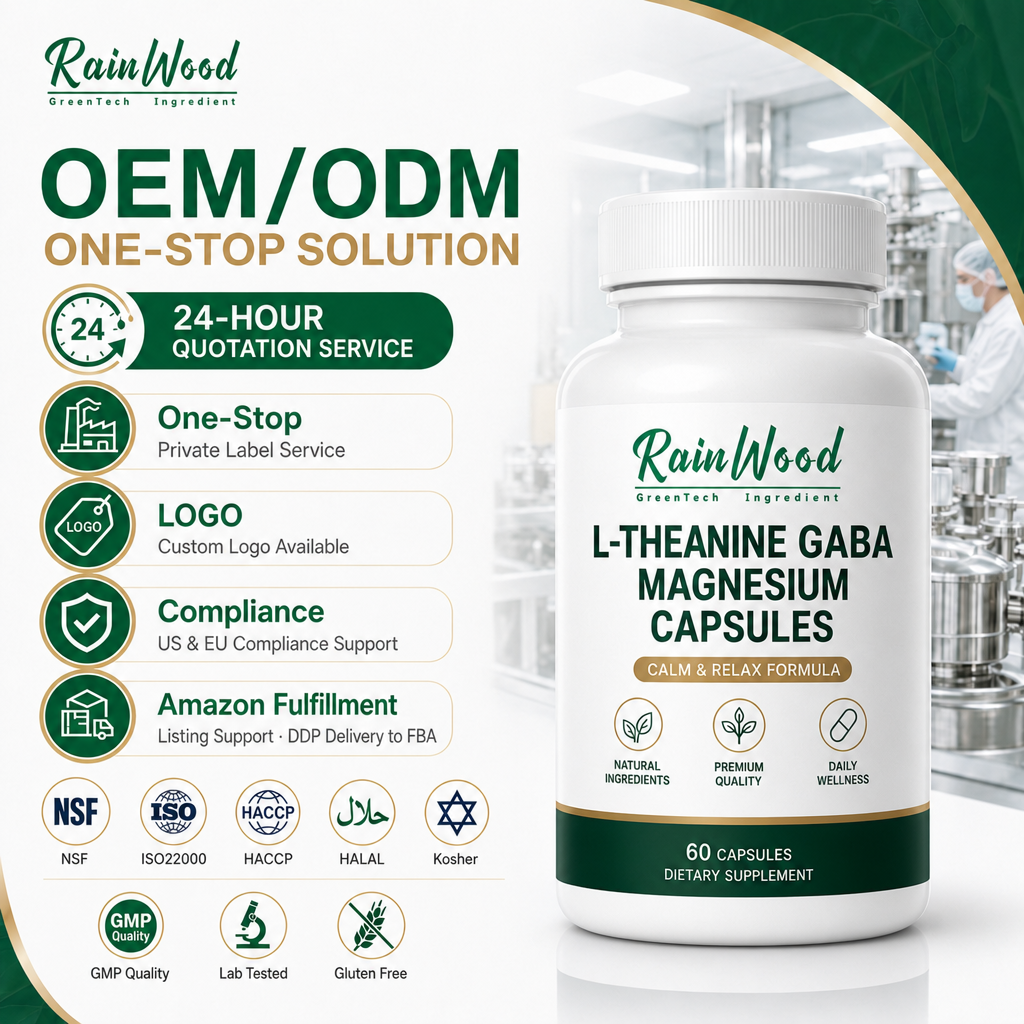
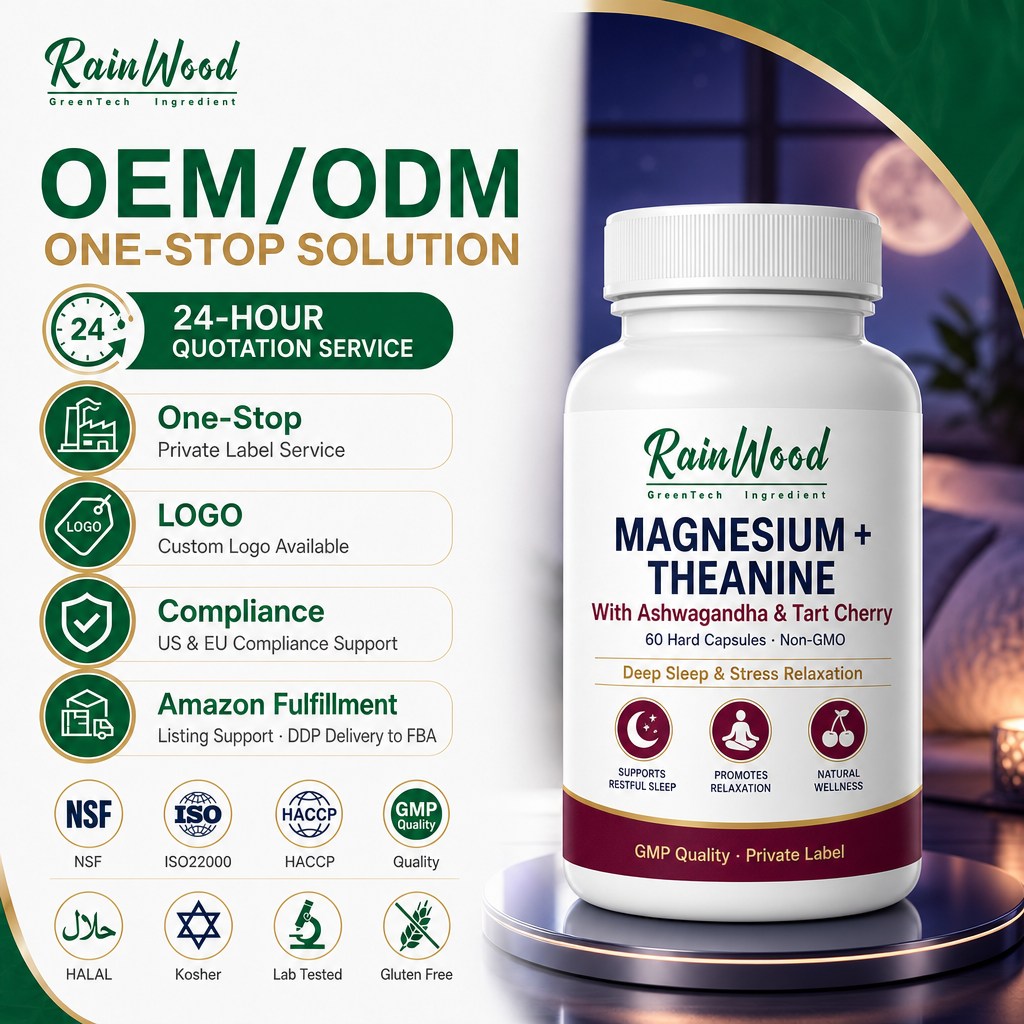
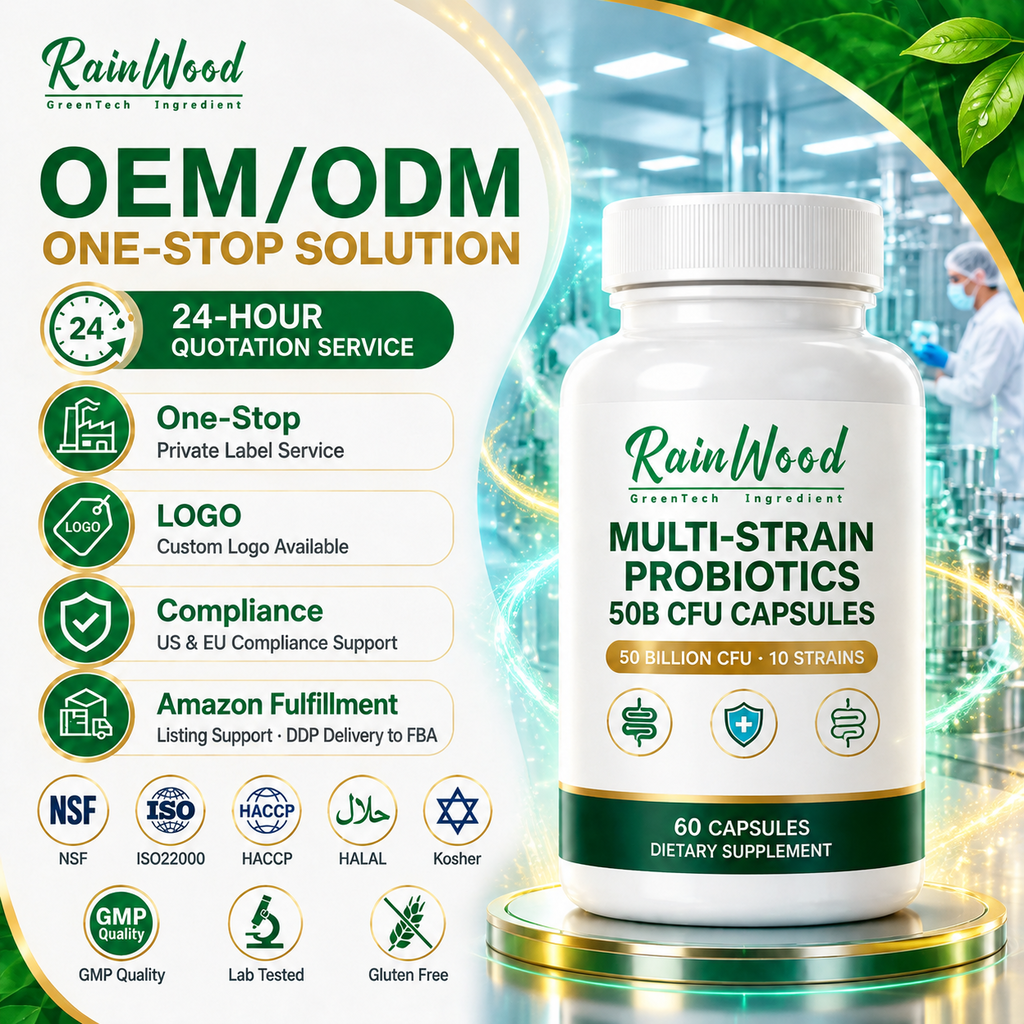
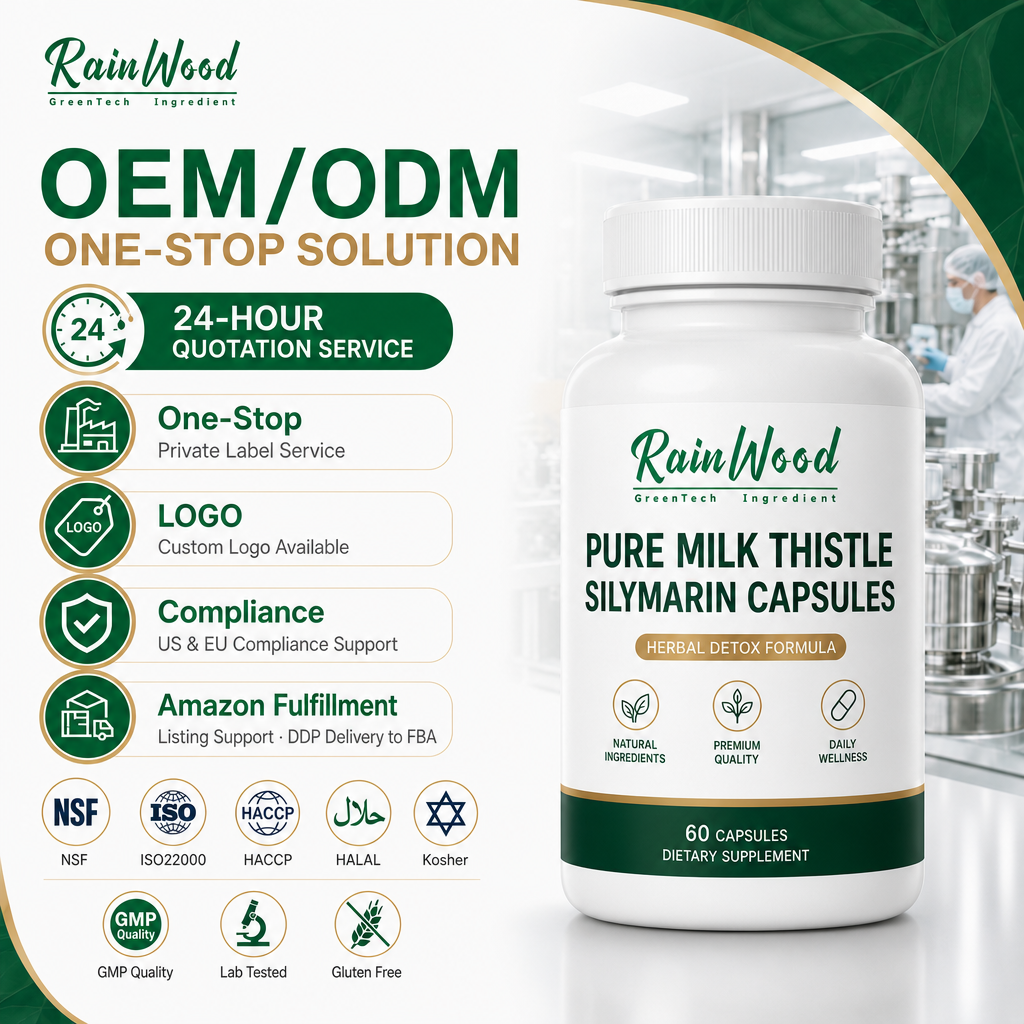
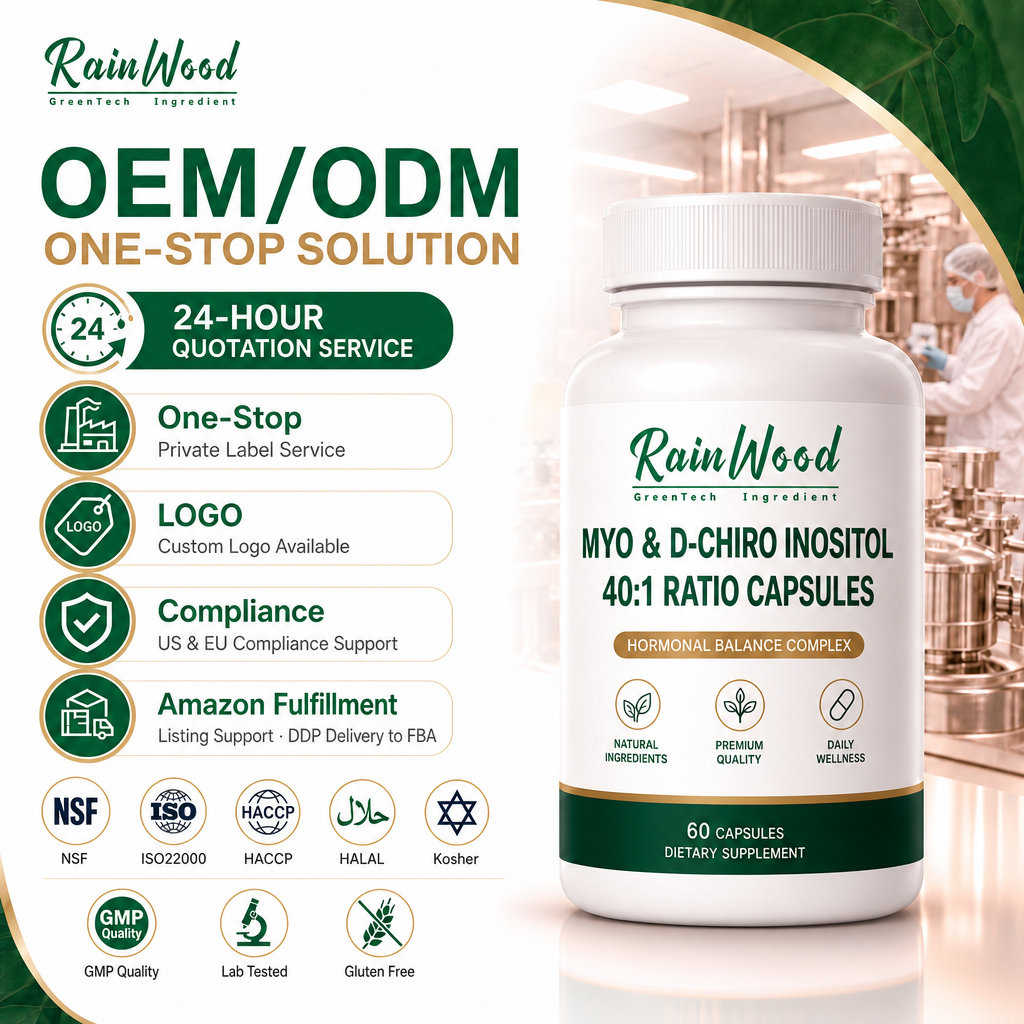
Commercial Ready OEM Formulations & Finished Delivery Systems
Explore high-bioavailability standardized formulations manufactured under audited cleanroom conditions, fully compatible with private label brand architecture.
Engineering Botanical Liquids: Extraction Thermodynamics, Standardization & European Compliance Architecture
In the procurement of liquid plant extracts, discerning technical teams prioritize parameter stabilization over simple concentration ratios. An unstandardized botanical liquid typically undergoes enzymatic decomposition and polyphenol degradation within months of packaging. At Shaanxi ESNO Biotech Co., Ltd., our manufacturing protocol enforces a strict molecular recovery methodology designed to preserve active marker yields across temperature, solvent polarity, and filtration vectors.
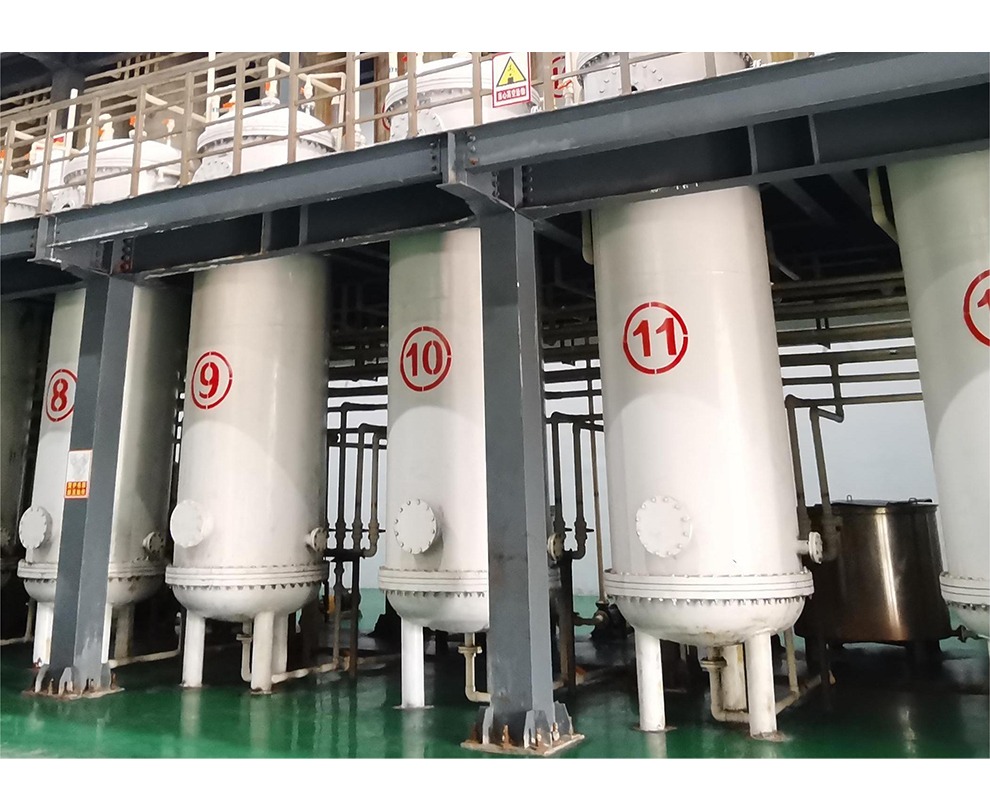
Key Audit Standard: The integration of CE certification into plant extract equipment protocols confirms that pressurized extraction columns, flash concentrators, and aseptic filling loops operate strictly under EU Machinery Directive 2006/42/EC and Pressure Equipment Directive 2014/68/EU. This ensures contamination-free processing without trace metal leaching.
Liquid extract manufacture relies on precise solid-liquid phase equilibrium. Whether extracting water-soluble glycyrrhizic acid from licorice root or terpene lactones from Ginkgo biloba, botanical tissue permeability depends heavily on three variables:
Dynamic Polarity Tuning
Utilizing multi-stage vacuum ethanolic reflux allows automated modulation of ethanol concentration from 15% to 95%, maximizing target flavonoid yield while excluding excessive ballast resins.
Low-Thermal Preservation
Our falling-film evaporators concentrate sensitive phyto-compounds at temperatures strictly under 45°C. This prevents the Maillard reactions and thermal isomer degradation common in conventional boiling pans.
Sub-Micron Membrane Clarification
Post-extraction purification integrates ceramic ultrafiltration (cutoff thresholds down to 0.05 μm) to strip insoluble starches and bacteria without stripping active secondary metabolites.
Information Gain: The Heavy Metal & PAHs Compliance Thresholds
European Commission Regulation (EU) 2023/915 establishes strict limits on Polycyclic Aromatic Hydrocarbons (PAHs), heavy metals (Lead ≤ 3.0 mg/kg, Cadmium ≤ 1.0 mg/kg, Mercury ≤ 0.10 mg/kg), and residual solvents in botanical extracts. Every ESNO extraction batch undergoes Inductively Coupled Plasma Mass Spectrometry (ICP-MS) and GC-MS/MS verification prior to containerizing, ensuring smooth customs processing without the port rejections that often impact lower-tier suppliers.
Market Intelligence
Emerging Procurement Trends in Liquid Botanical Extractions
Strategic purchasing departments are actively adapting sourcing specifications to address shifting regulatory frameworks, sustainability guidelines, and consumer delivery preferences.
Trend 01
Solvent-Free Ultrasonic & CO₂ Fractionation
Global brands are phasing out traditional petroleum-derived hexane matrices. Clean extraction technologies utilizing supercritical carbon dioxide and green hydro-ethanolic extraction now dominate Tier-1 RFP documentation.
Trend 02
Glycerin & Liposomal Liquid Formats
Consumers are moving away from traditional high-proof alcohol tinctures. There is rapid volume growth in vegetable glycerin carriers and phospholipid liposomal emulsions, designed to deliver shelf-stable actives that dissolve easily in water.
Trend 03
Full-Spectrum Phytochemical Fingerprinting
Simple 10:1 or 20:1 concentration claims are no longer sufficient. Importers now require High-Performance Thin-Layer Chromatography (HPTLC) fingerprinting to confirm natural botanical identity and prevent intentional adulteration with synthetic actives.
Trend 04
Ready-to-Drink Multi-Actives
Single-herb tinctures are transitioning into multi-pathway botanical formulas. Today's commercial blends combine standardized adaptogens (such as Ashwagandha and Rhodiola) with functional minerals, packaged in calibrated dropper bottles or single-dose stick packs.
Audited Infrastructure
Verified In-House Facilities & Modern Cleanrooms
Operating from Xi'an High-Tech Zone, Shaanxi ESNO Biotech Co., Ltd. manages integrated extraction, compounding, encapsulation, and packaging infrastructure verified by TÜV Rheinland.
Class 100,000 Clean Workshops
Positive-pressure HVAC air filtration, strict particulate control, and CIP automated stainless piping maintain an aseptic environment across all extraction lines.
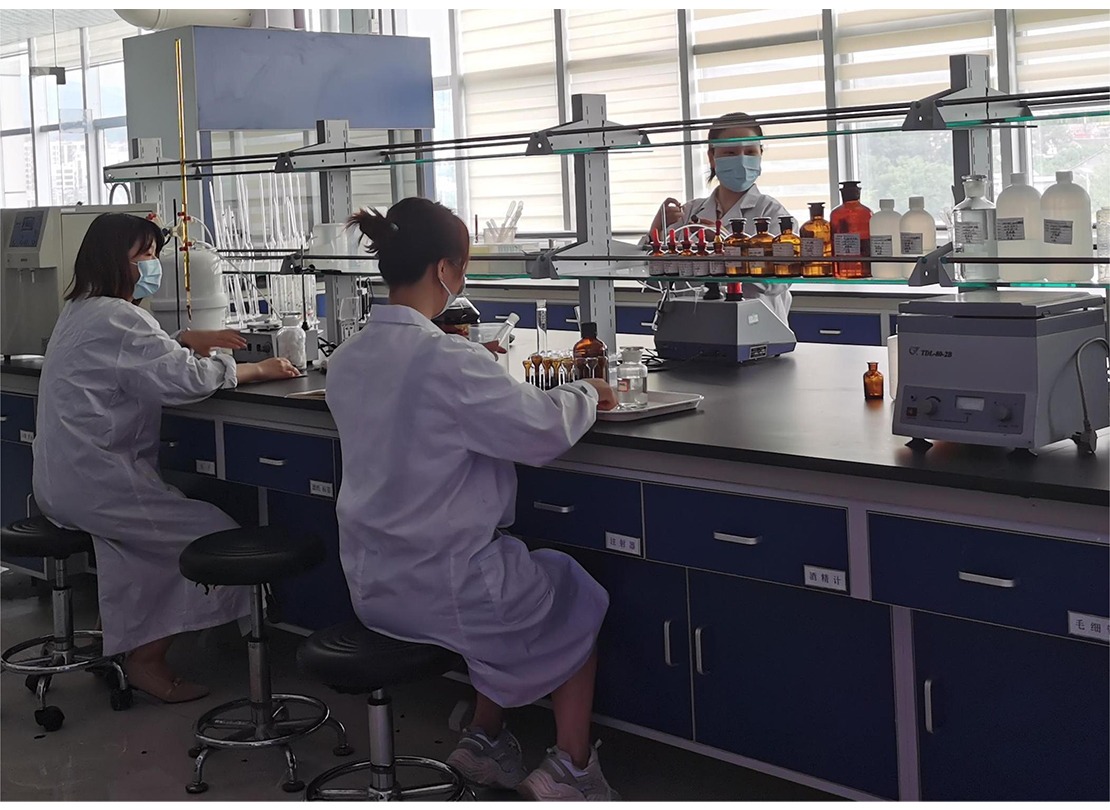
In-House Analytical Testing Lab
Equipped with HPLC, UV-Vis, moisture titrators, and microbiological incubators to ensure every batch aligns with approved pre-production specifications.
Multi-Format Automated Packaging
From amber glass dropper bottles with tamper-evident seals to sachet stick packs, our lines deliver finished, brand-ready products directly to your distribution center.
Procurement Due Diligence
Frequently Asked Questions on Plant Extract Sourcing
Direct technical answers to common questions raised by brand owners, compliance teams, and import coordinators.
What specific quality documentation accompanies each batch of liquid plant extract?
Every production lot is released alongside a detailed, batch-specific Certificate of Analysis (COA). This document covers identity verification (via HPLC, TLC, or UV-Vis), active marker assay percentages, microbiological profiles (Total Plate Count, Yeast & Mold, E. coli, Salmonella), heavy metals (Pb, As, Cd, Hg tested via ICP-MS), residual solvent screens, and physical properties (density, refractive index, pH value). We also provide full technical dossiers, allergen statements, Non-GMO declarations, and BSE/TSE statements for customs clearance and regulatory dossiers.
What do CE markings on extraction machinery mean for dietary supplement safety?
CE markings on industrial botanical machinery confirm compliance with European safety, environmental, and hygiene directives (notably the Pressure Equipment Directive 2014/68/EU and Machinery Directive 2006/42/EC). For liquid plant extracts, this ensures equipment uses food-grade AISI 316L stainless steel contact surfaces, certified pressure welds that prevent cooling-water or heat-transfer fluid contamination, and fully automatable Clean-in-Place (CIP) systems that stop cross-contamination between production runs.
What are the minimum order quantities (MOQ) for custom vs. catalog formulas?
To support high-growth brands and new product trials, our catalog liquid solutions and hard capsules start with flexible baseline MOQs as low as 100 to 500 units for standard stock packaging. Fully custom formulations involving rare botanical raw materials, unique carrier blends, or proprietary dropper tooling typically carry an initial minimum order quantity of 1,000 to 2,000 units. Bulk liquid extract drums (25 kg to 200 kg) are also available for secondary processors.
How does your factory maintain batch-to-batch consistency with natural botanicals?
Seasonal changes and harvest conditions naturally cause variations in raw botanical markers. We counter this using standardized raw material sourcing from verified agricultural origins, coupled with quantitative blending protocols. Rather than simply diluting crude extracts, our analytical team maps the incoming polyphenol or glycoside ratios, calibrating dynamic extraction concentration runs to yield a uniform, standardized active percentage that aligns with your product label across every delivery.
Can you support Amazon compliance, FDA labeling, and EU novel food verifications?
Yes. Our regulatory services team has extensive experience supporting Amazon dietary supplement compliance requirements, including ISO/IEC 17025 accredited third-party testing coordination. We review ingredient nomenclature, Supplement/Nutrition Facts panels, structural function claims, allergen callouts, and ensure formulations avoid prohibited substances or unapproved EU Novel Foods, helping protect your brand from sudden retail suspensions.
Accelerate Your Botanical Line with an Audited Factory Partner
Connect with our engineering and procurement team for formula optimization, pilot testing, and complete compliance documentation.