Metabolic Endocrine
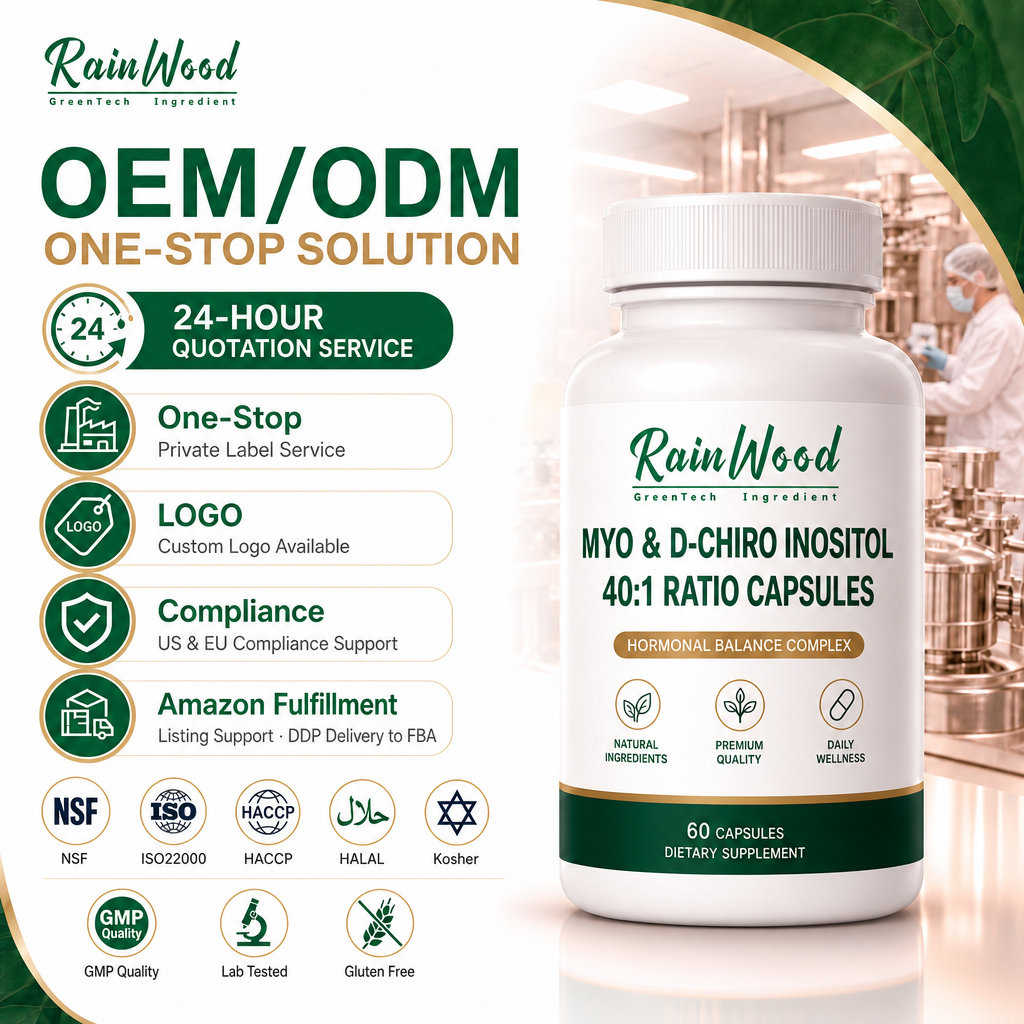
Engineered inside Class 100,000 cleanrooms under NSF 455-2 GMP protocols. Each batch offers batch-specific Certificate of Analysis (COA) coverage, HPLC active-marker titration, and validated excipient stability.
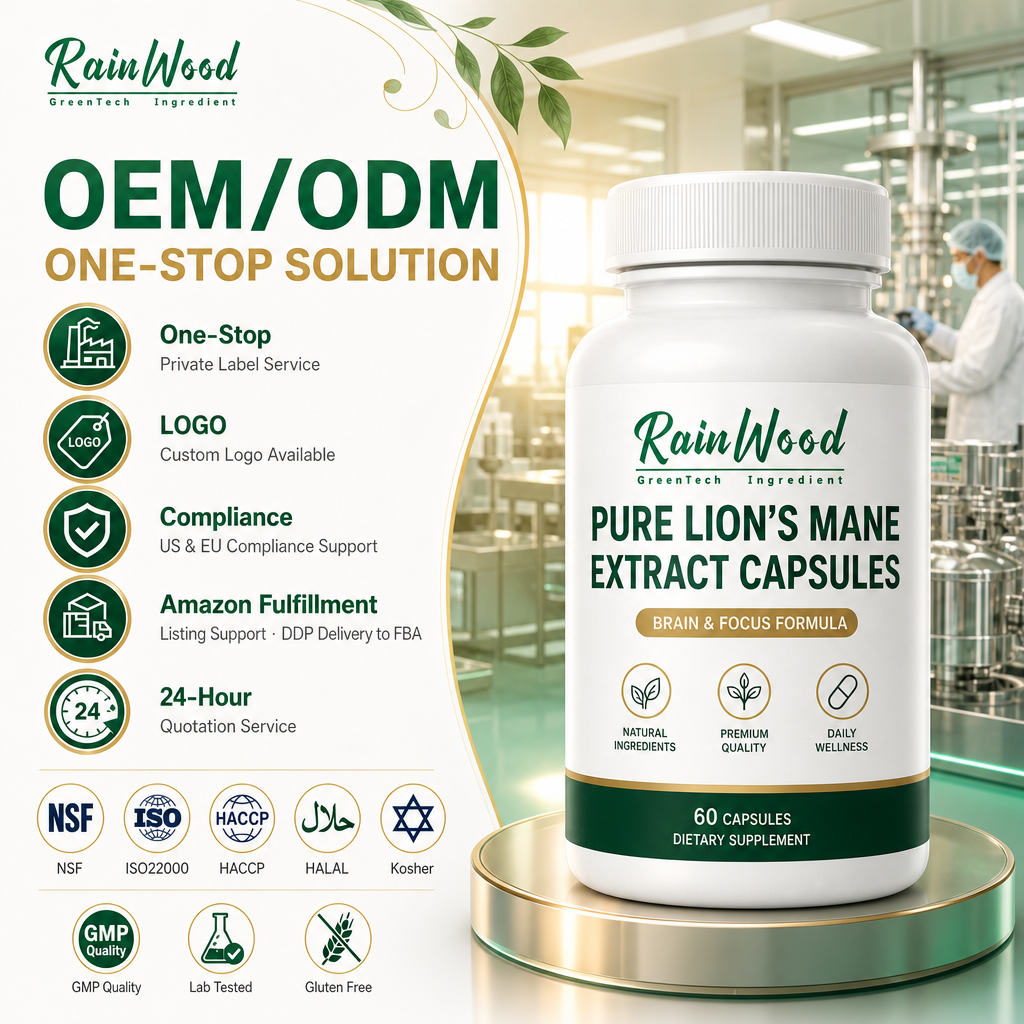
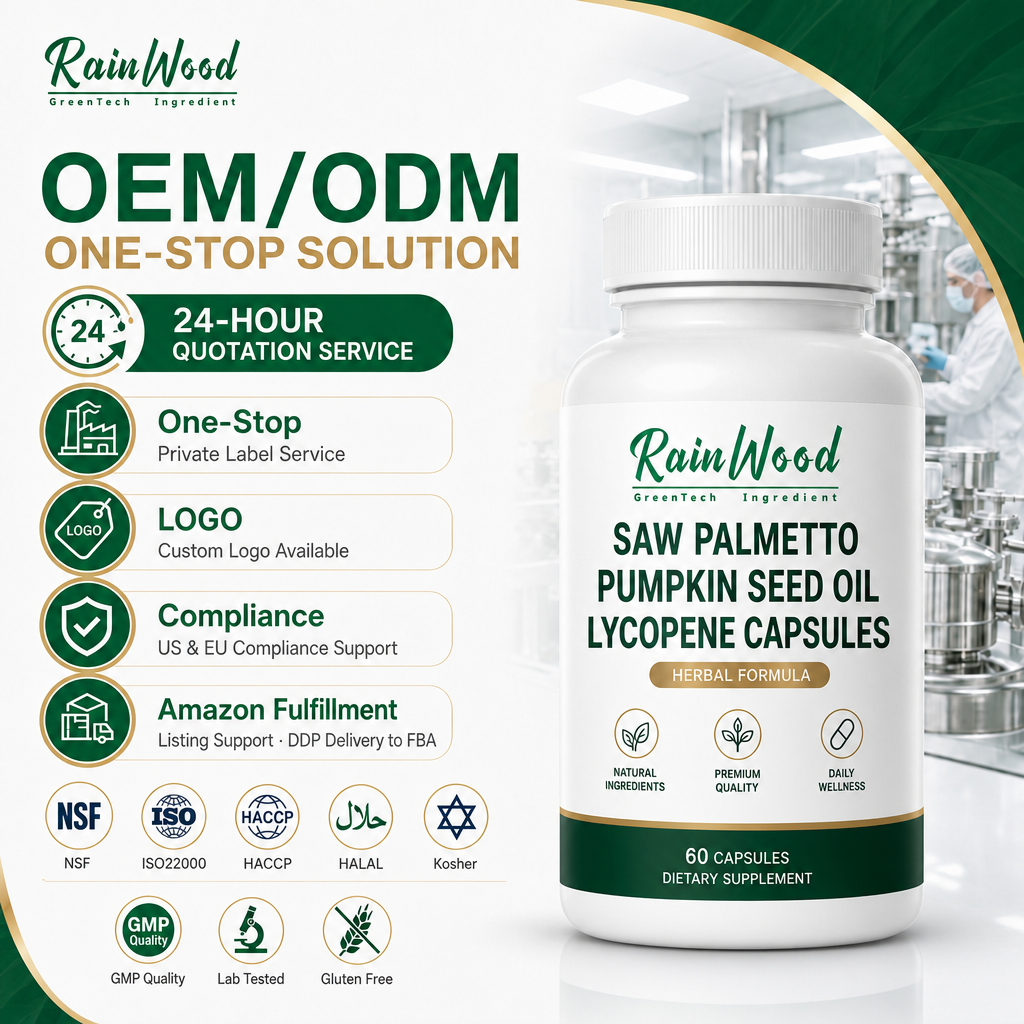
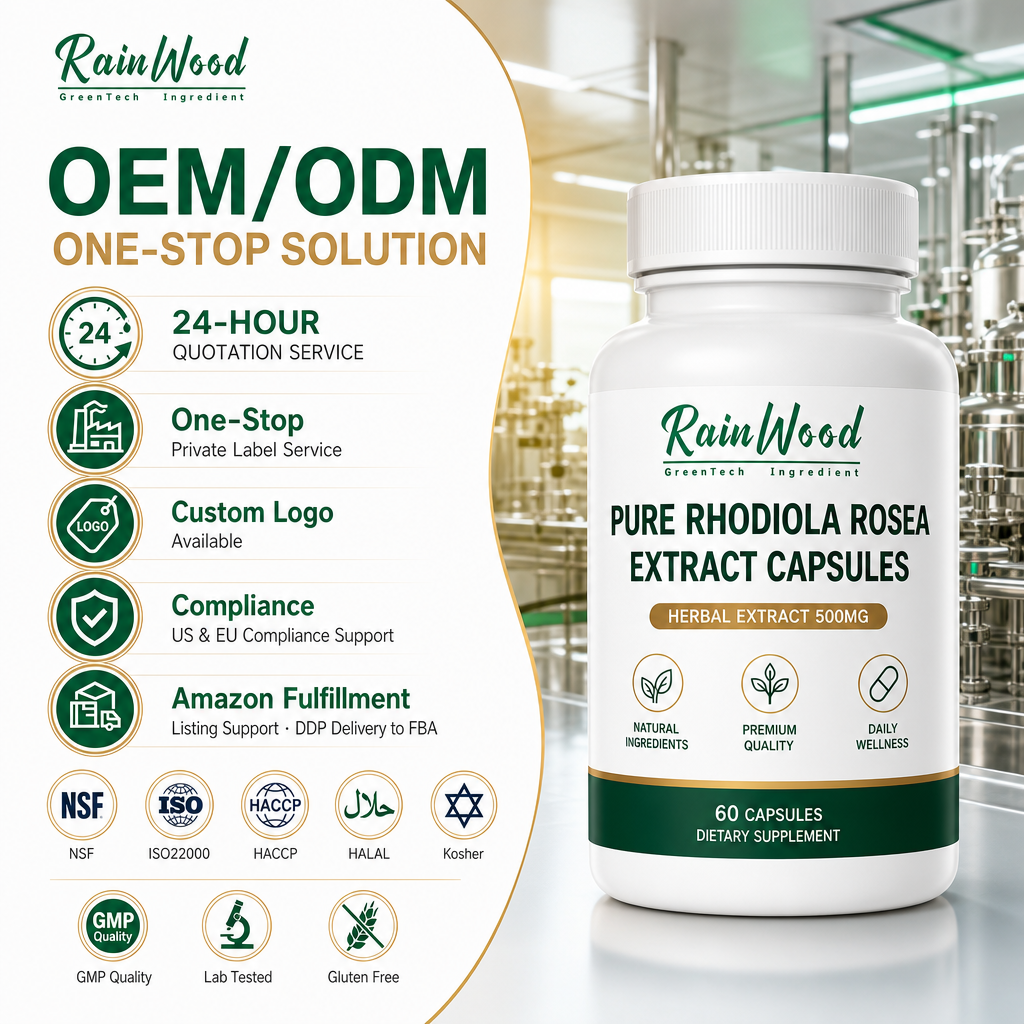
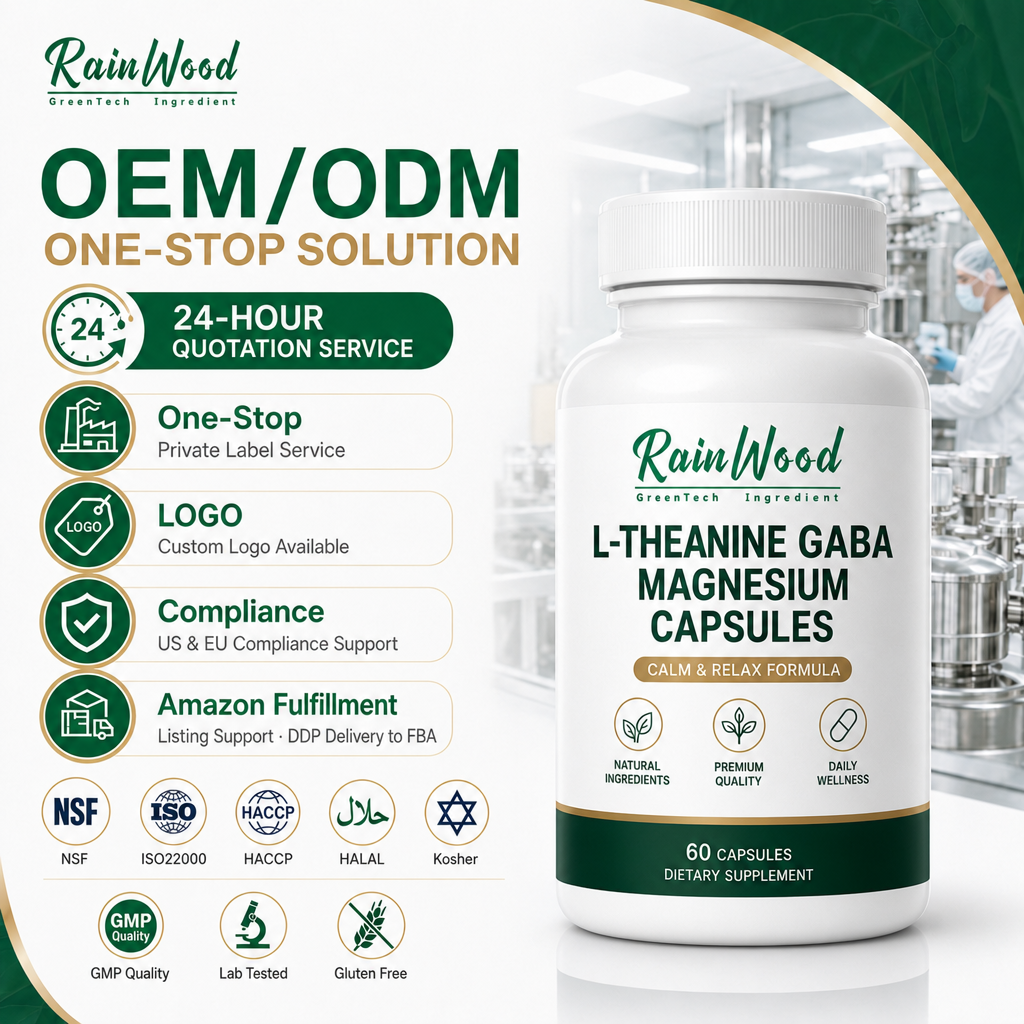
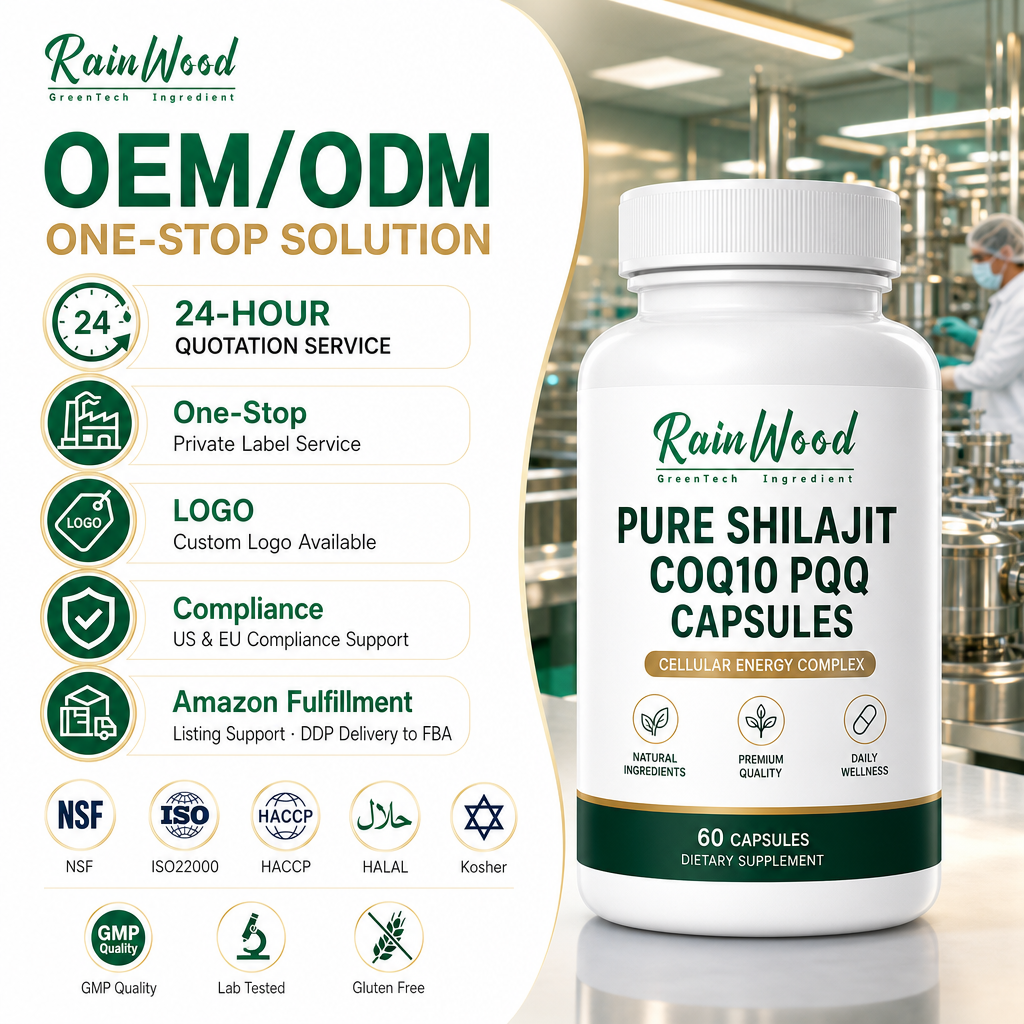
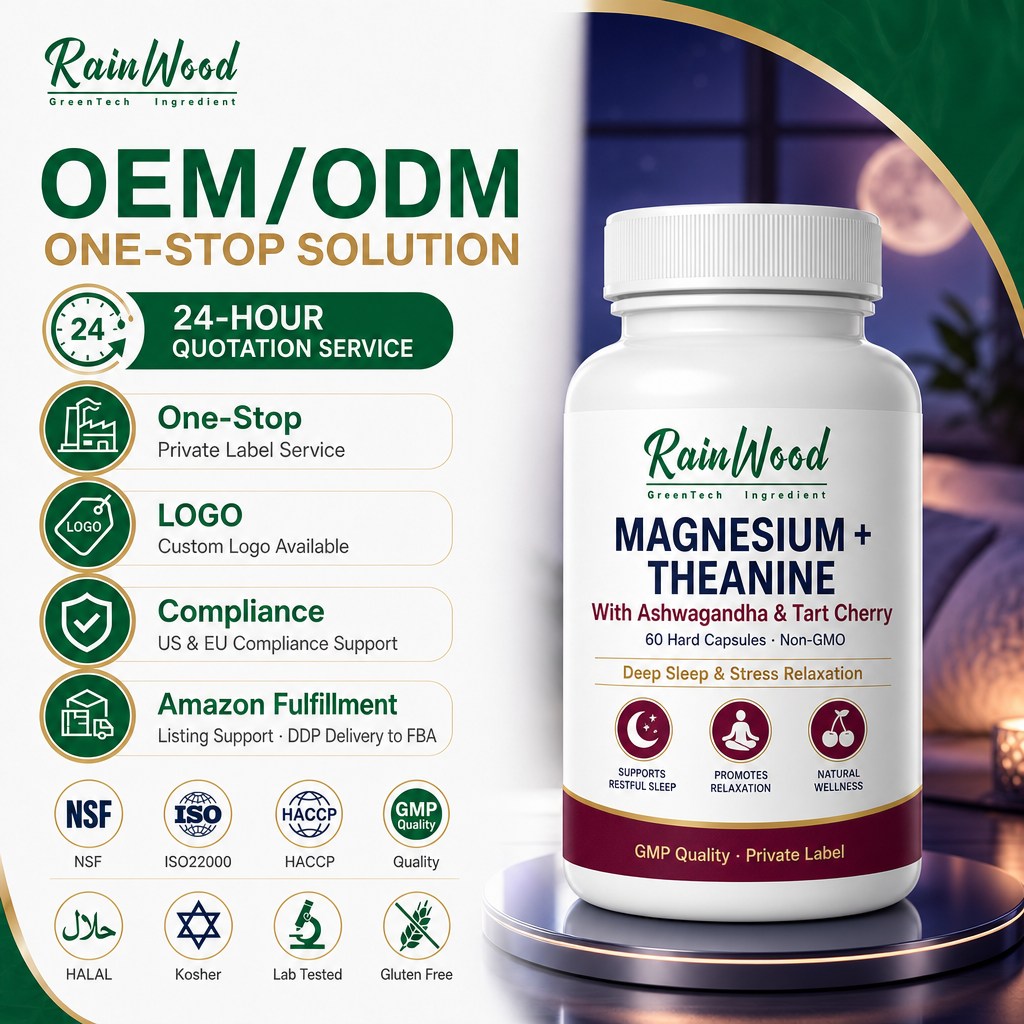
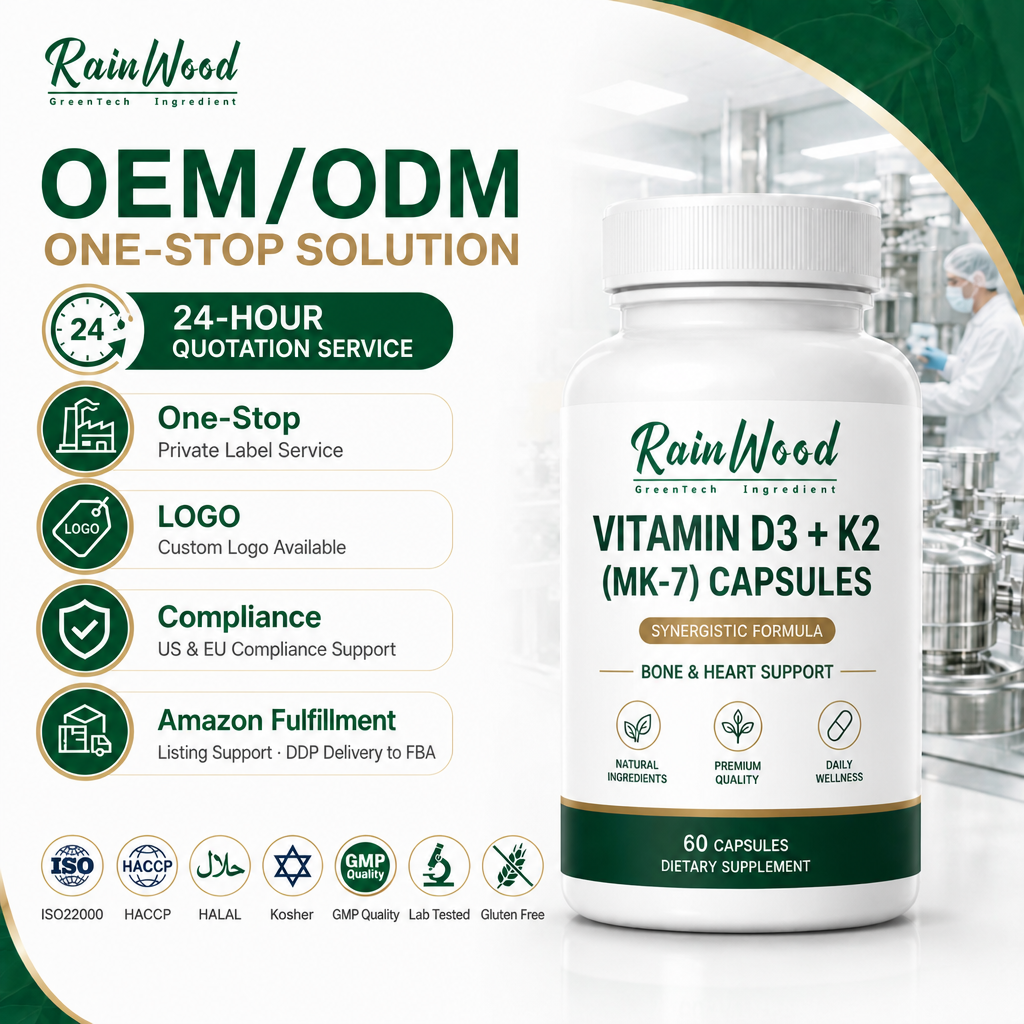
A technical examination into active component fingerprinting, selective chromatographic fractioning, and strict contaminant mitigation under EC Regulations and pharmacopoeial monographs.
In the global market for botanical active pharmaceutical ingredients (APIs) and high-potency food supplements, selecting an accredited plant extract manufacturer requires verifying technical validation, analytical transparency, and regulatory compliance. Shaanxi ESNO Biotech Co., Ltd., based in Xi'an's High-Tech Industrial Zone, utilizes extraction techniques that maintain the complete biological balance of botanical compounds while strictly isolating target phytochemicals such as polyphenols, ginsenosides, adaptogenic salidrosides, and standardized polysaccharides.
Achieving compliance with European Union food safety and CE/novel food export standards involves navigating European Commission Regulations, notably Regulation (EC) No 1881/2006 and its updated framework Regulation (EU) 2023/915 regarding maximum residue levels for contaminants in foodstuffs. ESNO Biotech's manufacturing infrastructure incorporates validated multi-stage liquid-solid countercurrent extraction, vacuum low-temperature concentration, macroporous adsorption resin column chromatography, and clean spray-drying towers. This preserves the thermo-labile active molecules against thermal degradation and prevents oxidative isomerization.
Every commercial batch produced for export undergoes Inductively Coupled Plasma Mass Spectrometry (ICP-MS) to guarantee elemental heavy metals conform to European Pharmacopoeia (Ph. Eur.) limits: Lead (Pb) < 3.0 mg/kg, Cadmium (Cd) < 1.0 mg/kg, Mercury (Hg) < 0.1 mg/kg, and Arsenic (As) < 1.0 mg/kg. Residual solvents are monitored on Agilent 7890B Gas Chromatography with Flame Ionization Detection (GC-FID) according to ICH Guideline Q3C (Class 2 and Class 3 solvents), verifying zero detectable ethylene oxide (EtO) and 2-chloroethanol below 0.05 mg/kg.
Standardization is the core benchmark of botanical efficacy. The pharmaceutical supply chain requires moving beyond basic extraction ratios (e.g., 10:1 or 20:1) toward quantified, marker-specific titrations validated by High-Performance Liquid Chromatography (HPLC) with photodiode array detection (DAD) and Liquid Chromatography-Tandem Mass Spectrometry (LC-MS/MS). Whether assessing the exact 40:1 physiological equilibrium of Myo-Inositol to D-Chiro-Inositol, quantifying hericenones and beta-glucans in Hericium erinaceus, or stabilizing unadulterated fulvic acid complexes up to 50% in purified shilajit resin, botanical raw materials must withstand rigorous third-party auditing.
How international regulatory pressures, supply chain digitalization, and consumer scrutiny over clean formulations are altering global supply agreements for plant-based ingredients.
Global regulatory bodies like the US FDA and European EFSA increasingly mandate orthogonal authentication to prevent species adulteration and non-declared synthetic spiking. Forward-thinking procurement teams no longer accept non-specific spectrophotometric UV assays that can be masked with adulterants.
The nutraceutical sector is transitioning away from synthetic magnesium stearate, silicon dioxide, and animal-derived gelatins. Brand owners require certified vegan hypromellose (HPMC) or pullulan shells alongside organic botanical carriers such as rice husk concentrates and organic tapioca maltodextrin.
With the European Union Deforestation Regulation (EUDR) taking effect alongside expanded CSRD corporate reporting, botanical extract procurement requires farm-to-finished-good traceability. Buyers demand GPS coordinates of wild-craft harvesting sites and fully documented cultivation frameworks.
The commercial extract industry is moving toward high-efficiency, solvent-reduced physical fractionation technologies paired with nanoscale and liposomal delivery systems.
Traditional petrochemical solvent systems are increasingly replaced by green supercritical carbon dioxide (scCO₂) and subcritical water extraction systems. Supercritical CO₂ operates at moderate temperatures and leaves zero residual solvent, preserving volatile terpene fractions and fragile botanical phytosterols.
Hydrophobic polyphenols, curcumins, and resveratrols often suffer from poor intestinal permeability and rapid phase-II hepatic metabolism. Bonding botanical extracts with non-GMO sunflower phosphatidylcholine complexes (phytosomes) significantly enhances pharmacokinetic bioavailability and circulating half-life.
Modern GMP manufacturing uses continuous extraction batteries equipped with Near-Infrared (NIR) process analytical technology. This automates solvent-to-feed ratios and active marker concentrations in real time, preventing batch-to-batch variation and human error during commercial operations.
Founded in 2006 in Xi'an, Shaanxi ESNO Biotech Co., Ltd. operates a high-capacity botanical extraction and finished-formulation complex. Situated near the Qinba Mountains—an ecological reserve for over 3,000 medicinal plant species—our facility bridges domestic raw botanical assets with international regulatory compliance.
With an experienced technical staff and over 19 years of OEM/ODM leadership, ESNO Biotech delivers complete supply chain control: from raw herb harvesting and standardized active extraction to custom capsule filling, blister packaging, and global export clearing across 100+ countries.
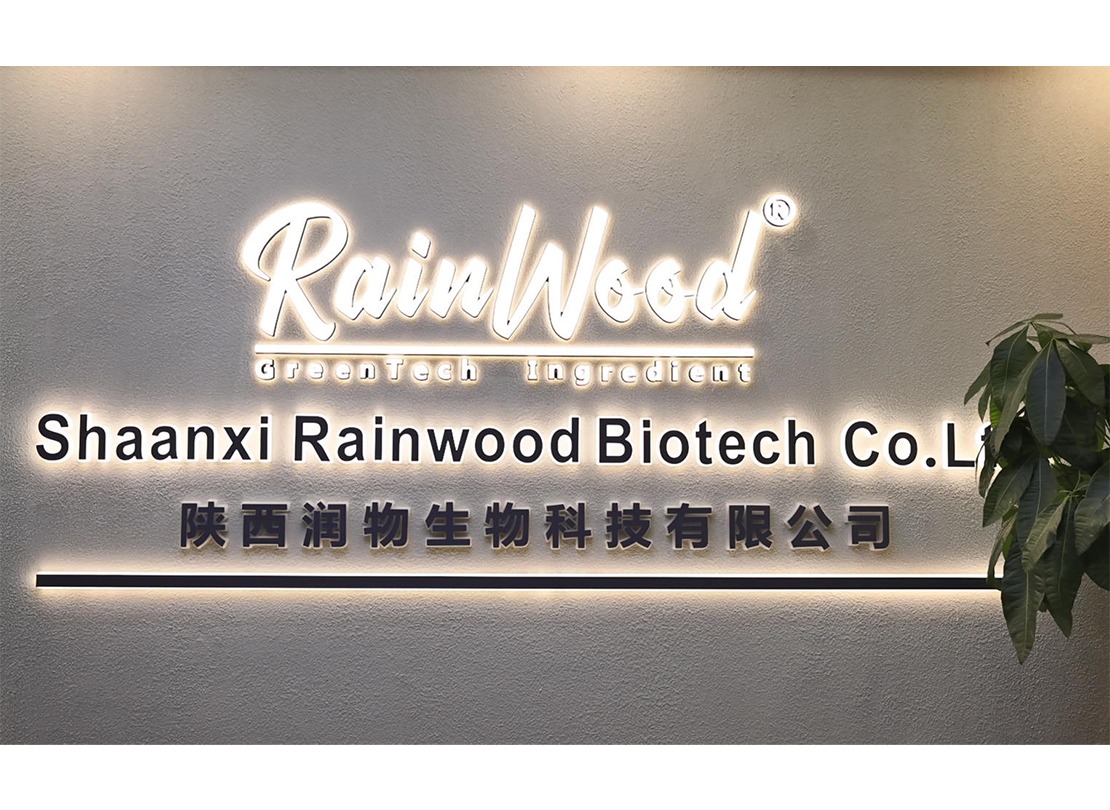
 Corporate HQ
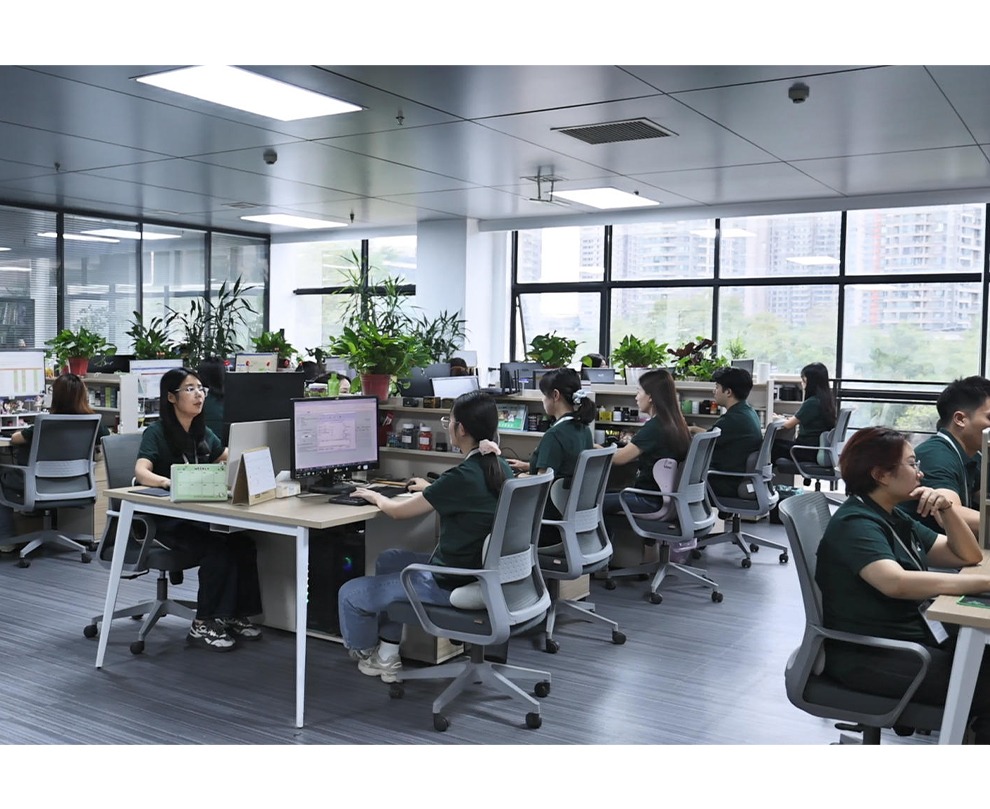
 Clean Workshop
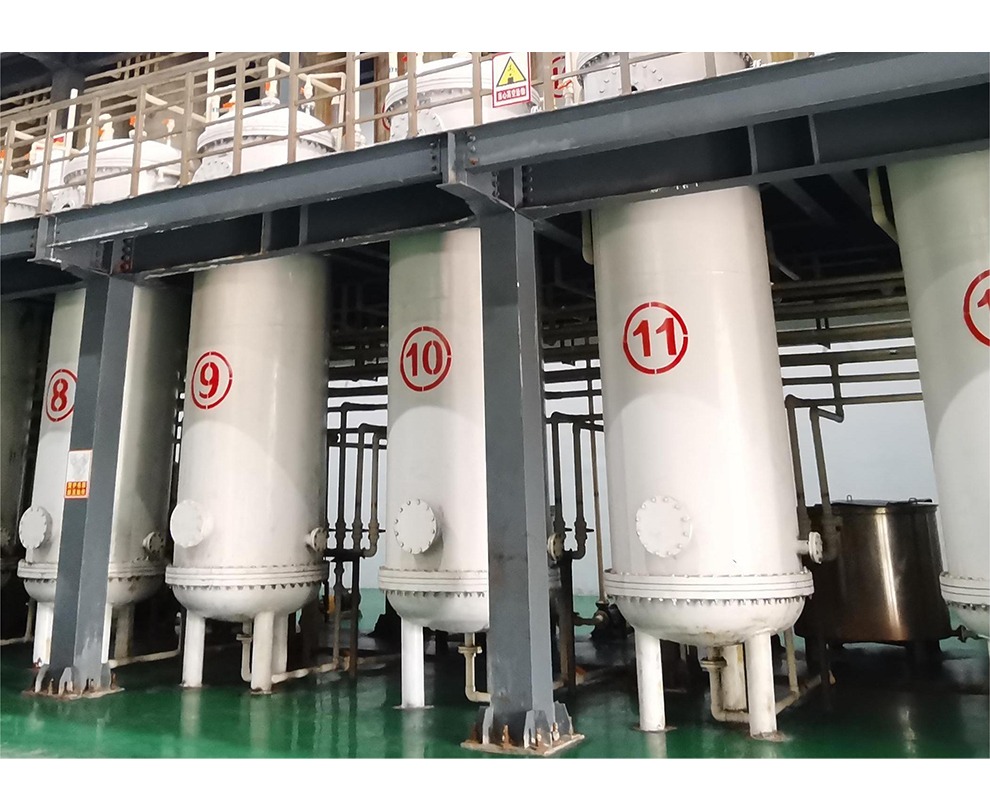
 Automated Line
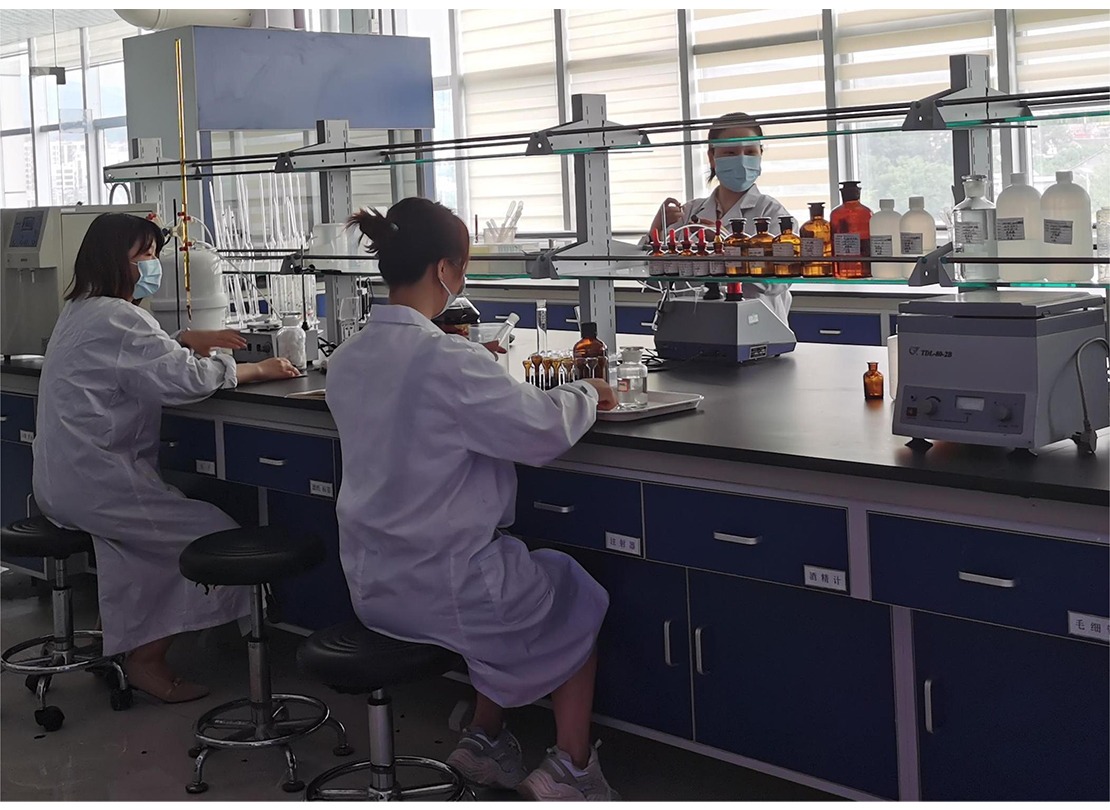
 HPLC & QC Lab
 Packaging
 Global Logistics
Our production operations are conducted under NSF/ANSI 455-2 Dietary Supplement cGMP, ISO 22000:2018 food safety management systems, and HACCP Codex Alimentarius guidelines. For European buyers, we provide exhaustive batch dossiers including Certificate of Analysis (COA) with active marker assay verification by HPLC/UV, heavy metal analysis via ICP-MS conforming to Regulation (EU) 2023/915, pesticide residue screening covering over 400 compounds via GC-MS/MS under Regulation (EC) No 396/2005, polycyclic aromatic hydrocarbon (PAH4) limits under Regulation (EU) No 2015/1933, and certified non-irradiation / non-ETO statements.
Contaminant prevention starts at the raw agricultural intake. ESNO Biotech operates under strict Good Agricultural and Collection Practices (GACP) to prevent inadvertent co-harvesting of weed species known to contain pyrrolizidine alkaloids (PA) such as Senecioneae and Boraginaceae, and tropane alkaloids (atropine, scopolamine). Each incoming herb lot is quarantined and tested using high-sensitivity LC-MS/MS against the low ppb limits mandated by Regulation (EU) 2020/2040. In addition, our cleanrooms use high-temperature short-time (HTST) steam sterilization or clean ozone treatment—strictly avoiding ethylene oxide (EtO) across all processes.
We accommodate both fast-scaling digital brands and multinational pharmaceutical distributors. For catalog stock hard-capsule formulations (such as our standardized Lion's Mane, Rhodiola Rosea 500mg, and Myo-Inositol complexes), our minimum order quantities (MOQ) start from as low as 100 to 500 bottled or boxed units. For fully customized OEM/ODM formulations involving proprietary dry blending, custom tooling, custom color HPMC shells, and unique secondary packaging, MOQs generally begin at 1,000 to 3,000 retail units. Bulk active botanical extracts are available starting from 1 kg trial sample lots to multi-ton commercial container shipments.
Yes. Our in-house R&D department has designed and commercialized more than 400 custom dietary formulations. We evaluate physical particle morphology, bulk density, flowability (Carr's Index and Hausner Ratio), hygroscopic tendencies, and chemical compatibility between active phytochemicals and excipients. If you require zero synthetic additives, we formulate using organic rice hull extract (Nu-RICE / Nu-FLOW) and natural plant fibers. We also execute accelerated stability testing (40°C ± 2°C / 75% RH ± 5% RH over 6 months) to determine precise expiration dating, packaging moisture barrier integrity, and active preservation.
Custom bench-top pilot sampling and formulation prototypes are typically prepared and dispatched via DHL/FedEx within 5 to 7 working days. Following client sign-off on analytical specifications and finished packaging artwork, mass encapsulation, bottling, induction sealing, labeling, and lot coding are concluded within 15 to 25 business days. Commercial exports can be dispatched via air freight (4–7 transit days door-to-airport/door-to-door) or sea freight (20–35 days to European/North American base ports) accompanied by complete customs clearance paperwork including Bill of Lading, Certificate of Origin, and packing lists.
Adulteration is a significant risk in the botanical trade, particularly in high-value categories like Rhodiola, Saw Palmetto, Shilajit, and Ginkgo. ESNO Biotech combats economically motivated adulteration via a multi-tiered identity verification matrix: High-Performance Thin-Layer Chromatography (HPTLC) for profile identification against authenticated pharmacopoeial botanical reference standards, coupled with HPLC active marker ratio verification (for example, monitoring the balance of rosavins to salidroside in authentic Rhodiola rosea versus Rhodiola crenulata). In addition, we utilize specific isotopic or mass-spec testing to detect non-botanical adulteration or exogenous active enrichment.
Partner with an audit-ready, CE & GMP compliant plant extract manufacturer. Connect with our formulation specialists today to review technical feasibility, request bench samples, and receive a transparent OEM production proposal.