CE Certified Standardized Botanical Extract Factories & Exporter
Comprehensive B2B Procurement Whitepaper: Validated Phytochemical Fingerprinting, Subcritical Extraction Systems, and International Regulatory Compliance Across 100+ Global Markets.
High-Yield Standardized Formulations Ready for Global Distribution
Manufactured under rigorous cleanroom conditions adhering to Ph. Eur. 2.8.13 and USP <561> residual protocols. Each batch is paired with high-performance liquid chromatography (HPLC) analytical assay verifications.
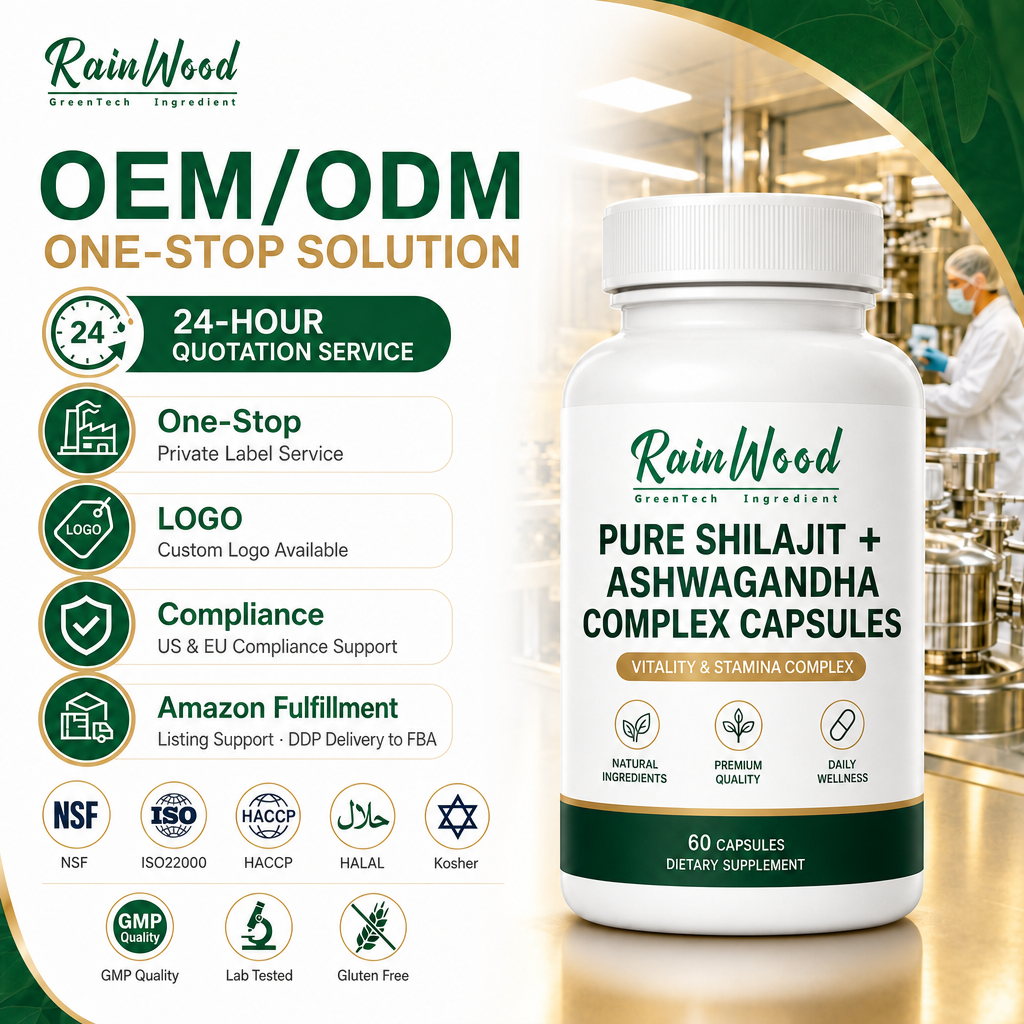
GMP Pure Shilajit Extract Ashwagandha Complex Hard Capsules 60 Count
Standardized with 50%+ Fulvic Acid humic mineral matrix combined with Withania somnifera containing ≥5% withanolides by HPLC. Optimized for mitochondrial ATP generation and endocrine equilibrium.
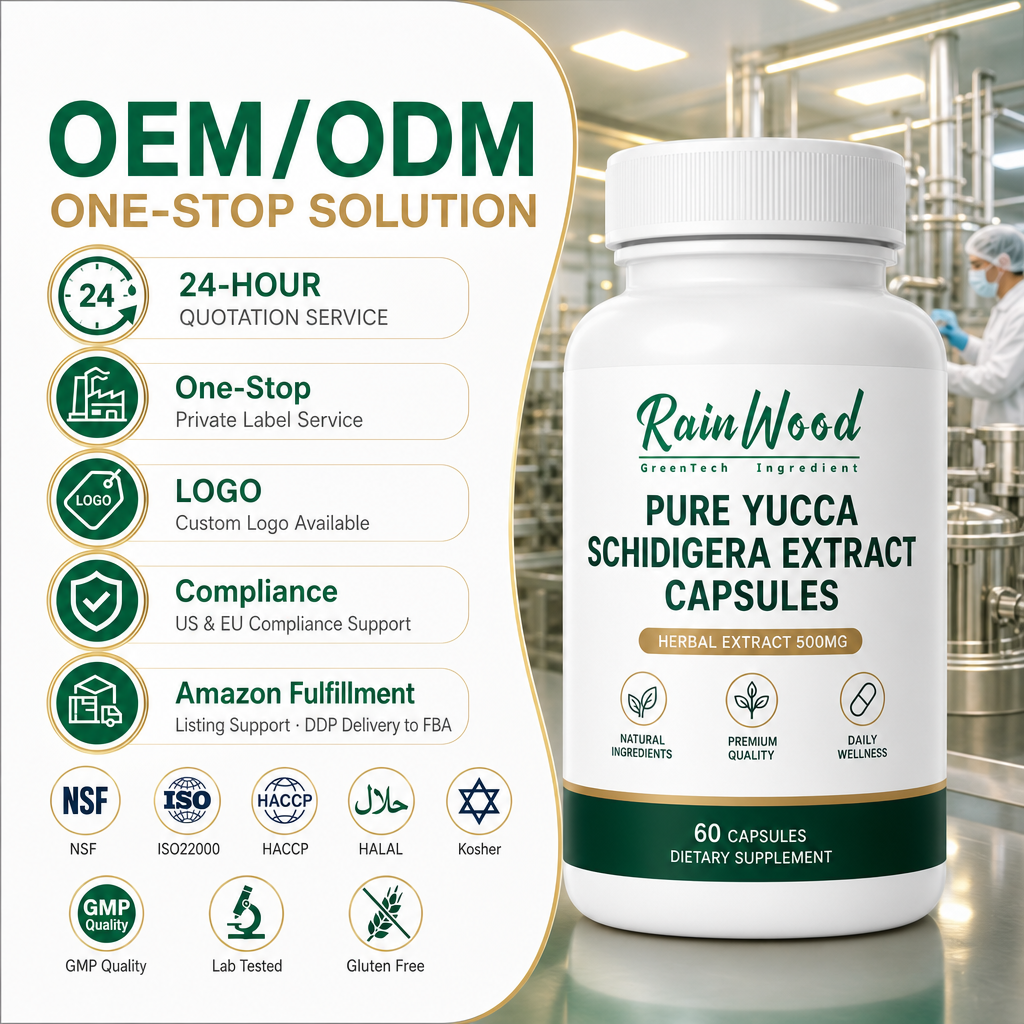
GMP Pure Yucca Schidigera Extract 500mg Hard Capsules 60 Count
Concentrated steroid saponins (≥30% spectrophotometric evaluation) derived from wild-crafted arid Yucca schidigera stems. Natural surfactant action supporting joint mobilization and microflora modulation.
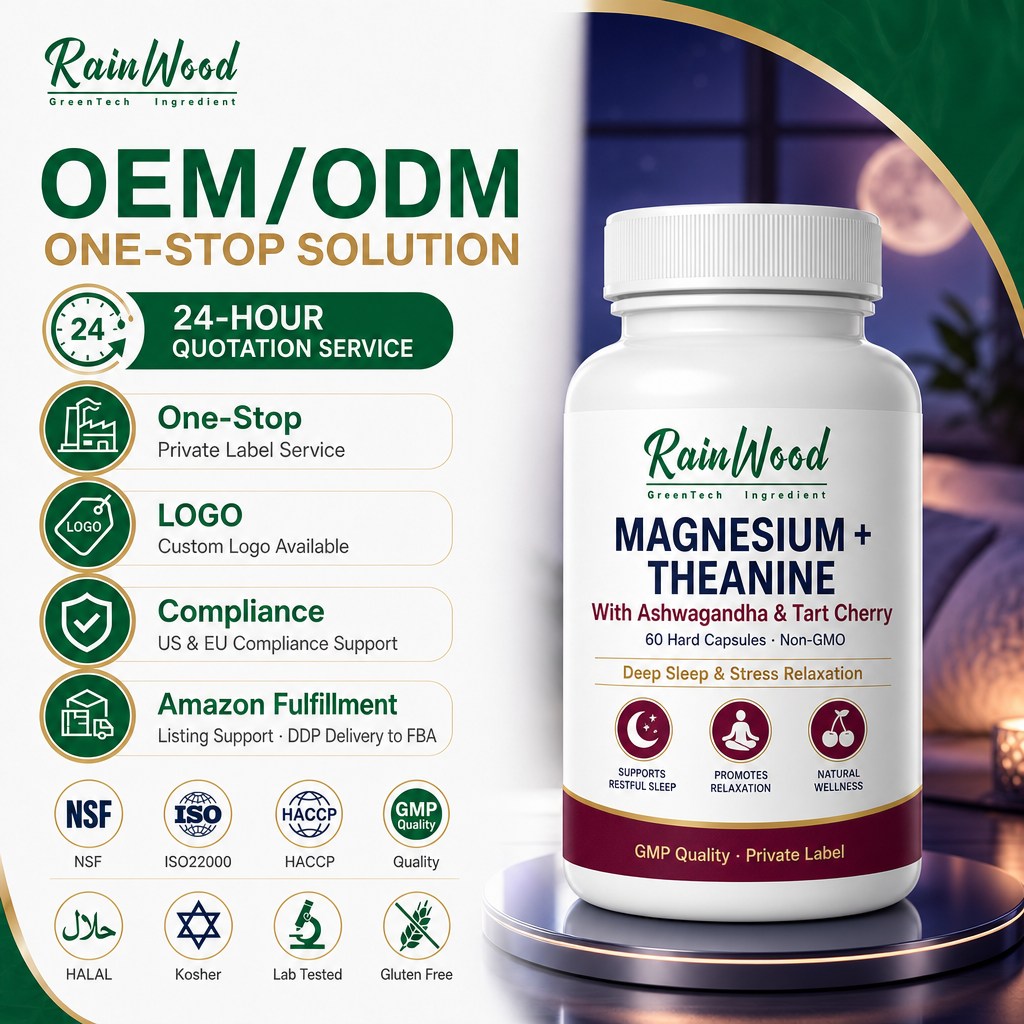
GMP Pure Magnesium Glycinate L-Theanine Ashwagandha Tart Cherry Hard Capsules
Chelated bisglycinate mineral technology coupled with Camellia sinensis-derived L-Theanine and standardized Prunus cerasus anthocyanins, delivering targeted diurnal sleep architecture replenishment.
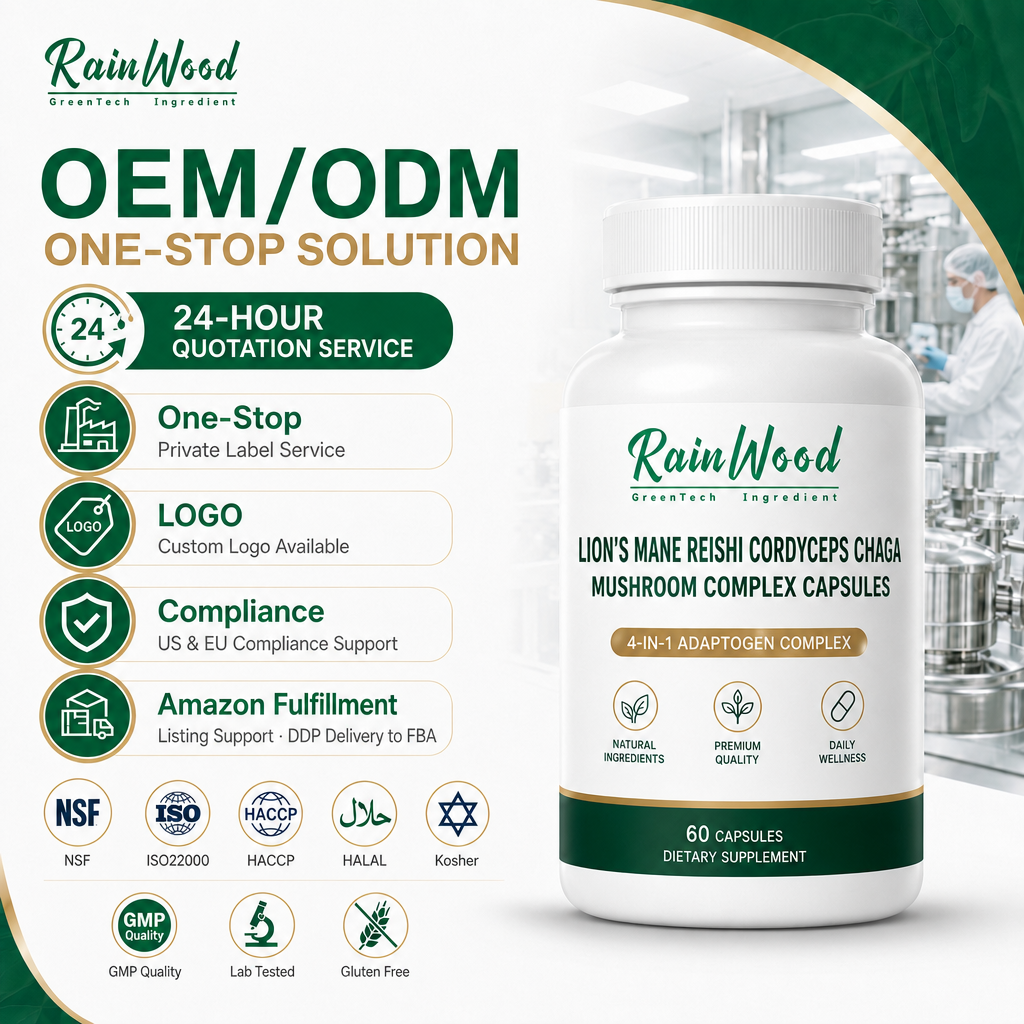
GMP Pure Lion's Mane Reishi Cordyceps Chaga Hard Capsules 60 Count
Hot-water fractional mycelium and fruiting body extracts standardized to ≥30% Beta-(1,3)-(1,6)-D-Glucans. Verified absence of grain starch carriers via UV-Vis enzymatic fingerprinting.
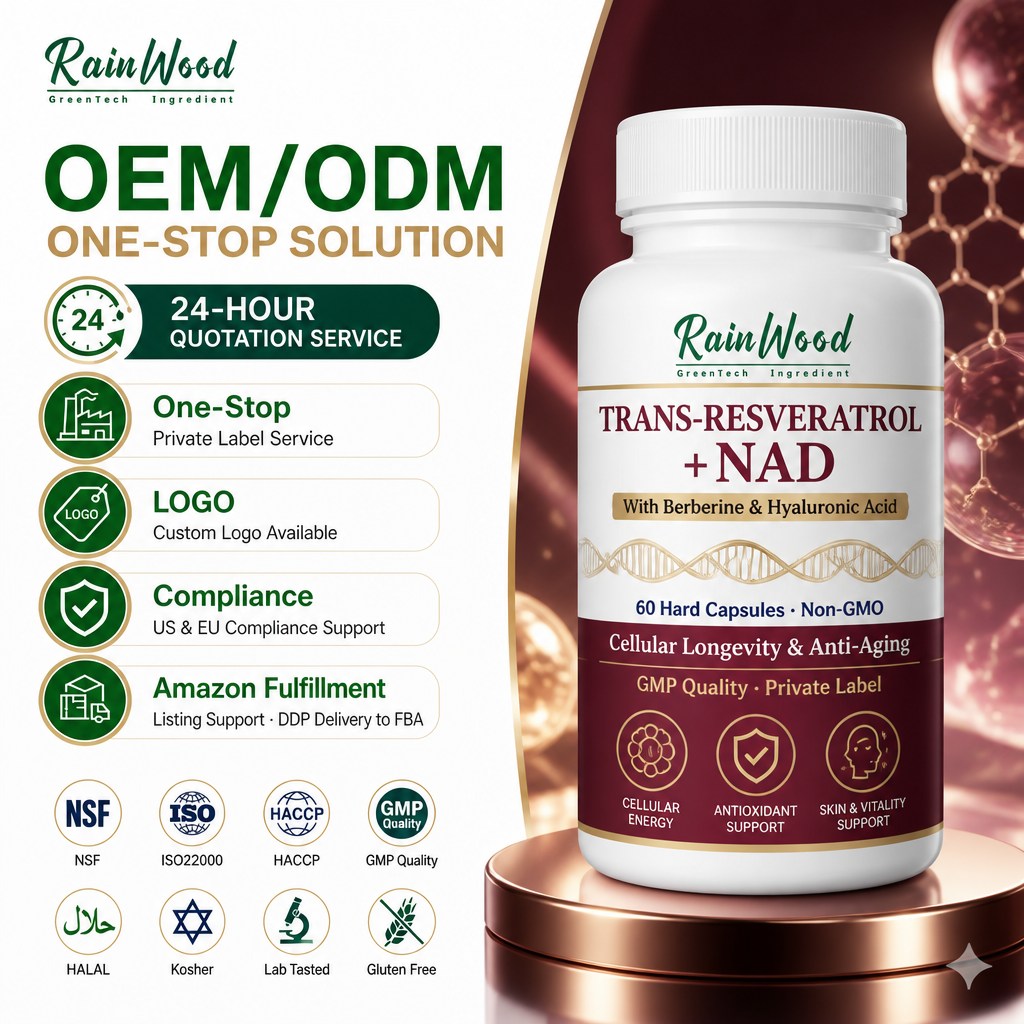
GMP Pure Trans Resveratrol NAD Berberine Hyaluronic Acid Capsules
99% natural Polygonum cuspidatum-derived Trans-Resveratrol paired with Berberis aristata HCl and cellular NAD+ precursors. Promotes mitochondrial mitophagy and Sirt-1 enzyme activation pathways.
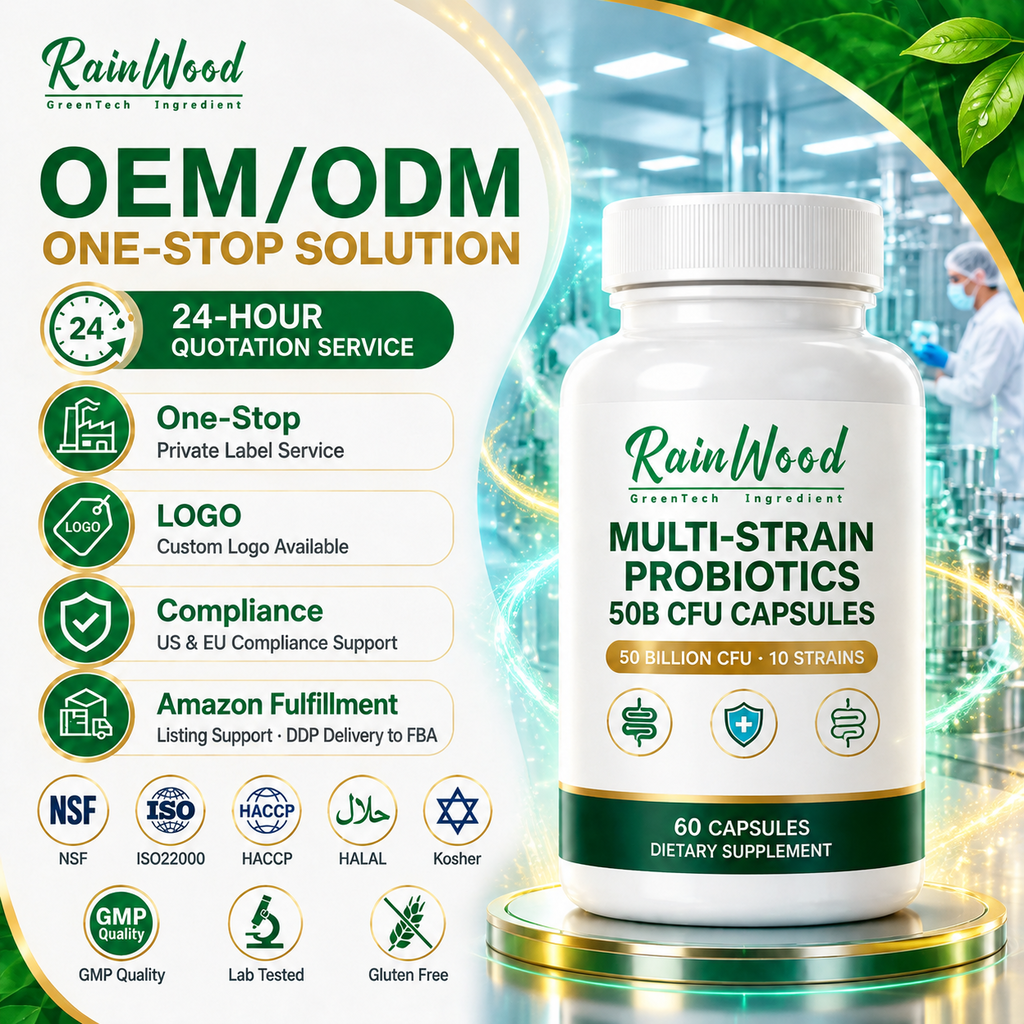
GMP Pure Multi Strain Probiotics 50B CFU Hard Capsules 60 Count
Multi-strain microencapsulated gastro-resistant flora with guaranteed 50 Billion CFU survival through terminal shelf-life. Formulated with prebiotic botanical fructooligosaccharides (FOS).
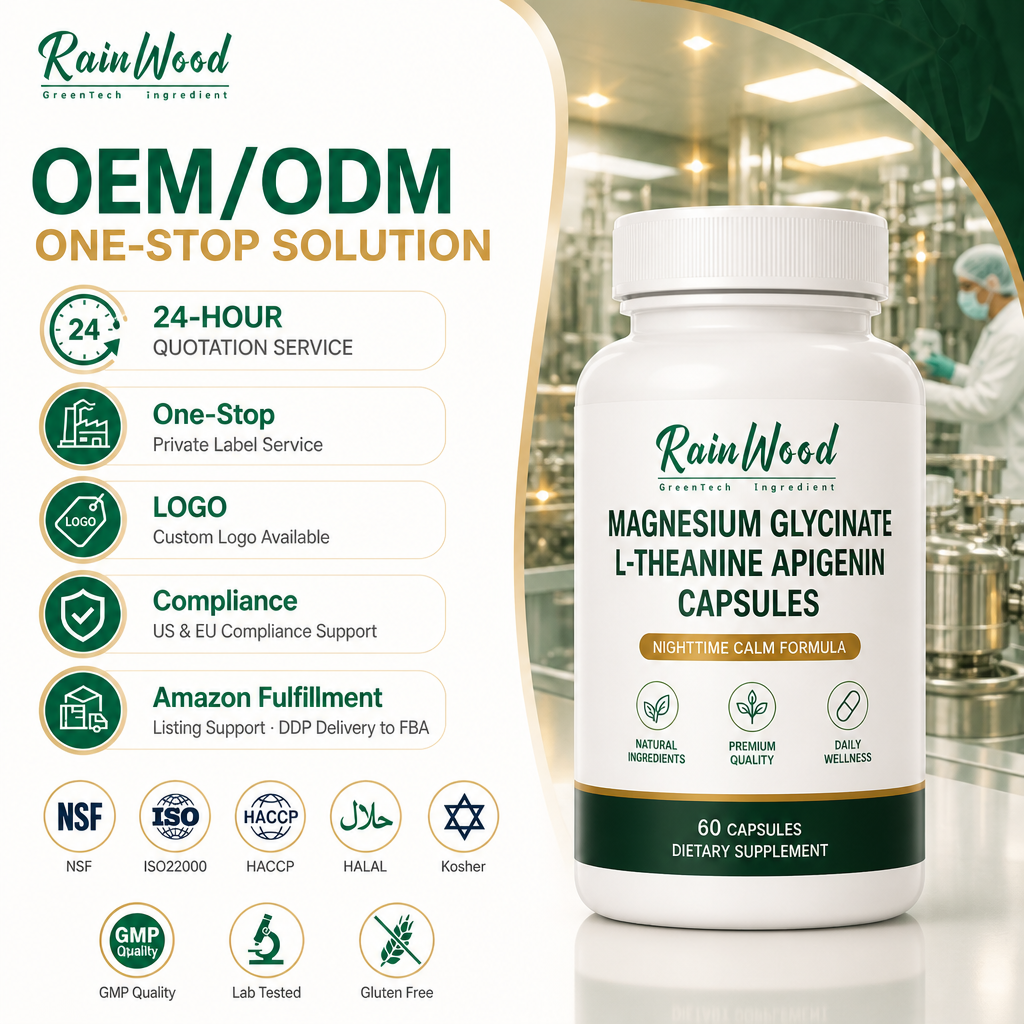
GMP Magnesium Glycinate L-Theanine Apigenin Hard Capsules 60 Count
Tri-active neuro-relaxation matrix featuring 98% standardized Chamomile-derived Apigenin, binding selectively to GABA-A central receptors without triggering dependency cascades.
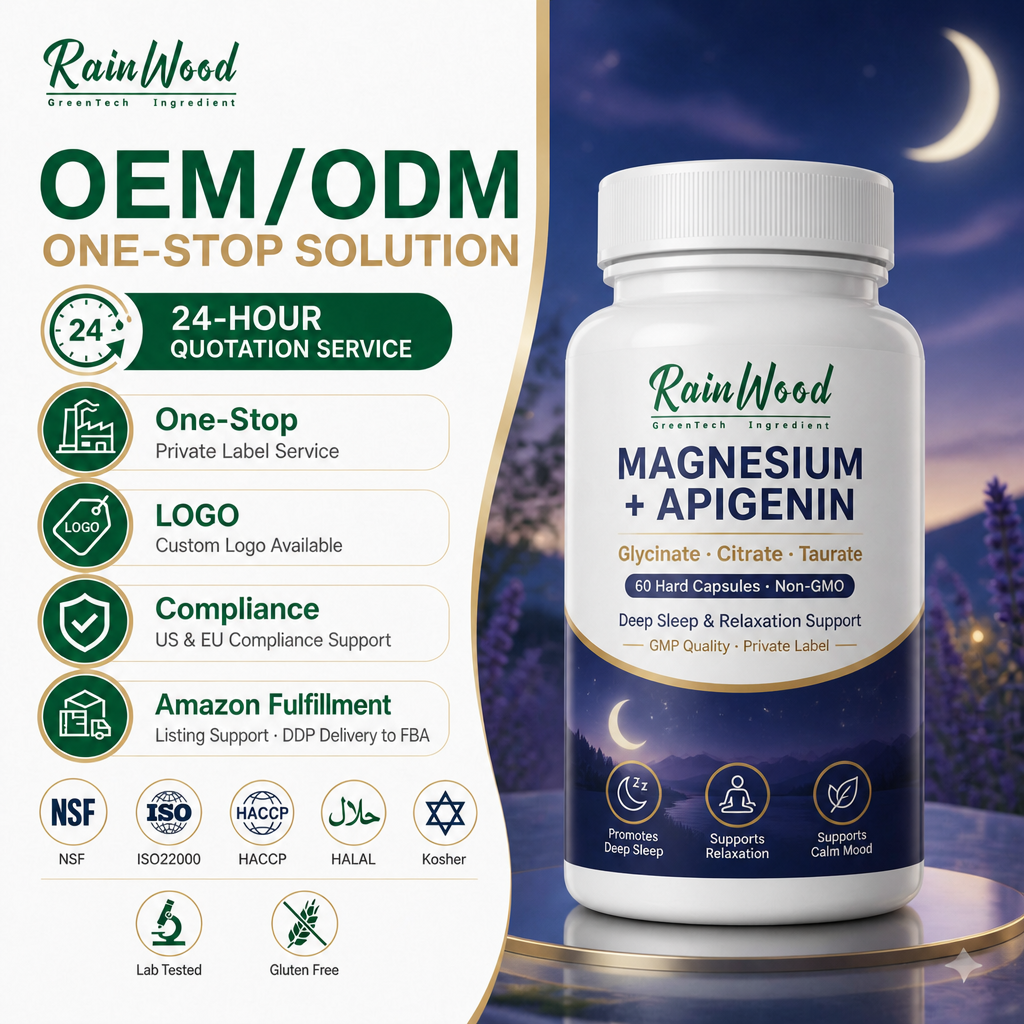
GMP Pure Magnesium Glycinate Citrate Taurate Apigenin Hard Capsules
Bio-optimized systemic mineral delivery synthesizing Glycinate, Citrate, and Taurate transporters for broad biological tissue distribution, enriched with bio-cleansed apigenin bioflavonoids.
19 Years of Phyto-Chemical Excellence & European Regulatory Conformity
Operating from Xi'an High-Tech Zone, Shaanxi ESNO Biotech Co., Ltd. serves as an audited contract manufacturing and standardized botanical extraction anchor for international pharmaceutical and functional food brands.
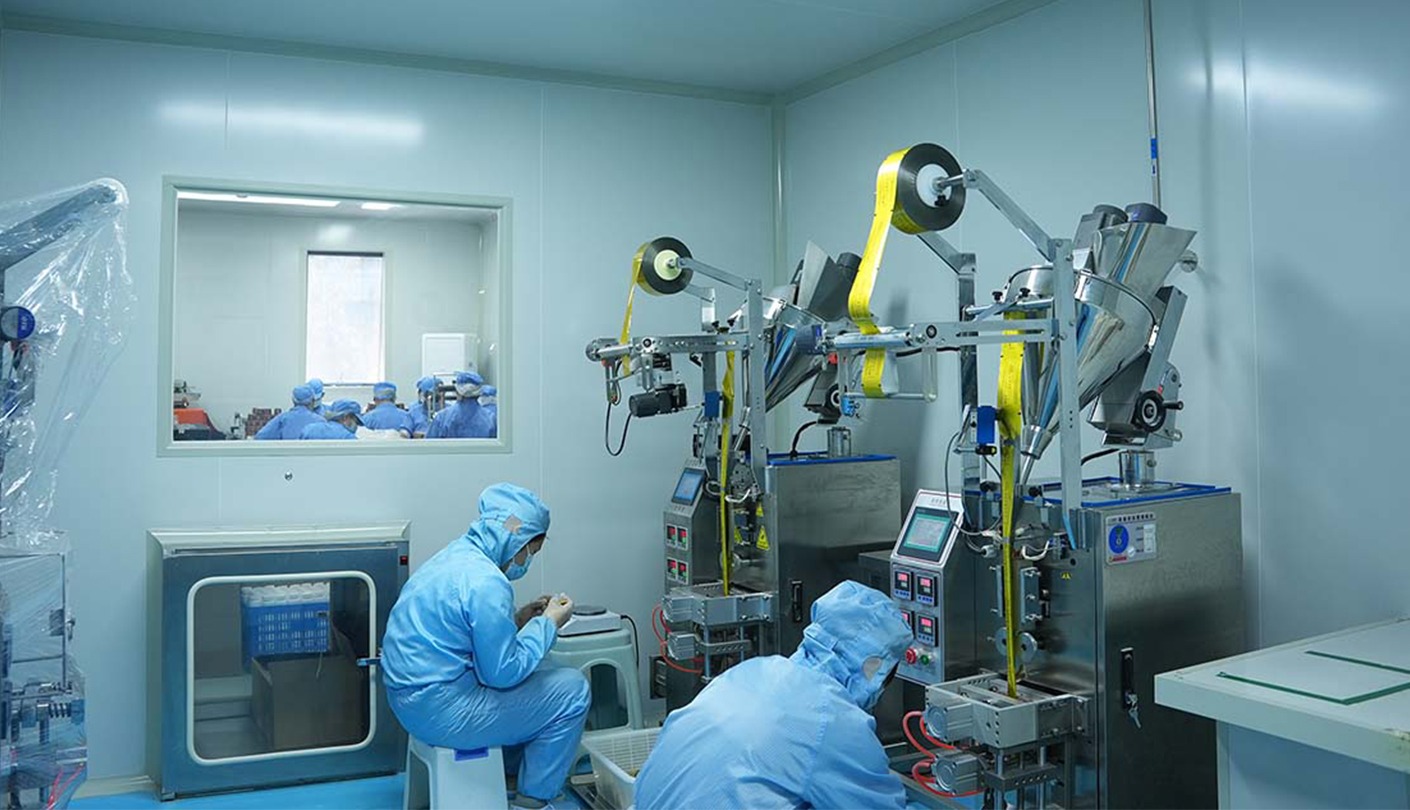
In an era of stringent international phyto-sanitary compliance, successful botanical extraction relies on reproducible biochemical consistency rather than simple agricultural processing. ESNO Biotech bridges agrarian raw botanicals and finished clinical-grade nutraceutical dosage forms through an unbroken chain of Good Agricultural and Collection Practices (GACP), closed-loop low-temperature solvent recovery systems, and automated Class 100,000 cleanroom packaging lines. Audited on-site by TÜV Rheinland, our facility adheres to the stringent quality management protocols of NSF 455-2 GMP, ISO 22000:2018, and HACCP.
Fractional Supercritical & Countercurrent Extraction
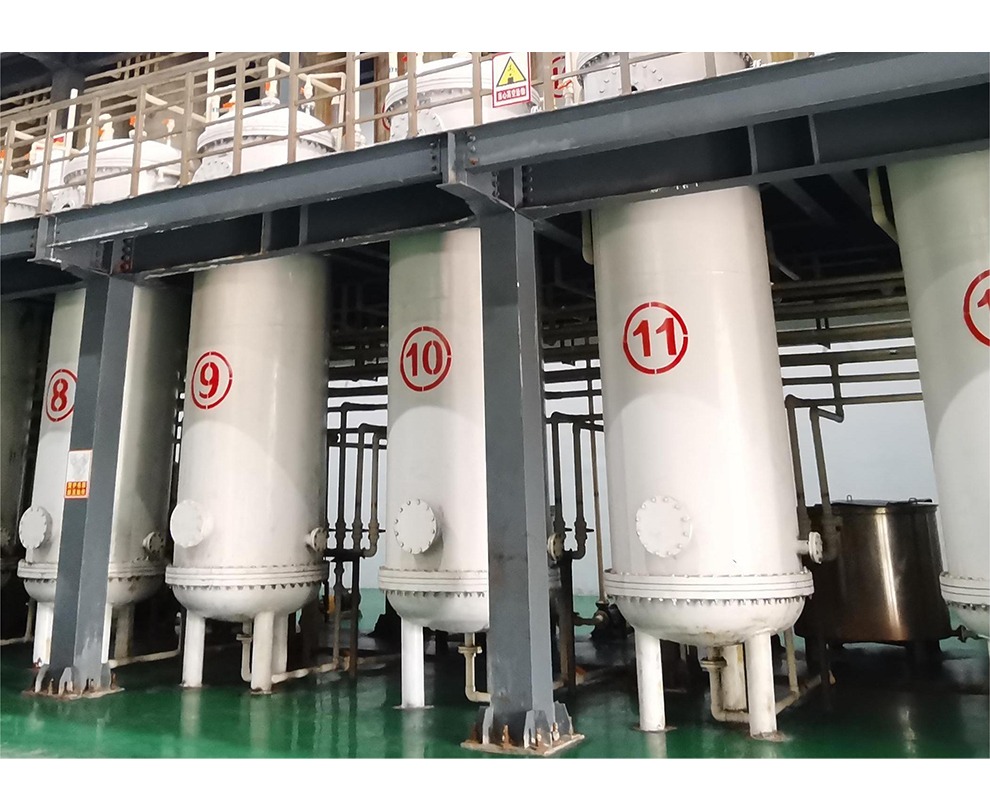
Equipped with multi-stage countercurrent extraction batteries and supercritical CO2 extraction autoclaves, our engineering systems extract delicate thermolabile active markers (such as withanolides, apigenin, and polyphenols) at controlled temperatures (<45°C).
- Closed-loop ethanol recovery reaching ≥95% operational efficiency.
- Selective column chromatography employing polymeric resins for targeted purity spikes.
- Zero chemical degradation of volatile mono- and sesquiterpenes.
Stringent Analytical Profiling & Validation
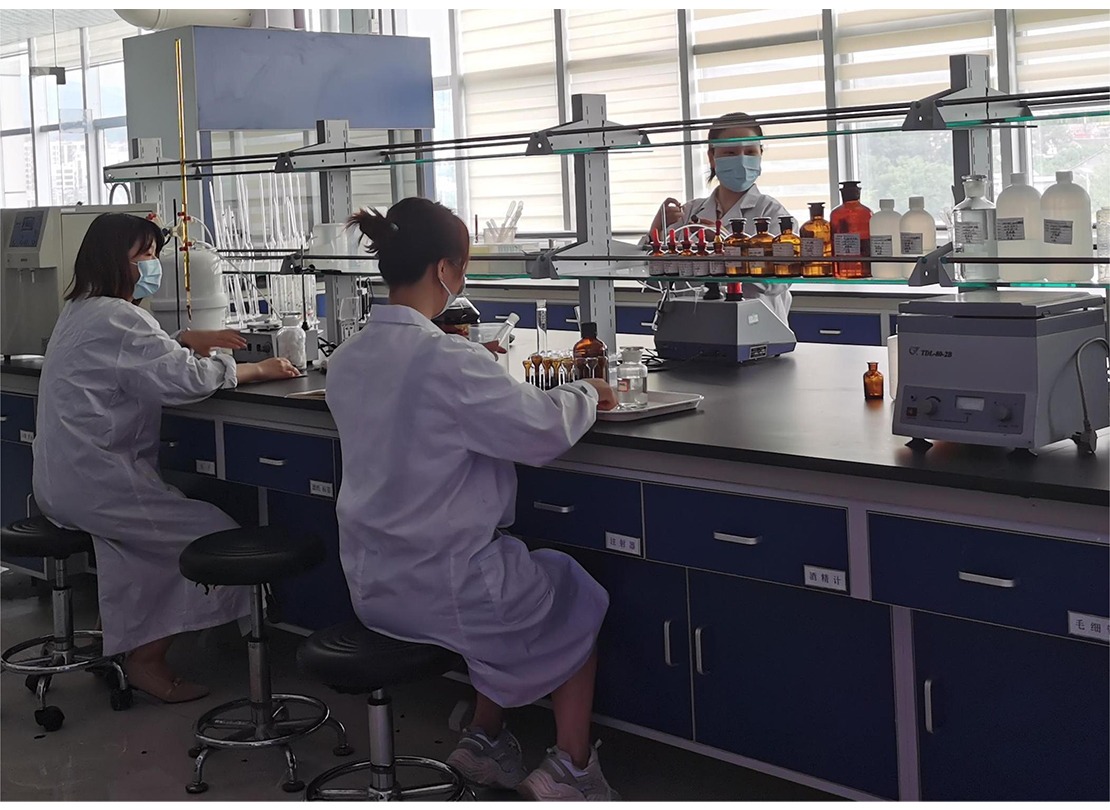
Every extract lot released undergoes comprehensive fingerprinting across physical, chemical, and biological markers to eliminate batch variances inherent in raw agricultural commodities.
- HPLC & UHPLC-DAD: Strict quantification of active biomarker concentrations.
- ICP-MS Spectrometry: Heavy metal quantification down to parts-per-billion (ppb).
- DNA Barcoding: Genomic botanical authentication preventing botanical adulteration.
End-to-End OEM/ODM Manufacturing Versatility
Beyond delivering bulk standardized botanical powders, our 19-year manufacturing line converts concentrated raw extracts into market-ready, shelf-stable dosage deliveries optimized for consumer bioavailability.
- Size 000 through 4 HPMC vegan and bovine gelatin hard capsule filling.
- Pectin-based functional gummies resistant to syneresis and thermal melting.
- Hermetically sealed powder stick packs and blister-backed pharmaceutical strips.
Phyto-Chemical Quality Specifications: Ph. Eur. vs. USP Thresholds
Direct comparison of critical contaminant limits and testing protocols enforced across our manufacturing cycles, ensuring flawless import clearance through European and North American customs border controls.
| Analytical Category | European Pharmacopoeia (Ph. Eur.) Standards | United States Pharmacopeia (USP <561>) | ESNO Biotech Quality Release Target | Standard Methodology |
|---|---|---|---|---|
| Lead (Pb) | ≤ 3.0 mg/kg (ppm) | ≤ 5.0 mg/kg (ppm) | ≤ 0.5 mg/kg (Strict California Prop 65) | Inductively Coupled Plasma Mass Spectrometry (ICP-MS) |
| Cadmium (Cd) | ≤ 1.0 mg/kg (ppm) | ≤ 0.5 mg/kg (ppm) | ≤ 0.2 mg/kg | ICP-MS (Standard USP <233>) |
| Arsenic (As, Inorganic) | ≤ 1.0 mg/kg (ppm) | ≤ 2.0 mg/kg (ppm) | ≤ 0.5 mg/kg | Hydride Generation ICP-MS |
| Mercury (Hg) | ≤ 0.1 mg/kg (ppm) | ≤ 0.5 mg/kg (ppm) | ≤ 0.05 mg/kg | Direct Mercury Analyzer (Cold Vapor AA) |
| Pesticide Residues | Complies with Ph. Eur. 2.8.13 (70+ residues) | Complies with USP <561> full screen | Zero-Detectable Synthetic Multiresidue (500+ GC/LC-MS) | GC-MS/MS & LC-MS/MS Triple Quadrupole |
| Polycyclic Aromatic Hydrocarbons (PAH4) | Benzo[a]pyrene ≤ 10 μg/kg; Sum ≤ 50 μg/kg | Monograph Specific | BaP ≤ 2 μg/kg; Sum of 4 ≤ 10 μg/kg | Gas Chromatography Coupled with High-Resolution MS |
| Residual Solvents (Class 2/3) | Complies with Ph. Eur. 5.4 / CPMP/ICH/283/95 | USP <467> Residual Solvents | Ethanol Only ≤ 3000 ppm (Zero Toxic Organics) | Headspace Gas Chromatography (HS-GC-FID) |
| Aflatoxins (B1 + Total B1/B2/G1/G2) | B1 ≤ 2 μg/kg; Total ≤ 4 μg/kg | Total Aflatoxins ≤ 20 μg/kg | B1 ≤ 1 μg/kg; Total ≤ 2 μg/kg | HPLC with Post-Column Derivatization (FLD) |
Emerging Procurement Trends Shaping Global Botanical Sourcing
In-depth market intelligence addressing the analytical transition from gross dry extract ratios (e.g., 10:1) to molecularly standardized bioactive quantification, organic soil certification, and supply-chain near-shoring hedging.
The Demise of Extraction Ratios
Procurement teams are rapidly abandoning ambiguous "10:1" or "20:1" extract claims. Global authorities such as the EFSA and US FDA demand defined chemical marker profiles verified by chromatographic assay (e.g., Ashwagandha ≥5% withanolides, Yucca ≥30% saponins), eliminating native biomass inflation.
Genomic DNA Authenticity Validation
High performance thin-layer chromatography (HPTLC) is now paired with DNA Polymerase Chain Reaction (PCR) Barcoding to expose economically motivated adulteration (EMA), such as adulterating rare Cordyceps sinensis or Lion's Mane with generic mycelial starch fillers.
Solvent Free Green Chemistry
Institutional buyers increasingly reject petrochemical extraction fractions (hexane, acetone, methanol). Demand has shifted decisively toward 100% aqueous, organic certified grain ethanol, or supercritical CO2 extractions that leave absolute zero toxic residual footprint in metabolic tissue.
Bioavailability Enhancement Complexes
Raw botanical polyphenols and triterpenes frequently suffer from rapid first-pass liver degradation. Procurement pipelines favor synergistic formulations combining standardized extracts with natural bioenhancers like piperine, fulvic acid carriers, or liposomal phospholipid delivery formats.
Next-Generation Phyto-Engineering: From Classical Powder to Bioactive Delivery
Explore the engineering shift underway across ESNO Biotech manufacturing laboratories, delivering higher active stability, improved water dispersibility, and organoleptic taste masking.
Microencapsulation & Spray-Chilling
Standardized botanical extracts rich in sensitive polyphenols (such as Resveratrol or Tart Cherry Anthocyanins) are highly susceptible to oxidation, humidity, and photo-degradation.
Our spray-chilling microencapsulation wraps micronized phyto-actives in a protective matrix of vegetable lipid or prebiotic fibers, achieving over 98% bioactive retention throughout a full 36-month shelf life.
Enzymatic Biotransformation
Certain naturally occurring saponins and glycosides possess high molecular weights, limiting intestinal mucosal absorption.
By introducing immobilized cellulase and beta-glucosidase enzymatic cleavage reactors during aqueous phase extraction, ESNO Biotech hydrolyzes bulky sugar moieties into aglycone compounds (e.g., ginsenoside Rh2, purified aglycone apigenin), driving cellular bioavailability up by 300% to 500%.
Continuous In-Line Process Analytical Tech (PAT)
Transitioning away from retrospective endpoint quality testing, our Class 100,000 workshops incorporate Near-Infrared (NIR) inline spectroscopy probes within our ribbon blenders and tableting funnels.
This ensures absolute blend homogeneity of active micro-dosages (<50mg) within multi-compound formulations, maintaining an inter-capsule Coefficient of Variation (CV) under 2.5%.
Frequently Asked Questions for Professional B2B Importers
Direct technical answers addressing vendor qualification, analytical documentation, custom formula prototyping, and multi-market export compliance.
What precise technical documents accompany every shipment?
Each commercial shipment is accompanied by a batch-specific Certificate of Analysis (COA) detailing physical appearance, particle size mesh distribution, loss on drying, moisture content, specific active biomarker assay (HPLC/UV), heavy metal breakdown (Pb, Cd, As, Hg by ICP-MS), residual solvents (GC-FID), and microbiological counts (Total Viable Aerobic Count, Yeast & Mold, E. coli, Salmonella, Staphylococcus aureus). Additional documentation includes Non-GMO declarations, TSE/BSE-free statements, and Allergen declarations.
How does ESNO Biotech guarantee absence of Pyrrolizidine Alkaloids and Ethylene Oxide?
Ethylene Oxide (ETO) sterilizing gas is strictly prohibited in our facilities; all microbial decontamination relies on validated gamma irradiation or pressurized high-temperature steam pulses. For high-risk botanicals harvested in weed-prone regions, raw agricultural intake is prescreened via LC-MS/MS for 28 targeted Pyrrolizidine Alkaloids (PAs) to ensure total compliance with European Commission Regulation (EU) 2020/2040.
What are your standard Minimum Order Quantities (MOQ) for custom private label runs?
For pre-formulated stock formulations (such as our standardized Shilajit Ashwagandha Complex or Pure Yucca Schidigera capsules), our flexible pilot MOQ begins at only 100 to 500 bottled retail units to facilitate rapid market testing. For bespoke custom formulations requiring novel premixing, custom tool embossing, or unique Pantone-matched vegan capsules, our standard production baseline is typically 1,000 to 3,000 bottles or 50,000 loose bulk capsules.
Can you assist our brand with European Novel Food and FDA DSHEA compliance reviews?
Yes. Our internal regulatory team reviews all proposed compound dossiers against the European Commission Novel Food Catalogue and FDA 21 CFR Part 111 rules. If an intended botanical active requires Novel Food pre-market authorization, our pharmaceutical chemists can assist with stability profiling, historical intake documentation, or formulate bio-equivalent alternative pathways utilizing non-novel compliant extracts.
How does your R&D lab handle hydroscopic or sticky raw botanical extracts?
Botanical extracts with high polysaccharide or organic acid fractions (such as Shilajit, Tart Cherry, or Reishi mushroom) readily absorb ambient humidity during tableting or encapsulation. We utilize humidity-controlled cleanrooms (<35% RH) and proprietary clean-label excipients (such as organic rice hull concentrate or prebiotic tapioca dextrins) to ensure smooth powder flow without compromising the bioactive purity profile on consumer label claims.
What is the standard production lead time from formula approval to dispatch?
Prototype pilot sampling for formula feasibility and organoleptic testing requires 5 to 7 business days. Upon final client sign-off and packaging art authorization, mass production under cleanroom GMP protocol is executed in 15 to 22 business days. We provide global air freight door-to-door delivery (3-7 days) for time-critical campaigns and refrigerated sea freight container services for large bulk orders.
Request Complete Phyto-Chemical Specifications & B2B Price Matrix
Connect directly with an ESNO senior account chemist. Receive our comprehensive botanical extract master dossier, third-party analytical certificates, and an immediate volume quote for your private label formulation.