Featured Botanical & Synergistic Formulations
High-potency standardized phytochemicals and micronutrient complexes produced in NSF 455-2 GMP and ISO 22000 cleanroom environments.
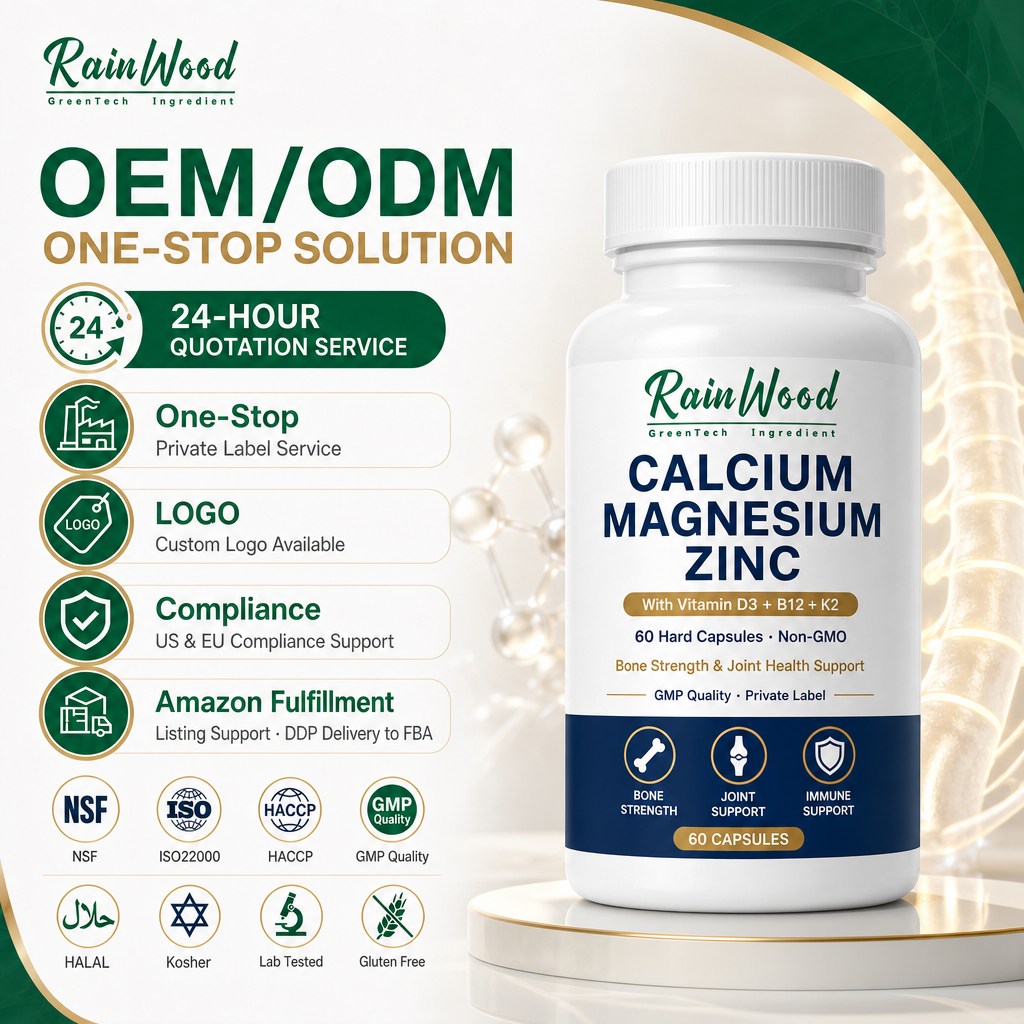
GMP Pure Calcium Magnesium Zinc Vitamin D3 B12 K2 Capsules
- Synergistic D3 (Cholecalciferol) + K2 (MK-7)
- High Bioavailability Chelated Minerals
- Format: 60 Count OEM Private Label
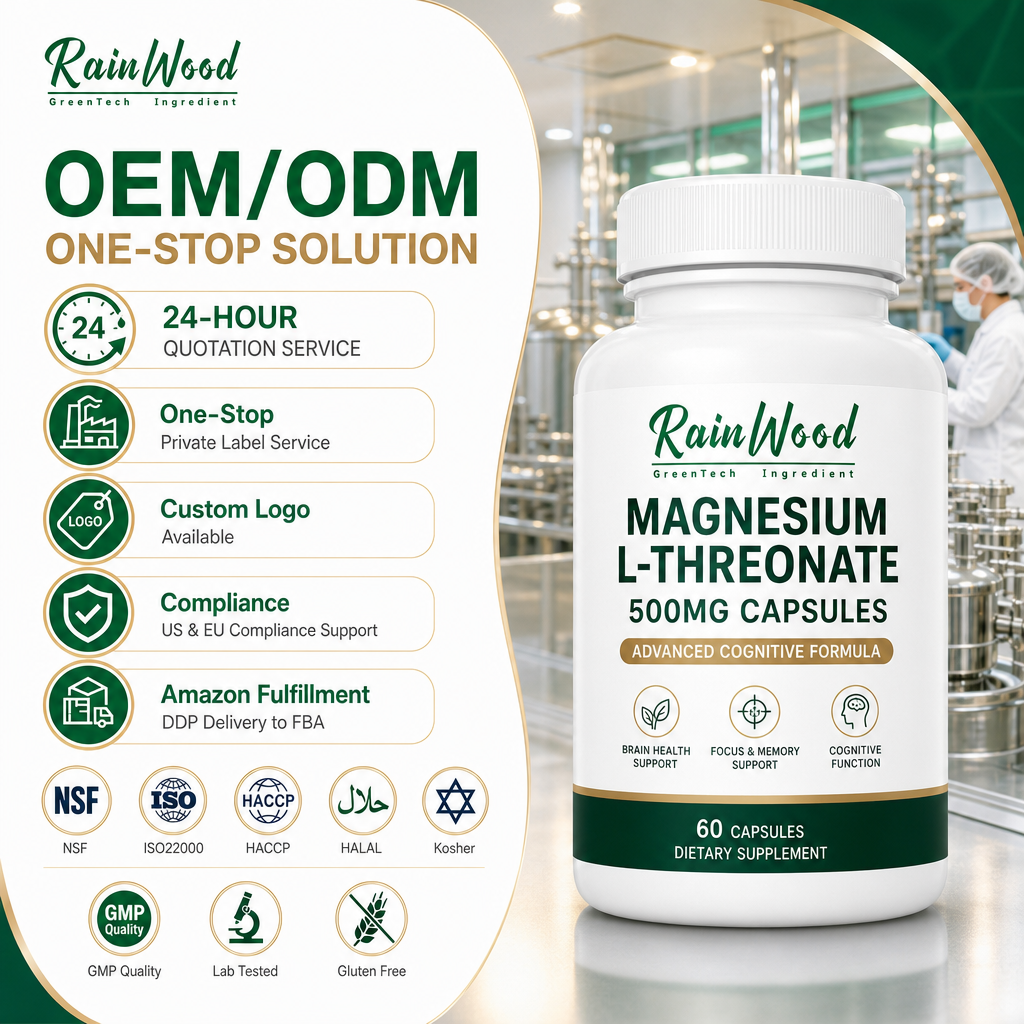
GMP Magnesium L-Threonate Magtein Grade 500mg Capsules
- Crosses Blood-Brain Barrier (BBB)
- Synaptic Density & Cognitive Support
- Water-soluble rapid absorption
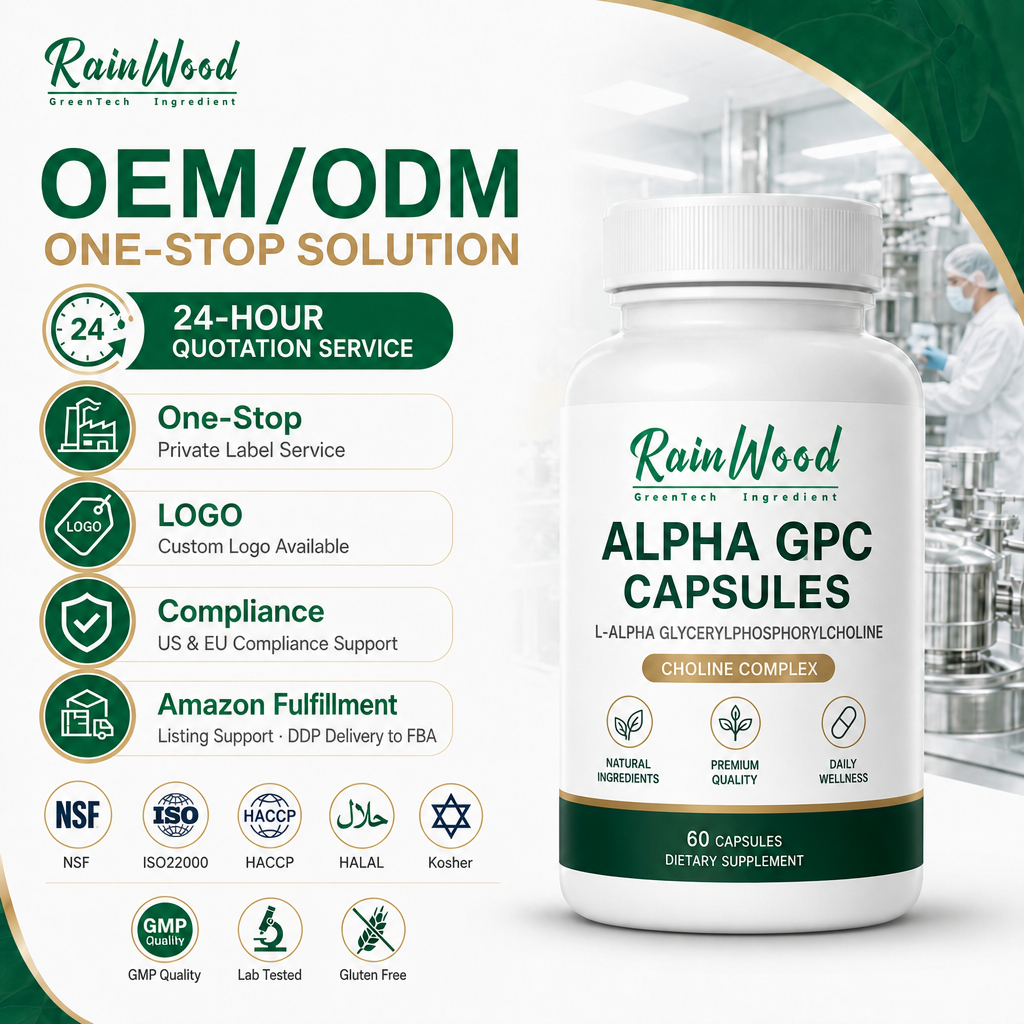
GMP Alpha GPC 99% Pure L-Alpha Glycerylphosphorylcholine
- Direct Acetylcholine Biosynthesis
- High Aqueous Solubility & Bioavailability
- Anti-hygroscopic processing
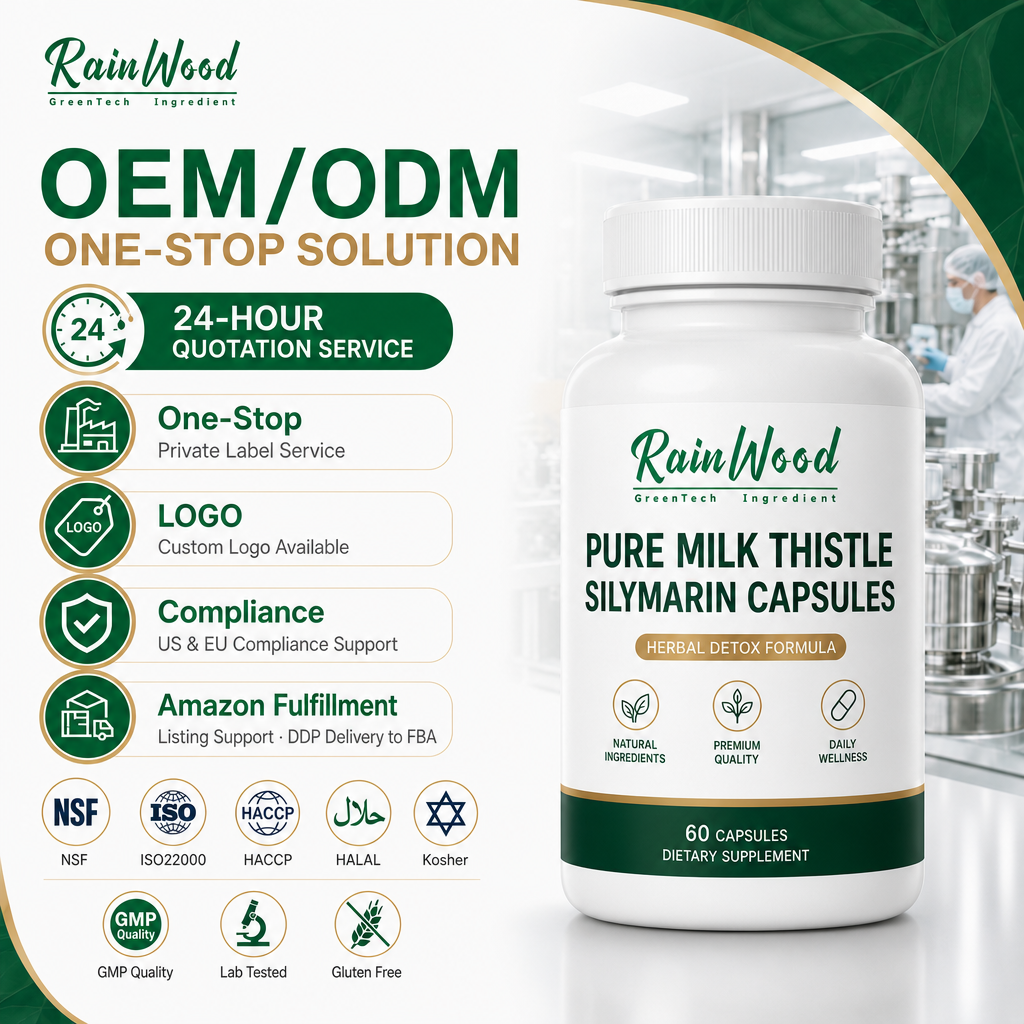
GMP Pure Milk Thistle Silymarin 80% UV / 30% Water Soluble
- Enhanced Silybin Solubilization
- Hepatic Protection & Antioxidant Assay
- USP/EP Residual Solvent Compliant
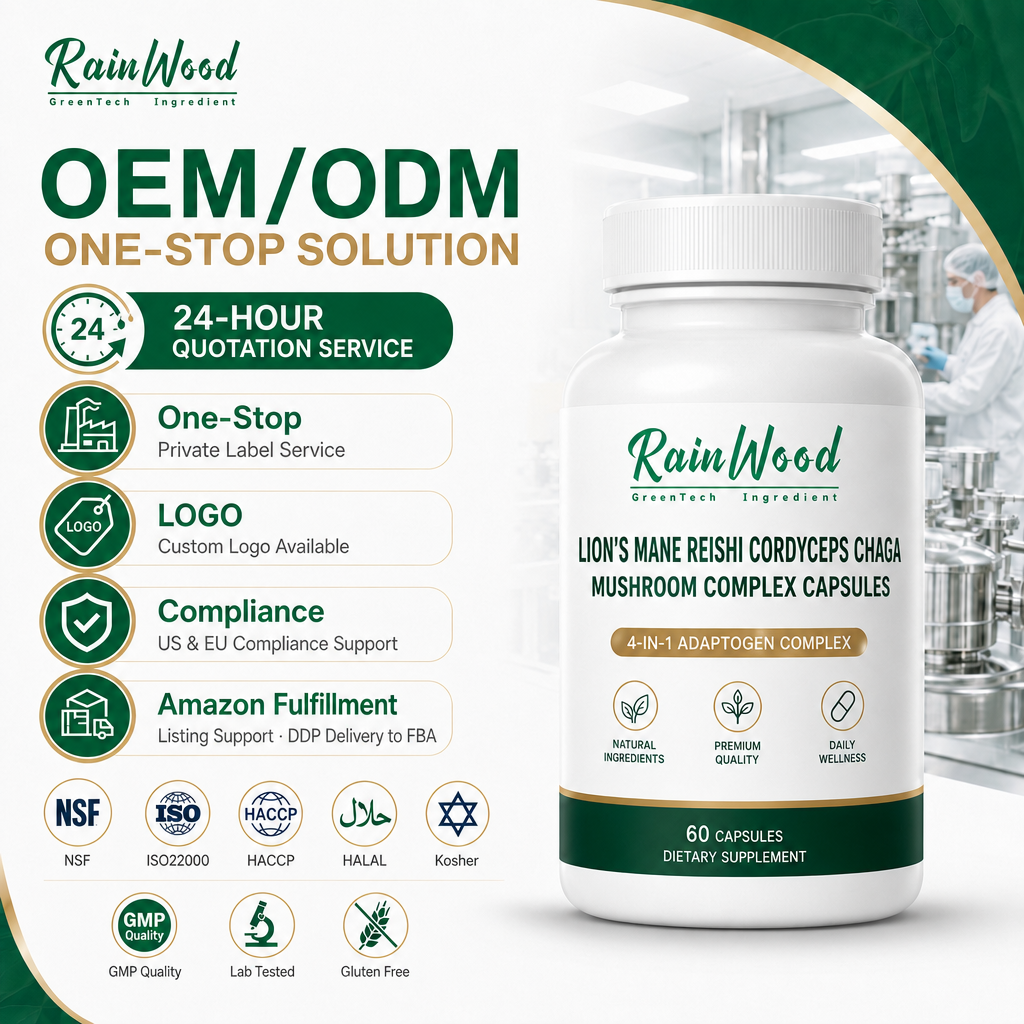
GMP Lion's Mane, Reishi, Cordyceps & Chaga 4-in-1 Extract
- >30% Beta-1,3/1,6-Glucans Verified
- Hot Water Dual Hydro-Extraction
- 100% Water Soluble Clear Clarity
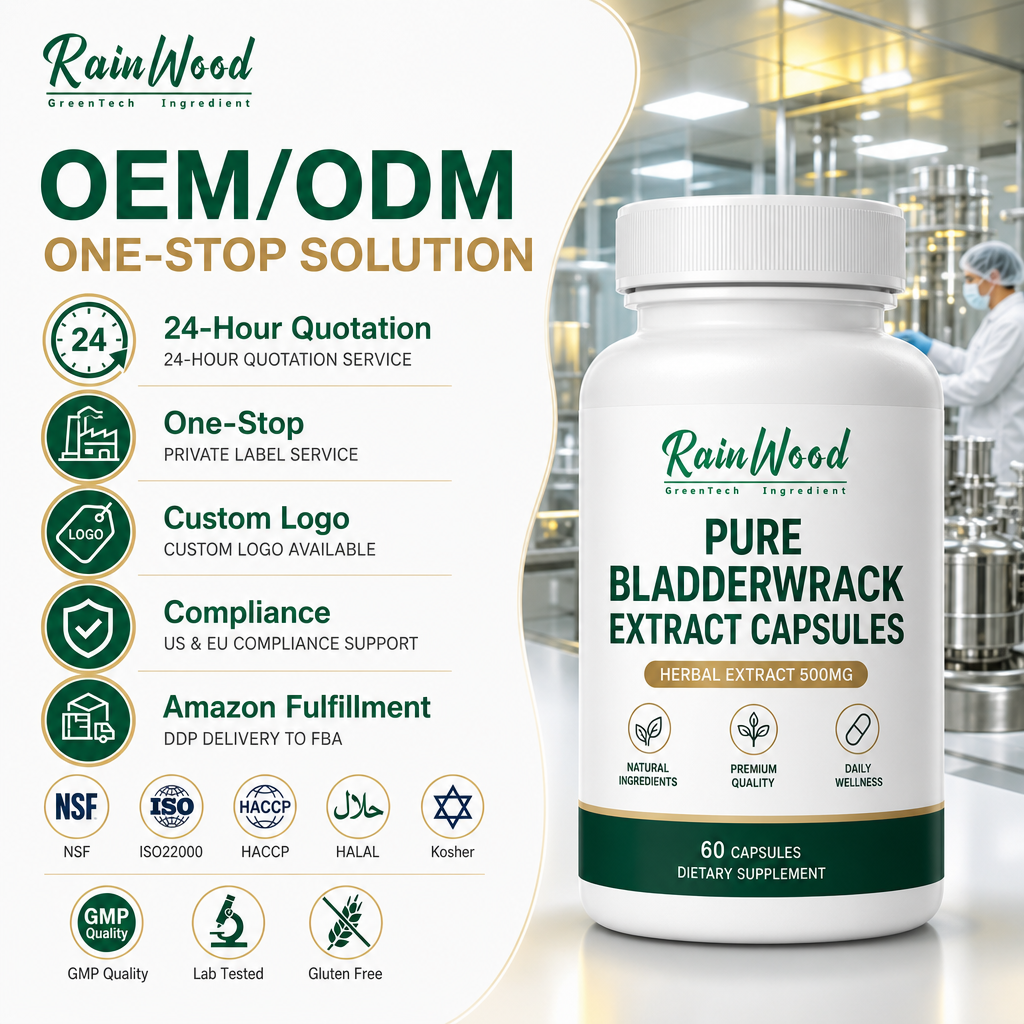
GMP Pure Bladderwrack (Fucus Vesiculosus) Extract 500mg
- Standardized Fucoidan & Natural Iodine
- Strict ICP-MS Heavy Metal Decontamination
- Endocrine & Cellular Metabolic Support
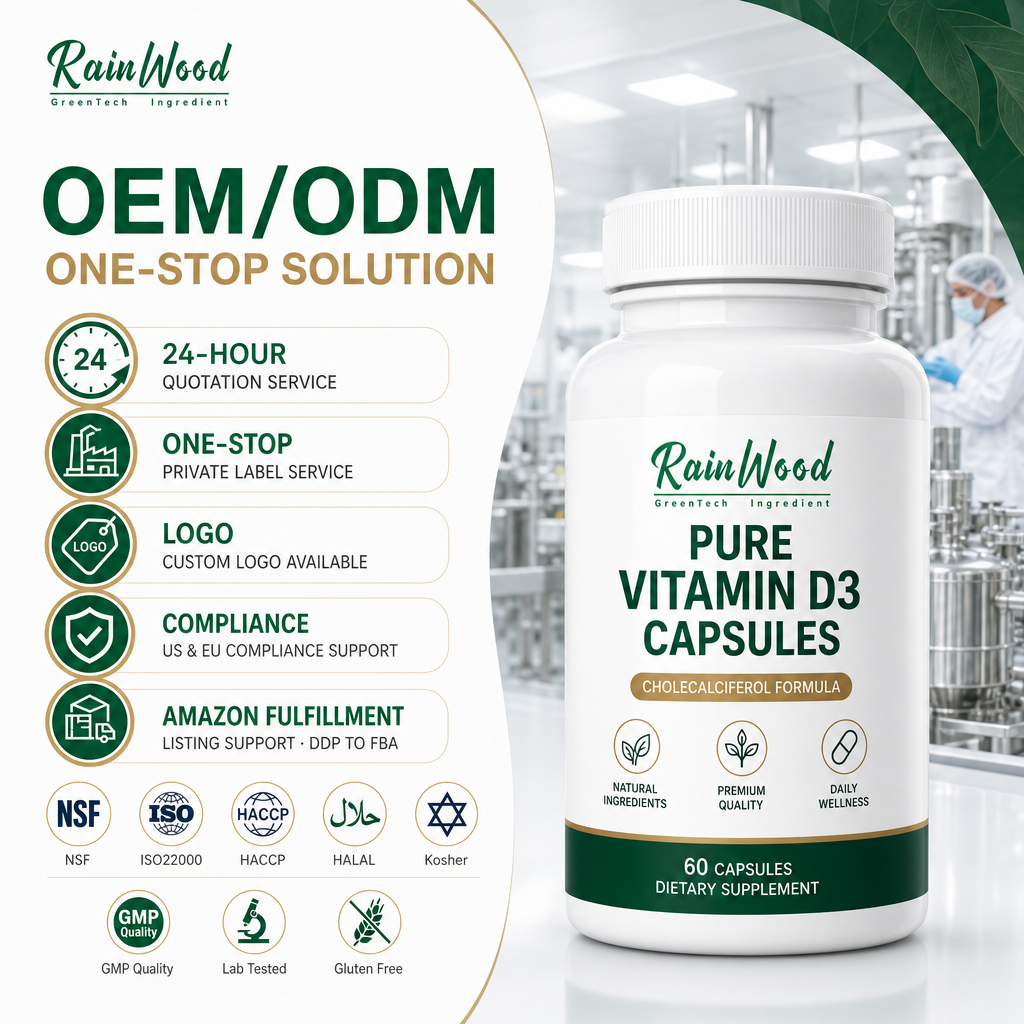
GMP Water-Dispersible Vitamin D3 Cholecalciferol Capsules
- Microencapsulated CWD Beadlet Technology
- High Heat & Compaction Resistance
- 5,000 IU / 10,000 IU Custom Strengths
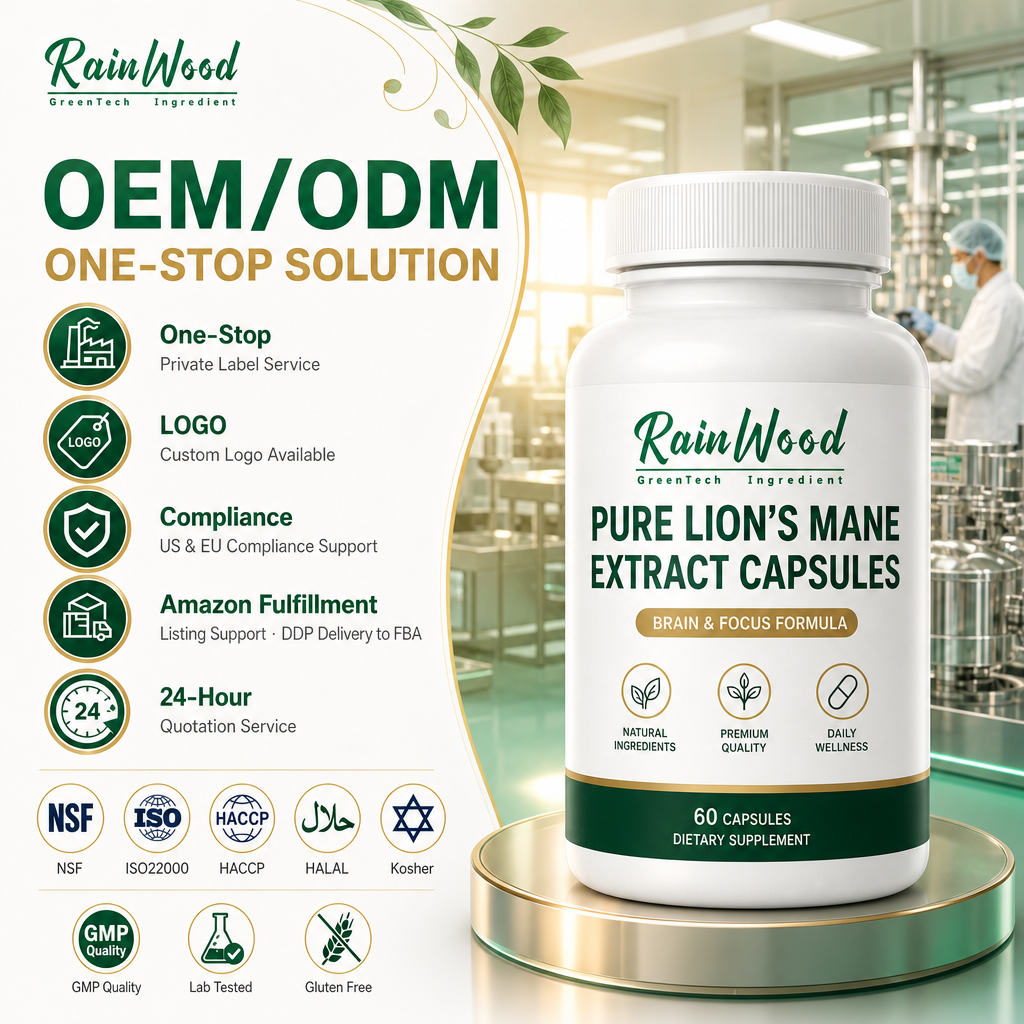
GMP Water-Soluble Lion's Mane Mushroom Extract Capsules
- Erinacines & Hericenones Standardized
- Zero Cloudiness / Complete Cold Soluble
- Supports NGF (Nerve Growth Factor)
The Chemistry of Water-Soluble Botanical Extracts: Bioavailability Breakthroughs
The botanical extraction sector is undergoing a profound paradigm shift. Historically, pharmaceutical and dietary supplement formulations relied heavily on hydro-ethanolic extraction processes that left valuable secondary metabolites—such as lipophilic flavonoids, triterpenoids, and fat-soluble curcuminoids—insoluble in neutral water environments. In commercial RTD (ready-to-drink) beverages, instant powder stick packs, and effervescent delivery matrices, conventional powdered extracts invariably precipitate, cause unpleasant turbidity, and experience severely limited intestinal absorption (often characterized by sub-10% systemic bioaccessibility).
As leading CE-certified water soluble plant extract manufacturers and global exporters, Shaanxi ESNO Biotech has integrated state-of-the-art solid dispersion, inclusion-complex molecular encapsulation (utilizing gamma-cyclodextrin and modified tapioca dextrins), and fluidized-bed cold-water-dispersible (CWD) spray-drying. These proprietary bioengineering workflows decrease dynamic particle diameter down to sub-micron dimensions ($d_{90} < 15\,\mu\mathrm{m}$), substantially lowering thermodynamic lattice energy. As a direct consequence, the dissolution kinetic velocity ($k_{\mathrm{diss}}$) is accelerated tenfold according to the classical Noyes-Whitney mathematical modeling:
By overcoming the innate hydrophobic boundaries of botanicals such as Silymarin, Hericium erinaceus polysaccharides, Bladderwrack fucoidans, and active polyphenols, our water-soluble botanical extracts remain visually transparent ($< 5\text{ NTU}$ nephelometric turbidity units) across varying pH spectrums ($2.8 - 7.4$). This thermodynamic stability prevents sedimentation, ring formation, or phase separation throughout standard 24-month finished-product shelf cycles.
Shaanxi ESNO Biotech Enterprise Advantages
Operating beyond minimum baseline compliance through NSF 455-2 GMP, ISO 22000, HACCP, and TÜV Rheinland On-Site Physical Facility Audits.
NSF 455-2 & ISO 22000 Cleanrooms
Production is executed within Class 100,000 (ISO Class 8) cleanrooms equipped with continuous HEPA positive pressure air exchanges, temperature and humidity control, preventing cross-contamination.
In-House Analytical Laboratory
Equipped with calibrated Agilent High-Performance Liquid Chromatography (HPLC), GC-MS for residual solvents (USP <467>), and Shimadzu ICP-MS for heavy metal quantification down to parts-per-billion (ppb).
Fully Automated Packaging Lines
From automated rotary blister packs and desiccant-injected bottling to multi-lane powder stick packing, our facilities ensure hermetic sealing, oxygen scavenging, and maximum shelf-life viability.
TÜV Rheinland Audited Facility
Independent physical on-site verification validating legal corporate existence, production capacity, machine calibration schedules, employee health safety, and ethical labor operations.
Low-MOQ Agility for Brands
Stock formulations are accessible from 100 to 500 units, empowering boutique innovators, e-commerce brands, and global supplement conglomerates to test formulations without balance-sheet strain.
Batch-Specific COA Traceability
Every commercial batch is accompanied by comprehensive documentation: Assay percentage, Heavy Metals (Pb, Cd, Hg, As), Pesticide Residue screen (>400 analytes), and total microbial limit tests.
Analytical Evaluation: Water-Soluble vs. Native Extracts
Scientific metrics demonstrating physical dispersion, sensory clarity, and pharmacokinetic bioavailability profiles.
| Quality Parameter | Native Botanical Powder | Conventional Hydro-Ethanolic Extract | ESNO Water-Soluble CWD Technology |
|---|---|---|---|
| Dissolution Speed (20°C Water) | Insoluble (Forms floating clumps) | Partial (> 5 minutes with residue) | Instant (< 25 seconds full dispersion) |
| Aqueous Optical Clarity | Completely Opaque (> 500 NTU) | Heavy Turbidity / Precipitation | Transparent / Clear (< 5 NTU) |
| In Vivo Bioavailability ($C_{\max}$) | Baseline (1.0x reference) | 1.8x – 2.4x reference | 4.5x – 8.2x superior mucosal uptake |
| Taste & Astringency Masking | Intense bitterness & grit | Harsh botanical astringency | Neutralized profile via cyclodextrin capping |
| Application Versatility | Only capsules or crude teas | Standard capsules & tablets | RTD Beverages, Effervescent, Stick Packs, Gummies |
Strategic Sourcing Trends: The 2025–2030 Global Outlook
Procurement professionals and sourcing directors in North America, Europe, and Asia-Pacific face an increasingly intricate regulatory environment. The global botanical extract market is expected to surpass USD $70 billion within the next five years, fueled primarily by the clean-label movement, functional beverage expansions, and an aging demographic demanding evidence-backed nutraceutical interventions. Below are the definitive procurement vectors transforming international raw material acquisition:
1. The Mandate for Zero-Excipient and Clean Label Integrity
B2B buyers are aggressively phasing out synthetic flow agents such as magnesium stearate, silicon dioxide, and artificial carrier maltodextrins with high glycemic indexes. Modern specifications demand non-GMO tapioca dextrin, organic acacia fiber, or native rice hull concentrates as solubilizing matrices. Formulators who switch to plant-derived clean carriers report a 34% higher consumer conversion rate on direct-to-consumer and retail shelves.
2. Strict European Pharmacopoeia (EP) & California Prop 65 Thresholds
Regulatory enforcement surrounding trace contaminants has intensified. Sourcing departments no longer tolerate broad compliance statements; they require quantifiable ICP-MS heavy metal guarantees: Lead ($Pb < 0.5\,\mathrm{ppm}$), Arsenic ($As < 0.5\,\mathrm{ppm}$), Cadmium ($Cd < 0.2\,\mathrm{ppm}$), and Mercury ($Hg < 0.1\,\mathrm{ppm}$). Furthermore, Pyrrolizidine Alkaloids (PAs) and polycyclic aromatic hydrocarbons (PAH4) are heavily regulated under Commission Regulation (EU) 2023/915. Manufacturers lacking dedicated chromatographic decontamination systems are being systematically disqualified from major European and American supply chains.
3. Cold-Water Dispersible (CWD) Adaptation for Functional Ready-to-Mix Formats
The traditional capsule model is being supplemented by portable stick packs, hydration sachets, and functional gummies. Sourcing specifications now mandate cold water solubilization testing at 10°C to 15°C. Ingredients that cake or fail to dissolve without vigorous mechanical blending are rapidly losing shelf share to engineered free-flowing granules that dissolve passively upon liquid contact.
Technological Innovations Shaping the Future of Plant Extraction
Manufacturing excellence in botanical processing is no longer defined merely by extraction yield; it is dictated by molecular integrity, enantiomeric purity, and precision delivery matrices. Shaanxi ESNO Biotech continues to pioneer breakthroughs across four key chemical engineering fronts:
Supercritical $CO_2$ Combined with Ultrasonic-Assisted Extraction (UAE)
Eliminating toxic organic solvents entirely, our hybrid extraction methodology utilizes subcritical water and dense phase $CO_2$ combined with low-frequency acoustic cavitation ($20-40\,\mathrm{kHz}$). This selectively lyses vegetal cell walls without thermal degradation, safeguarding sensitive polyphenolic compounds, saponins, and polysaccharides.
Enzymatic Biotransformation & Fermentation
Targeted cellulase, pectinase, and beta-glucosidase enzymatic pre-treatments convert insoluble bound glycosides into freely bioavailable aglycone structures. This drastically improves mucosal transit rates and optimizes downstream water compatibility.
Liposomal & Self-Microemulsifying Systems (SMEDDS)
For hydrophobic actives such as Urolithin A, Silybin, and Cholecalciferol, our liposomal encapsulation stabilizes the lipophilic molecules within phospholipid bilayers ($100-200\,\mathrm{nm}$), enabling spontaneous micro-emulsification in gastrointestinal aqueous fluids.
Molecular Distillation & Decolorization
Short-path vacuum wiped-film distillation separates desired bioactive components from dark chlorophylls, waxes, and astringent tannins. This produces a neutral-color, pleasant-tasting powder essential for clear liquid applications.
Frequently Asked Procurement Questions
Direct technical answers addressing regulatory compliance, validation documentation, formulation testing, and production logistics.
What specific documentation accompanies each export consignment?
- Batch-Specific Certificate of Analysis (COA): Detailed analytical parameters including HPLC/UV assay percentage, moisture content, bulk density, mesh particle size, and full microbiological limits (USP/EP total plate count, yeast/mold, E. coli, Salmonella).
- Heavy Metal ICP-MS Screen: Quantified Lead (Pb), Arsenic (As), Cadmium (Cd), and Mercury (Hg) reports.
- TSE/BSE Free & Non-GMO Declaration: Certification that raw materials are free from animal contamination and genetic modification.
- Certificate of Origin (COO): Chamber of Commerce legalized documentation to facilitate preferential import duty schedules.
- Safety Data Sheet (SDS / MSDS): Compliant with GHS international chemical and material safety standards.
How does Shaanxi ESNO Biotech achieve complete water solubility without adding harmful synthetic solubilizers?
- Cyclodextrin Inclusion Cavities: Hydrophobic phyto-molecules are molecularly encapsulated inside the non-polar inner cavity of natural cyclo-dextrins, while the outer hydrophilic exterior interacts freely with water molecules.
- Microfluidic High-Pressure Homogenization: Botanical particles are shear-reduced below $500\,\mathrm{nm}$, increasing wetting surface dynamics.
- Vacuum Fluidized Spray Agglomeration: Porous micro-granules are engineered with internal capillary micro-channels, pulling water rapidly into the core and preventing outer gel clumping.
What is the minimum order quantity (MOQ) for custom private label finished goods vs. raw bulk extract powders?
- Bulk Standardized Water-Soluble Powders: MOQs start from 1 kg for pilot laboratory bench formulation, with standard commercial shipments commencing at 25 kg fiber drums.
- Private Label Capsules (Bottled/Boxed): Standard stock formulas start at 100 to 500 bottles. Fully customized formulas requiring dedicated blending and granulation require 1,000 to 3,000 bottles.
- Custom Gummy Supplements: Pectin-based vegan gummies typically start at 500 to 1,000 retail bottles.
- Powder Stick Packs & Sachets: Minimum run size is 10,000 to 20,000 individual stick units based on printed foil cylinder requirements.
Can your facility handle regulatory audit verification and custom third-party testing?
What are the lead times for custom formulation sampling, stability validation, and mass export shipment?
- R&D Pilot Samples: Formulated and dispatched via DHL/FedEx within 3 to 7 working days.
- Commercial Packaging Artwork & Tooling Proofs: Approved within 5 working days.
- Full Scale Production Cycle: Mass manufacturing, encapsulation, bottling, and QA release typically completed in 15 to 25 calendar days.
- Global Logistics: Air cargo express (3 to 6 days door-to-door) or expedited ocean freight with temperature-controlled reefer containers (18 to 32 days worldwide).
Accelerate Your Nutraceutical Formulations with ESNO Biotech
Partner with an audit-verified, CE-compliant, and GMP-certified direct manufacturer. Request technical dossiers, pricing tiers, and custom laboratory evaluation samples today.