Factory-Direct Formulations & Botanical Finished Solutions
High-potency nutraceutical products manufactured under NSF 455-2 GMP, ISO 22000, and HACCP validated standards with comprehensive batch analytical verification.
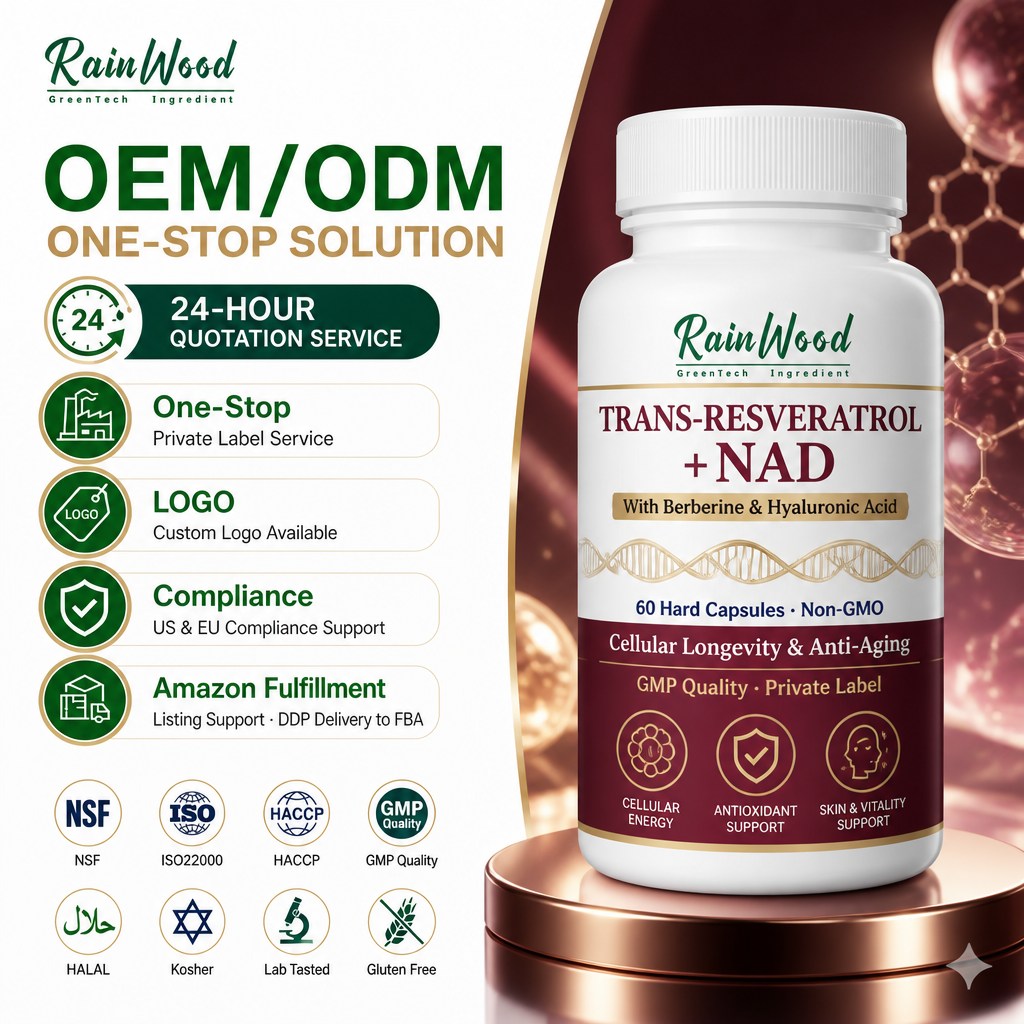
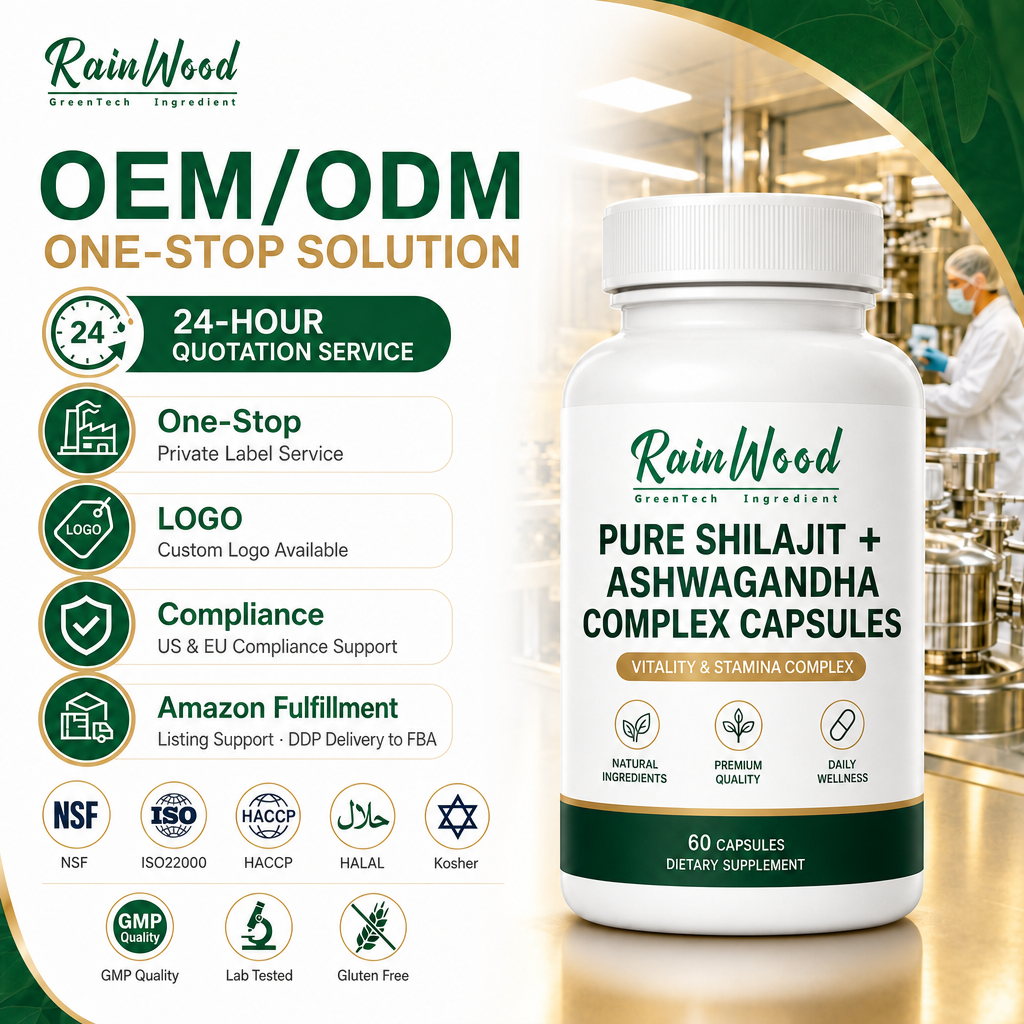
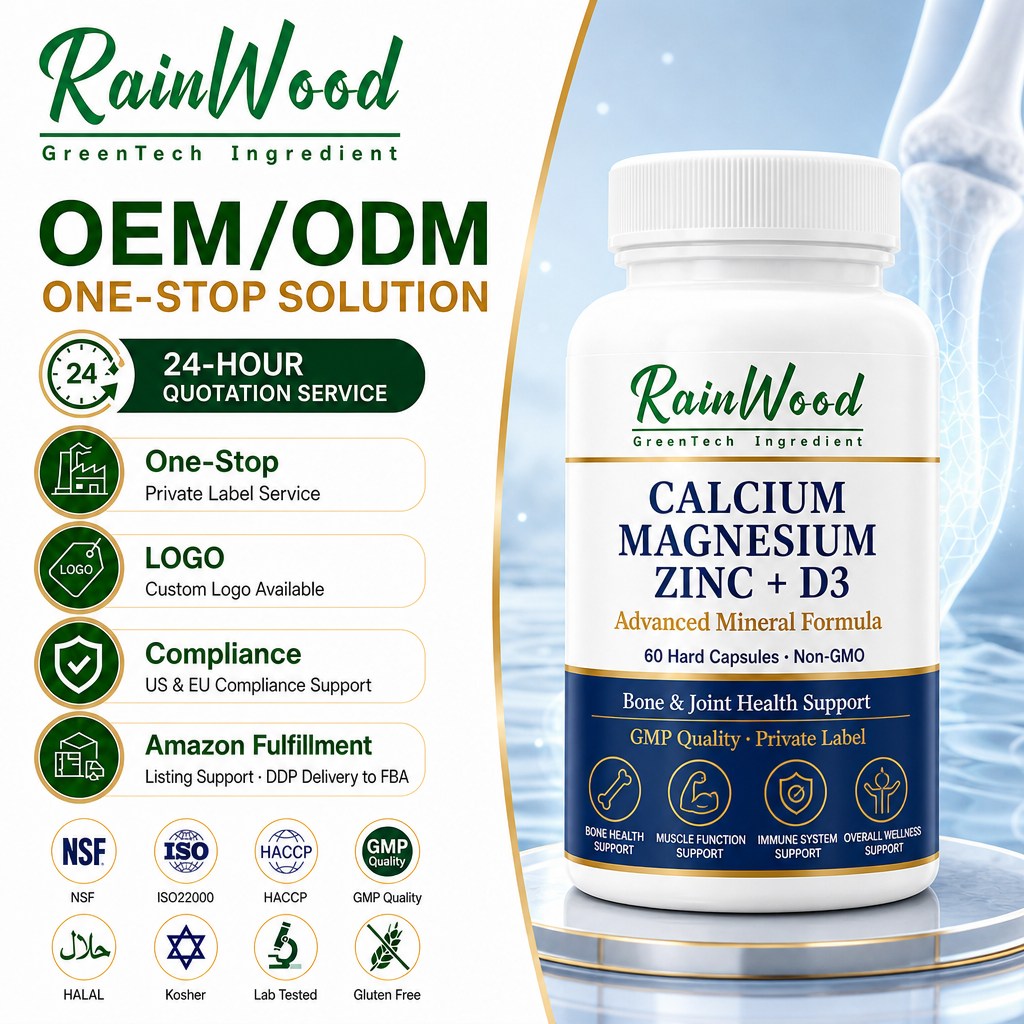
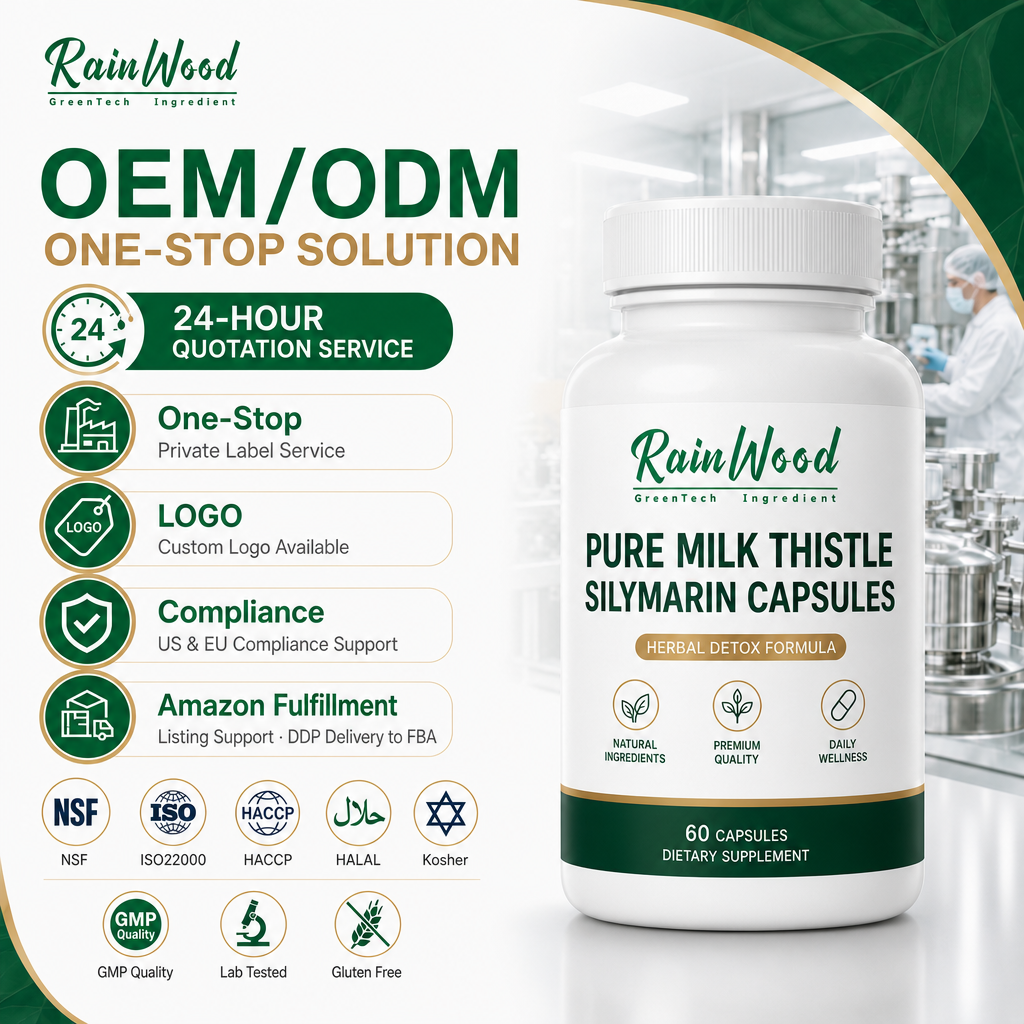
China's Phyto-Extraction Industrial Landscape: Sourcing Architecture
From native botanical biomass aggregation in Shaanxi to advanced isolation columns, China's best flower extract factories provide unmatched efficiency, standardized assays, and global supply stability.
Geographic Raw Biomass Moats
China's centralized production infrastructure benefits from direct proximity to medicinal floral cultivation bases across the Qinling Mountains and southwestern corridors. This spatial convergence guarantees minimal post-harvest degradation of sensitive bioactives such as anthocyanins, flavonoids, and volatile terpenes.
Raw agricultural flower inputs undergo immediate flash drying or low-temperature stabilization, preventing enzyme hydrolysis before botanical extraction batches commence.
Extraction Engineering Matrix
Modern extract factories utilize clean industrial methods: Supercritical CO2 fluid extraction for lipophilic floral compounds, continuous counter-current solvent cascades for maximal glycoside yields, and macroporous resin column chromatography for pinpoint standardized marker enrichment.
High-vacuum multi-effect falling film evaporation removes residual extraction solvents down to non-detectable parts per million (PPM), surpassing EU Pharmacopoeia limits.
E-E-A-T Quality Safeguards
Verified suppliers deploy validated analytical equipment including HPLC, GC-MS, and ICP-MS. Every flower extract lot is audited against heavy metal thresholds (Pb, As, Cd, Hg), microbiological parameters (USP <2021> and <2022>), and multi-screen pesticide residue tests.
Shaanxi ESNO Biotech's dedicated QC lab ensures thorough verification across raw florals, in-process concentrates, and dry extracts.
Industrial Extraction Methodology & Marker Integrity
Compare commercial flower extraction technologies against targeted botanical biomarkers, yield metrics, solvent residues, and international standard compliances.
| Extraction Technology | Target Floral Bioactives | Average Assay Yield | Thermal Degradation Risk | Solvent Trace Profile | Primary Market Standard |
|---|---|---|---|---|---|
| Supercritical CO2 Fluid | Essential Oils, Sesquiterpenes, Lipophilic Actives | 95.5% – 99.2% | Ultra-Low (31°C - 35°C Critical Pt.) | 0.00 PPM (Solvent-Free) | USP / EU Ph. / Clean Label |
| Ethanol-Water Counter-Current | Flavonoids, Polyphenols, Floral Glycosides | 88.0% – 94.0% | Moderate (Controlled Vacuum <50°C) | < 50 PPM (Compliant USP <467>) | Dietary Supplement / Nutraceutical |
| Macroporous Resin Separation | Purified Isoflavones, Saponins, Pigments | 92.0% – 98.0% | Low (Ambient Adsorption) | Strict Desorption Scrubbing Needed | Active Pharmaceutical Ingredients (API) |
| Enzymatic Hydrolysis Extraction | Bound Phenolic Acids, Polysaccharides | 85.0% – 91.5% | Low-to-Neutral (40°C Enzyme Optimum) | Aqueous Phase (Zero Organics) | Functional Food & Beverage |
Future Procurement Trends: Where the Flower Extract Market is Moving
Global purchasing managers must adapt to rising regulatory standards, supply chain disruptions, and changing consumer habits. Here is our 5-year outlook on the flower extract sector.
1. DNA Barcoding & Identity
Regulatory agencies like the US FDA and EFSA now require precise taxonomic confirmation. Adulteration risks with non-medicinal flower biomass make genomic DNA barcoding and HPLC fingerprint matching mandatory procurement prerequisites.
2. Liposomal & Microencapsulated
Raw floral polyphenols often face degradation in human gastric acid. High-tier Chinese manufacturers now deliver liposomal spray-dried flower extract powders, significantly improving active bioavailability, ingredient shelf stability, and targeted intestinal absorption.
3. Standardized Functional Ratios
The market has shifted away from non-specific extraction ratios (e.g., generic 10:1 or 20:1) toward quantified, marker-standardized specifications like Silymarin 80%, Lutein 20%, or Apigenin 98%, ensuring predictable active dosing and clear label claims.
4. Turnkey Finished Dose OEM
Brands prefer partnering with extract facilities that also offer in-house dosage manufacturing. Handling floral extraction, granulation, encapsulation, and final bottling under a single roof cuts supply chain risk and reduces turnaround time by up to 40%.
Validated Pharmaceutical Production & Extraction Process
From botanical quarantine to clean packaging, our GMP certified manufacturing lines ensure full traceability and high product stability.
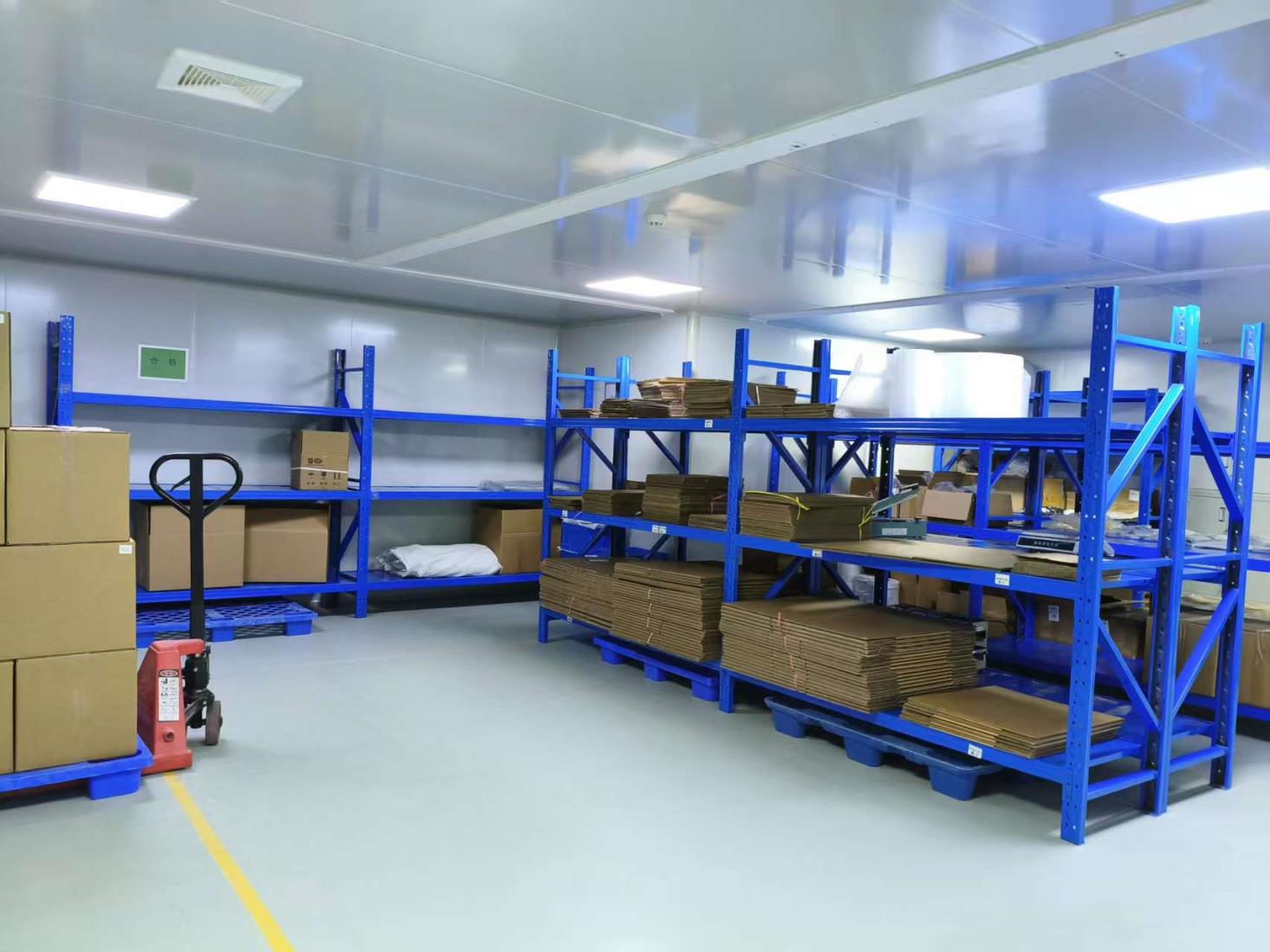
Material Quarantine
Raw floral inputs are sampled and screened for identity, moisture, and microbial load.
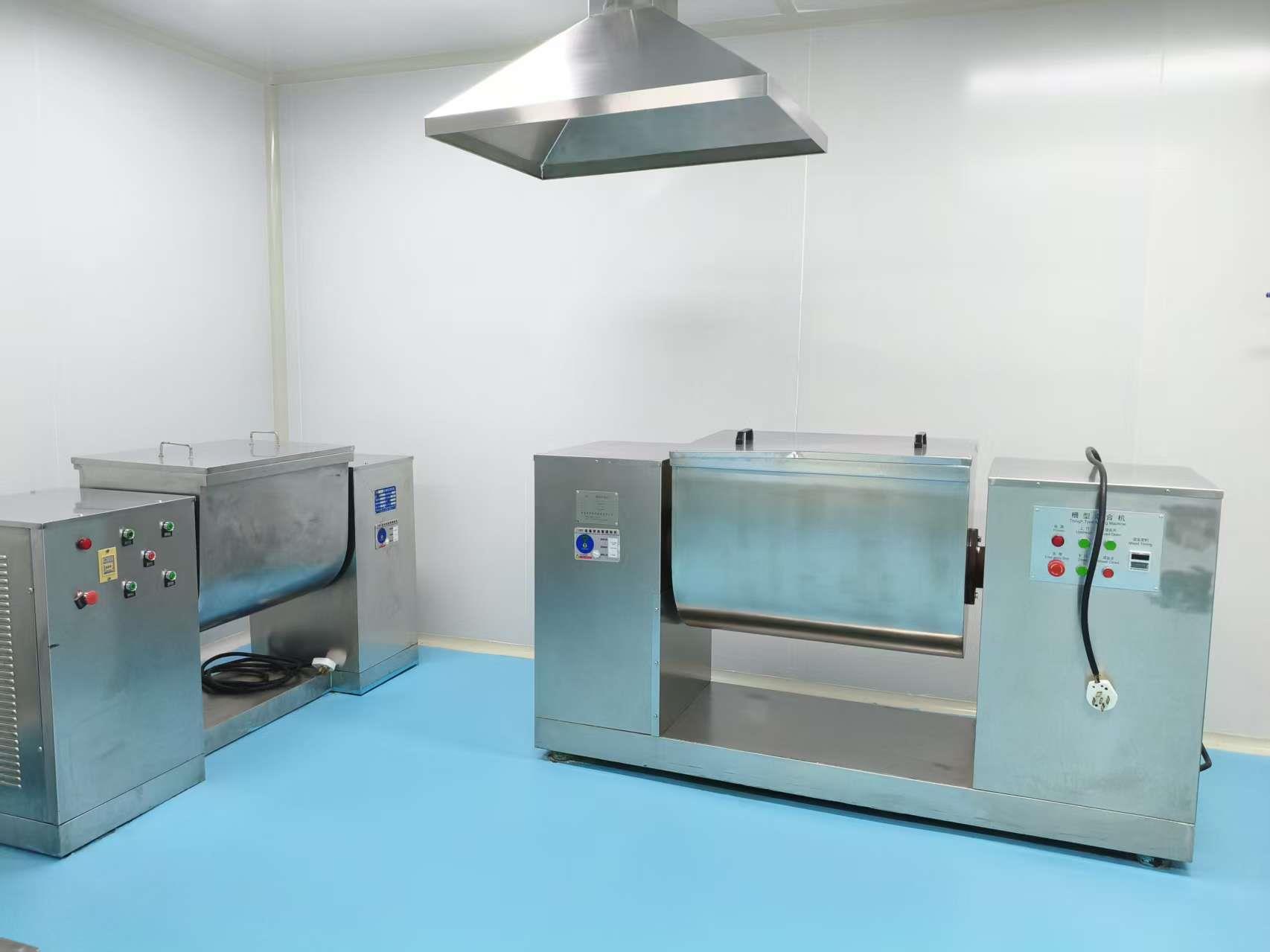
Precision Blending
Automated blenders homogenize extracts and active excipients for even distribution.
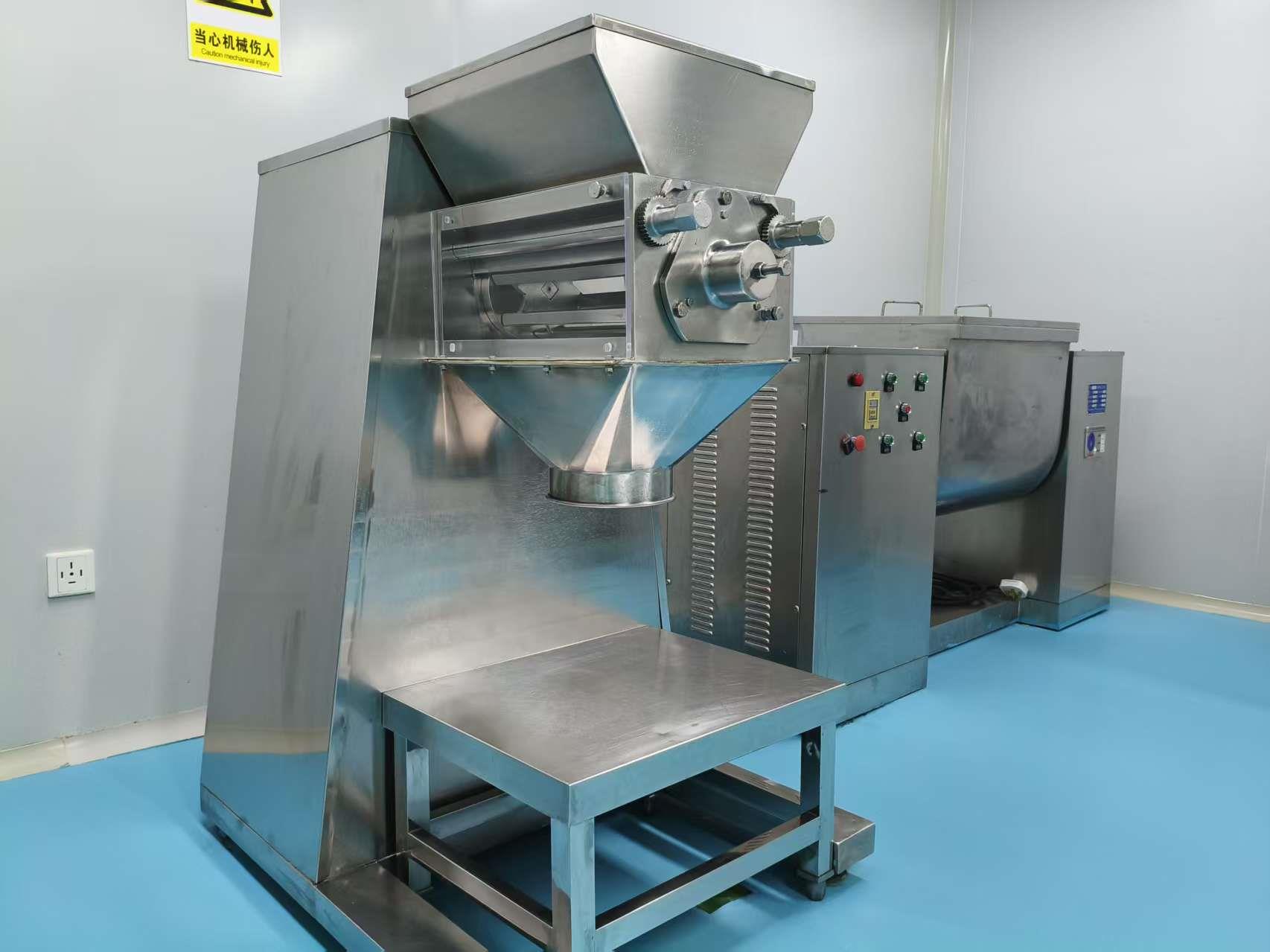
Granulation
Fluid-bed granulation improves powder flow and ensures consistent capsule weights.
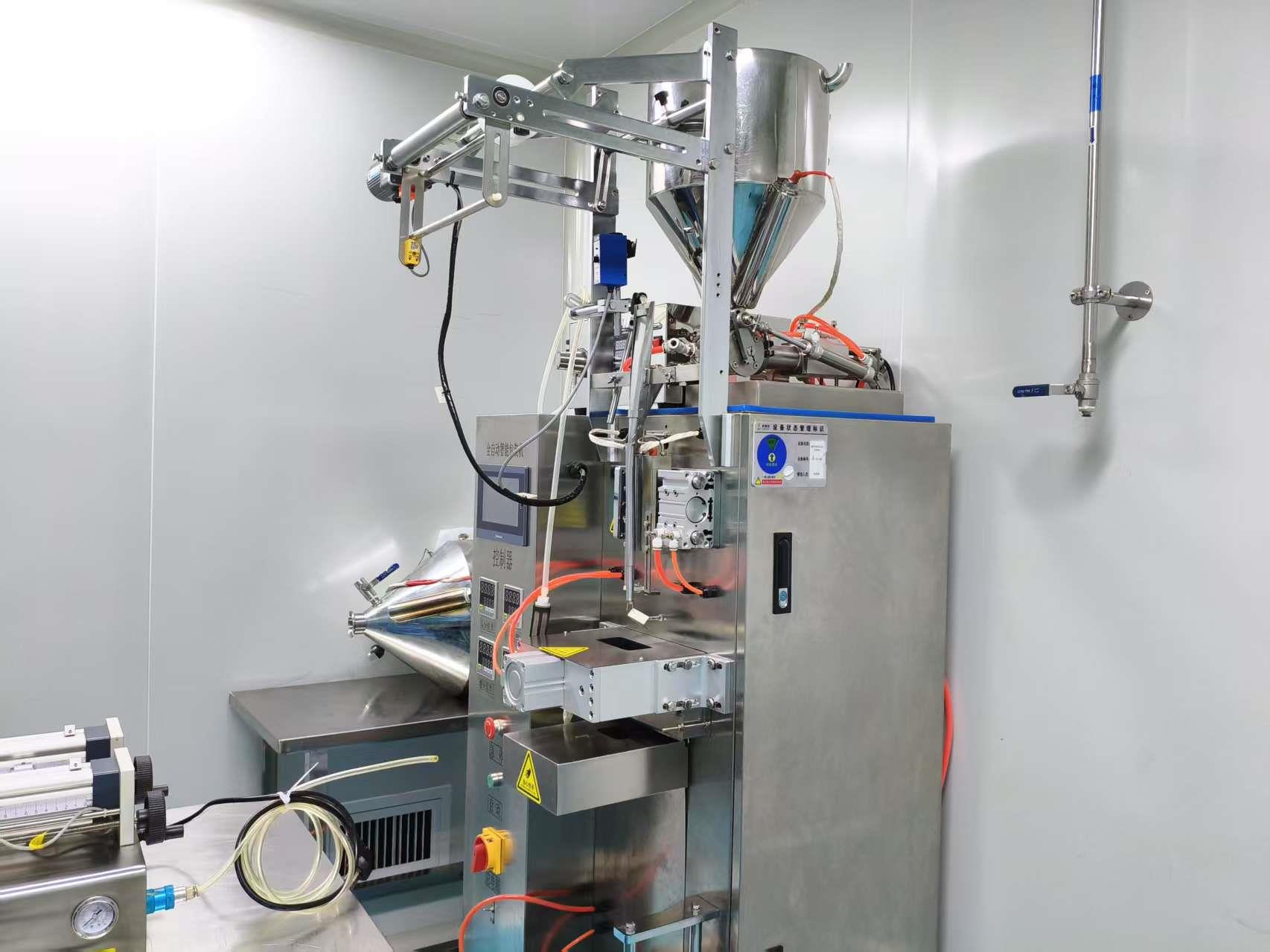
Dosing & Encapsulation
High-speed lines encapsulate formulations into vegan HPMC or bovine shells.
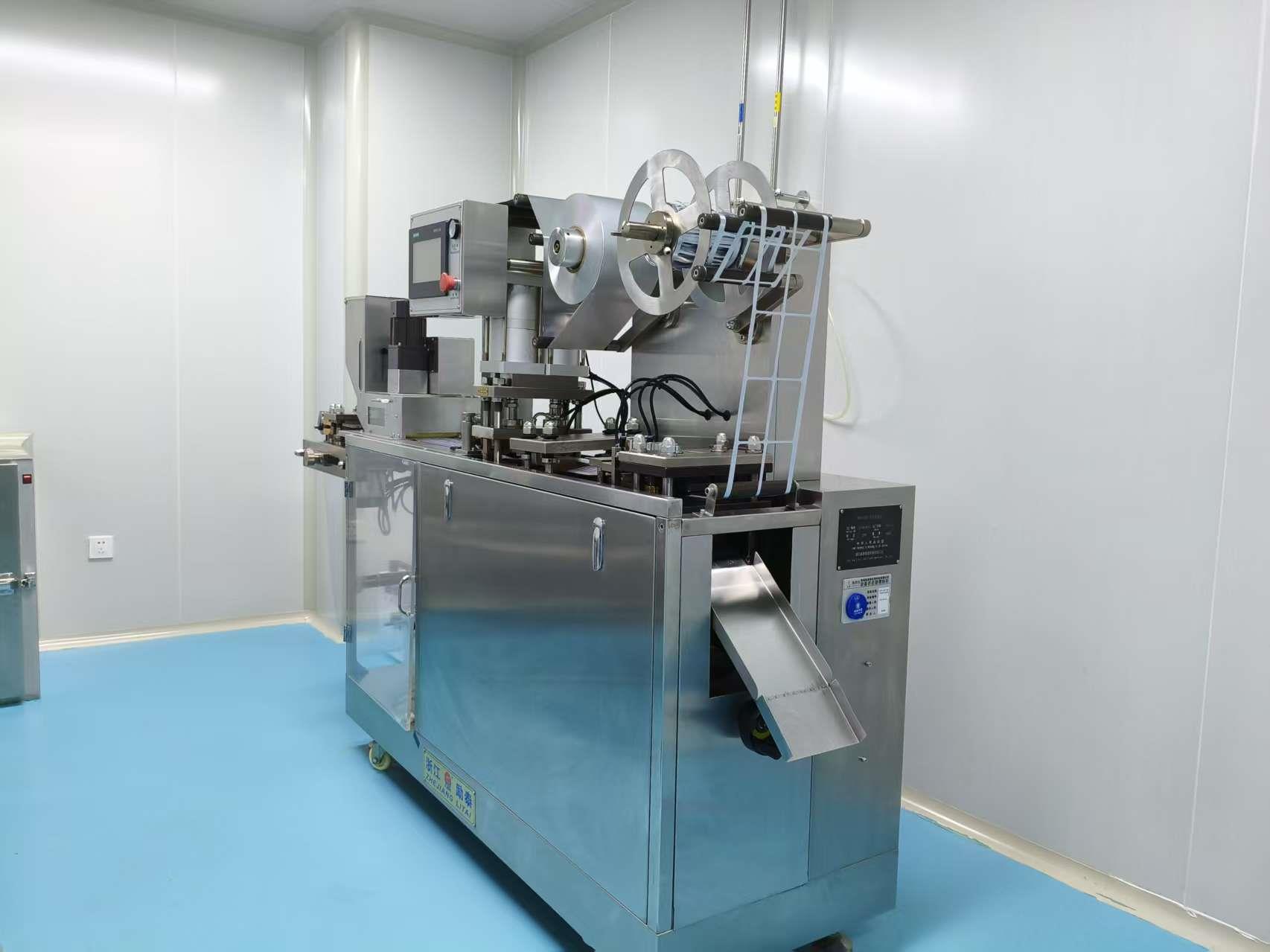
Export Packaging
Induction-sealed bottles are labeled, batch-coded, and palletized for export.
Shaanxi ESNO Biotech Co., Ltd. Advantage
Established in 2006 in Xi'an's High-Tech Zone, ESNO Biotech combines botanical extraction expertise with full-service contract manufacturing for global dietary supplement brands.
Verified Compliance Infrastructure
Our facility operates under rigorous international quality certifications: NSF 455-2 GMP, ISO 22000, HACCP, and verified EU/USDA Organic standards. Production infrastructure has been independently audited on-site by TÜV Rheinland.
Formula R&D Library
Over 19 years, our technical team has engineered 400+ custom product designs across 3,500+ client projects. We support quick pilot sampling (7–10 days) to help our partners evaluate flowability, dissolution, and taste before full-scale manufacturing.
Flexible Private Label MOQs
We offer tiered MOQ programs starting at 100 to 500 units for standard capsules and gummies, and 2,000 units for softgels. This setup lets emerging brands test their market before scaling to multi-pallet inventory runs.
Frequently Asked Questions for Flower Extract Sourcing
Practical insights on technical compliance, minimum orders, analytical documentation, and custom formulations.
How do you verify marker concentration and prevent adulteration?
What is the standard MOQ for private label flower extract capsules?
Which compliance documents are provided with each export consignment?
Can you formulate flower extracts into stable functional gummies?
How are residual solvents managed under USP <467> guidelines?
What is the standard production lead time from order to dispatch?
Connect with our Phyto-Extraction Specialists
Whether you require bulk standardized active ingredients or a turnkey private-label product line, our team can help you with formula design, analytical assays, pilot sampling, and commercial scaling.