NSF 455-2 GMP · ISO 22000 · HACCP [email protected]
English
Get a Quote
Industrial Phytochemical Authority • NSF 455-2 GMP Certified

China Best Organic Plant Extract Factories & Supplier

Engineering High-Purity Active Botanical Actives, USDA/EU Certified Organic Compounds, and Full-Spectrum Private Label Formulations for Global Nutraceutical Brands.

Precision Phytotherapy Catalog

Featured Standardized Extracts & Synergistic Formulations

Batch-verified, high-potency encapsulated compounds manufactured under Class 100,000 cleanroom environments with full chromatography tracing and quantitative molecular standardization.

19+
Years Manufacturing (Since 2006)
100+
Global Export Destinations
400+
Custom Formulation Blueprints
3,500+
Global Brand Partners
40k+
Batch Shipments Delivered
Procurement Intelligence Whitepaper

The Evolution of Organic Plant Extract Manufacturing in China: Bridging Phytochemical Precision with International Regulatory Compliance

Audited Standards: NSF 455-2 GMP • ISO 22000 • HACCP Quarterly Sourcing Cycle 2025/2026 Verified by TÜV Rheinland On-Site Inspection

The global botanical and dietary supplement market is undergoing a fundamental structural transition. Brand owners, compounding pharmacies, contract pharmaceutical distributors, and multinational retailers are migrating away from simple ratio extracts (e.g., 4:1 or 10:1 bulk powders without chemical profiling) toward quantified phytochemical isolates, DNA-authenticated botanicals, and certified organic compounds. At the core of this global supply chain is Shaanxi province, China — globally recognized as the epicenter of phytochemistry, harboring over 60% of the world's primary botanical extraction capacity due to the indigenous biodiversity of the Qinling Mountain corridor.

However, securing an authoritative partner among hundreds of manufacturing facilities demands deep technical due diligence. A credible B2B plant extract supplier must operate beyond standard agricultural harvesting; it requires advanced industrial infrastructure spanning counter-current continuous extraction, subcritical fluid fractionation, nanofiltration, thin-film molecular evaporation, and pharmaceutical-grade spray crystallization. Shaanxi ESNO Biotech Co., Ltd. has stood at the vanguard of this engineering paradigm since 2006, transitioning raw organic herbal crops into cGMP-compliant active pharmaceutical ingredients (APIs), standardized botanical powders, and retail-ready finished dosage forms exported to more than 100 countries.

Evaluating Extraction Suppliers: Industrial Grade vs. Traditional Brokerage

Procurement teams must distinguish between true primary extract manufacturers and secondary blending brokers. The table below delineates the empirical quality thresholds observed at ESNO Biotech compared to conventional commodity traders:

Audit Parameter ESNO Biotech (Tier-1 GMP Manufacturer) Standard Domestic Traders / Brokers Direct Industry Impact
Analytical Traceability Every Batch COA + HPLC/GC-MS/ICP-MS Generic batch COA; external contract testing Guarantees active constituent potency; prevents label claim recalls.
Organic Authentication USDA NOP • EU Organic (EC 848/2018) Full Chain Uncertified raw sourcing; fraudulent claims Eliminates customs import seizures and regulatory border bans.
Pesticide Screening USP ⟨561⟩ 500+ Multi-Residue Mass-Spec Basic organochlorine testing or untested Strict compliance with California Prop 65 & EFSA maximum residue limits.
Heavy Metal Limits Pb <0.5ppm, As <0.5ppm, Cd <0.1ppm, Hg <0.05ppm Total heavy metals <10ppm or <20ppm Prevents cellular neurotoxicity and meets pediatric safety metrics.
Solvent Residues USP ⟨467⟩ Class 1, 2, 3 GC Headspace Controlled Unregulated industrial ethanol/methanol residues Zero VOC emissions, pure bio-affinity, non-cytotoxic end products.
Manufacturing Formats Raw Extracts, Capsules, Gummies, Stick Packs, Softgels Bulk powder bags only; no cleanroom packaging Single turnkey supply chain — from raw biomass to shelf-ready bottles.
Industry Forecasting

Global Procurement & Phytochemical Development Trends (2025–2030)

Strategic macroeconomic and biochemical developments reshaping how enterprise dietary supplement brands, clinical nutraceutical developers, and contract manufacturers procure herbal raw materials.

Phytosome & Liposomal Encapsulation

Conventional raw botanical extracts suffer from degraded oral bioavailability due to gastrointestinal enzymatic breakdown and poor lipid permeability. The industry is rapidly adopting phospholipid complexation (phytosomes) and liposomal liquid/powder suspensions to amplify cellular uptake by up to 800% for hydrophobic compounds like Curcumin, Quercetin, and Apigenin.

DNA Barcoding & Botanical Species Integrity

Adulteration via species substitution (e.g., adulterating Panax ginseng with Panax quinquefolius, or swapping Rhodiola rosea for Rhodiola crenulata) is now actively targeted by regulatory border authorities. Modern procurement protocols require DNA barcoding paired with High-Performance Thin-Layer Chromatography (HPTLC) fingerprinting to confirm genomic authenticity prior to extraction.

Green Solvent Engineering (Supercritical CO2)

Environmental directives such as the European Green Deal are phasing out chlorinated petrochemical extraction solvents (hexane, ethyl acetate). State-of-the-art facilities like ESNO Biotech utilize Supercritical Fluid Extraction (SFE-CO2) and ultra-pure hydro-ethanolic solvents, guaranteeing clean-label compliance with zero toxic VOC residues remaining in finished consumer products.

Low-MOQ Agility for Cross-Border E-Commerce

The explosion of digital brands on Amazon, TikTok Shop, and Shopify has upended historical contract manufacturing paradigms requiring 50,000-unit commitments. Modern factory leaders provide flexible agile manufacturing (MOQs from 100 to 500 units for stock formulations), allowing brands to test product-market fit without capital-intensive inventory exposure.

Microbiome-Targeted Botanical Polysaccharides

Mushroom nootropics and immunomodulators (Lion's Mane, Reishi, Cordyceps, Turkey Tail) are shifting from raw powdered fruit bodies to multi-stage triple-extracted β-glucan concentrates. Standardizing specific 1,3-1,6 beta-D-glucan linkages ensures targeted gut microbiota fermentation, driving gut-brain axis cognitive signaling and immune activation.

End-to-End Chain-of-Custody ESG Auditing

Institutional buyers now mandate carbon-neutral, ethically harvested botanicals. Direct farm-level contracts with geo-tagged botanical origin tracking, regenerative agriculture principles, and water conservation recycling systems provide brands with the empirical ESG verification required for global enterprise retail shelf placement.

ESNO Biotech Industrial Edge

Manufacturing Infrastructure & Technical Capabilities

Operating from the national high-tech manufacturing hub of Xi'an, Shaanxi ESNO Biotech Co., Ltd. integrates 19 years of botanical extraction engineering with Class 100,000 automated finished-dose supplement production.

Global Multi-Jurisdiction Certification

Our facility operates under rigorous international frameworks including NSF 455-2 GMP (Dietary Supplements), ISO 22000 (Food Safety Management), HACCP, and continuous audit verification by TÜV Rheinland. Every process conforms to US FDA 21 CFR Part 111 and European Commission health standards.

In-House Analytical Quality Control Laboratory

Equipped with Shimadzu and Agilent High-Performance Liquid Chromatographs (HPLC), Gas Chromatography-Mass Spectrometry (GC-MS), and Inductively Coupled Plasma Mass Spectrometry (ICP-MS). We analyze every incoming raw lot and finished batch for active potency, heavy metals, residual solvents, and microbiological pathogens.

Full Dosage Form Versatility (Turnkey OEM/ODM)

From raw botanical extract powders to retail-ready formulations: Vegetarian HPMC & Gelatin capsules (sizes 000 to 4), pectin & gelatin functional gummies, nitrogen-flushed powder stick packs & sachets, film-coated tablets, softgels, and authentic purified Himalayan-style shilajit resin.

Step-by-Step Production & Quality Release Pipeline

Our documented, transparent manufacturing process ensures reproducible bioavailability and shelf-life stability across every production run:

PHASE 01

Raw Biomass Quarantine

Botanical species identity, TLC fingerprinting, pesticide screening, and heavy metal assays.

PHASE 02

Extraction & Refining

Low-temperature hydro-ethanolic extraction, subcritical fractionation, vacuum concentration.

PHASE 03

Homogenization

Micro-milling, excipient granulation, precision blending for uniform active ingredient distribution.

PHASE 04

Automated Encapsulation

High-speed rotary capsule filling, tablet compression, or gummy depositor molding under cleanroom airflow.

PHASE 05

Packaging & CoA Release

Induction sealing, bottle labeling, nitrogen flushing, blister packaging, and release of final batch CoA.

Client Knowledge Base

Frequently Asked Questions • B2B Procurement & Manufacturing

Definitive answers to common technical, legal, and operational inquiries encountered by international buyers qualifying plant extract manufacturers in China.

What are the exact minimum order quantities (MOQ) for custom vs. stock botanical extract formulations?
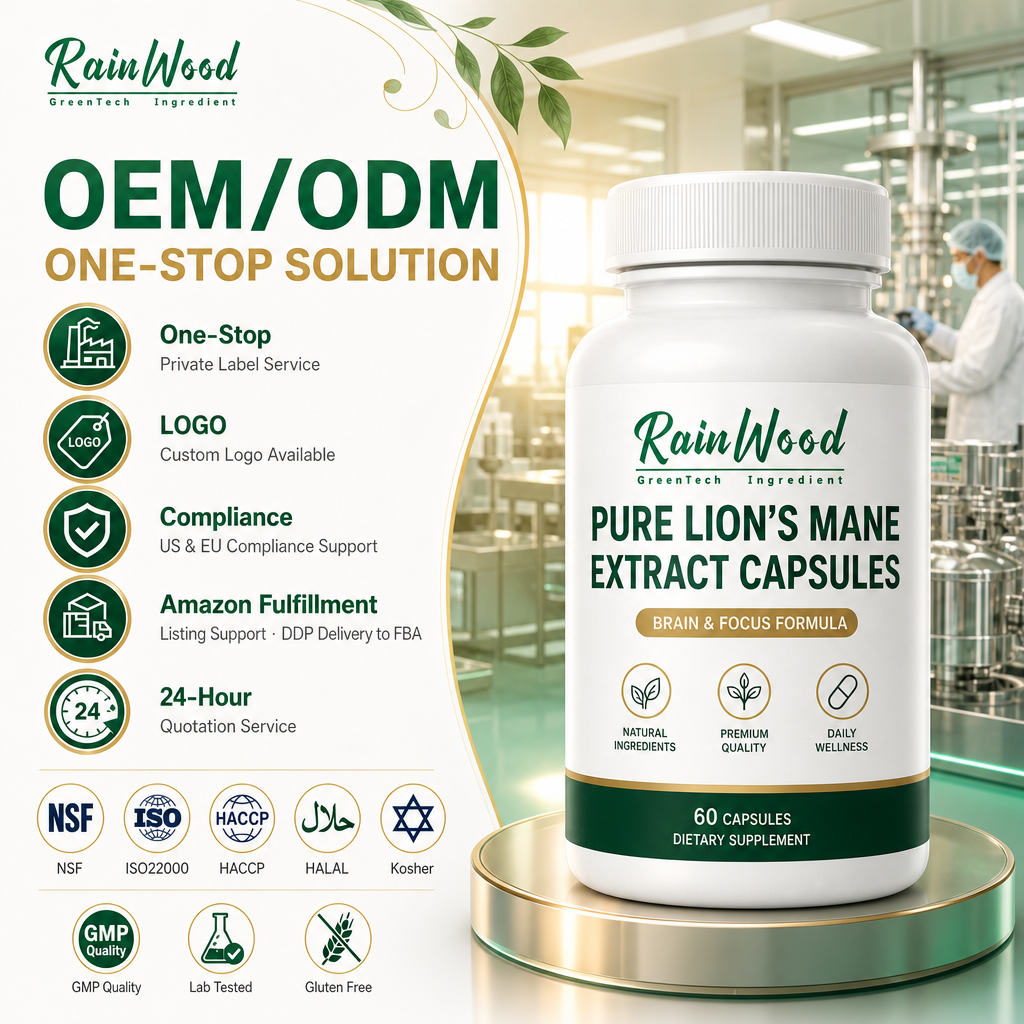
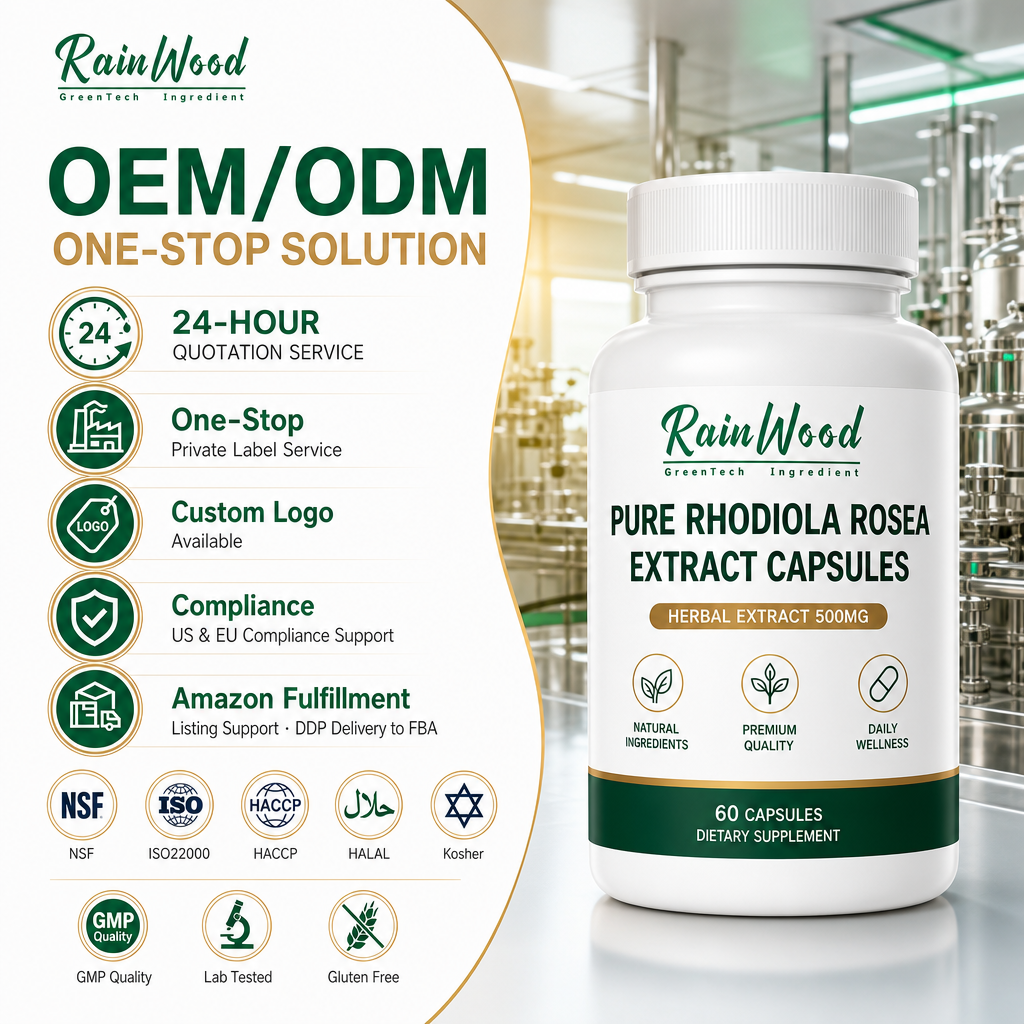
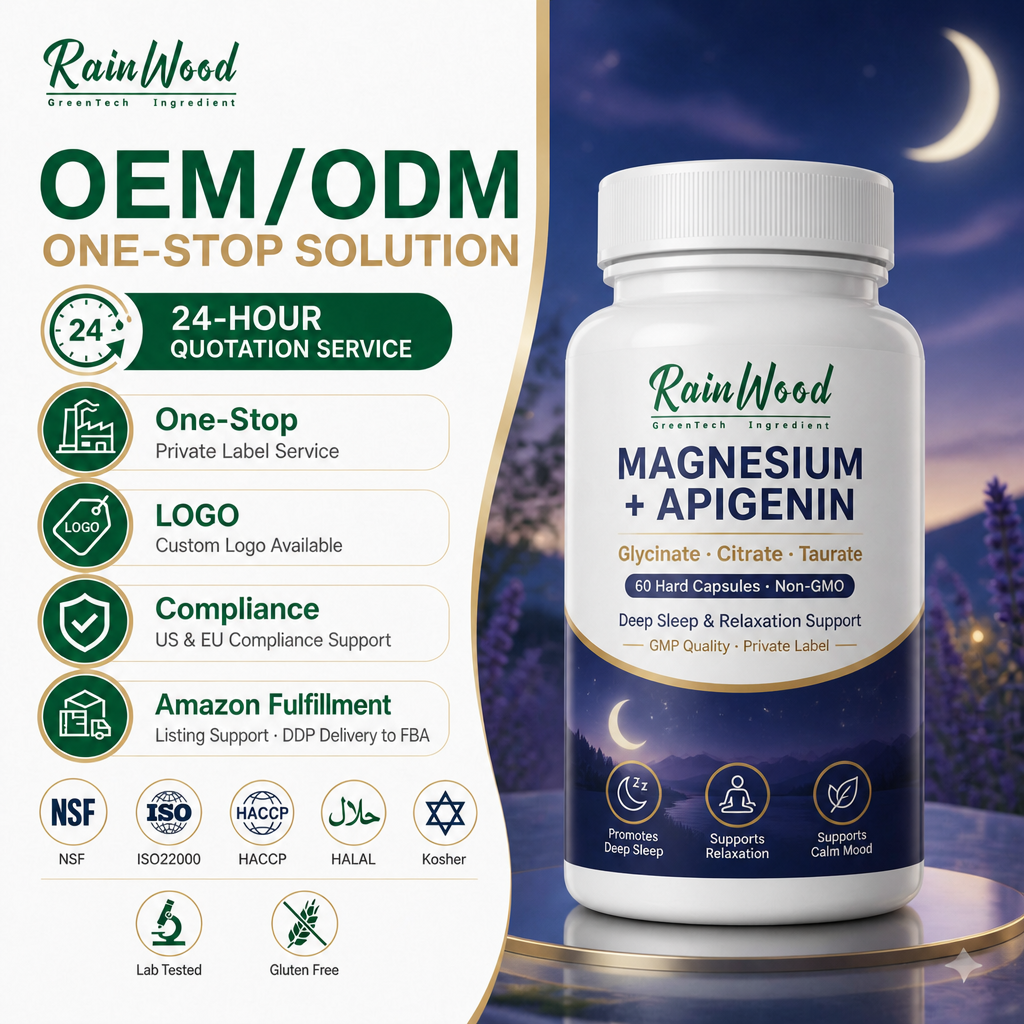
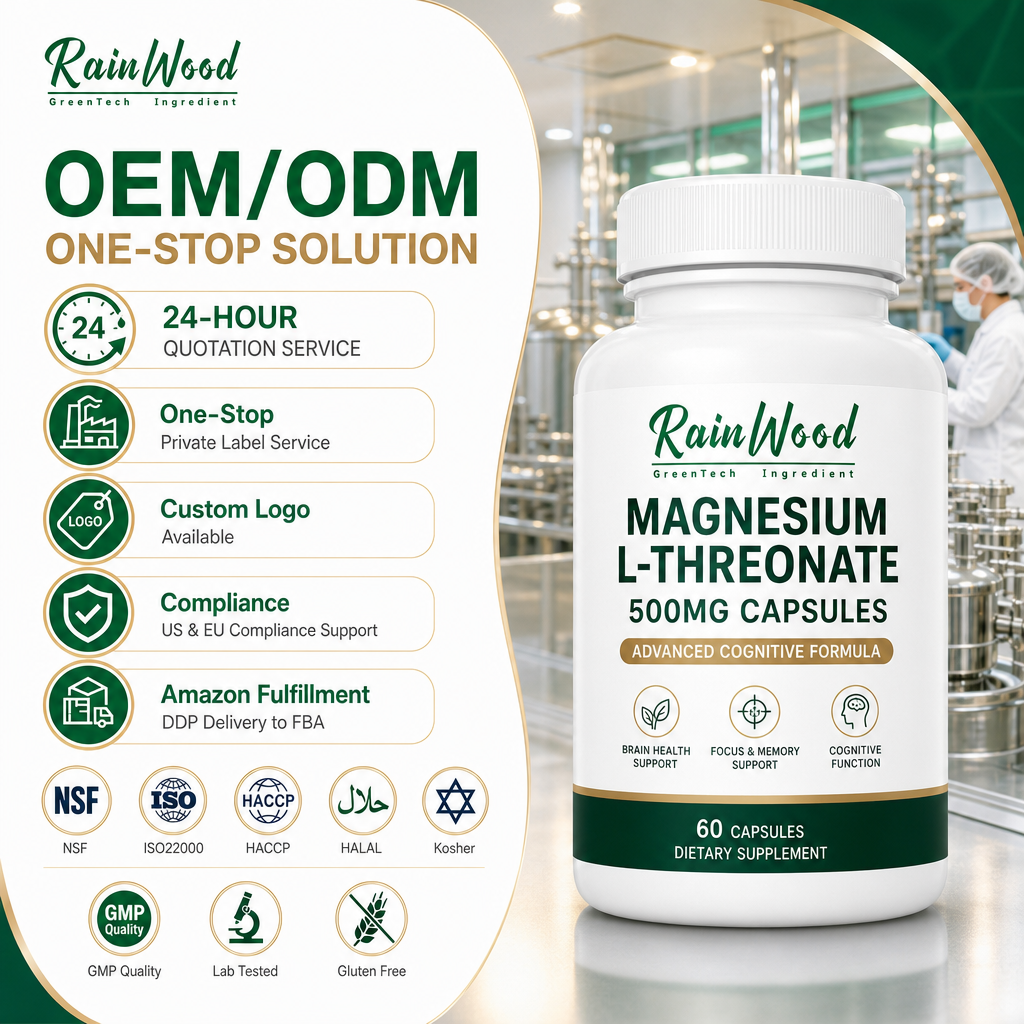
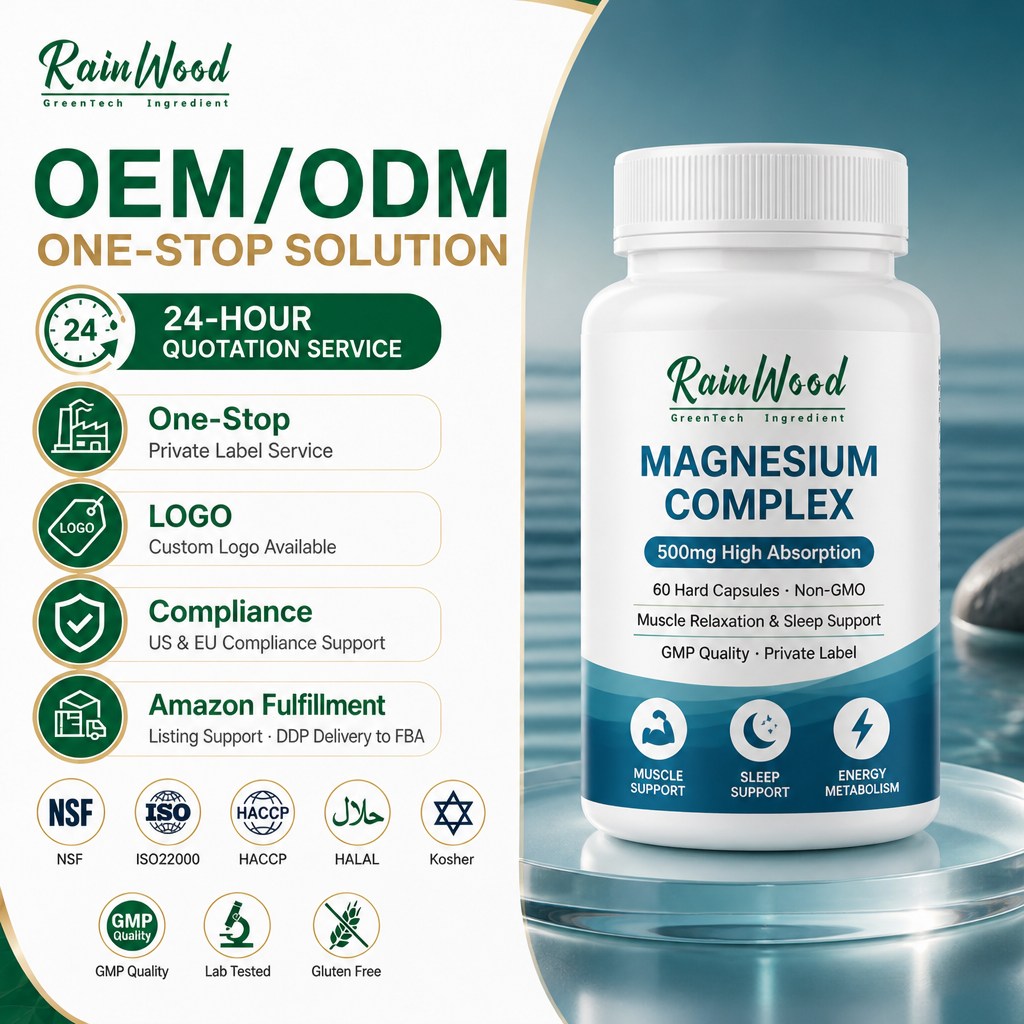
For stock catalog formulas (such as our 60-count Lion's Mane, Rhodiola Rosea, or Magnesium complex capsules), our flexible MOQ starts at 100 to 500 bottles with custom private labeling. For completely bespoke formulation projects requiring custom premixes, novel botanical ratios, or specific patented branded actives, MOQs typically range from 1,000 to 2,000 units for capsules and 1,000 to 3,000 boxes for functional pectin gummies. Bulk extract powders are available starting at 1 kg pilot bags up to multi-ton container shipments.
How does ESNO Biotech guarantee raw material authenticity and prevent botanical adulteration?
We employ a multi-tiered orthogonal analytical testing matrix. Every raw botanical lot undergoes thin-layer chromatography (TLC/HPTLC) against USP or Ph. Eur. primary reference standards to confirm chemical fingerprints. For high-risk botanicals susceptible to economic adulteration (e.g., synthetic caffeine spiking, synthetic amino acid adulteration, or maltodextrin dilution), we utilize stable carbon isotope ratio mass spectrometry (IRMS) and HPLC/UV-Vis spectrum quantification to guarantee 100% natural, unadulterated botanical extraction.
What regulatory compliance documentation accompanies export shipments to the USA and Europe?
Every shipment arrives with a complete regulatory qualification dossier: a batch-specific Certificate of Analysis (COA) detailing active assay yields, USP ⟨561⟩ pesticide screen, USP ⟨467⟩ residual solvent limits, heavy metals by ICP-MS, and microbiological pathogen counts (salmonella, E. coli, yeasts, molds). We also provide Product Specification Sheets, Allergen Statements, Non-GMO Declarations, TSE/BSE-Free Certificates, Kosher/Halal certifications, and technical flowcharts necessary for your FDA 21 CFR Part 111 dietary supplement master manufacturing records (MMR).
What extraction solvents are utilized, and what are the residual parts-per-million (PPM) thresholds?
Our clean-label organic extraction processes prioritize ultra-pure deionized water, food-grade grain ethanol, and supercritical CO2. We do not utilize toxic Class 1 solvents (such as benzene or carbon tetrachloride). For ethanolic extracts, residual ethanol is eliminated through falling-film vacuum evaporation to levels far below the USP limit of 5,000 ppm, routinely maintaining finished extract powder residuals at under 100 ppm, verified via headspace gas chromatography (GC-HS).
Can your engineering team support custom formula prototyping, taste masking, and pilot sampling?
Yes. Our in-house R&D formulation laboratory has engineered over 400 custom product blueprints. We provide pilot benchtop sampling within 5 to 7 business days, including flavor matching, natural masking of bitter botanical alkaloids (e.g., Ashwagandha or Rhodiola), color optimization using natural fruit and vegetable juices, and full compatibility testing with vegan pectin gummy bases or vegetarian capsule matrices prior to mass commercial production.
What are the lead times for private label production and international logistics fulfillment?
Standard turnaround time for custom private label encapsulation or gummy packaging is 15 to 25 business days following client label artwork sign-off and deposit receipt. For bulk extract powders in inventory, dispatch occurs within 48 to 72 hours. We support air express delivery (DDP 5–8 days via DHL/FedEx), air freight for mid-weight orders, and temperature-controlled sea/rail shipping (DDP/FOB/CIF) to major ports across North America, Europe, Southeast Asia, and Australia.

Build Your Custom Botanical Line with China's Premier GMP Factory

Accelerate your time-to-market. Request our comprehensive 2025/2026 standardized plant extract catalog, detailed bulk pricing matrices, or request pilot batch samples tailored to your brand specifications.

Get Catalog Direct response within 2 business hours • NDA protected