Bone & Matrix
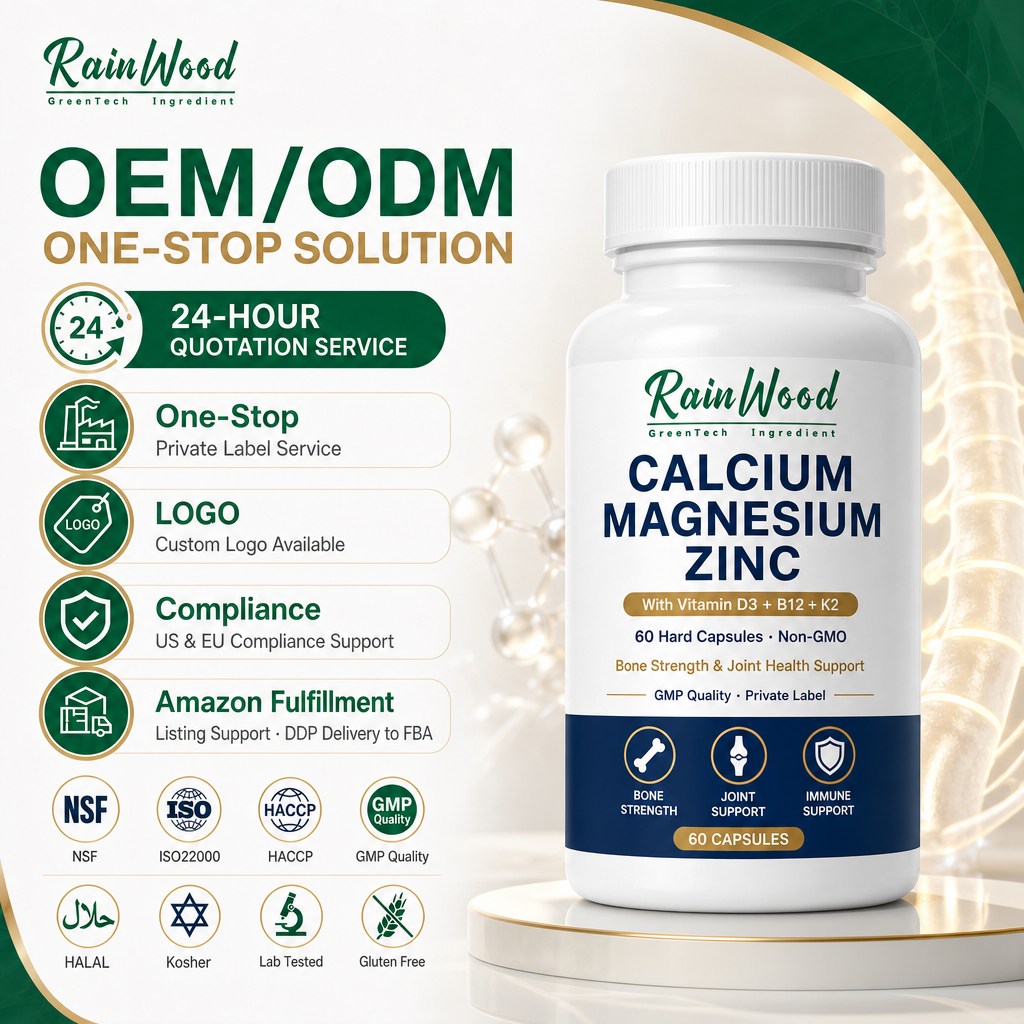
GMP Pure Calcium Magnesium Zinc Vitamin D3 B12 K2 Hard Capsules 60 Count OEM Private Label Bone Supplement
Chelated Form
USP Verified D3/K2
60 Veggie Caps
Navigating the global botanical supply chain requires an uncompromising balance between natural constituent integrity and strict analytical standardization. As functional supplement brands migrate toward clinically backed, synergistic multi-herb formulas, China has evolved from a bulk raw powder exporter into the global epicenter for advanced botanical extraction, chromatography-verified active marker standardization, and clean-label finished dosage formulation.
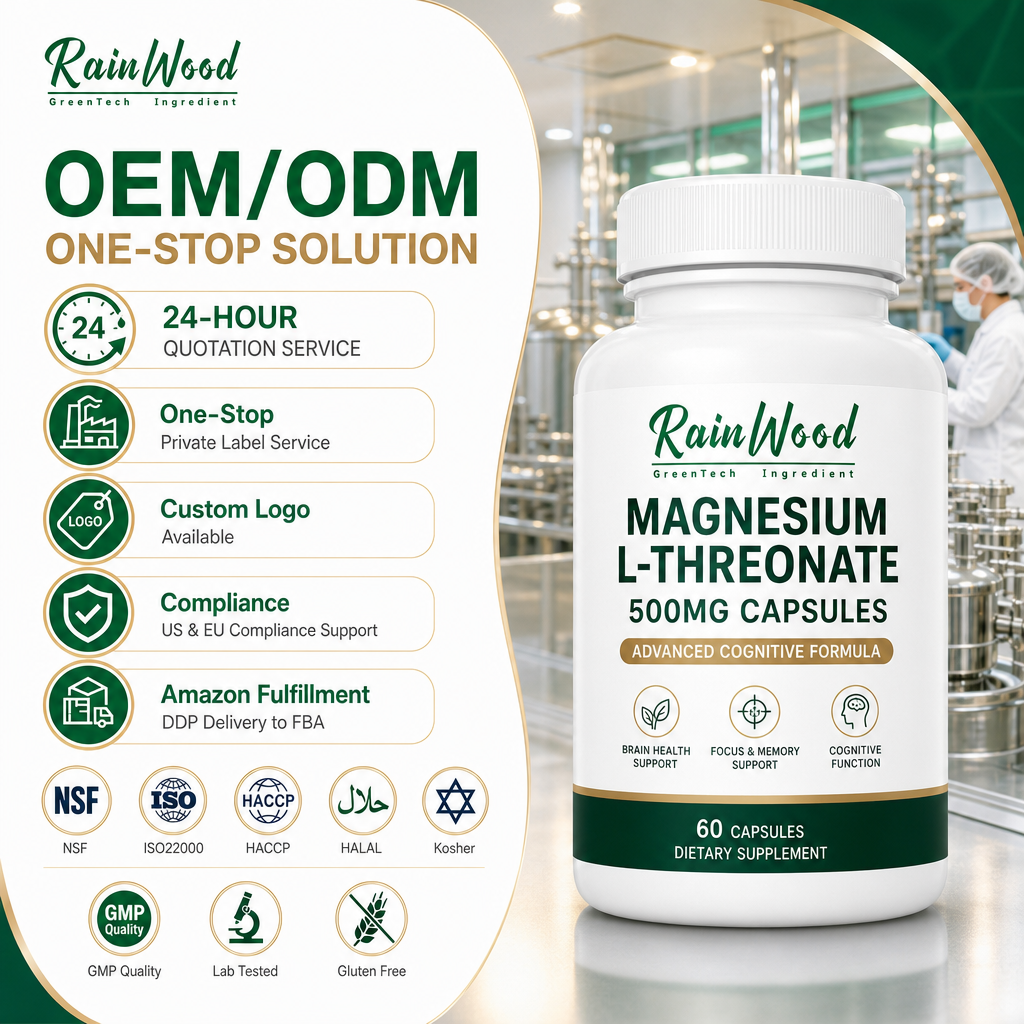
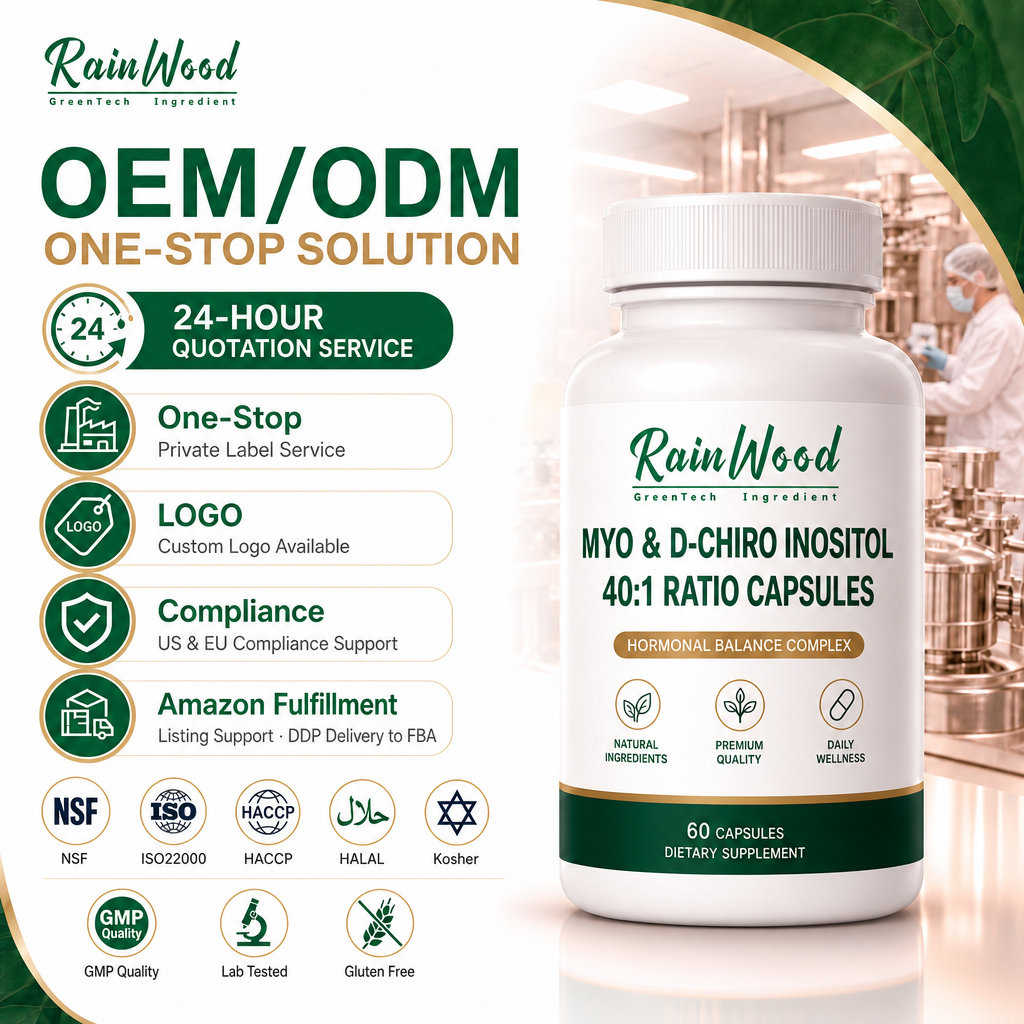
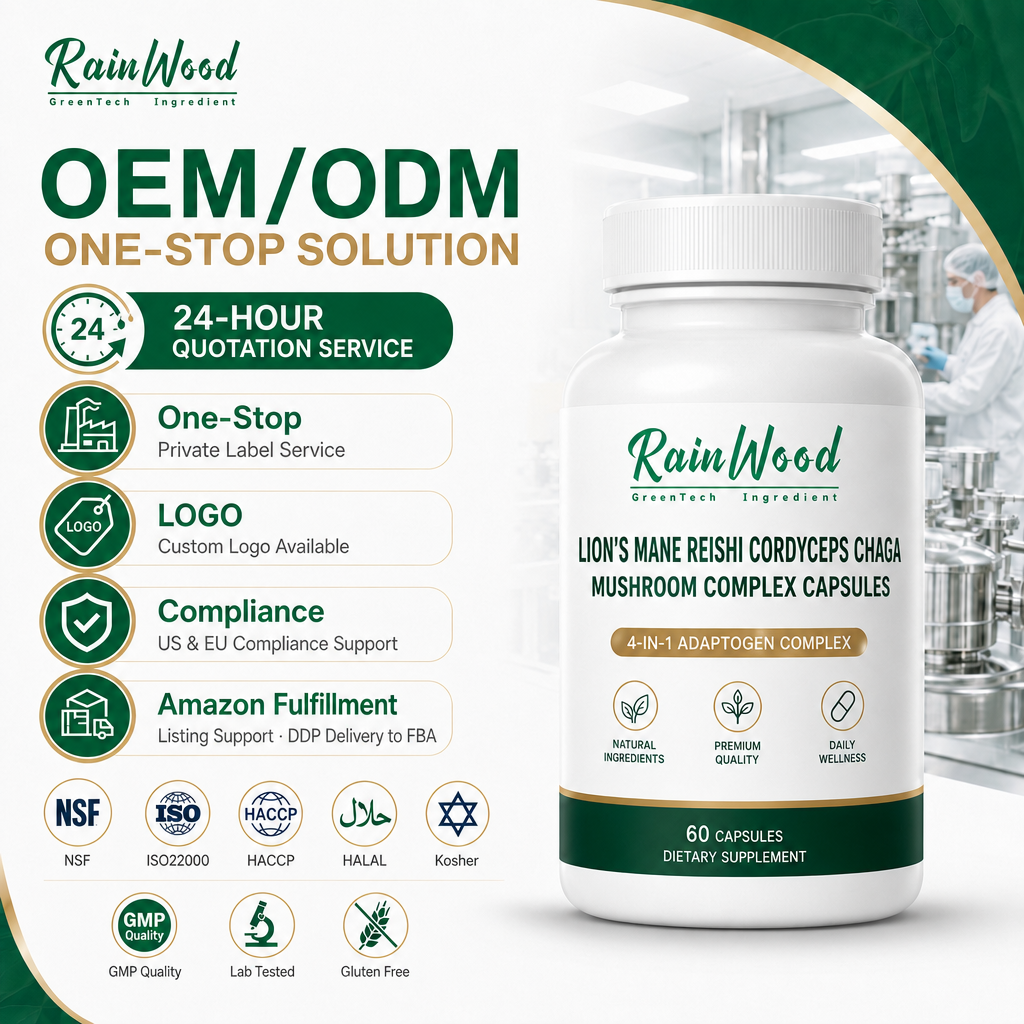
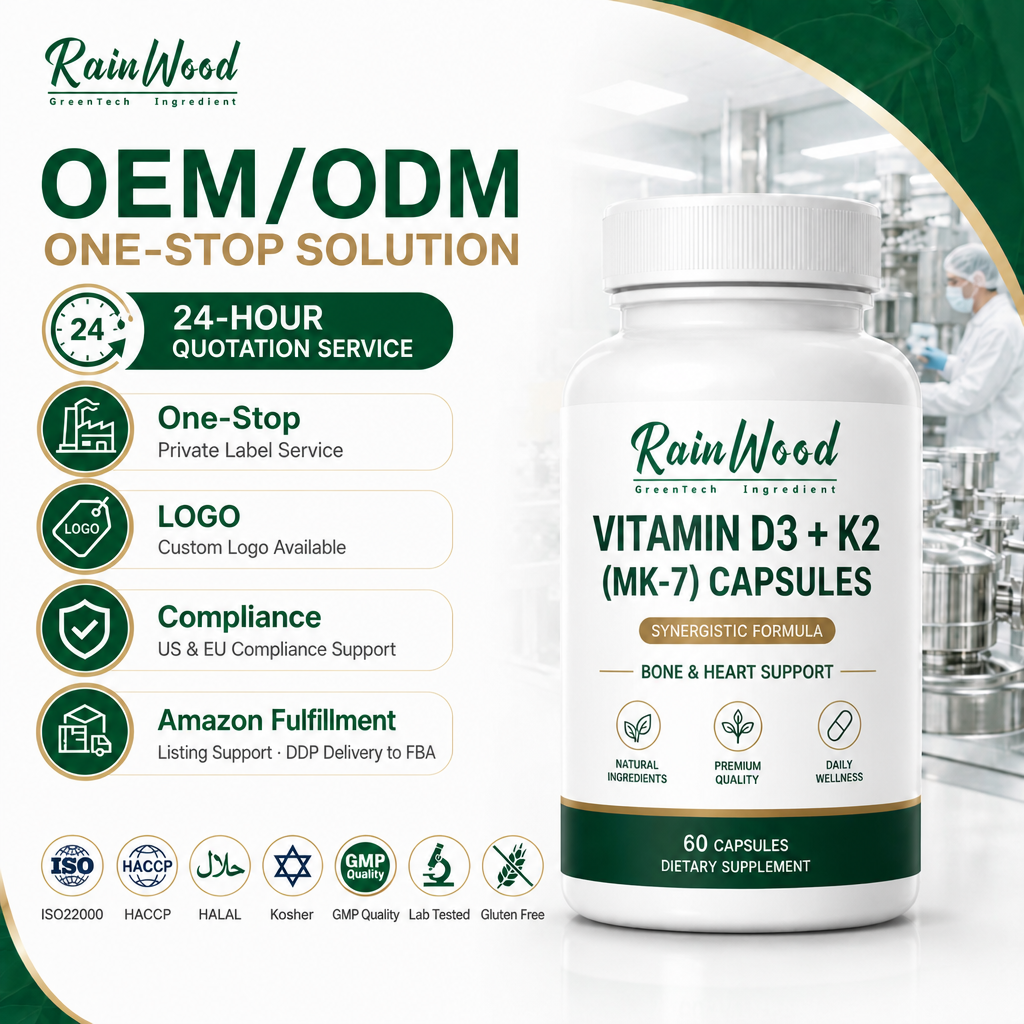
The global contract procurement landscape for herbal extract blends is undergoing a profound paradigm shift driven by stringent regulatory enforcement, heightened retail compliance mandates (including Amazon Dietary Supplement Standards and ISO 17025 verification), and a consumer base that demands transparent clinical validation. Sourcing managers and procurement directors can no longer rely solely on generic Certificates of Analysis (COAs) and rudimentary native extract ratios.
In response to international clean-label movements, forward-thinking manufacturers are standardizing extraction workflows to eliminate toxic residual solvents, chemical excipients, and microcrystalline flow agents. The future of botanical procurement is anchored in four core technical pillars:
Migration from simple photometric UV/Vis testing to High-Performance Liquid Chromatography (HPLC) coupled with Mass Spectrometry (LC-MS/MS) and HPTLC fingerprint overlays to ensure active marker authenticity and prevent adulteration.
Adoption of zero-solvent green extraction methodologies. Eliminating class 1 and class 2 petroleum solvents ensures near-zero residue tolerances conforming strictly to USP <467> and EP 5.4 guidelines.
Inductively Coupled Plasma Mass Spectrometry (ICP-MS) screening protocols calibrated to stringent California Proposition 65 thresholds (Lead <0.5 mcg/day, Arsenic <10 mcg/day, Cadmium <4.1 mcg/day, Mercury <0.3 mcg/day).
Substitution of magnesium stearate, silicon dioxide, and synthetic talc with organic rice concentrates, pullulan plant-derived shells, and non-GMO tapioca maltodextrin systems for hypoallergenic certifications.
The nutraceutical formulation sector is shifting decisively away from monotherapy formulations toward poly-herbal synergistic matrix engineering. In traditional botanical medicine, therapeutic efficacy depends on complex networks of secondary metabolites—alkaloids, polyphenols, terpenes, and polysaccharides—working in biological concert. Modern dietary supplement manufacturing now mirrors this principle by formulating blends that target multiple interconnected biological pathways simultaneously.
| Blending Architecture | Key Phytochemical Actives | Biological Target / Mechanism | Formulation Stability Strategy |
|---|---|---|---|
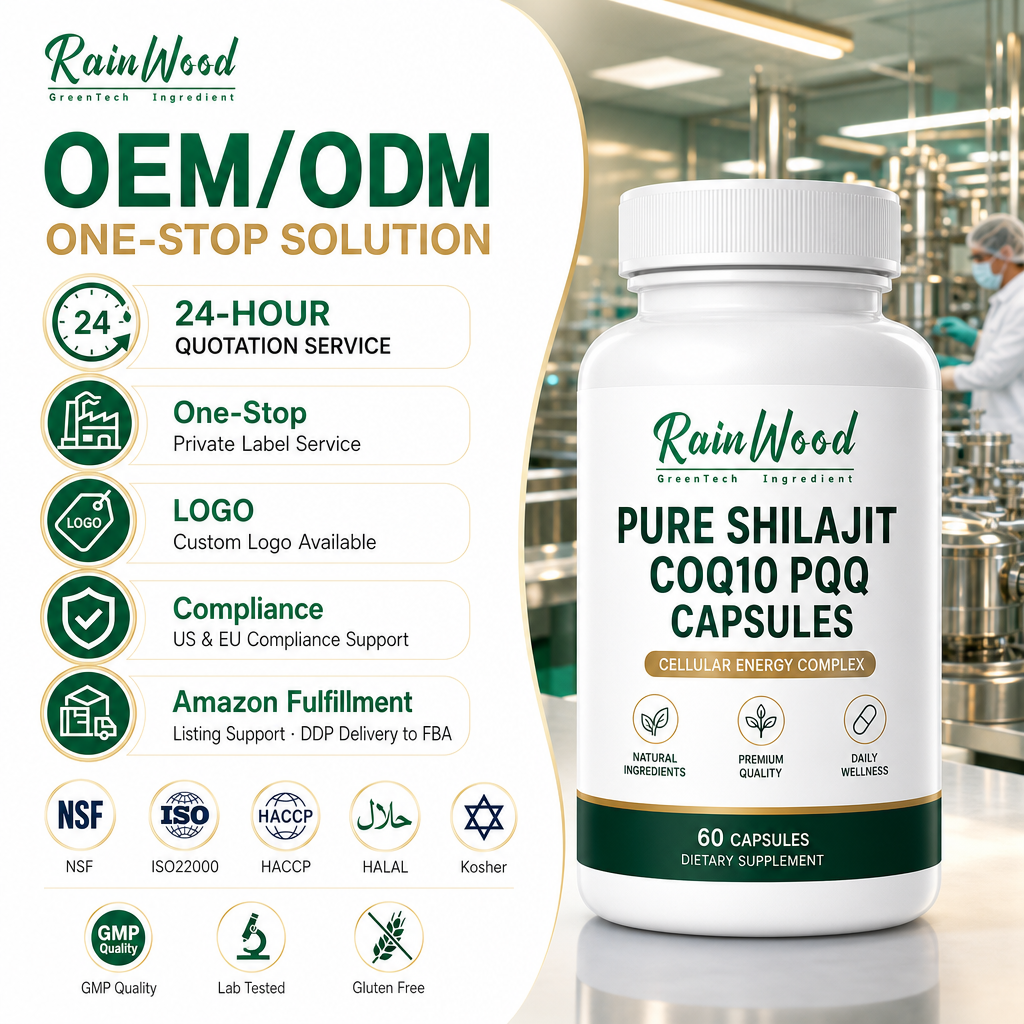
| Mitochondrial Energy Network | Fulvic Acid (Shilajit) + CoQ10 + Pyrroloquinoline Quinone (PQQ) | Upregulates PGC-1α to trigger mitochondrial biogenesis; boosts ATP electron transport chain flux. | Lipophilic microencapsulation preventing CoQ10 crystal precipitation in dry hard shells. |
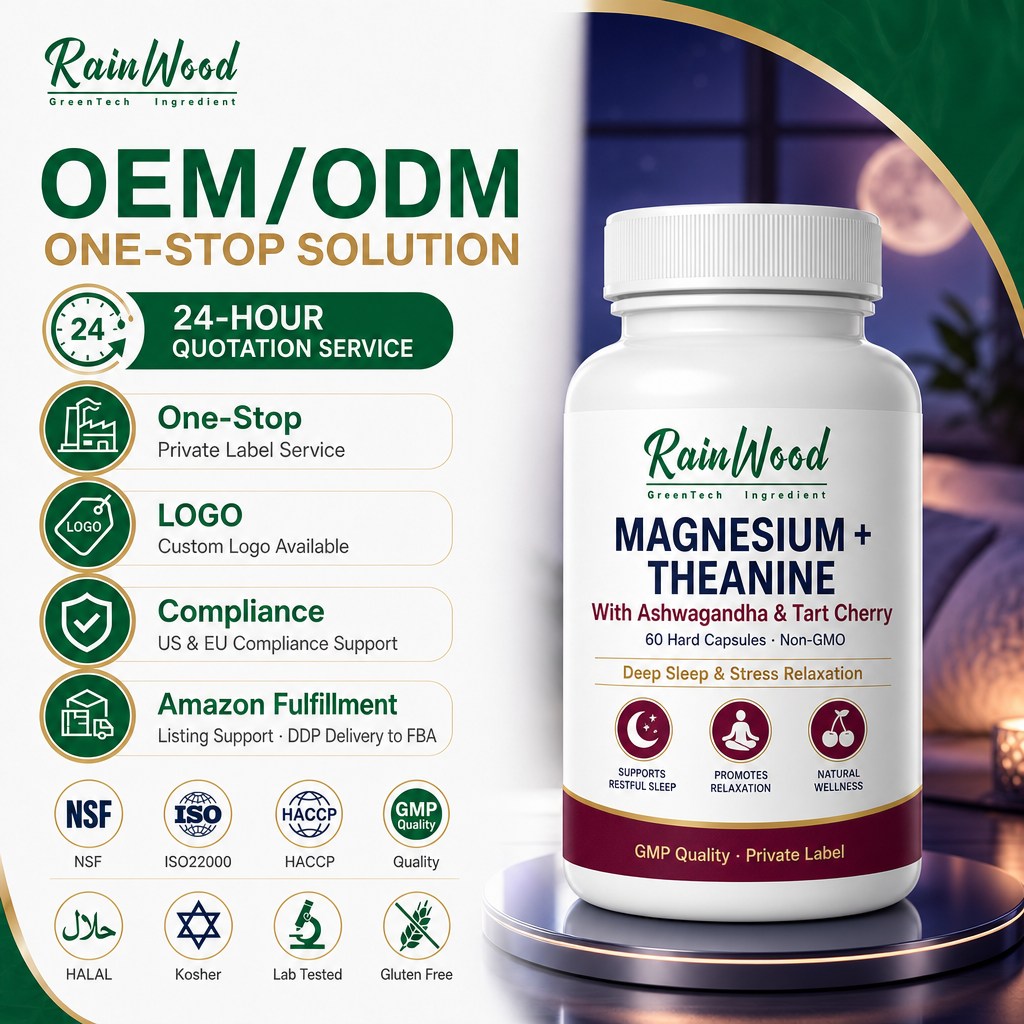
| Neuro-Endocrine Adaptogen Complex | Withanolides (Ashwagandha) + L-Theanine + Anthocyanins (Tart Cherry) | Modulates HPA axis cortisol release; enhances GABA-A receptor affinity without sedation. | Low-temperature vacuum granulation preventing thermal degradation of withanolide lactones. |
| Bioactive Dual-Phase Mushroom Matrix | Beta-1,3/1,6-Glucans + Erinacines + Cordycepin + Triterpenes | Stimulates Nerve Growth Factor (NGF) synthesis; enhances macrophage and NK-cell cytokine production. | Full-spectrum spray drying post double-extraction (hot water & hydro-ethanolic fractions). |
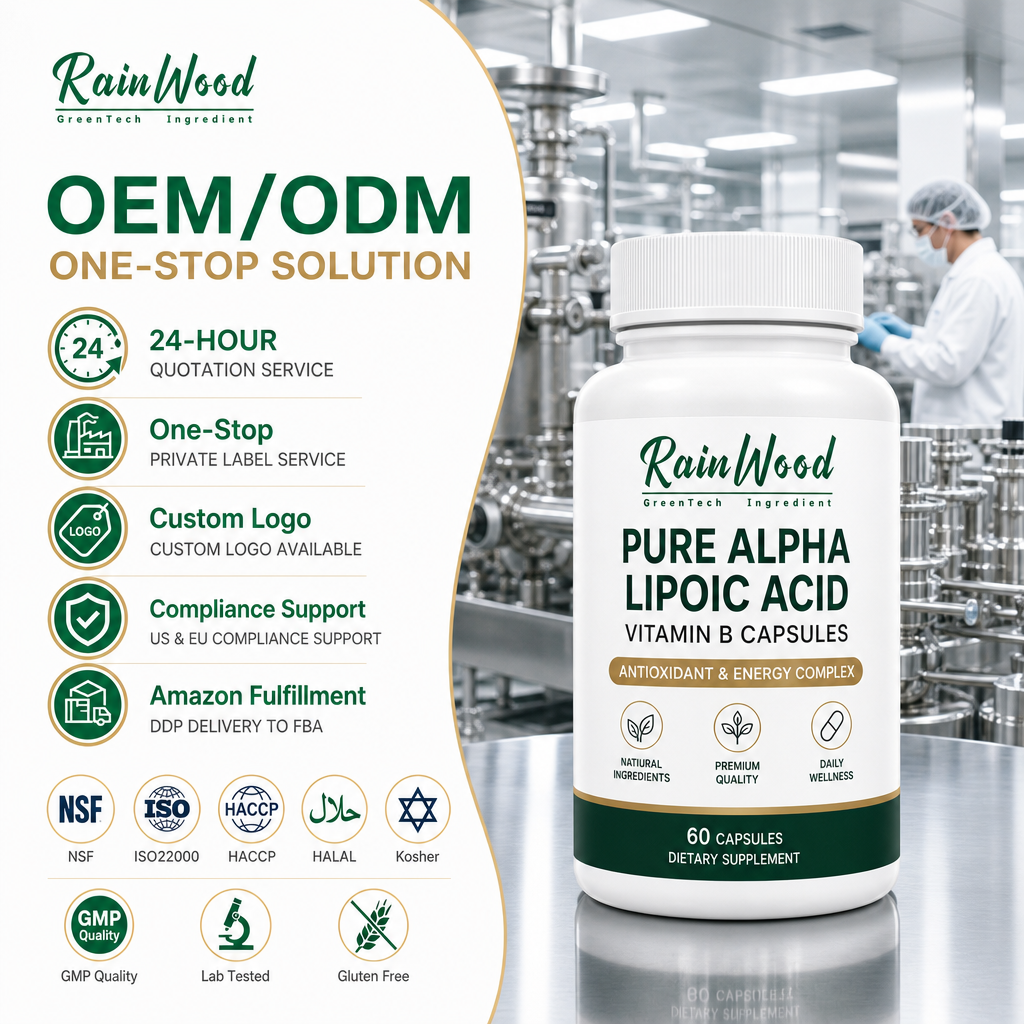
| Metabolic Insulin-Mimetic Premix | R-Alpha Lipoic Acid + Myo-Inositol + D-Chiro Inositol (40:1) | Activates AMPK phosphorylation; restores peripheral glucose transporter (GLUT4) translocation. | Sodium-stabilized R-ALA matrix preventing polymerization under ambient humidity. |
A critical engineering barrier in herbal blend contract packaging is pharmacokinetic cross-reactivity and excipient incompatibility. Certain polyphenols act as natural chelators, inadvertently binding minerals or inhibiting the absorption of companion vitamins if granulation protocols are improperly staged. Shaanxi ESNO Biotech solves this via multi-phase fluid-bed pelletizing, isolating delicate phytochemicals into micro-beadlets before final blending and capsule encapsulation.
Founded in 2006 and headquartered in the high-tech botanical extraction corridor of Xi'an, Shaanxi, Shaanxi ESNO Biotech Co., Ltd. has spent nearly two decades mastering the industrial-scale refinement of standardized plant extracts and finished dietary supplement formats. Operating in close geographical proximity to China's Qinling Mountain botanical belt gives ESNO direct upstream control over raw material cultivation, seasonal wildcrafted harvesting, and complete supply chain traceability from farm to warehouse.
Our manufacturing workshops are designed to meet Class D cleanroom air quality standards. Validated certifications include NSF 455-2 GMP, ISO 22000, HACCP, and EU / USDA Organic processing credentials, verified on-site by TÜV Rheinland.
Equipped with fully automated Bosch-type high-speed capsule filling machines, rotary high-tonnage tablet presses, continuous gummy starch-free mogul lines, and multi-lane powder stick pack machines with inline nitrogen flushing.
Every single batch undergoes identity, assay, and contaminant testing in our on-site QC facility utilizing Shimadzu HPLC, Agilent GC-MS, ICP-MS, and full microbiological incubators for pathogens, molds, and total yeast counts.
With over 400 proven formulation blueprints and custom OEM/ODM packaging solutions (amber glass bottles, HDPE containers, pharmaceutical blister cards, and eco-friendly unit-dose sachets), ESNO Biotech bridges the gap between Asian industrial manufacturing scale and Western regulatory expectations. Every commercial delivery includes a comprehensive Batch Production Record (BPR) and Certificate of Analysis (COA) to ensure complete audit readiness for your brand.
Critical operational answers for supply chain directors, QA managers, and brand founders qualifying an herbal extract blend manufacturer in China.
Our quality assurance workflow employs a multi-tiered identity verification protocol. Raw botanical feedstocks are screened at raw receipt using High-Performance Thin-Layer Chromatography (HPTLC) comparison against certified USP and European Pharmacopoeia reference standards. For high-risk or economically vulnerable botanicals, we utilize genomic DNA barcoding to confirm specific genus and species, ensuring absence of adulterant biomass or synthetic active spikes before solvent extraction begins.
For existing stock formulations and in-house pilot blueprints, our MOQ starts at an industry-low 100 to 500 bottles/boxes, accommodating rapid market testing and agile digital brands. Fully bespoke, custom-engineered herbal blend formulas requiring specialized excipient blends, custom botanical extractions, or branded tooling typically range from 1,000 to 3,000 units depending on raw material sourcing constraints and capsule filling batch requirements.
China's rich soil variability requires vigilant mineral screening. We utilize internal Inductively Coupled Plasma Mass Spectrometry (ICP-MS) to quantify Lead (Pb), Arsenic (As), Cadmium (Cd), and Mercury (Hg) down to parts-per-billion (ppb) limits. We formulate based on finished serving daily intake, ensuring finished capsule or powder doses remain safely below the strict Prop 65 Maximum Allowable Dose Levels (MADL) and No Significant Risk Levels (NSRL) without triggering warning labels.
Yes. We operate climate-controlled environmental test chambers running stability testing under International Council for Harmonisation (ICH) Q1A(R2) guidelines. Clients can commission real-time (25°C/60% RH) or accelerated (40°C/75% RH for 6 months) stability protocols to establish scientifically valid shelf-life expiration dating, active compound degradation kinetics, and packaging barrier integrity for international regulatory dossiers (including US FDA, Health Canada, and EU EFSA submissions).
Every shipment is delivered with a complete documentary release package: Batch-Specific Certificate of Analysis (COA), Finished Product Specification Sheet, Flow Chart Manufacturing Diagram, Non-BSE/TSE Certificate, Allergen Declaration Statement, Non-GMO Verification, Certificate of Origin (COO), and Free Sale Certificate (FSC). Third-party independent test reports from ISO 17025 accredited laboratories (Eurofins, SGS) are available upon project setup.
Partner directly with China's premier cGMP herbal extract manufacturer. Send our technical formulation team your active marker targets, target cost per serving, or customized ingredient spec sheet for an immediate feasibility and pilot sample review.