Turnkey Finished Products & Functional Co-Formulations
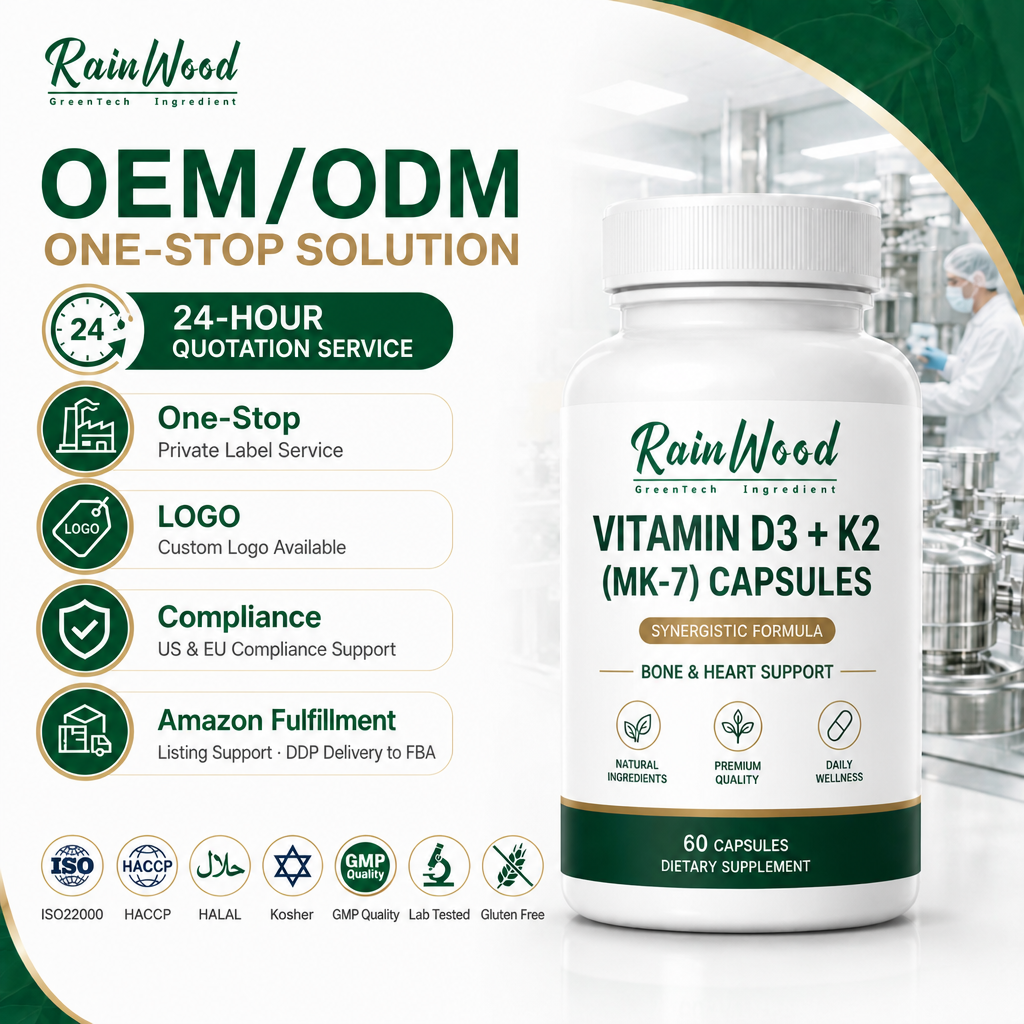
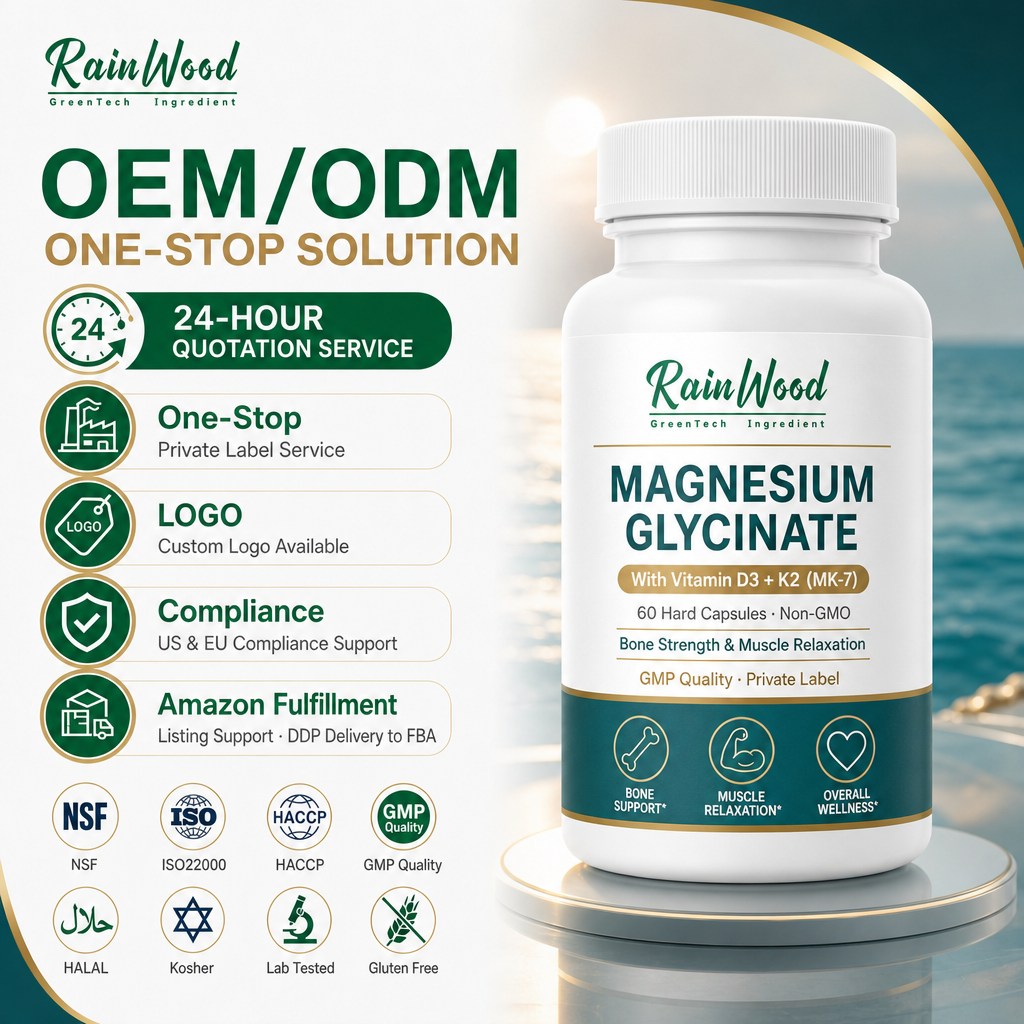
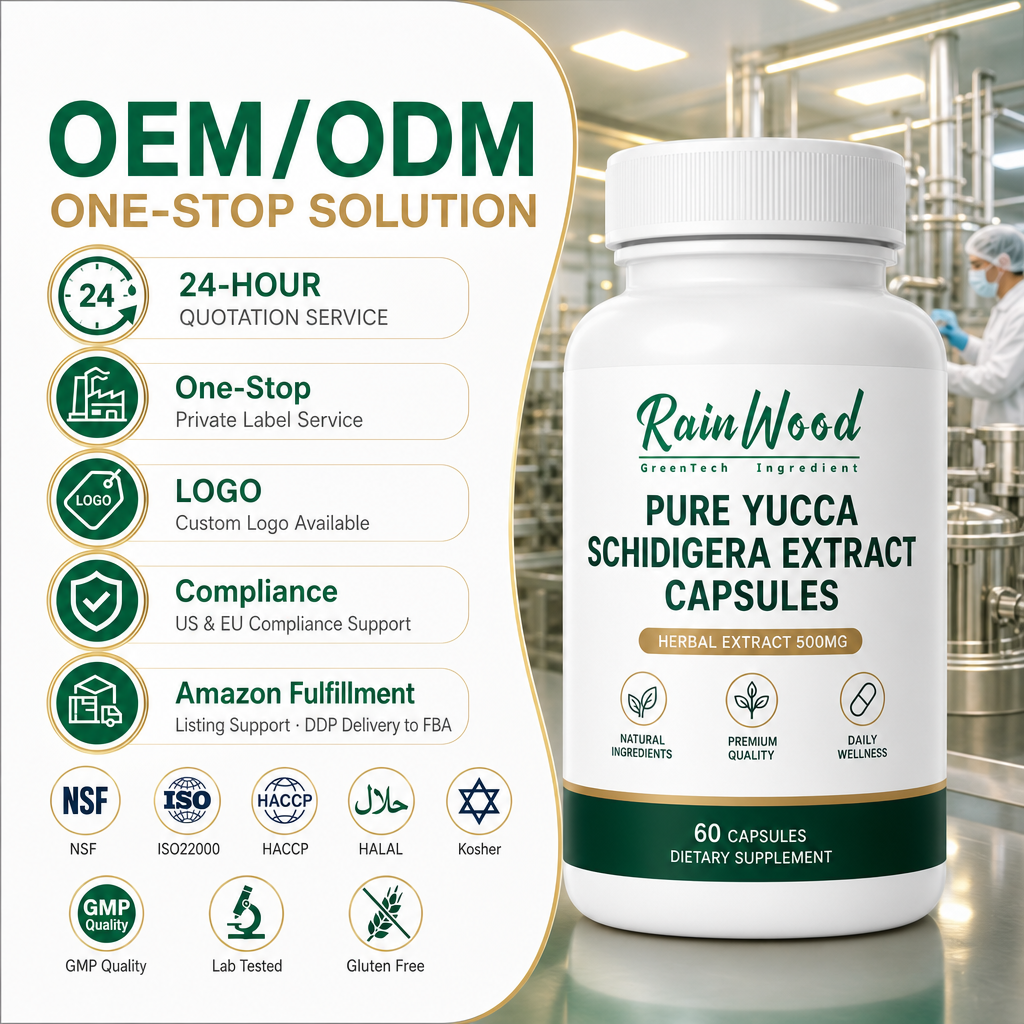
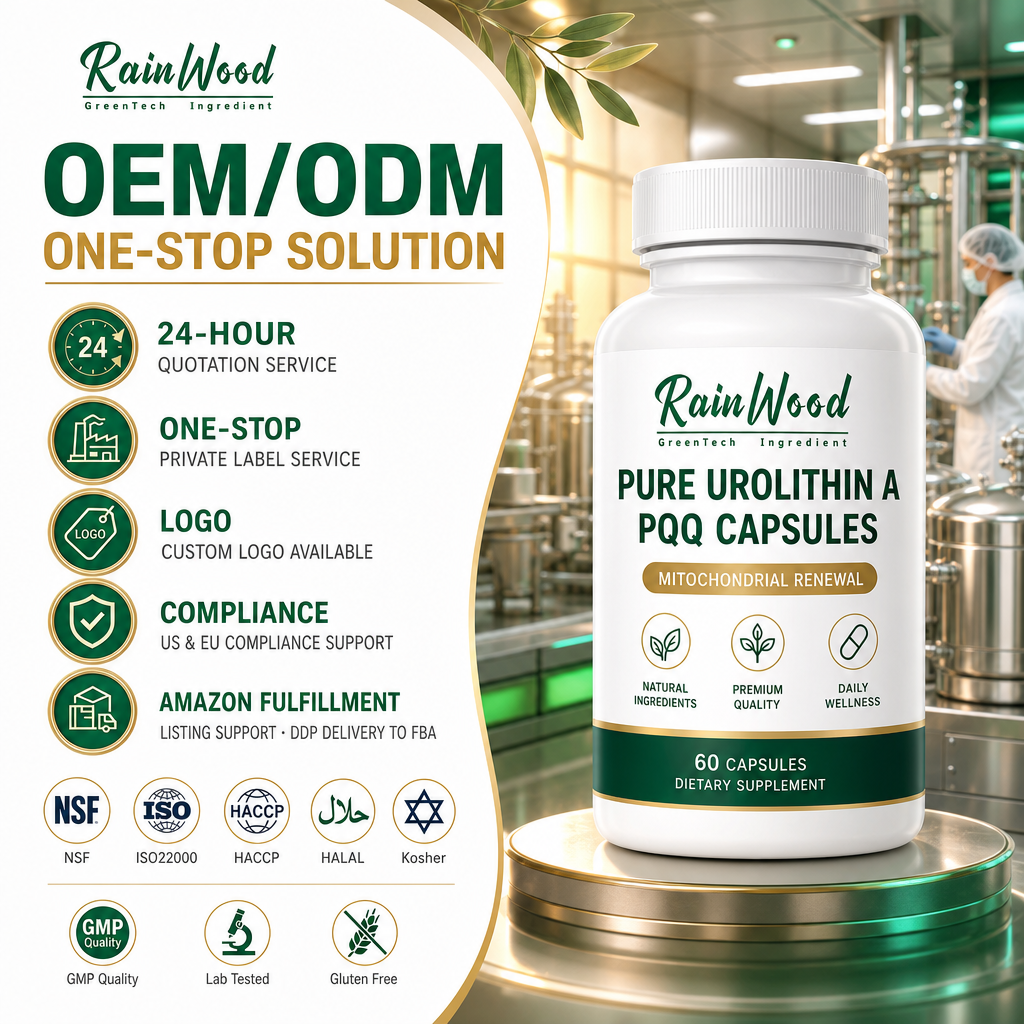
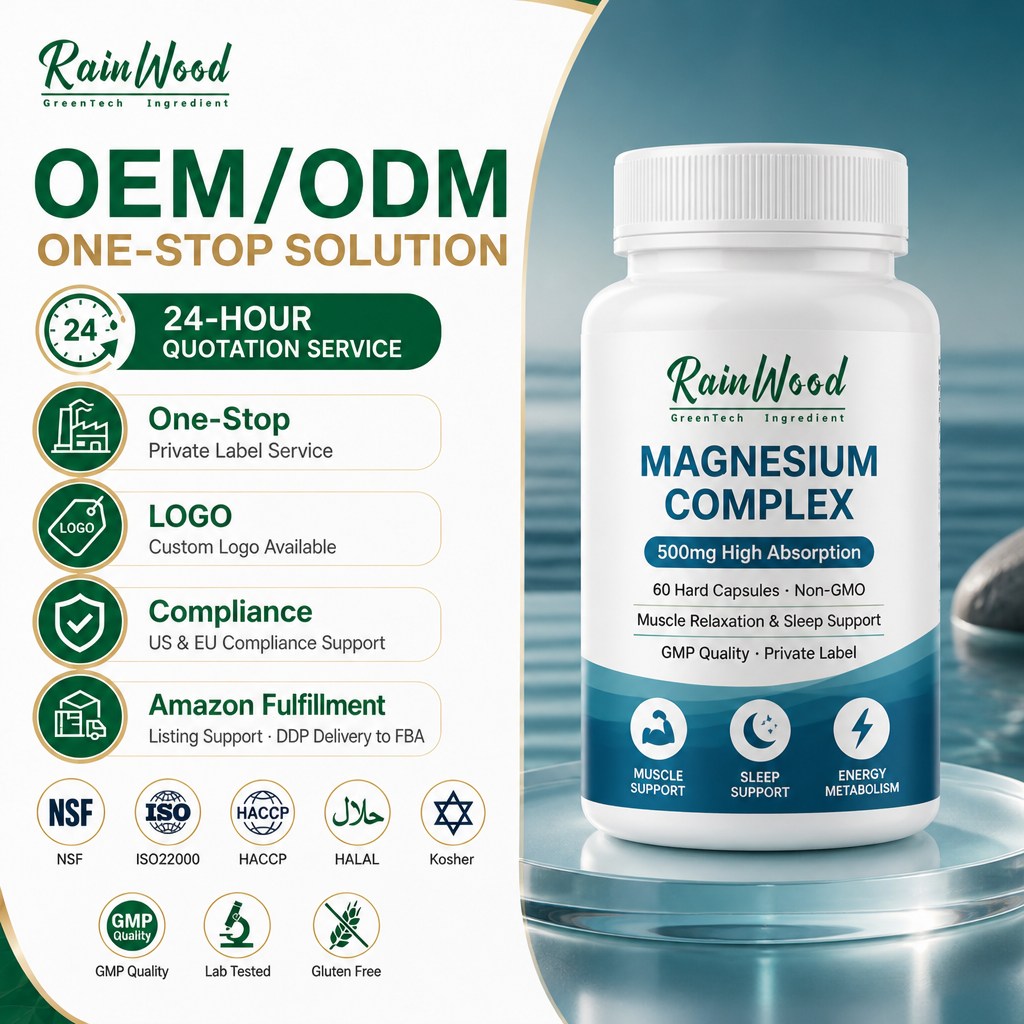
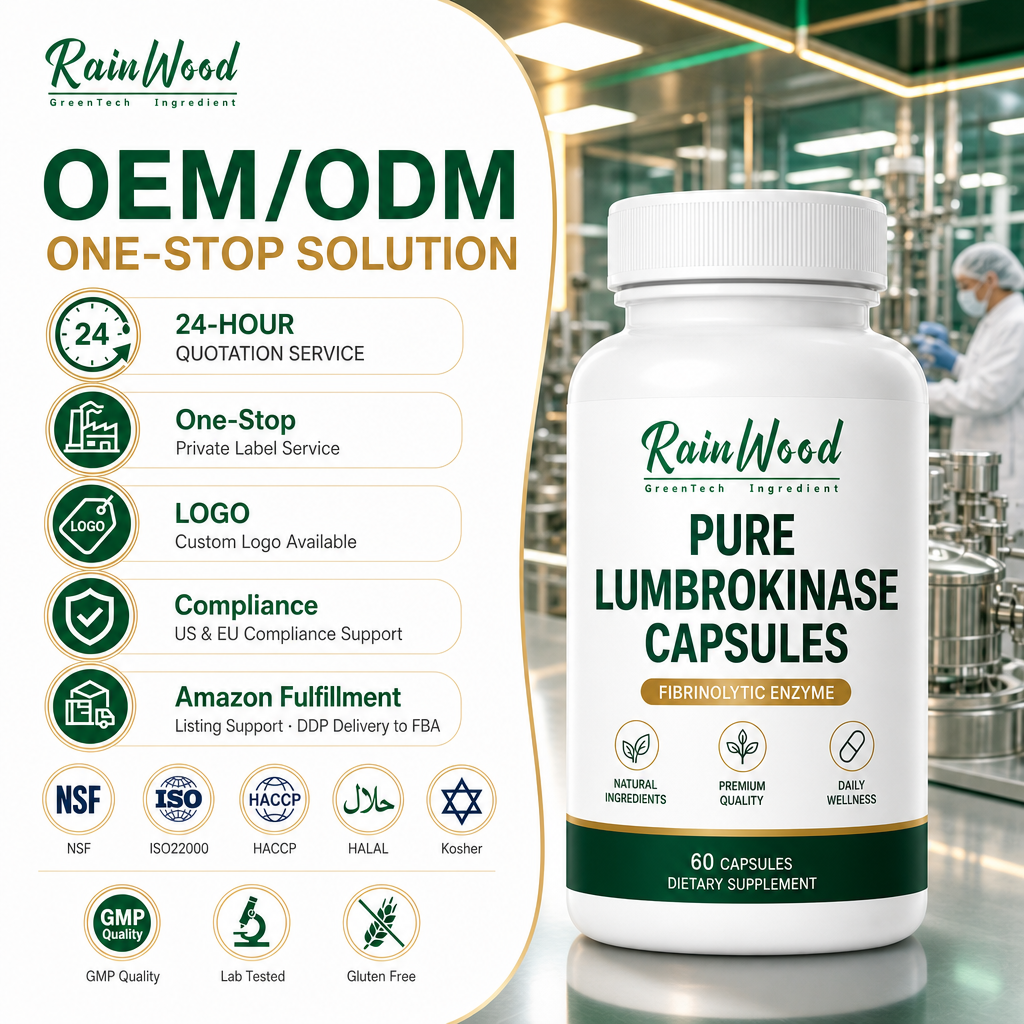
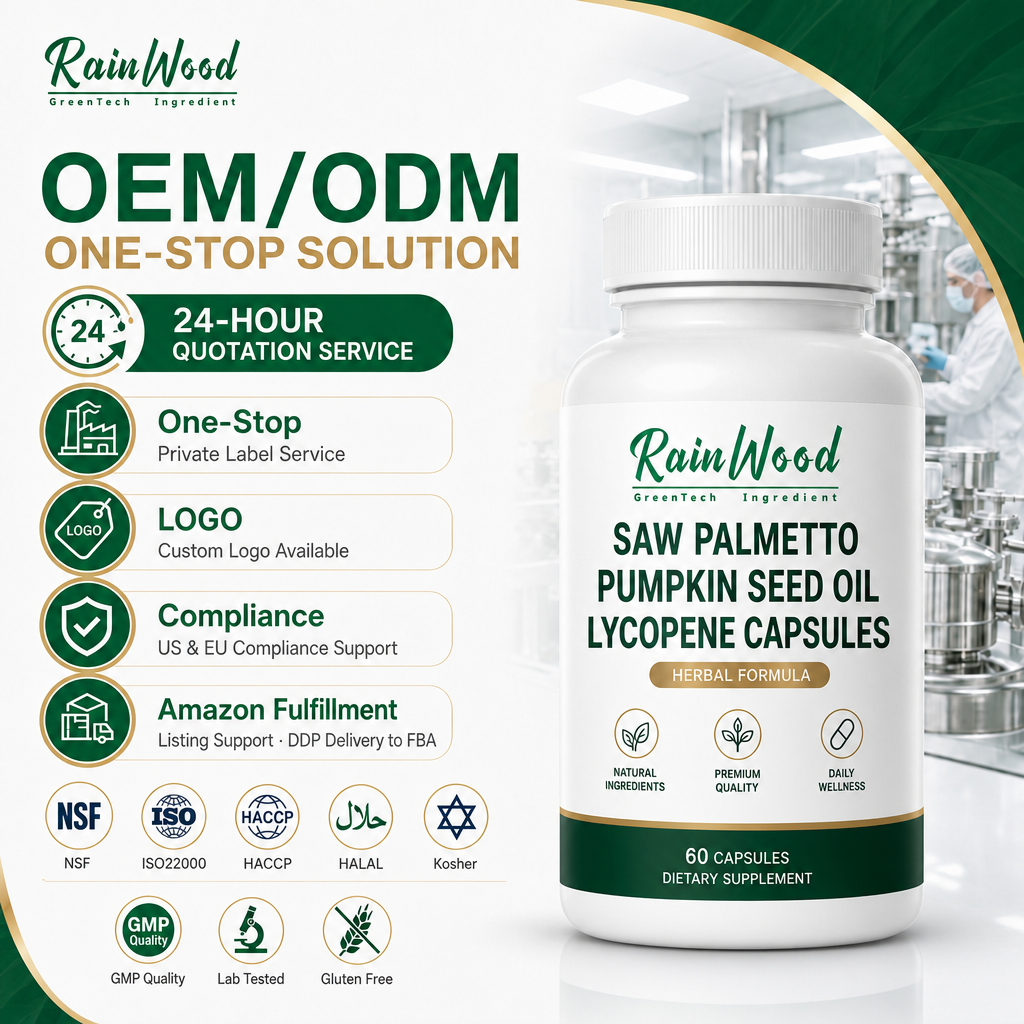
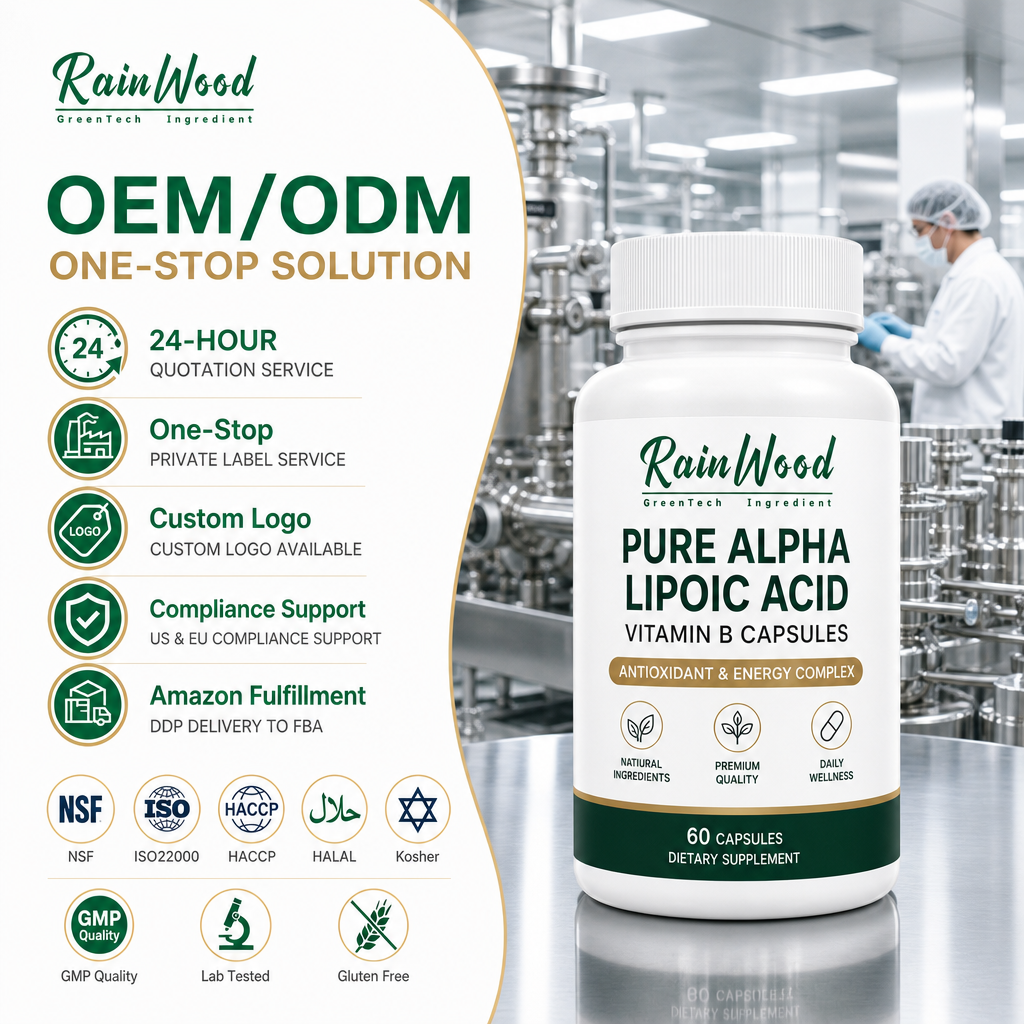
In addition to raw standardized mushroom extracts, our GMP cleanrooms engineer shelf-ready hard capsules combining medicinal fungi with essential micronutrients, chelates, and metabolic catalysts for commercial supplement brands.
Industrial Monograph: Precision Extraction of Medicinal Mushrooms in China
As the international dietary supplement industry matures beyond generic powders, global purchasing managers face an evolving regulatory and scientific landscape. China produces over 85% of the world's functional fungal biomass. However, the qualitative distinction between crude crushed mycelium grown on grain substrates and authentic, hot-water/hydroalcoholic extracted 100% fruiting body extracts represents a decisive competitive divide for premium nutraceutical brands.
Shaanxi ESNO Biotech Co., Ltd. operates state-of-the-art primary fungal processing and cleanroom formulation infrastructures in Xi'an, China. Operating under stringent NSF 455-2 GMP, ISO 22000, and HACCP accreditations, our facility translates ancient macroscopic fungi into pharmacologically standardized botanical active ingredients verified by high-performance liquid chromatography (HPLC) and enzymic Megazyme assay protocols.
Core Technical Takeaway: Crude polysaccharide metrics obtained via non-specific Phenol-Sulfuric Acid UV spectrometry can easily be falsified with carrier starches (maltodextrin, grain alpha-glucans). ESNO Biotech provides Megazyme enzymatic testing differentiating therapeutic fungal (1,3)-(1,6)-β-D-glucans from adulterated alpha-glucans down to 0.1% resolution.
Standardized Fungal Portfolio: Chemical Markers & Biological Targets
Our extraction lines utilize species-specific multi-stage counter-current systems, low-temperature vacuum evaporators, and aseptic spray-drying towers to yield micro-pulverized extracts with unmatched bioavailability:
| Fungal Species | Raw Material Part | Standard Extraction Ratio | Primary Bioactive Fingerprints | Clinical Target Areas |
|---|---|---|---|---|
| Lion's Mane (Hericium erinaceus) | 100% Solid Wood Log Fruiting Body | 10:1 / 20:1 Dual Extract | Hericenones (HPLC) > 1.5%, β-Glucan > 30% | NGF Stimulation, Neurogenesis, Neuroprotection |
| Reishi (Ganoderma lucidum) | Duanwood Grown Fruiting Body | 16:1 Hydroalcoholic | Ganoderic Acids (Triterpenes) > 4-6%, β-Glucan > 25% | Immune Modulating, HPA Axis Support, Longevity |
| Cordyceps (Cordyceps militaris) | Cultivated Fruiting Body (Tussah Silkworm substrate optional) | 8:1 Aqueous Fraction | Cordycepin > 1.0-3.0%, Adenosine > 0.5% | Cellular ATP Synthesis, VO2 Max, Lung Vitality |
| Chaga (Inonotus obliquus) | Wild Siberian/Changbai Birch Sclerotium | 12:1 Water-Ethanol Dual | Chromogenic Complex > 40%, Betulinic Acid > 2% | Superoxide Dismutase, Cellular Antioxidation |
| Turkey Tail (Trametes versicolor) | Wild/Cultivated Basidiocarp | 20:1 Deep Hot-Water | Polysaccharide-K (PSK) & PSP, β-Glucan > 40% | Cytokine Modulation, Gut Microbiota Diversity |
| Maitake (Grifola frondosa) | Dense Mature Fruiting Body | 10:1 Gradient Precipitation | D-Fraction / MD-Fraction β-Glucan > 35% | Insulin Receptor Sensitivity, Metabolic Homeostasis |
Extraction Technology & Analytical Verification Paradigms
The cellular walls of medicinal basidiomycete fungi are comprised of hard chitin—a complex nitrogenous polysaccharide identical to crustacean exoskeletons. The human digestive tract lacks significant endogenous chitinase enzymes. Consequently, simple micronization or powdered raw mushrooms pass through the gastrointestinal tract largely unabsorbed. Chemical extraction is an indispensable prerequisite for functional efficacy.
1. Hydro-Thermal Pressure Disruption & Counter-Current Leaching
ESNO Biotech deploys continuous SS316 stainless-steel agitated reactors. Utilizing subcritical water extraction at temperatures regulated between 95°C and 115°C under 0.15 MPa pressure, the rigid chitin matrix is cleaved without thermal degradation of the fragile (1,3)-(1,6)-β-D-glucan branching conformations. Counter-current cycles maximize solute gradient concentrations while minimizing solvent consumption.
2. Ultrasonic-Assisted Hydroalcoholic Dual Extraction
For triterpenoid-dense botanicals such as Ganoderma lucidum and betulinic acid derivatives in Inonotus obliquus, water alone is structurally incapable of extracting non-polar pharmacological compounds. Our dual-phase technology subjects the biomass first to high-temperature pure deionized water extraction, followed by an anhydrous to 70% food-grade ethanol secondary extraction. 28kHz cavitation fields break boundary layers, ensuring the complete elution of lipophilic triterpenoids.
3. Rigorous De-Adulteration & Megazyme Testing
One of the most persistent vulnerabilities in mushroom ingredient procurement is grain mycelium adulteration. Mycelium cultivated on sterilized oats, brown rice, or barley produces biomass bound to grain starch. The resulting powders show inflated total polysaccharide readings (often 50%+) when measured via the obsolete Phenol-Sulfuric Acid method. Our in-house QC laboratory utilizes specific enzymatic cleavage: amyloglucosidase and alpha-amylase hydrolyze alpha-glucans (starches) to glucose, followed by high-performance spectrophotometric determination of pure mushroom (1,3)-(1,6)-beta-glucan. Every batch shipped from our Xi'an plant carries this specific, non-deceptive quantitative certificate.
Future Procurement Trends: Where the Global Market Is Heading (2025–2030)
Procurement directors and product developers must anticipate consumer and regulatory shifts to protect margins and secure market dominance. Through our contract-manufacturing telemetry with global clients across North America, Europe, and the Asia-Pacific, we project three primary trends reshaping fungal ingredient supply chains:
Monotherapy mushroom supplements are ceding shelf space to synergistic formulations. Market leaders combine standardized Lion's Mane (for Nerve Growth Factor activation) with bioavailable mineral chelates such as Magnesium L-Threonate, Urolithin A, and PQQ to address comprehensive mitochondrial and synaptic preservation.
As wild and commercial fungi are natural bio-accumulators of environmental toxins, authorities in the EU (EFSA) and California (Proposition 65) have radically lowered maximum residue limits. Future-proof supply contracts require heavy metal limits below Lead < 0.5 ppm, Cadmium < 0.2 ppm, Arsenic < 0.5 ppm, and Mercury < 0.1 ppm alongside full 500+ multi-residue pesticide screens.
Beverage and functional coffee roasters require instant dispersibility without astringent sedimentation. Agglomerated spray-drying, instantized granules, and micro-encapsulation techniques are rapidly supplanting standard powders, allowing bitter triterpenes to integrate smoothly into liquid sachet sticks, cold brews, and RTD wellness beverages.
Shaanxi ESNO Biotech: Engineering Excellence & Factory Infrastructure
Selecting an offshore manufacturing partner demands verifiable credentials, audited hygiene standards, and uncompromising technical consistency. ESNO Biotech operates as both a direct bulk extraction chemical plant and a high-throughput turnkey contract packager:
1. Certified International Compliance: Production occurs in 100,000-grade clean workshops fully audited to NSF 455-2 Dietary Supplement GMP standards, accompanied by ISO 22000:2018, HACCP, and authentic EU / USDA Organic certifications. Our operation has passed rigorous on-site facility audits by third-party inspectors from TÜV Rheinland.
2. End-to-End Traceable Chain-of-Custody: Our raw fungi originate from verified sustainable forestry bases—Duanwood Reishi from Dabie Mountain, organic Lion's Mane from Northeast Heilongjiang deciduous oak woods, and sub-alpine Birch Chaga. Raw inputs undergo multi-spectral DNA sequence verification to eradicate cross-species contamination.
3. Comprehensive Turnkey Private Label Capabilities: Beyond bulk drums, we engineer finished products for high-velocity e-commerce and retail brands. With 10 automated lines spanning hard gelatin and vegan HPMC capsule filling, high-speed tablet compression, rotary blister packing, stick-pack powder sachets, and pectin gummy extrusion, your branded mushroom line is formulated, analytical tested, packaged, and palletized under one roof.
4. Analytical Transparency on Every Batch: Every commercial invoice is accompanied by a comprehensive Certificate of Analysis (COA) documenting loss on drying, bulk density, sieve analysis (80–120 mesh), microbial limits (Total Aerobic Count < 1,000 CFU/g, Yeast/Mold < 100 CFU/g, Salmonella Negative, E. Coli Negative), heavy metals quantified by ICP-MS, and bioactive beta-glucan assay curves.
B2B Procurement & Technical Formulation FAQ
Technical questions frequently evaluated by quality assurance directors, formulations scientists, and sourcing leads:
What is the fundamental difference between crude mycelium and 100% fruiting body extracts?
Crude mycelium on grain (MOG) is cultivated on sterilized substrates (oats, wheat, rice) where the fungal root-like filaments intertwine irreversibly with the grain. When dried and ground, up to 50–70% of the powder consists of unfermented residual starch rather than bioactive fungal components. Conversely, 100% fruiting bodies are the mature mushrooms harvested from natural wood logs or outdoor substrates. Fruiting bodies contain significantly higher concentrations of immunological (1,3)-(1,6)-β-D-glucans, triterpenoids, and specific ergosterols, completely devoid of grain starches.
Why do your COAs state both total polysaccharides and Beta-glucan content?
Total polysaccharide measurement via the standard Phenol-Sulfuric Acid method does not differentiate between functional therapeutic beta-glucans and cheap filler starches (alpha-glucans such as maltodextrin). Unscrupulous suppliers frequently spike extracts with cornstarch to artificially elevate readings. ESNO Biotech provides an explicit dual breakdown: we utilize the internationally recognized Megazyme enzymic assay to isolate and verify genuine active fungal (1,3)-(1,6)-beta-glucan percentages, guaranteeing authentic pharmacological potency.
What extraction solvents are utilized, and what are your residual solvent thresholds?
We utilize strictly purified USP deionized water and pharmacopoeial food-grade fermented grain ethanol (C2H5OH). We never use chlorinated hydrocarbons (methylene chloride), methanol, or acetone. All hydroalcoholic extracts undergo vacuum falling-film recovery and spray desiccation, leaving residual ethanol well beneath strict international pharmacopeia limits (USP <467> and EP limits of less than 500 ppm, with typical batch results testing non-detectable).
What are your minimum order quantities (MOQs) across bulk and private-label finished units?
For standard catalog bulk mushroom extracts, our MOQ starts at 25 kg (one standard fiber drum). For pilot private-label capsule runs, we provide industry-leading agility with MOQ starting at just 500 to 1,000 bottles (e.g., 60-count bottles with custom labeled shrink bands and desiccants). Custom complex premixes and pectin gummy runs typically require minimums of 1,000 to 3,000 retail units depending on tooling and flavor profiles.
How do you manage heavy metal risks inherent to fungal bio-accumulation?
Mushrooms are aggressive biosorbents of metals from soil and water. We combat this through strategic wild-harvest collection zoning far removed from industrial hubs, combined with strict Duanwood substrate certification. In our Xi'an analytical testing center, every batch is analyzed via Inductively Coupled Plasma Mass Spectrometry (ICP-MS) against rigorous safety specifications: Lead (Pb) < 1.0 ppm (or < 0.5 ppm for Prop 65 compliance), Arsenic (As) < 1.0 ppm, Cadmium (Cd) < 0.5 ppm, and Mercury (Hg) < 0.1 ppm.
Can ESNO Biotech assist with regulatory documentation for customs clearance and import licensing?
Yes. Having exported to over 100 countries since 2006, our regulatory compliance division provides full technical documentation packages including: Batch Certificate of Analysis, Process Manufacturing Flow Charts, BSE/TSE-Free Declarations, Non-GMO Statements, Allergen Declarations, Phytosanitary Certificates issued by China Customs, Health Certificates, and Certificate of Origin (CO) under international trade pacts.
Partner with China's Premier Fungal Extraction Facility
Whether you are sourcing multi-ton bulk drums of standardized Lion's Mane and Reishi extract or require end-to-end contract encapsulation, our engineering team is ready to review your specifications, send pre-shipment pilot samples, and deliver reliable commercial volumes.
Contact Us