Turnkey medicinal plant extract complexes manufactured under cGMP, ISO 22000, and HACCP validated standards with comprehensive batch identity documentation.
Global botanical extract sourcing is transitioning from simple bulk powders to analytical-fingerprinted, clinically backed, and fully auditable supply chains. Review the core shifts redefining pharmaceutical and nutraceutical procurement.
B2B procurement protocols now reject generic spectrophotometric (UV-Vis) assay standards due to vulnerability to adulteration. Enterprise buyers mandate High-Performance Thin-Layer Chromatography (HPTLC) and HPLC-MS/MS profiling to isolate key chemical markers (e.g., specific withanolides, monomeric proanthocyanidins, and curcumine-demethoxycurcumine ratios), guaranteeing botanical purity and geographical traceability.
Regulatory agencies across the EU (EFSA) and North America (FDA) continue to tighten limits on class 1 and class 2 residual organic solvents. Leading contracts heavily favor Subcritical Water Extraction, Supercritical CO₂ Fluid Fractionation, and enzyme-assisted cellular disruption. These clean methods yield chemical-free concentrates, eliminating toxic solvents like hexane and ethylene dichloride entirely from the end formula.
Raw phytochemical compounds frequently present poor lipophilic absorption barriers (e.g., Trans-Resveratrol, Apigenin, and Curcumin). Procurement demands are rapidly shifting toward phytosome-bound complexes, nano-emulsified microencapsulations, and natural piperine-assisted synergistic ratios that amplify blood plasma retention levels up to 10-fold without exceeding regulatory dosage thresholds.
How modern phytopharmaceutical extraction facilities engineer consistent, stable active compounds from dynamic biological feedstocks.
Natural soils often absorb lead (Pb), cadmium (Cd), and arsenic (As). Advanced extractors use tailored continuous macro-porous ion-exchange resins to scrub heavy metal ions below USP <2232> limits without degrading sensitive polyphenols.
Thermal degradation causes loss of volatile terpenes and delicate secondary metabolites. Utilizing continuous freeze-drying (lyophilization) and low-temp vacuum belt dryers preserves raw phytochemical biological activity.
Through specialized enteric coating and fluid-bed micro-granulation, medicinal plant formulas are customized for targeted gastric transit, preventing stomach acid breakdown and allowing alkaline duodenal absorption.
Herbal extracts typically suffer from low bulk density and hygroscopic clumping. Wet rotary extrusion and oscillating granulation standardize tapped density (0.55-0.75 g/ml), ensuring flawless high-speed automated capsule filling.
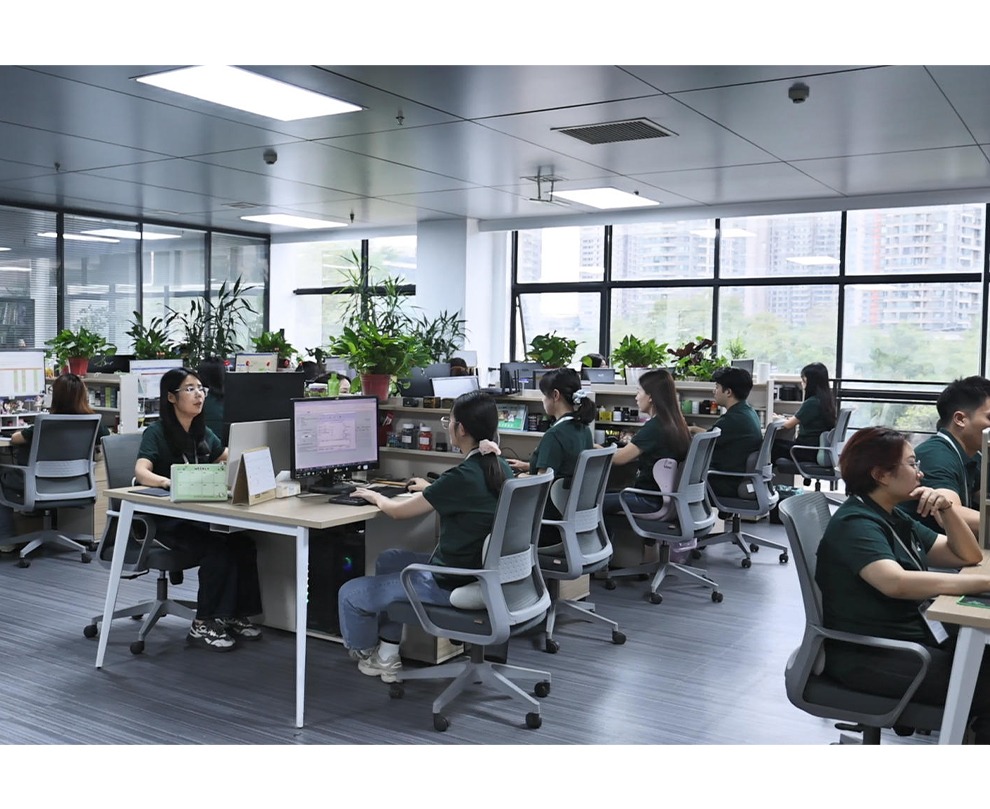
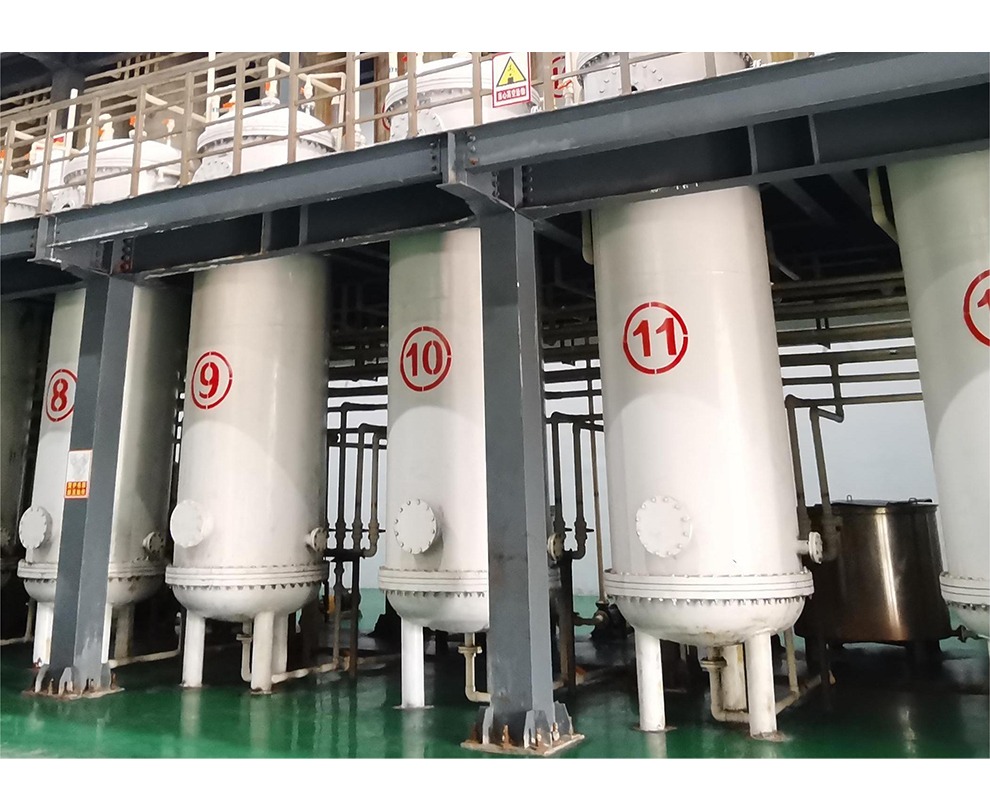
Headquartered in the high-tech industrial hub of Xi'an, China, we operate an end-to-end extraction and secondary dosage processing facility audited directly on-site by TÜV Rheinland.
Production lines strictly adhere to NSF 455-2 GMP, ISO 22000, and HACCP quality management protocols. Every production cleanroom operates under Class 100,000 air handling filtration to eliminate environmental particulate and microbial cross-contamination risks.
Our dedicated QC & QA testing center features state-of-the-art HPLC, GC, Atomic Absorption Spectrophotometry (AAS), and microbiological incubators. Every single batch is released with a validated Certificate of Analysis (COA) documenting identity, potency assay, moisture content, and absence of pathogens.
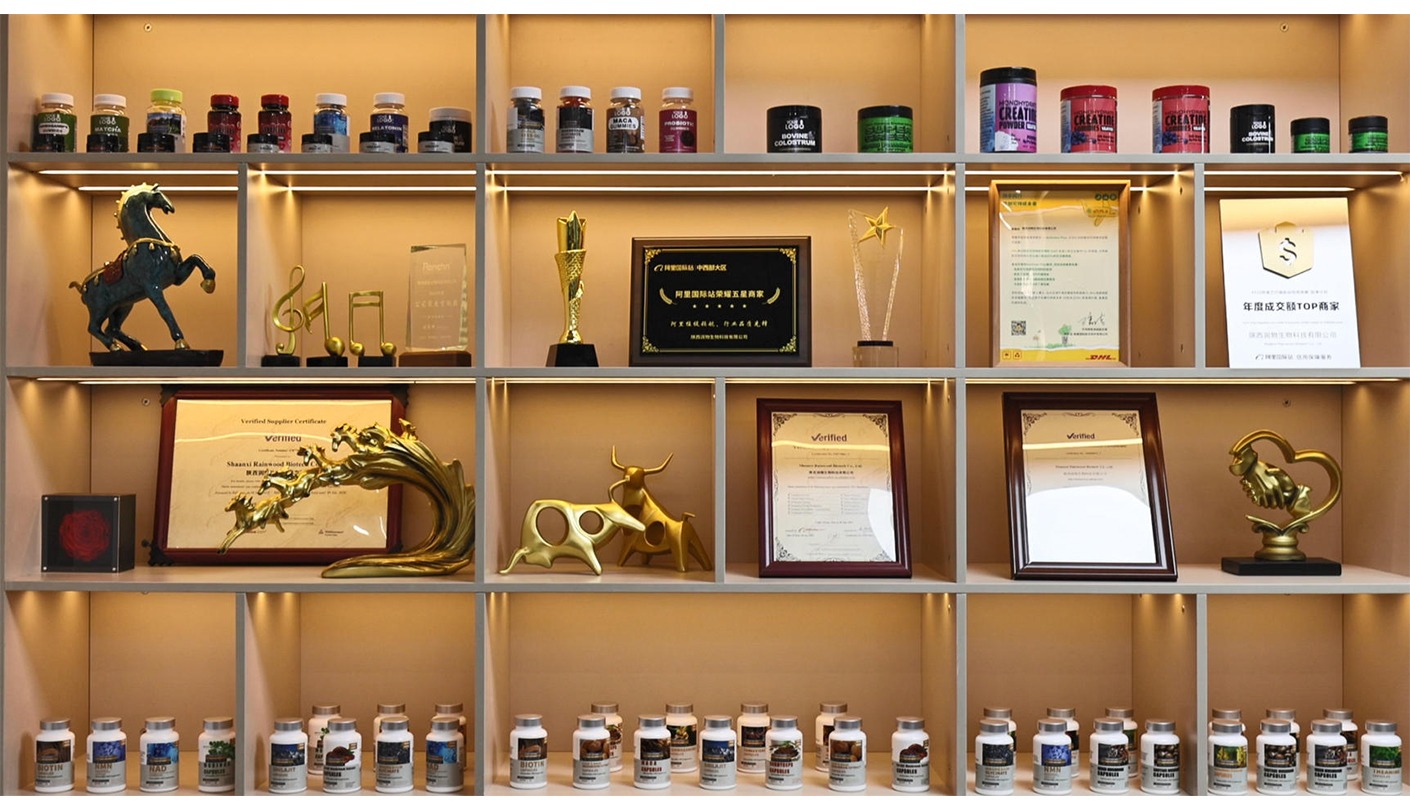
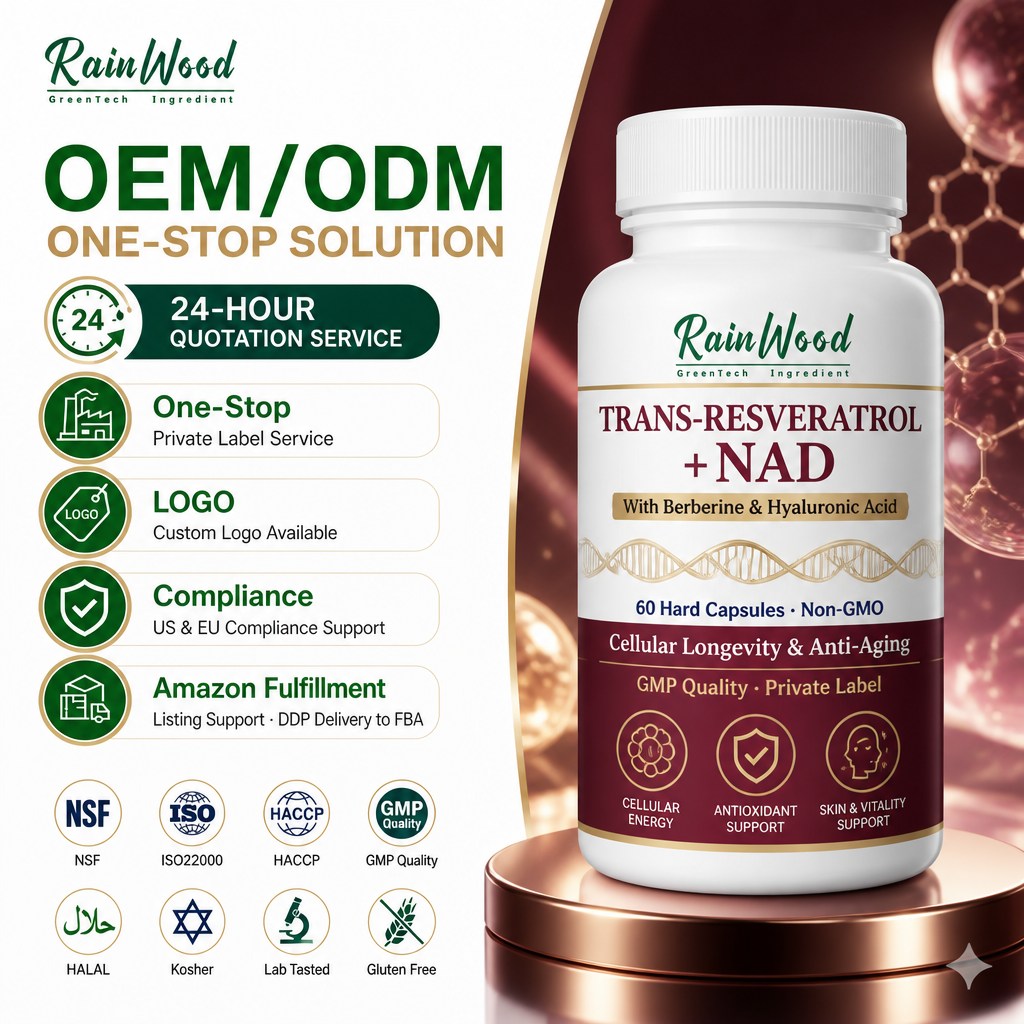
Support multi-tier formulation engineering from low-MOQ trial orders (100–500 bottles) to full container export volumes. Form factors encompass plant-based HPMC hard capsules, softgels, pectin gummies, multi-ingredient powder stick packs, and specialized shilajit resins.
Our closed-loop manufacturing pipeline eliminates cross-contamination, maintains strict batch documentation, and ensures repeatability across scaling cycles.
Raw botanical feedstocks arrive at our central warehouse, entering quarantine. Identity testing via TLC/HPTLC verifies species authenticity against pharmacological monographs.
Crushed botanicals undergo multi-stage counter-current or ultrasonic extraction using purified water or food-grade ethanol to harvest target phytochemical fractions safely.
Crude liquors circulate through adsorbent polymer columns, separating active fractions from plant waxes, tannins, and residual impurities to meet purity specs.
Eluted concentrates undergo low-temperature vacuum falling-film evaporation followed by spray-drying in sanitized chambers, creating ultra-fine free-flowing crystalline powder.
Standardized botanical powders are combined with synergists and clean-label natural excipients in three-dimensional ribbon mixers, ensuring coefficient of variation (CV) < 3%.
High-speed capsule filling machines dose the formulated powder into HPMC or gelatin shells. Continuous check-weighing and metal detection safeguard dosing precision.
Dosage units are counted by infrared sensors into pharmaceutical HDPE or amber glass bottles, induction sealed with desiccant, and safety-capped in clean environments.
Final lots undergo thorough microbiology testing (USP <2021/2022>) and solvent screen assays before the Head of QA issues the export Certificate of Analysis and releases the cargo.
Clear, direct operational answers to simplify supplier qualification, regulatory due diligence, and contract manufacturing onboarding.
Connect directly with our senior formulation engineering and OEM procurement team. Receive instant wholesale tier pricing, pilot prototype evaluation, and complete regulatory COA portfolios.
Get Catalog