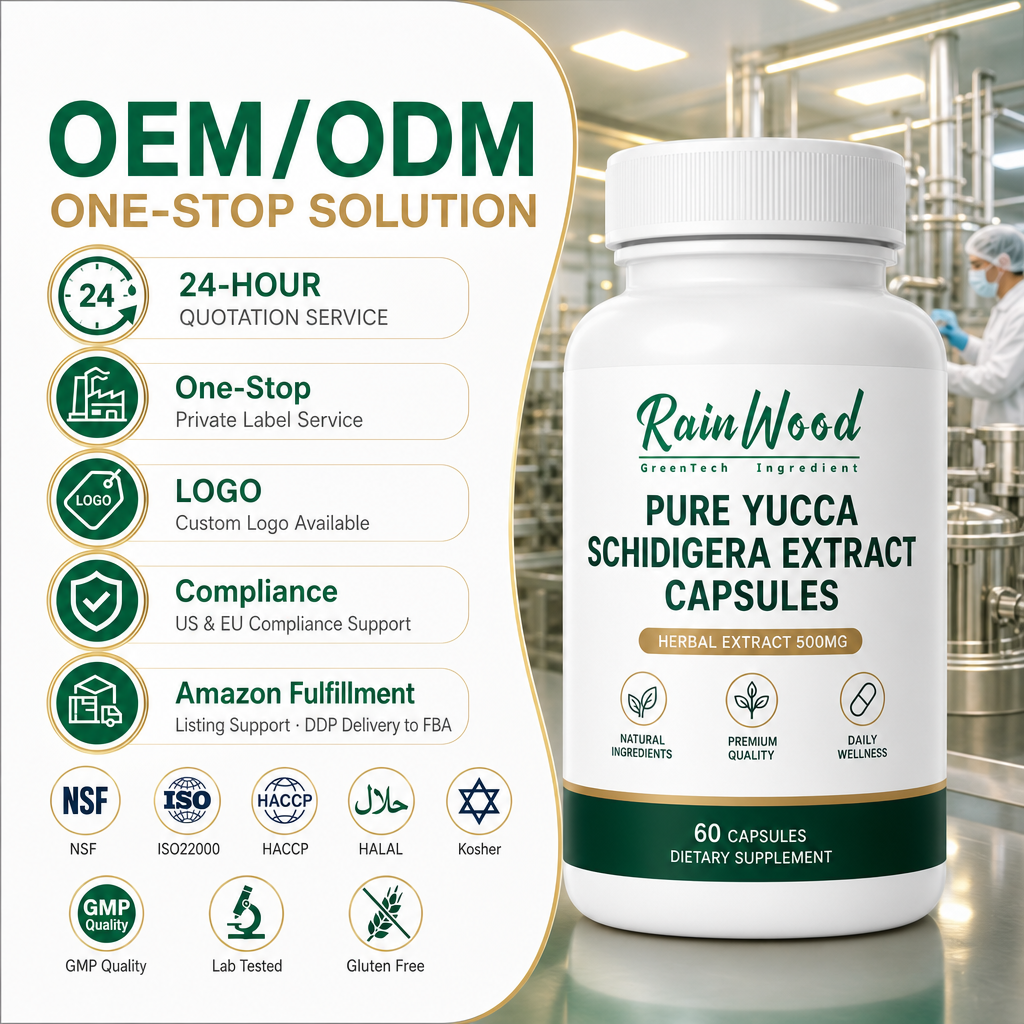
Standardized Botanicals
GMP Pure Yucca Schidigera Extract 500mg Hard Capsules 60 Count
Saponin Profile
Anti-Inflammatory
Streamline your supply chain with ready-to-scale, clean-label capsules, standardized vegetable extracts, and synergistic bioavailability complexes.
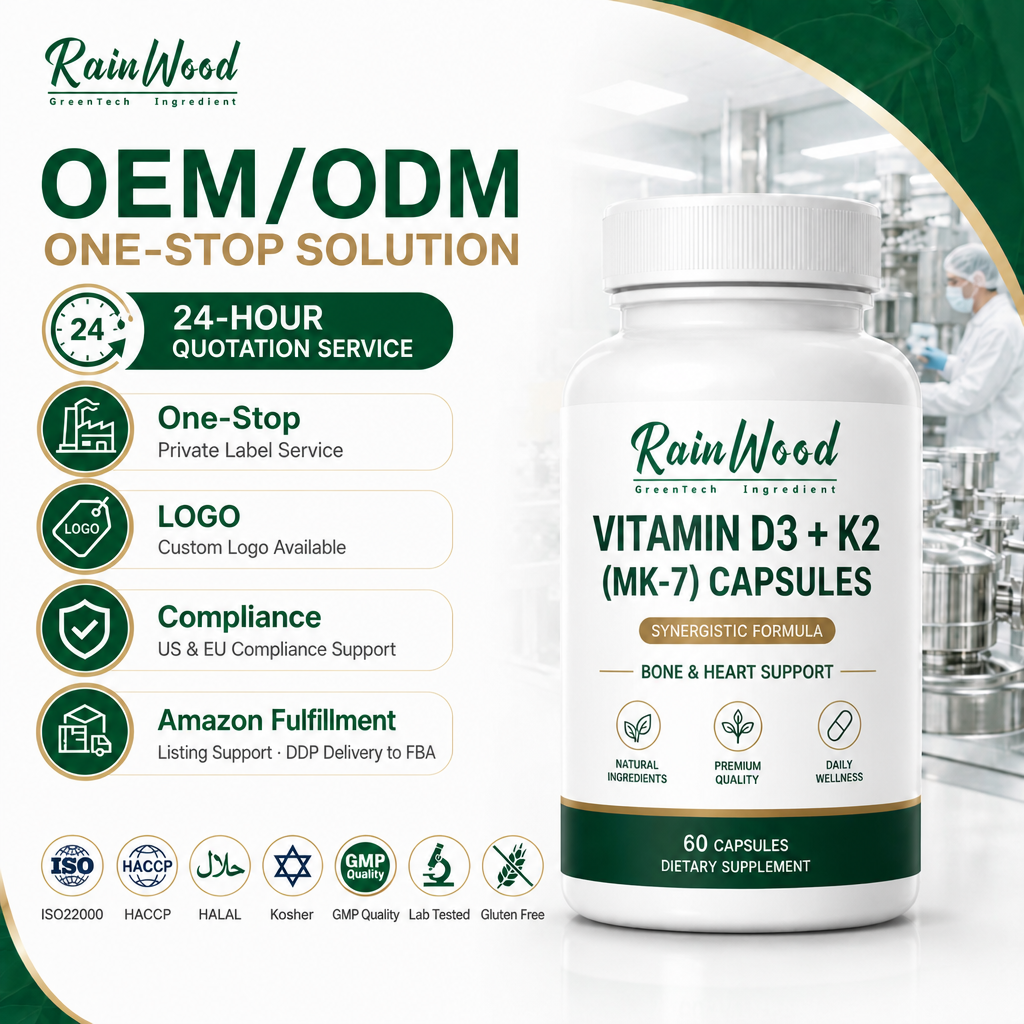
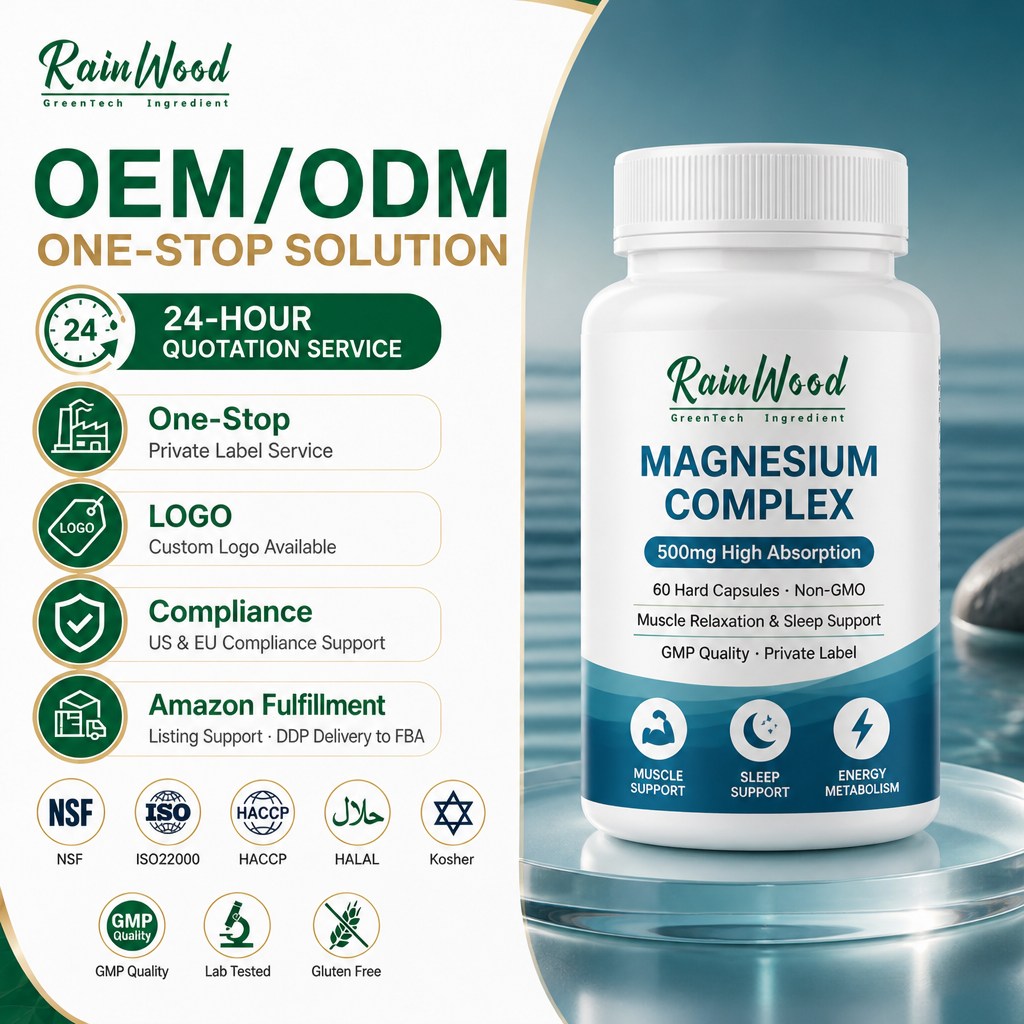
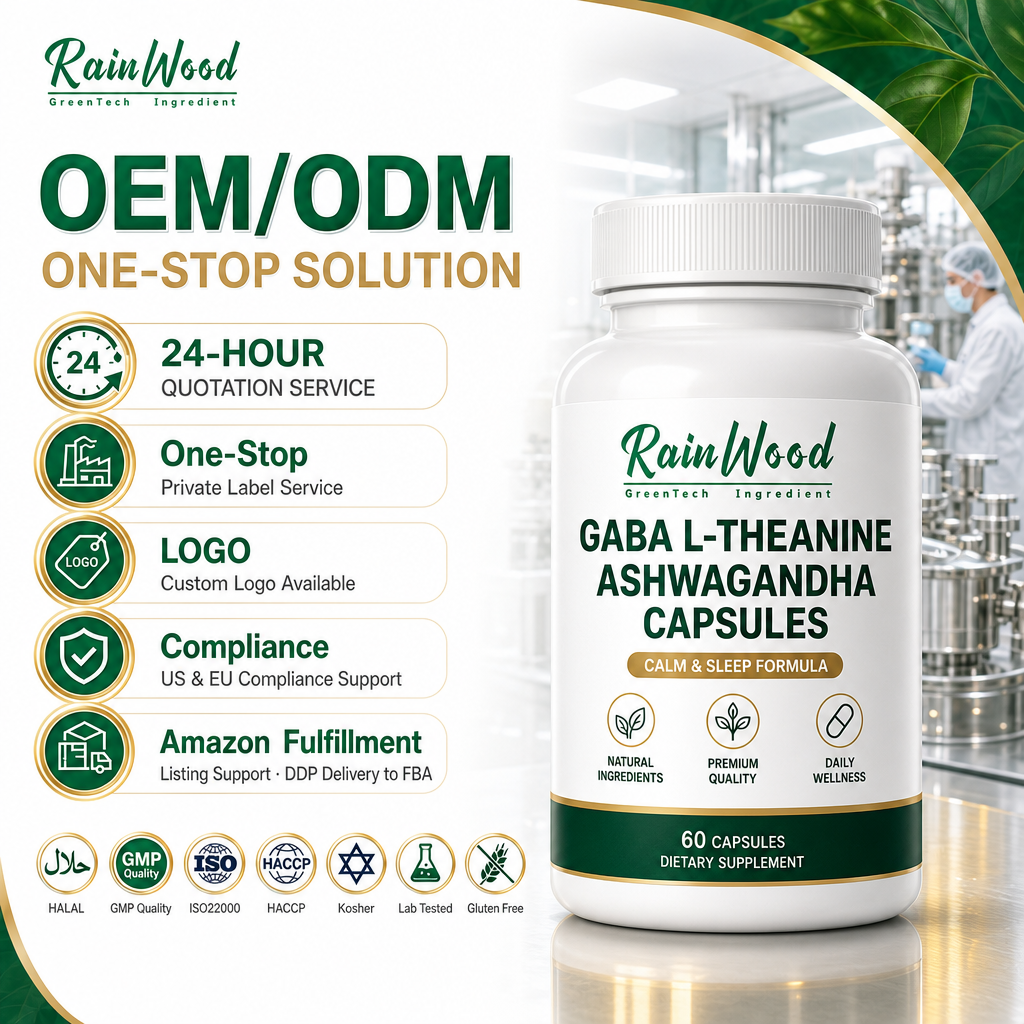
As global regulatory scrutiny intensifies under the EU Novel Food frameworks, US FDA 21 CFR 111, and FSMA guidelines, vegetable extract procurement is pivoting from generic powdered biomass to validated bioactives.
The industry has largely departed from ambiguous dry plant-to-extract ratios (e.g., 10:1 or 20:1), which often conceal sub-potent extraction cycles or post-concentration adulteration. Today’s top enterprise brands demand validated standardization by high-performance liquid chromatography (HPLC) or ultra-performance liquid chromatography coupled with tandem mass spectrometry (UPLC-MS/MS).
Information Gain Insight:Procuring vegetable extracts requires fingerprinted marker compounds—such as total steroidal saponins in Yucca schidigera or bioactive triterpenoids in functional fungi—verifying biological efficacy rather than mere pigment or dry matter yield.
Supply chain sustainability mandates have driven clean-solvent processing to the forefront. Regulatory bans across the European Union and North America regarding class-1 and class-2 residual extraction solvents (such as hexane, chloroform, or ethylene dichloride) have positioned water-based and supercritical CO2 fluid extraction as the baseline standard.
Clean-Label Imperative:Modern consumer segments actively avoid chemical residues. Manufacturers providing supercritical fluid extraction guarantee native bioactive preservation while eradicating toxic VOC off-gassing.
Botanical adulteration remains a primary vulnerability for nutraceutical brands. The intentional replacement of premium plant species with cheaper taxonomical relatives has led international border inspections to implement genomic verification and botanical identity authentication.
Risk Mitigation:Securing raw material batches accompanied by botanical DNA barcoding and multi-isotopic soil origin mapping insulates private label partners from product recalls and legal brand dilution.
Unrefined vegetable extracts frequently face severe therapeutic barriers, including low aqueous solubility, gastric degradation, and rapid hepatic clearance. Our custom processing incorporates three revolutionary engineering breakthroughs.
Polyphenols, carotenoids, and volatile phytosterols exhibit limited stability when subjected to thermal oxidation or gastric acidity. We employ phospholipid bilayer entrapment and spray-chilling micro-encapsulation techniques. By shielding sensitive botanical actives in biocompatible liposomes, mucosal transport in the duodenum is exponentially accelerated, yielding up to a 600% gain in systemic bioavailability.
Certain raw phytochemicals serve merely as precursors, requiring conversion into active metabolites for clinical efficacy. Through controlled solid-state microbial fermentation, our manufacturing infrastructure breaks down insoluble vegetable lignins and deglycosylates active saponins into aglycones. This improves small-intestine absorption without depending entirely on unpredictable host microbiome composition.
High-dose herbal extracts are notoriously hygroscopic, causing clumping, tablet capping, or poor dissolution rates. Our fluidized bed spray granulation balances particle size distribution and bulk density. This facilitates continuous automated tableting and high-speed encapsulation without demanding synthetic binders, synthetic silica flow agents, or magnesium stearate excipients.
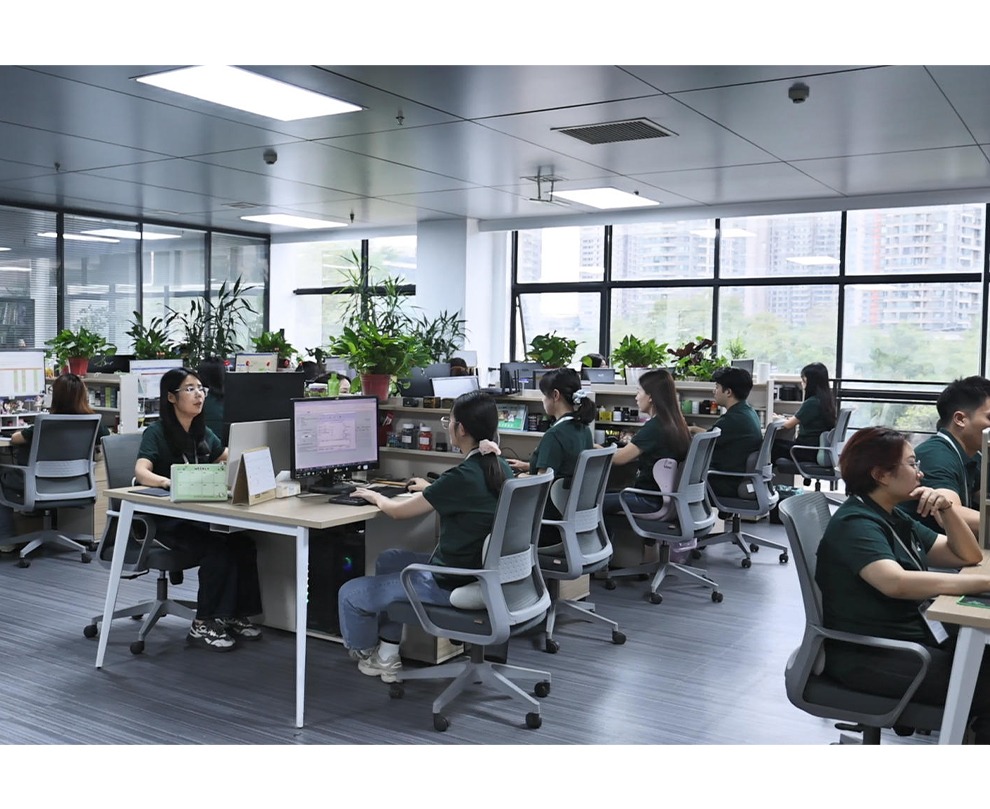
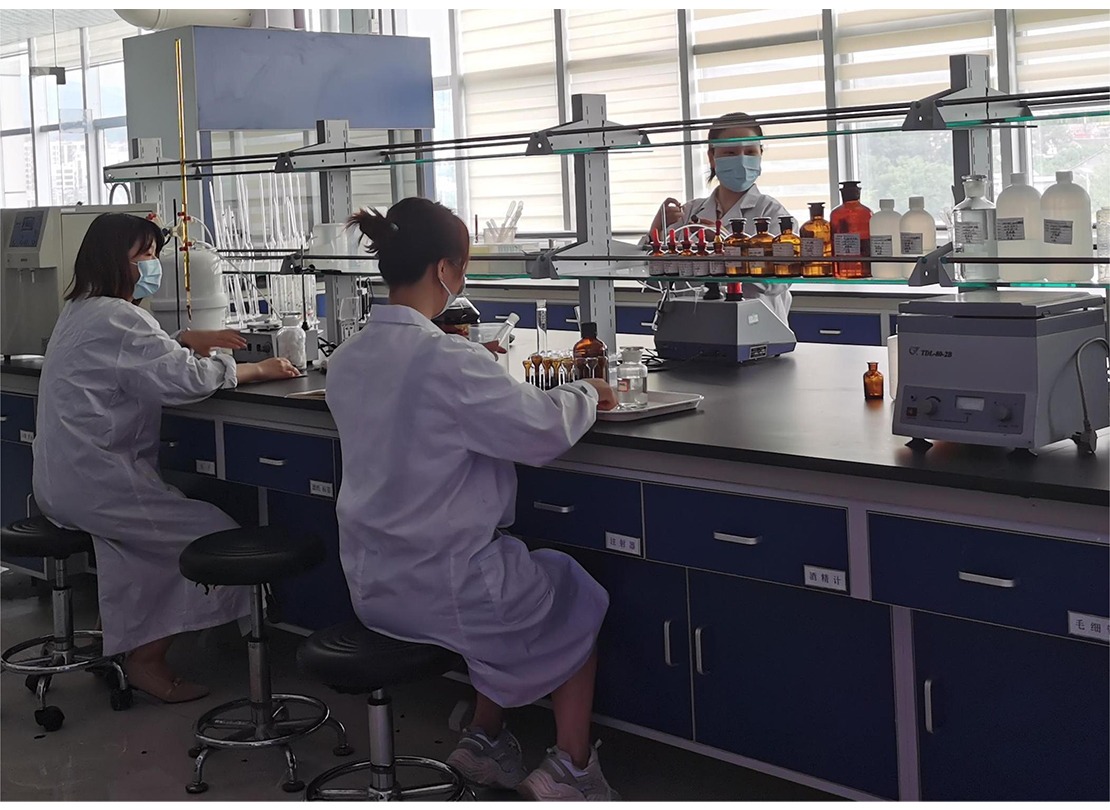
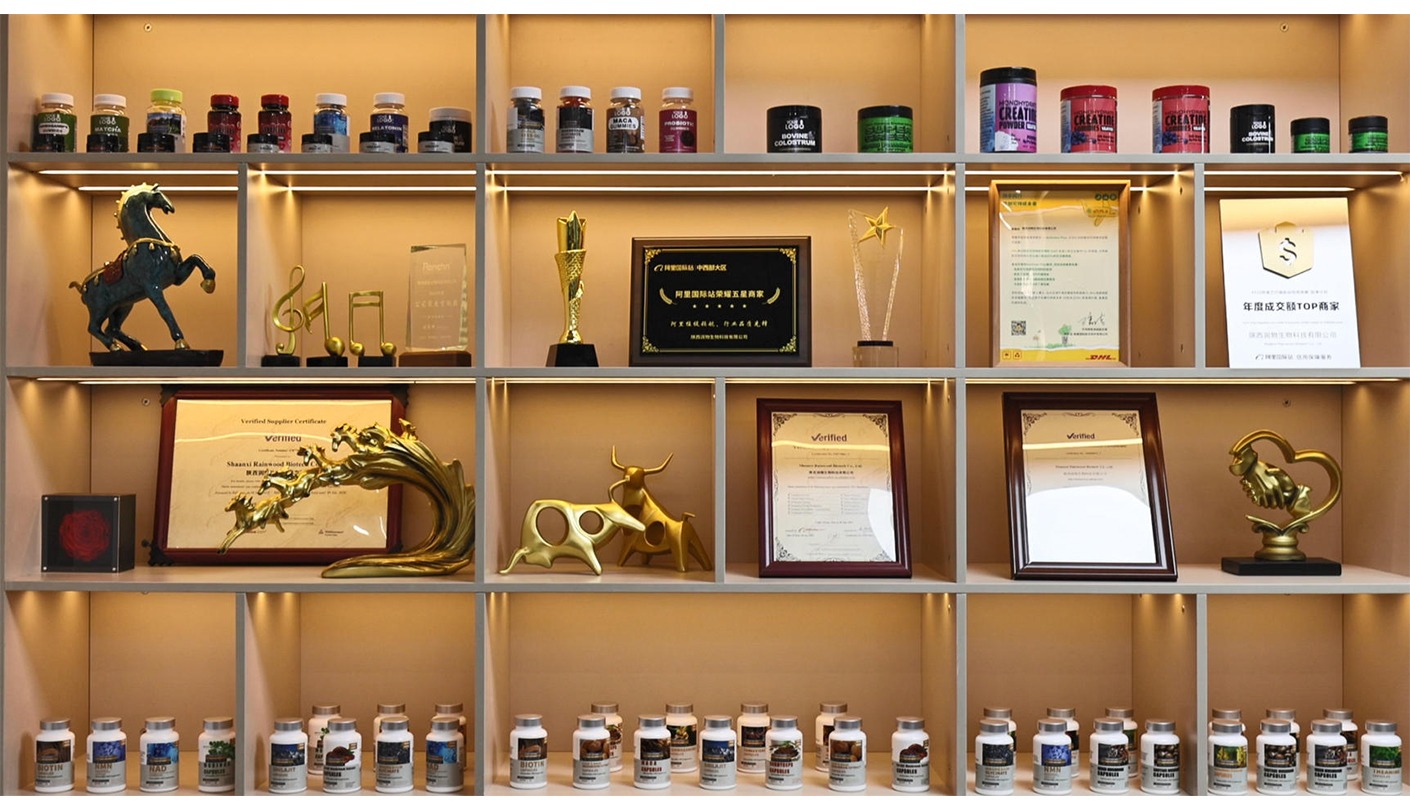
Established in 2006 in Xi'an within Shaanxi province—the geographic nexus of global herbal extraction and botanical synthesis—Shaanxi ESNO Biotech Co., Ltd. operates an integrated, NSF 455-2 GMP, ISO 22000, and HACCP certified manufacturing matrix.
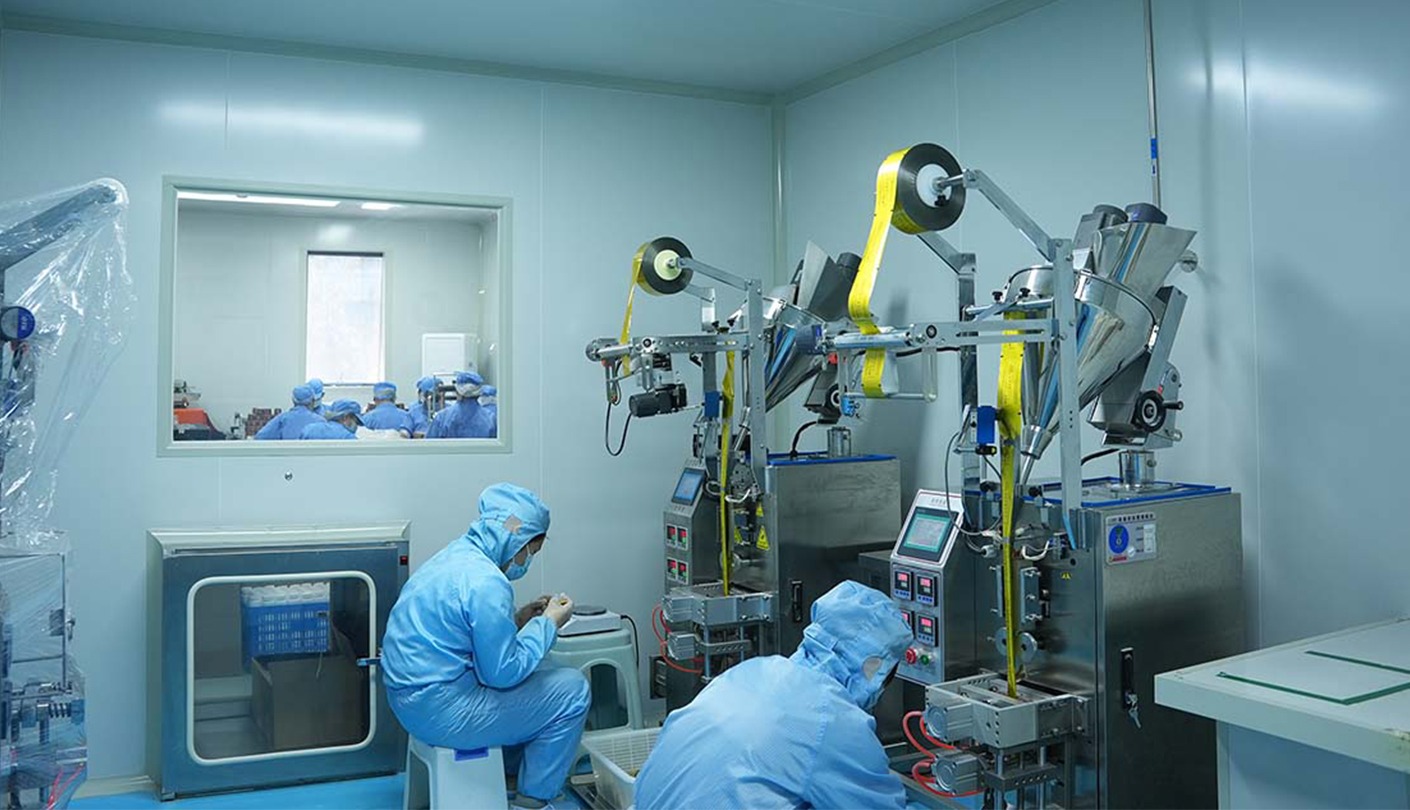
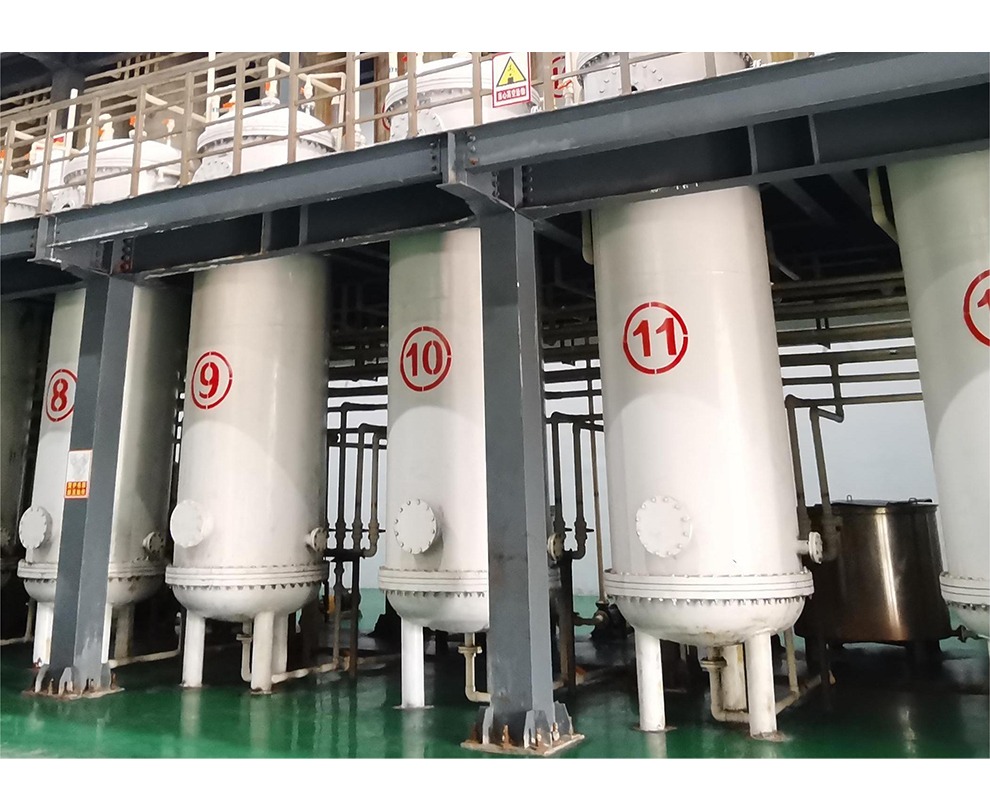
We remove intermediary markups and regulatory blindspots by controlling the entire supply cycle: starting with authenticated botanical cultivation bases, through industrial-scale stainless-steel multi-effect extractors, to Class D 100,000-level cleanrooms supporting automated capsule filling, gummy molding, and micro-sachet packaging lines.
Technical clarification on batch releases, regulatory documentation, stability protocols, and contract parameters.
Connect with a dedicated formulation specialist. Receive comprehensive specification sheets, target active feasibility reviews, and sample test kits formulated to your market criteria.