The global supply chain for botanical extracts has undergone a decisive structural transformation. Raw material adulteration, chemical spiking, and misleading extraction ratios (e.g., non-quantified 10:1 or 20:1 claims) no longer pass stringent regulatory examinations by the US FDA, European EFSA, or Australia's TGA.
Tier-one nutraceutical brands and pharmaceutical compounding houses evaluate raw natural extract powder suppliers on molecular verification rather than gross yield. When assessing contract extraction facilities in China's prime botanical corridor—Xi'an, Shaanxi—procurement officers must audit four non-negotiable technical pillars:
Phytochemical Fingerprinting: Mandatory High-Performance Thin-Layer Chromatography (HPTLC) alongside High-Performance Liquid Chromatography (HPLC) with diode-array detection (DAD) to detect adulteration with synthetic polyphenols or exogenous dye markers.
Residual Solvent Stripping: Complete elimination of Class 1 and Class 2 solvents (benzene, methanol, ethylene dichloride), keeping Class 3 extraction solvents (ethanol, water, ethyl acetate) far below the 5,000 ppm ICH Q3C threshold.
Pesticide Multi-Residue Clearance: Quantitative GC-MS/MS and LC-MS/MS screening cross-checked against USP <561> and Ph. Eur. 2.8.13 protocols, encompassing more than 400 agrochemical compounds.
Microbiological & Heavy-Metal Integrity: ICP-MS quantification demonstrating Lead (<0.5 ppm), Cadmium (<0.2 ppm), Arsenic (<0.5 ppm), and Mercury (<0.1 ppm), coupled with cold irradiation or ozone sterilization without active denaturation.
"A genuine contract manufacturing partner does not simply ship drummed powder; they furnish batch-traceable validation dossiers that defend your brand during regulatory audits and Amazon Category Approval reviews."
Key Audit Criteria: Direct Factory vs. Trading Intermediary
Over 65% of listings claiming to be 'GMP manufacturers' are domestic trading companies lacking continuous extraction lines, cleanroom Class 100,000 encapsulation halls, and internal analytical instrumentation.
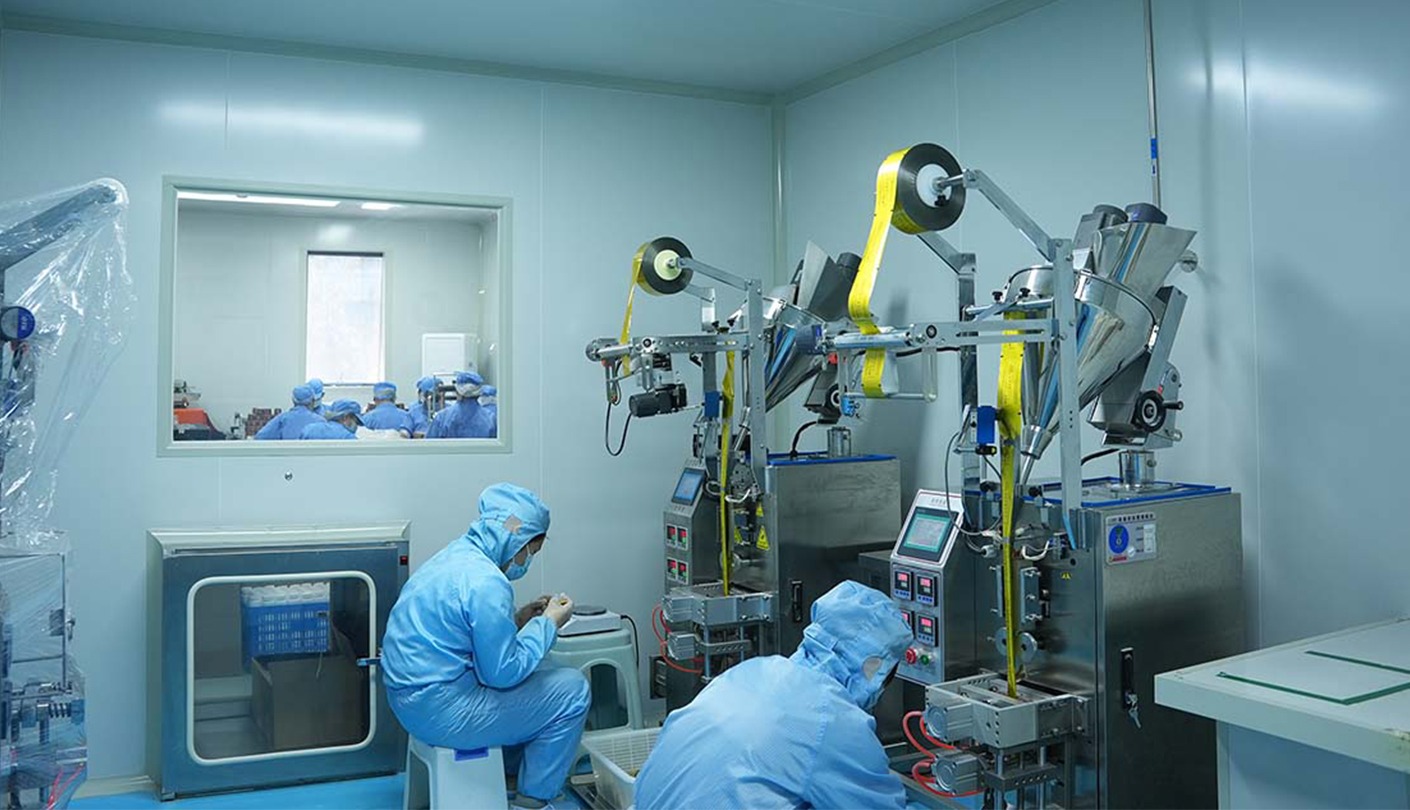
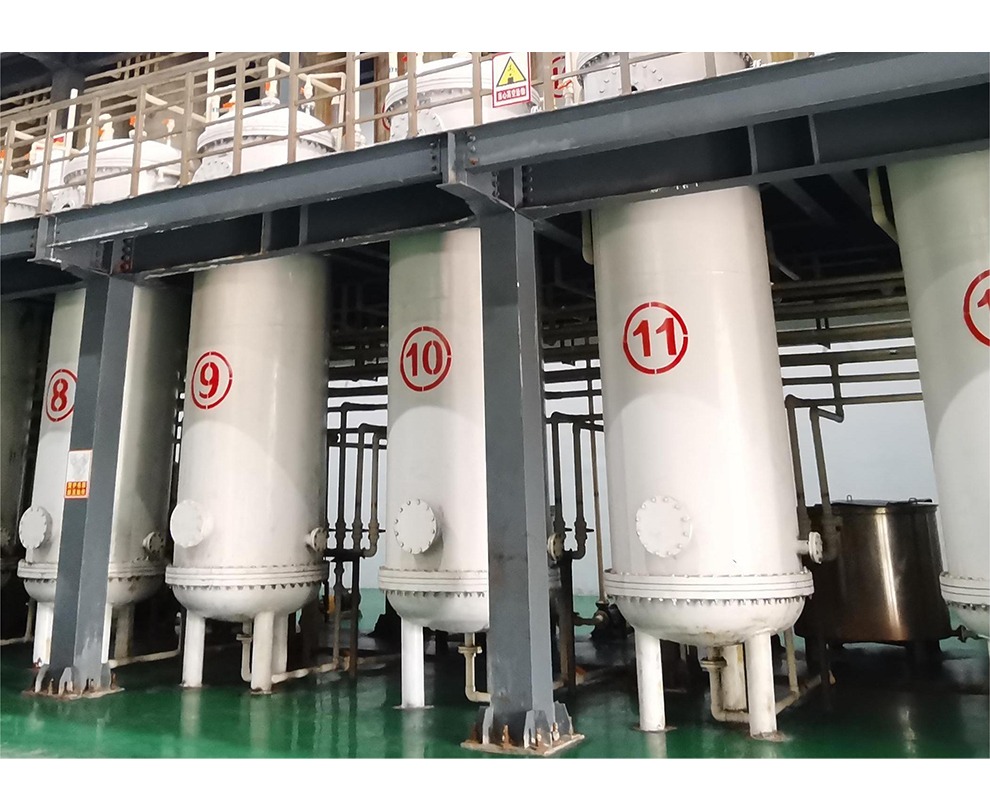
Shaanxi ESNO Biotech maintains end-to-end integration: sourcing medicinal raw herbs directly from botanical cultivation bases in the Qinling Mountains, executing countercurrent dynamic extraction, spray drying, and final dosage encapsulation under a single audited quality management system.
Analytical Release Thresholds: Standard Factory Spec vs. ESNO Biotech Quality Standard
Testing Parameter
Common Trading Spec
USP / European Pharmacopoeia
ESNO Biotech Production Spec
Verification Method
Active Titration
Ratio claim (10:1 unverified)
Specified single active compound
✓ Dual Active Titration (e.g. 98% HPLC)
HPLC / UHPLC-DAD
Heavy Metals (Pb, Cd, As, Hg)
< 20.0 ppm Total
Pb <3ppm, Cd <1ppm, As <1ppm
✓ Ultra-clean: Pb <0.5ppm, Cd <0.1ppm
ICP-MS (Agilent 7900)
Pesticide Multi-Residues
Declaration of non-use only
Standard screen USP <561>
✓ 410 Compound Panel Neg (<0.01mg/kg)
GC-MS/MS & LC-MS/MS
Residual Solvents
< 5,000 ppm Ethanol
ICH Q3C guidelines
✓ Low-Temp Vacuum <800 ppm Ethanol
Headspace GC-FID
Microbiological Count
Total Plate < 10,000 CFU/g
TPC < 1,000 CFU/g, Yeast < 100 CFU/g
✓ TPC < 1,000 CFU/g, Pathogen Negative
BAM / ISO 4833 Incubation
Finished Dosage Uniformity
Weight variation ±7.5%
USP <905> Uniformity of Dosage
✓ Strict In-Process Control ±2.0%
Automated Checkweigher
Manufacturing Excellence
Shaanxi ESNO Biotech: 19 Years of Extraction Leadership
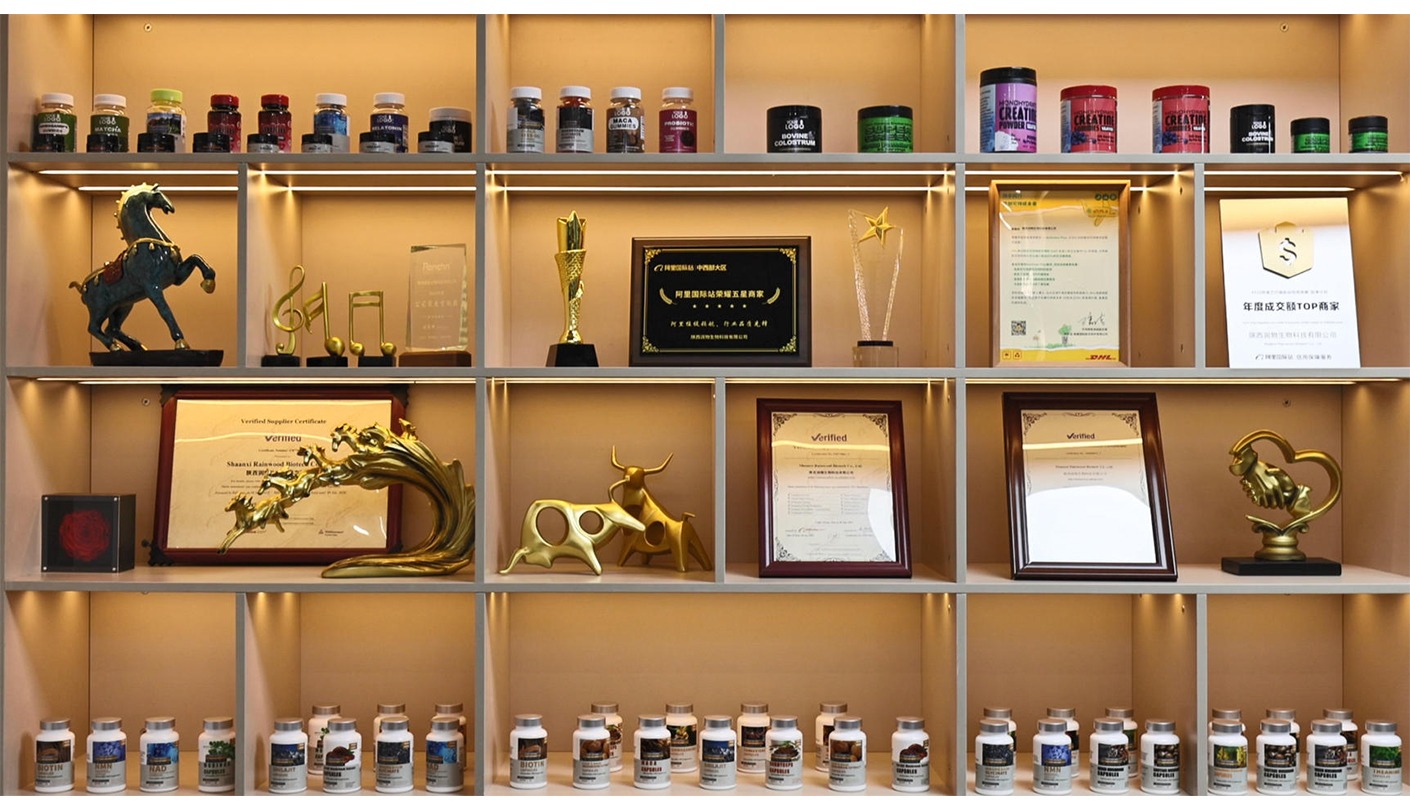
Established in 2006 in Xi'an—the heartland of the Qinling botanical repository—Shaanxi ESNO Biotech operates NSF 455-2 GMP, ISO 22000, and HACCP certified facilities, delivering scalable raw powder solutions and turnkey private label finished goods across North America, Europe, and Asia.
Xi'an High-Tech Headquarters
Cleanroom Class 100,000 Workshop
Analytical QC & Testing Lab
Climate-Controlled Logistics Hub
Turnkey OEM/ODM Vertical Integration
From bulk botanical extract raw powders (standardized powders, water-soluble instant teas, liposomal forms) to consumer-packaged hard capsules, pectin gummies, softgels, and powder stick packs. Complete in-house label and blister packaging streamlines launch cycles from 6 months down to 18 days.
Low MOQ & Rapid Pilot Sampling
We eliminate the high financial barriers common with legacy contract manufacturers. While standard contract labs demand 50,000 bottle minimums, our flexible pilot batch lines accommodate private label capsule orders starting at 100 to 500 units, backed by complimentary R&D formula pilot samples within 5 business days.
Independent Analytical Release (COA)
Every production lot is released only after undergoing double-verification: initial internal testing using our Agilent HPLC and Shimadzu GC systems, followed by blind third-party audits with ISO 17025 accredited partners including TÜV Rheinland, SGS, or Eurofins to confirm physical identity, potency, and safety.
Subcritical & Low-Temp Extraction
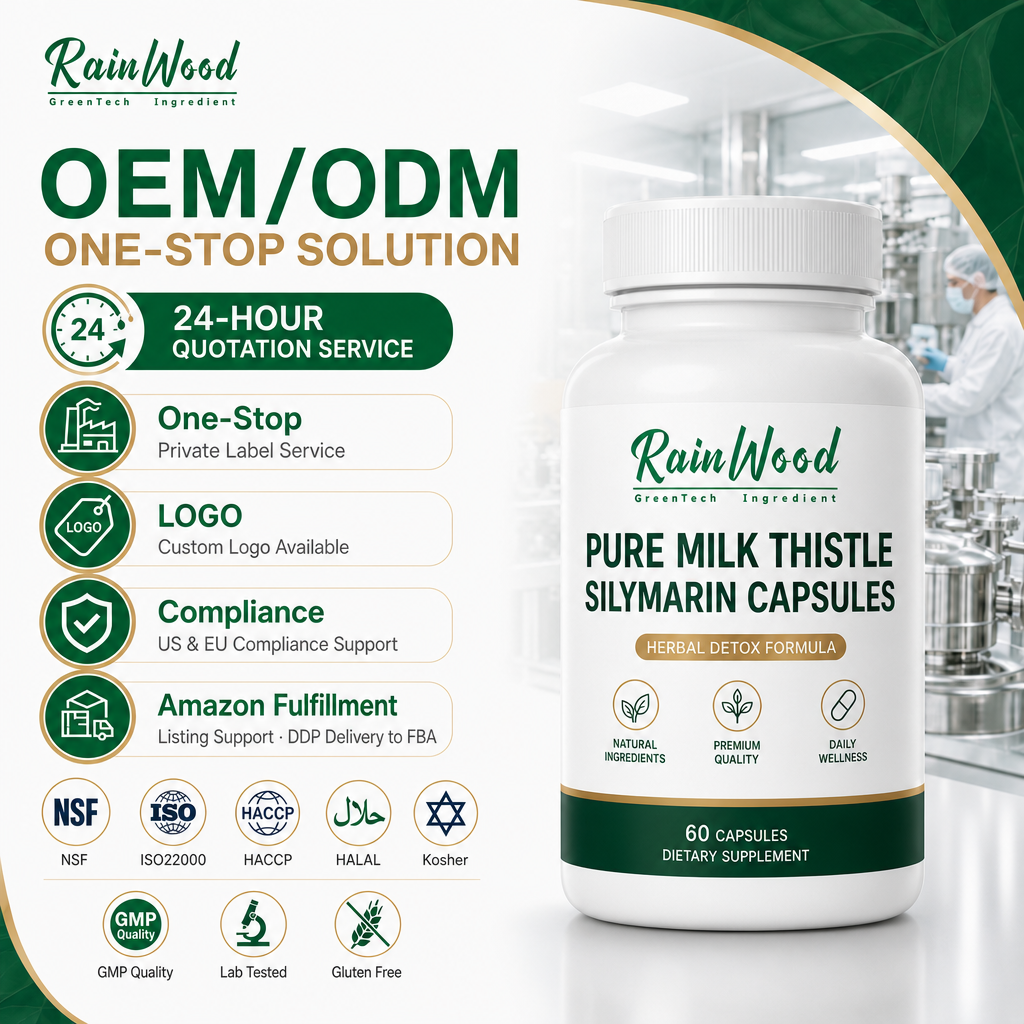
Thermolabile active constituents—such as Apigenin, Trans-Resveratrol, and Milk Thistle Silymarin isomers—degrade under high-heat processing. Our facility implements low-temperature vacuum concentration and subcritical low-pressure extraction to preserve stereochemical integrity and therapeutic bioavailability.
Export Regulatory Dossier Support
Entering competitive retail chains or overseas markets requires rigorous documentation. We prepare complete Technical Master Files (TMF), including Certificates of Free Sale (CFS), Halal, Kosher, Allergen Statements, Non-GMO Attestations, Stability Testing (ICH Q1A accelerated 40°C/75% RH), and FDA Prior Notices.
Dedicated Account Technical Engineers
Bypass generic customer support. Every account is assigned a bilingual food-science engineer who oversees your formulation, advises on excipient compatibility (e.g., magnesium stearate vs. organic rice hull), manages packaging mockups, and guarantees seamless door-to-door DDP international air and sea logistics.
Market Projections & Industry Direction
Future Procurement Trends: Where Botanical Extraction Is Headed
Data-driven analysis on evolving consumer demands, green chemistry legislation, and the commercial shifts shaping botanical ingredient procurement through 2030.
Macro Trend 01
Standardized Molecular Markers vs. Crude Extraction Ratios
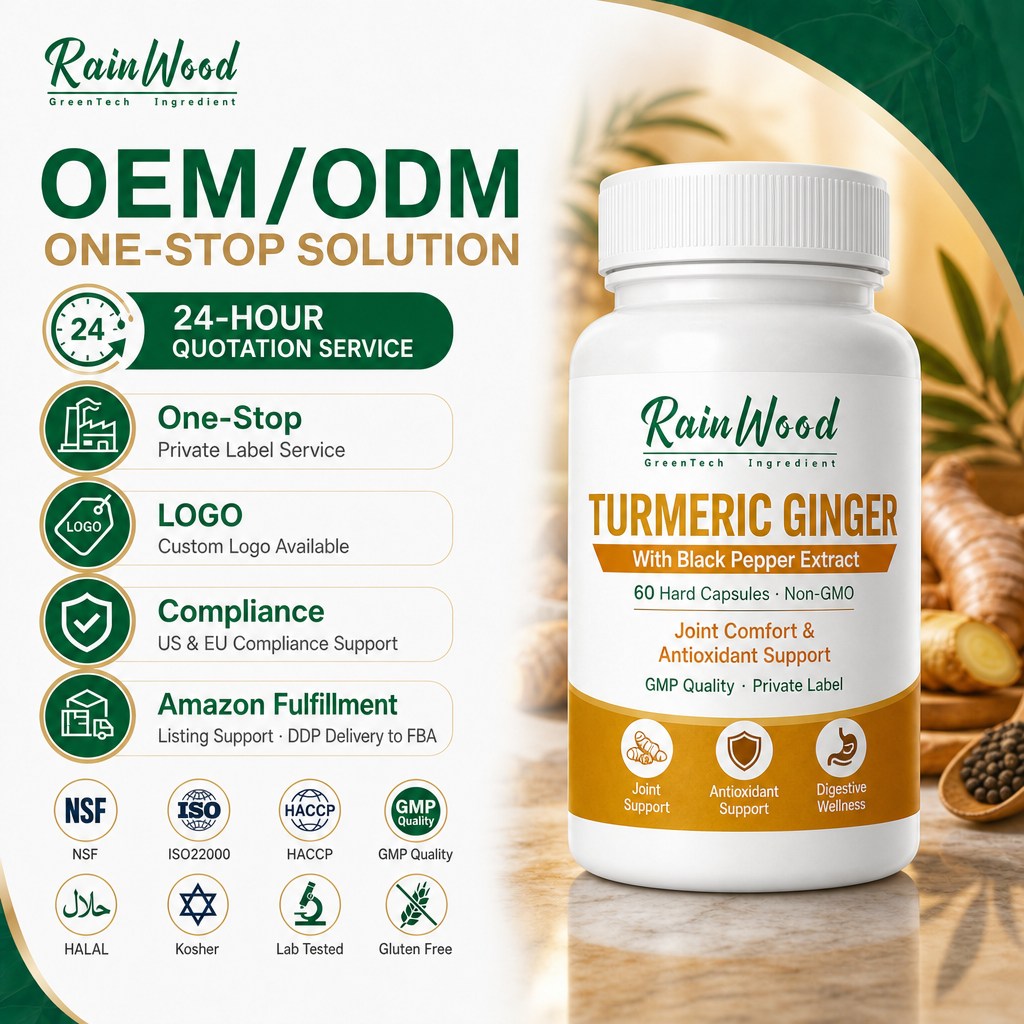
The era of ambiguous '10:1' or '20:1' raw herb claims is ending. Regulatory enforcement agencies and corporate buyers increasingly mandate precise molecular quantifications—such as 95% Curcuminoids by HPLC, 80% Silymarin with quantified Silybin by UV/HPLC, or 24/6 Ginkgo Flavone Glycosides and Terpene Lactones. Standardized powders guarantee consistent physiological efficacy across every production lot, protecting brand reputations from batch-to-batch variability.
Macro Trend 02
Supercritical Fluid CO2 & Green Extraction Chemistry
With tightening European bans on halogenated petrochemical solvents and increasing consumer aversion to petrochemical processing, procurement volume is migrating toward Supercritical Fluid CO2 and pressurized hydro-ethanolic extraction. Supercritical fluid CO2 technology eliminates solvent residues entirely, operates at ambient temperatures to avoid heat degradation of active terpenes, and delivers a carbon-neutral footprint aligned with global ESG procurement mandates.
Many of the most potent botanical polyphenols—such as Trans-Resveratrol, Curcumin, and Apigenin—suffer from low oral bioavailability and rapid first-pass hepatic metabolism. The industry is rapidly adopting advanced formulation delivery matrices, including phospholipid-bound phytosomes, cyclodextrin molecular inclusion complexes, and microencapsulated beadlets that demonstrate a 4x to 9x enhancement in human plasma absorption over unformulated native powders.
Macro Trend 04
DNA Barcoding & Botanical Species Fingerprinting
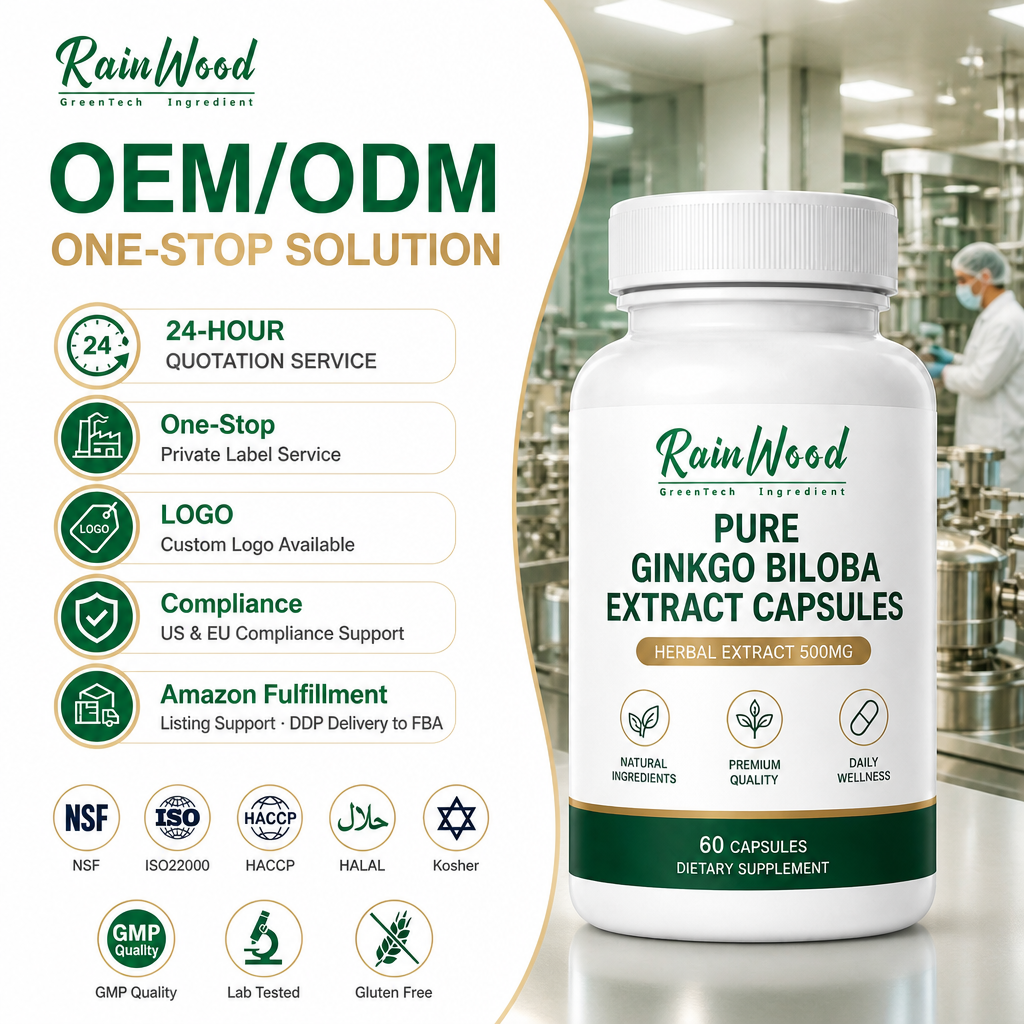
Species adulteration—whether accidental via wild harvesting lookalikes or deliberate economic adulteration—represents a major liability for consumer brands. High-tier natural extract manufacturers now institute genomic DNA barcoding prior to raw material lot acceptance. Confirming the precise taxonomic identity of raw material (e.g., verifying authentic Ginkgo biloba leaves and eliminating adulteration with Sophora japonica rutin) has become a prerequisite for global market entry.
Macro Trend 05
Multi-Pathway Botanical Synergies in Single Dose Units
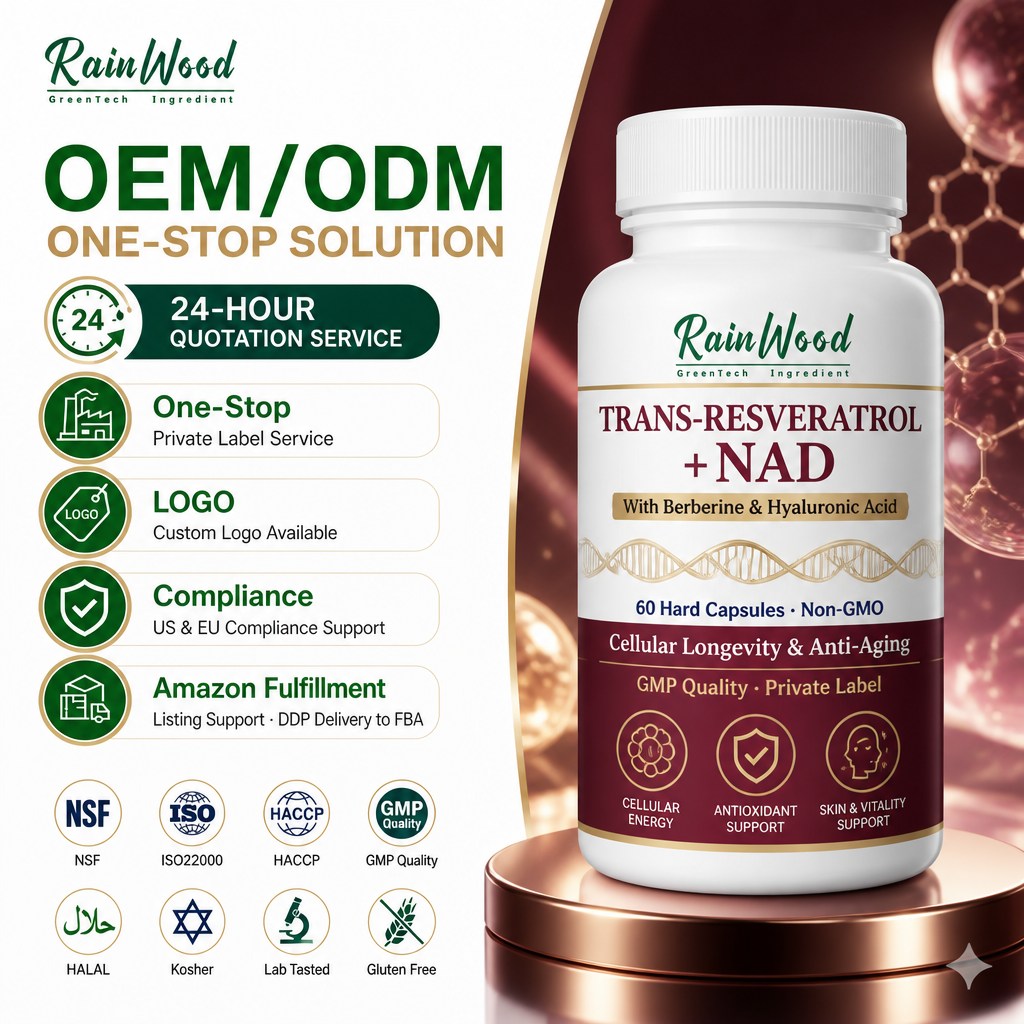
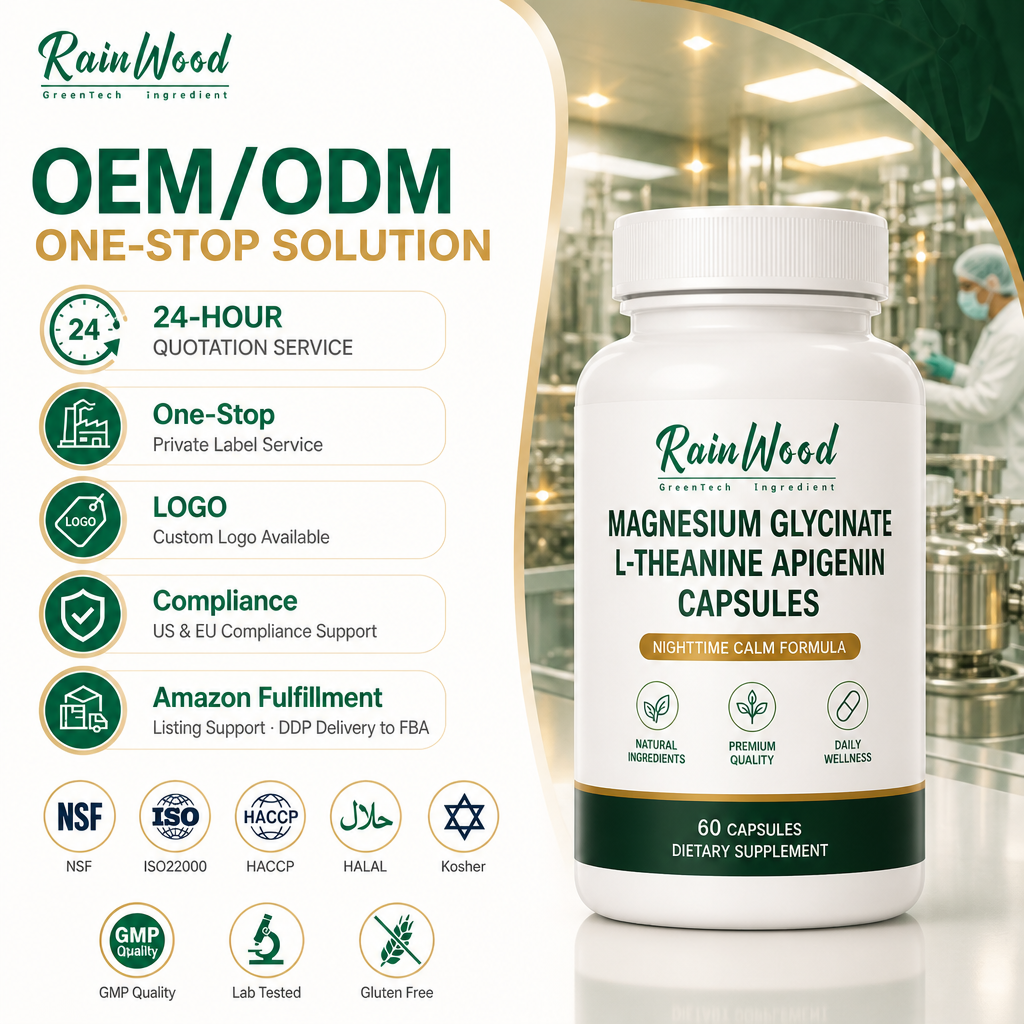
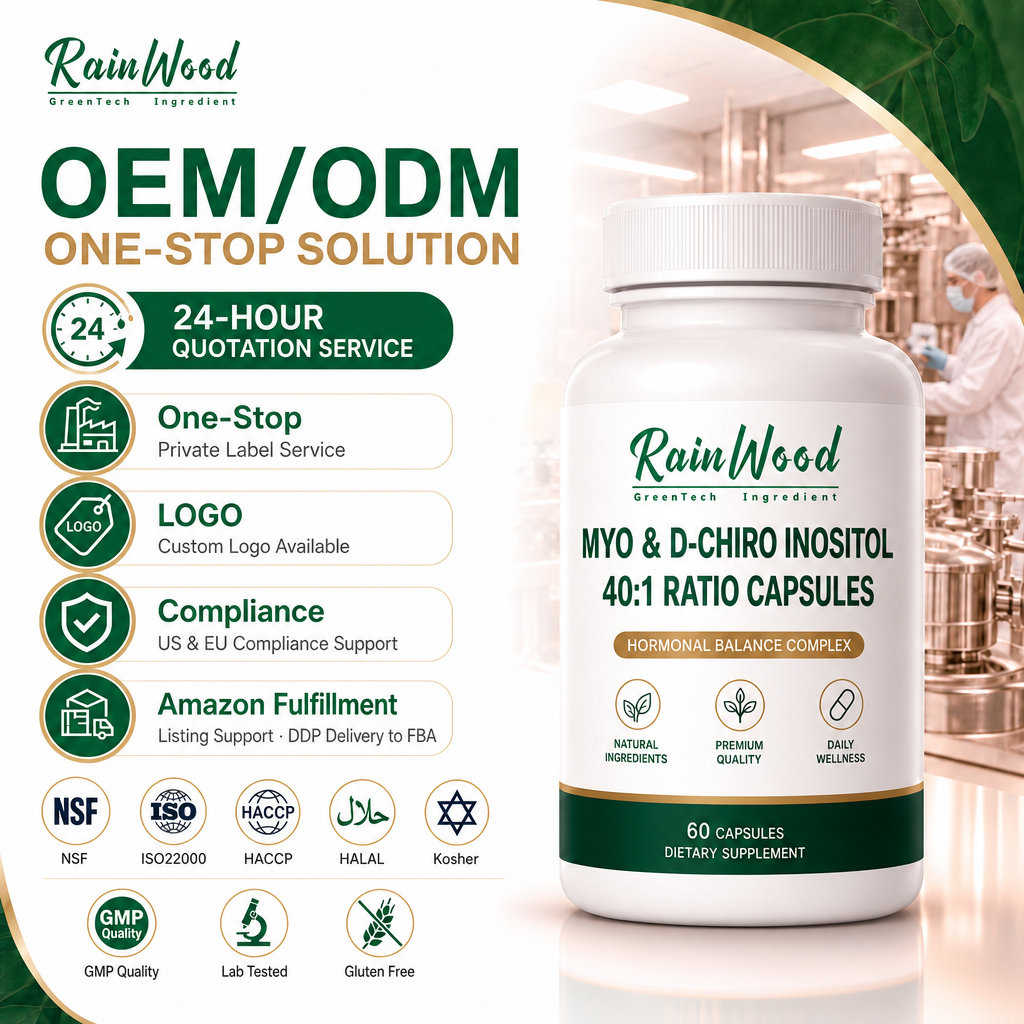
Single-ingredient commoditization has driven margin compression across retail supplements. Progressive brands are consolidating complementary botanicals into multi-pathway stacks: combining Trans-Resveratrol with NAD+ and Berberine for metabolic longevity; pairing Magnesium Glycinate with L-Theanine and Apigenin for non-melatonin circadian rest; or blending 40:1 Myo-Inositol with D-Chiro Inositol for targeted endocrine and metabolic homeostasis.
Direct, technical answers addressing the critical operational concerns voiced by contract buyers, QA managers, and supply chain directors.
What is the baseline Minimum Order Quantity (MOQ) for custom natural extract powders and private label capsules?
For standardized bulk natural extract powders (such as Milk Thistle 80%, Curcumin 95%, or Trans-Resveratrol 98%), our standard production MOQ starts at 25 kg (one standard fiber drum), with pilot trial quantities of 1 kg available for analytical verification. For custom private label OEM hard capsules (60 count bottles or blister packs), our order quantities start at 500 units for standard stock formulas, and 1,000 to 2,000 units for fully bespoke formulations requiring unique excipient blending.
Which analytical methodologies do you utilize to verify botanical extract potency and detect economic adulteration?
Every production run undergoes validated assay procedures referencing USP, Ph. Eur., and Chinese Pharmacopoeia (ChP) protocols. We deploy High-Performance Liquid Chromatography (HPLC) coupled with DAD/UV detectors for active quantification (e.g., curcuminoids, resveratrol, silybin). Identification is cross-checked using High-Performance Thin-Layer Chromatography (HPTLC) fingerprinting against verified botanical reference standards to rule out synthetic spiking. Heavy metals are quantified via ICP-MS down to parts-per-billion (ppb) thresholds.
How does Shaanxi ESNO Biotech manage ethylene oxide (EtO) and irradiation controls for the European and US markets?
Ethylene oxide (EtO) and its breakdown metabolite 2-chloroethanol are strictly prohibited across our production lines, fully complying with European Commission Regulation (EU) 2022/1396. Microbial bioburden reduction is executed through clean-steam sterilization, controlled heating, or ozone disinfection in clean environments. When non-thermal terminal sterilization is required, gamma or electron-beam irradiation is conducted under documented customer agreement, with quantitative screening via EN 13751 (photostimulated luminescence).
What documentation and compliance dossiers accompany commercial shipments?
Each batch is dispatched with a verified Certificate of Analysis (COA) specifying physical characteristics (mesh particle size, tapped/bulk density), active phytochemical percentages, heavy metals, residual solvents, pesticides, and microbial counts. Additionally, we provide Master Manufacturing Records (MMR), Flow Charts, Allergen Statements, Non-BSE/TSE Declarations, Non-GMO Statements, Safety Data Sheets (MSDS), and custom label compliance reviews aligned with FDA 21 CFR Part 101.
What is the typical production lead time from formula approval to dispatch?
Standard catalog botanical extract powders ship from our climate-controlled warehouse within 48 to 72 hours of payment receipt. For bespoke OEM/ODM private label capsule production—including custom blend milling, stability-approved filling, bottle packaging, induction sealing, and batch coding—production is typically completed within 15 to 20 working days following final artwork and packaging component sign-off.
Can your R&D engineering lab assist in stabilizing hydroscopic or difficult-to-blend botanical powders?
Yes. Our technical team has resolved stability challenges across more than 400 commercial formulas. Highly hygroscopic botanical extracts (such as pure Shilajit resin powder, high-polyphenol green tea, or concentrated fruit extracts) are stabilized using clean-label carriers such as organic tapioca maltodextrin, acacia gum, or microcrystalline cellulose (MCC). We also formulate fluidized-bed granulations to improve flowability on high-speed encapsulation machinery without active degradation.
Launch Your Certified Botanical Product Line
Connect directly with our senior formulation specialists and regulatory documentation engineers. Request comprehensive batch Certificates of Analysis, order trial pilot samples, or schedule an in-depth factory audit of our GMP-certified facility.