19+
Years GMP Extraction Expertise
100+
Destination Export Countries
400+
Custom Botanical Formulations
3,500+
B2B Partners Globally
Standardized Phytochemical Solutions
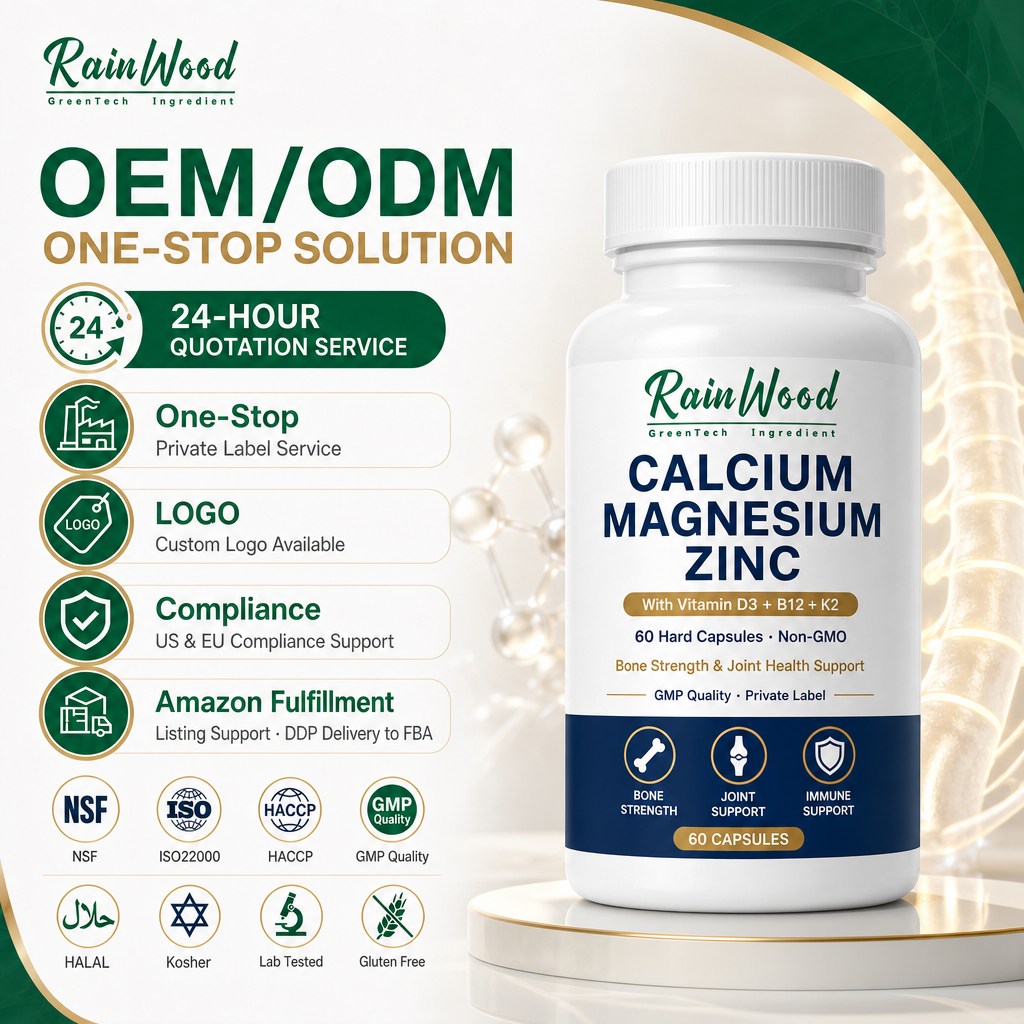
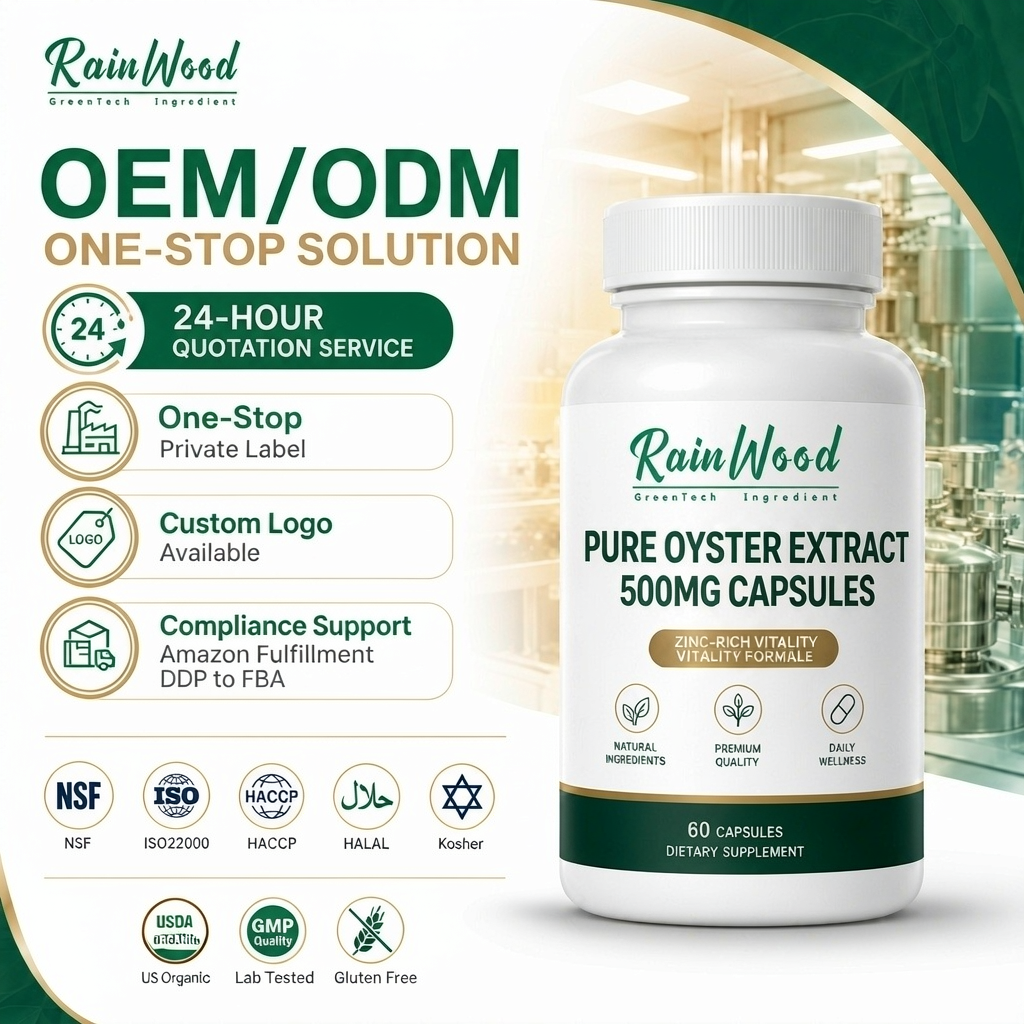
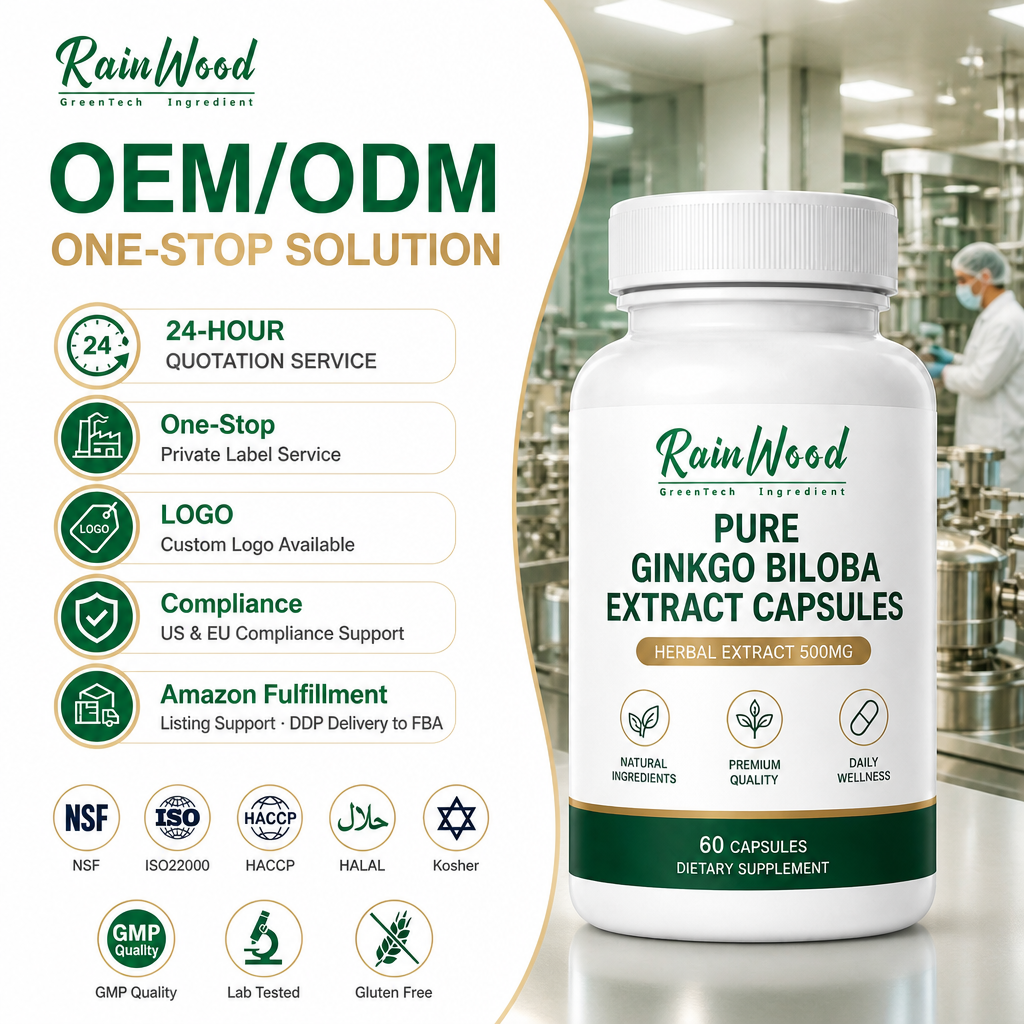
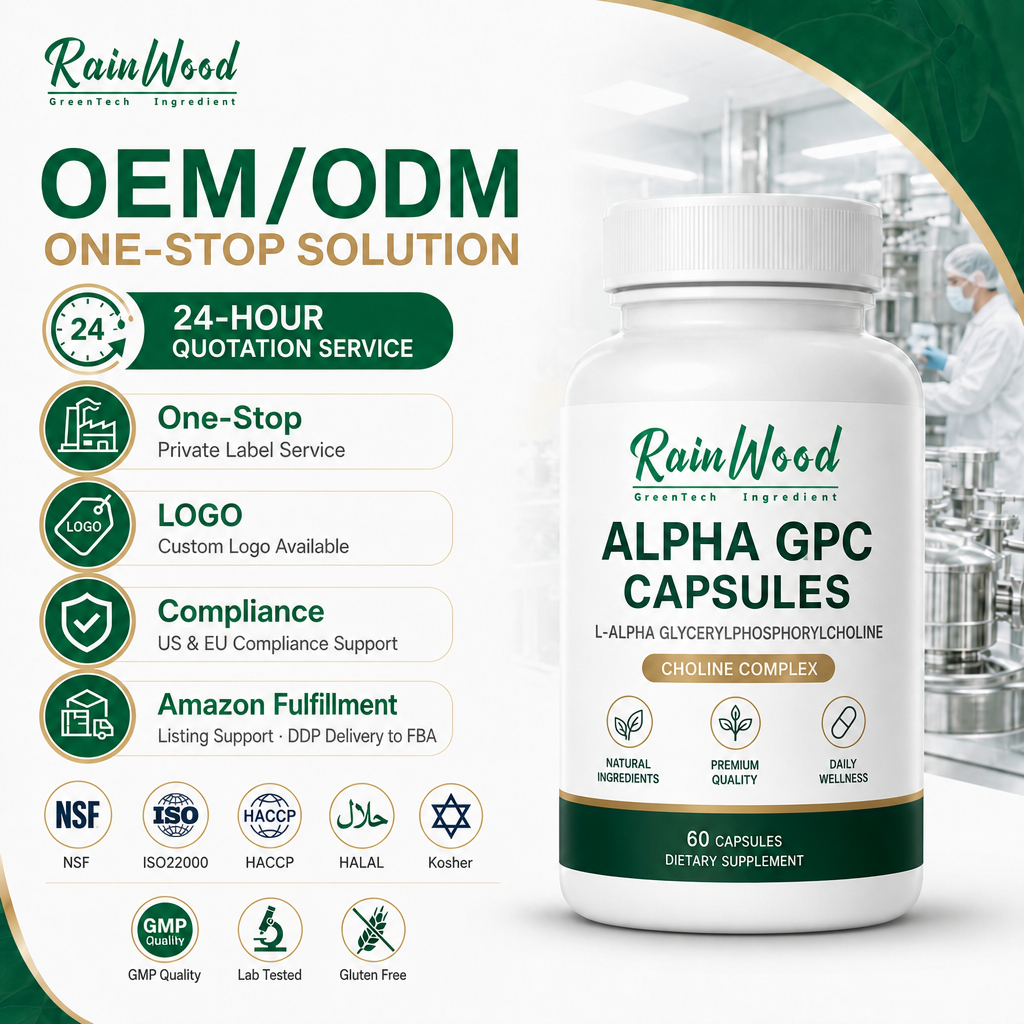
Featured Botanical & Nutritional Formulations
Laboratory-verified bio-actives, customized for turnkey private label brand expansion and maximum market bioavailability.
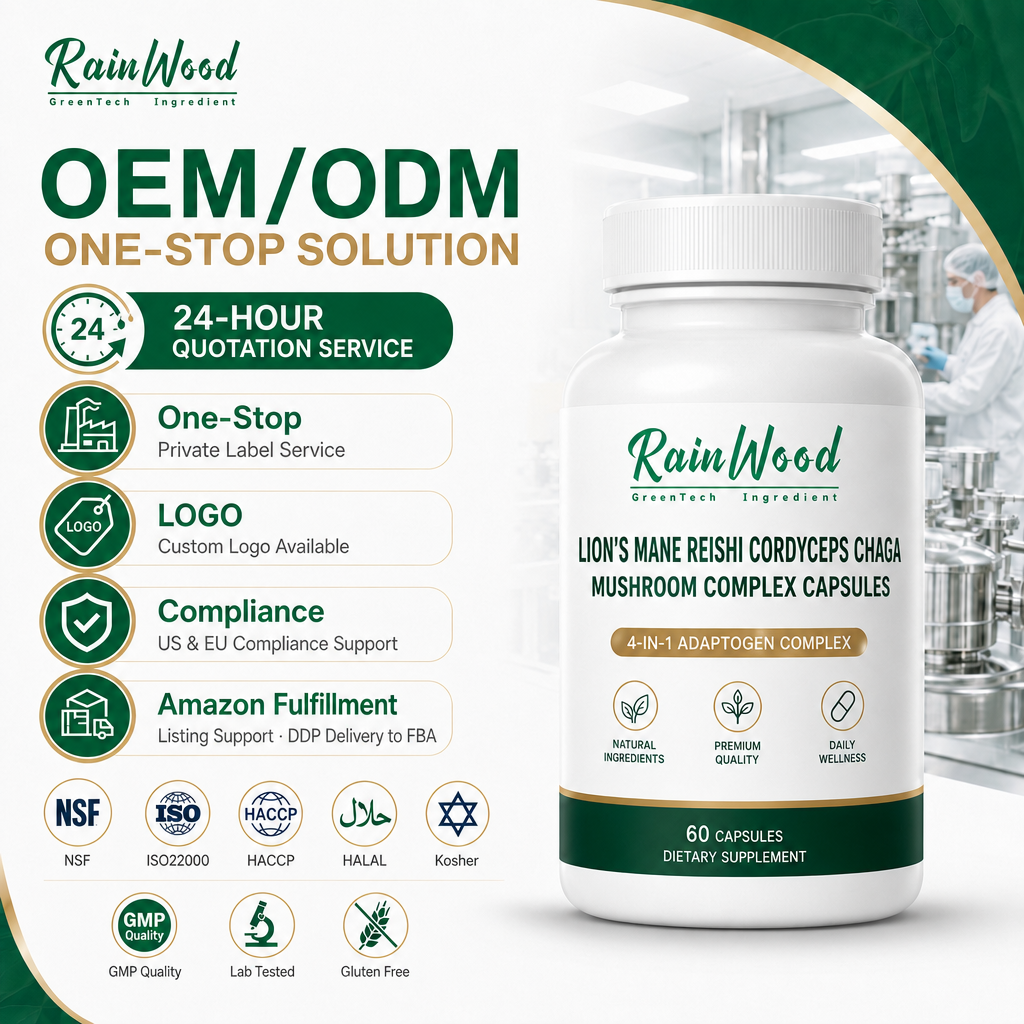
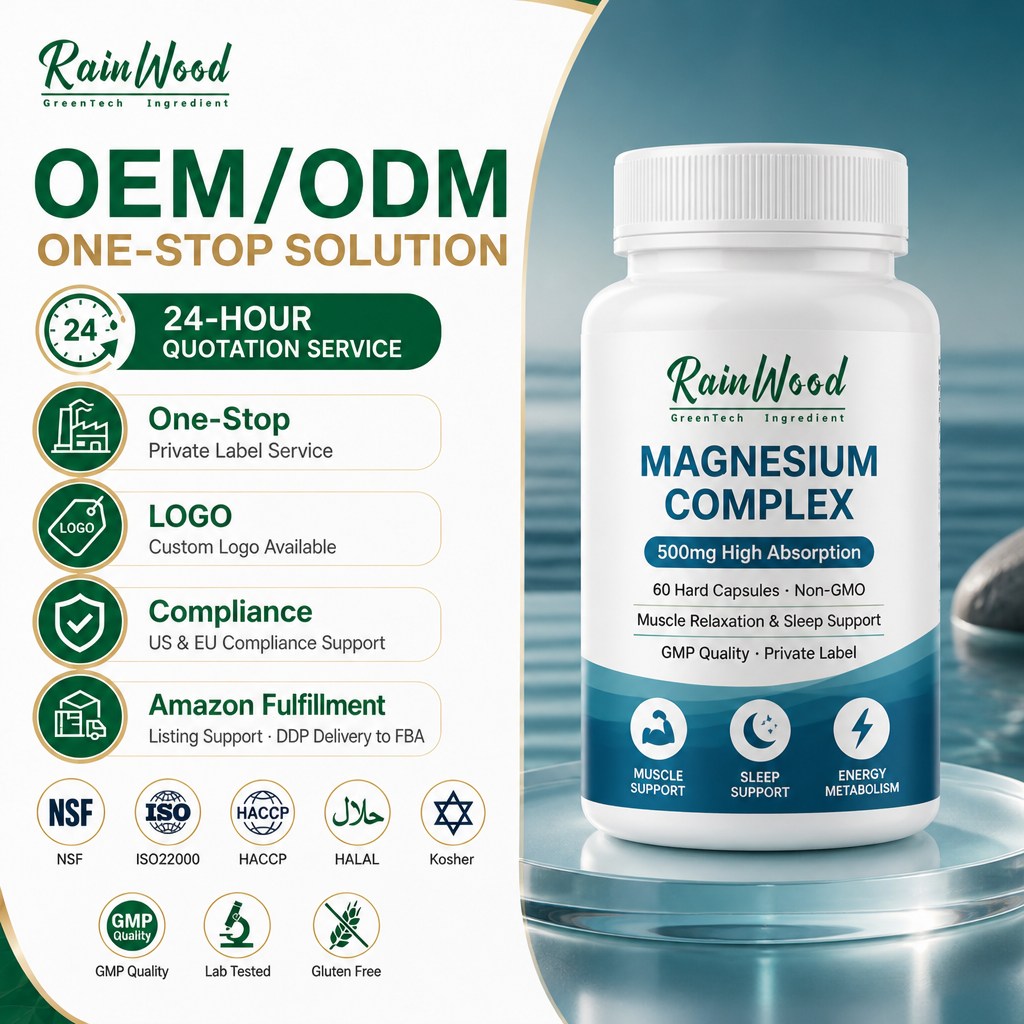
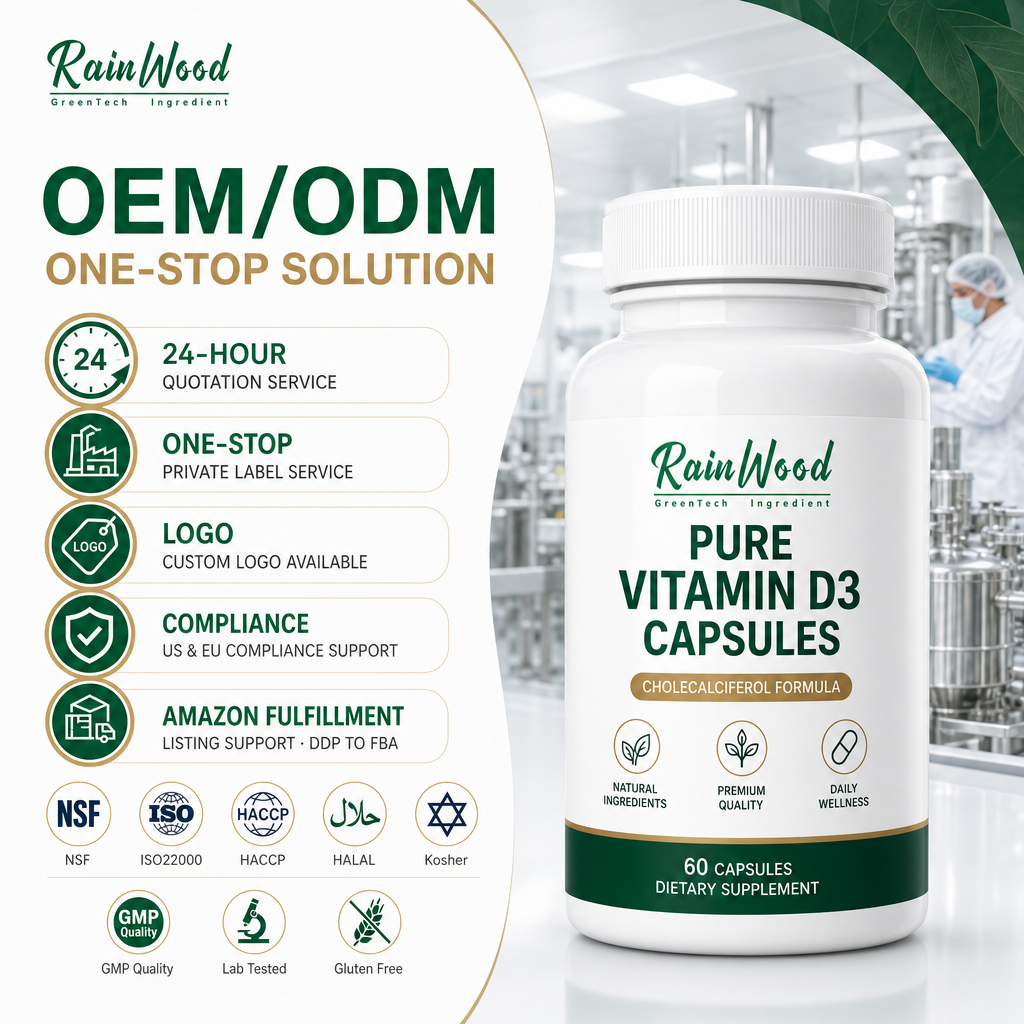
The Anatomy of Sourcing Excellence: Evaluating Top Botanical Extract Suppliers
The global natural plant extract industry has transitioned from crude, unquantified biomass processing to high-precision phytochemistry. Leading brands and international formulation houses no longer source purely on price per kilogram; procurement criteria are now anchored in chromatographic fingerprinting, sustainable wild-harvest verification, and total solvent containment.
When qualifying an elite botanical extract manufacturer, procurement officers and formulation scientists evaluate suppliers across four core analytical parameters:
| Quality Metric | Conventional Processing Limit | ESNO Pharmaceutical Standard | Significance in Finished Dosage Formulation |
|---|---|---|---|
| Assay Quantification (HPLC/UV) | Nominal Marker Ratio (±15%) | Standardized High-Purity Specific Actives (±2%) | Guarantees batch-to-batch clinical efficacy and clean label claims. |
| Residual Solvents (USP <467>) | Class II & III Solvents < 5000 ppm | Subcritical Supercritical CO2 / Ethanol < 50 ppm | Prevents downstream capsule cross-linking and preserves consumer safety. |
| Heavy Metal Limits (ICP-MS) | Pb < 3.0, As < 2.0, Cd < 1.0 ppm | Total Combined Heavy Metals < 1.0 ppm | Meets strict California Proposition 65 & EU Pharmacopoeia limits. |
| Pesticide Multi-Residue Screen | Targeted Screen (50-100 compounds) | GC-MS/MS & LC-MS/MS Screen (500+ compounds) | Essential for global customs clearance, USDA Organic, and EU certification. |
By eliminating intermediary trading entities and manufacturing directly in dedicated Shaanxi production hubs, buyers maintain total chain-of-custody documentation. Every batch leaves our facility backed by complete identity testing (FTIR/HPTLC), microbiological clearance, and validated Certificates of Analysis (COA).
Strategic Procurement
Future Sourcing & Procurement Trends
Actionable intelligence for contract manufacturing directors, category planners, and brand innovators navigating supply-chain transformation.
DNA Barcoding & Species Authentication
Adulteration risks in high-demand botanicals (such as Ginkgo Biloba, Saw Palmetto, and Panax Ginseng) have prompted tier-one retailers to mandate genomic DNA authentication. Procurement programs are rapidly discarding suppliers reliant solely on unspecific colorimetric assays in favor of genomic trace verification.
Clean-Label Green Solvents
Consumer aversion to petrochemical derivatives (hexane, ethyl acetate, methanol) has accelerated adoption of clean subcritical water, ultrasonic extraction, and supercritical carbon dioxide ($CO_2$) techniques. Plant extracts produced via non-toxic media carry an immediate marketing premium and lower customs audit risks.
High-Concentration Bioenhancement
Raw dry herb powders are increasingly obsolete in modern premium consumer brands. The market demands concentrated standardized ratios (10:1 up to 100:1), standardized marker percentages, and liposomal or phytosomal coatings that radically enhance human intestinal absorption across hard-to-absorb polyphenols.
Industrial Trajectory
Phytochemical Innovation & Market Dynamics
Emerging categories redefining functional health, cognitive performance, and longevity nutraceuticals over the next decade.
Adaptogens & Nootropic Blends
Formulation trends show massive growth in multi-target cognitive stacks. By harmonizing neurotransmitter precursors like GABA and Alpha GPC with synergistic mushroom complexes (Lion's Mane, Cordyceps) and active Ginkgo flavones, modern formulators deliver clean, jitter-free mental focus and restorative sleep modulation.
Cellular Longevity & Mitochondrial Integrity
Phytochemical research is deeply focused on cellular recycling (autophagy), telomere stabilization, and NAD+ replenishment. Specialized plant derivatives like Urolithin A, natural trans-resveratrol, and bioactive alpha-lipoic acid are driving the highest basket sizes across direct-to-consumer and professional clinical channels.
Mineral Chelation & Nutrient Cross-Potentiation
Standalone botanical delivery is increasingly obsolete. Modern sports and musculoskeletal formulas bind high-potency extracts with targeted chelates—such as Magnesium Glycinate, Zinc, and Cholecalciferol (D3/K2)—to ensure complete enzymatic activation, muscular relaxation, and bone matrix mineral density.
Factory Advantage
Why Global Brands Engineer With ESNO Biotech
Direct manufacturer capabilities headquartered in Xi'an High-Tech Zone, bridging active plant science with pharmaceutical manufacturing precision.
Audited GMP Clean Workshop
Certified in NSF 455-2 GMP, ISO 22000, and HACCP. Our Class 100,000 cleanrooms and high-speed automated capsule and tableting lines prevent batch cross-contamination.
In-House Analytical Testing
Complete laboratory suite equipped with electronic microbalances, microbiological incubators, drying ovens, and high-performance chromatography to guarantee label claim potency.
Turnkey OEM / ODM Solutions
From single active botanical powders to multi-ingredient hard capsules (HPMC/gelatin sizes 000 to 4), vegan pectin gummies, powder stick packs, and shilajit resin drops.
Export Compliance in 100+ Nations
Verified on-site by TÜV Rheinland. We handle export documentation, customs dossiers, batch COAs, stability records, and compliant FDA/EU compliant label formatting.
Low MOQ Agility for Fast Launch
Accelerate your time-to-market. While most industrial chemical suppliers mandate container-level orders, our private label program accommodates trials from 100 to 1,000 units.
Dedicated Senior Account Managers
Direct communication with experienced technical account specialists. We manage your project seamlessly from pilot bench samples to scalable production.
Procurement Inquiries
Frequently Asked Questions
Direct, technical answers addressing the critical parameters of botanical contract manufacturing and custom formulation supply.
What specific chromatographic methods are used to verify botanical purity and active ratios?
We deploy High-Performance Liquid Chromatography (HPLC) and Ultra-Performance Liquid Chromatography (UPLC) for quantifiable phytochemical markers (e.g., flavone glycosides, terpene lactones, cordycepic acid, or specific ginsenosides). For essential oils and volatile phytoconstituents, Gas Chromatography-Mass Spectrometry (GC-MS) is utilized. Every raw batch is identified via FTIR/HPTLC fingerprinting against certified reference standards to completely exclude non-target botanical species or artificial spiking.
How do you ensure zero pesticide cross-contamination and compliance with EU/USP heavy metal limits?
Our raw botanicals are sourced under strict Good Agricultural and Collection Practices (GACP). Every raw shipment undergoes multi-residue pesticide screening covering over 500 compounds via LC-MS/MS and GC-MS/MS. Heavy metals—specifically Lead (Pb), Arsenic (As), Cadmium (Cd), and Mercury (Hg)—are analyzed via Inductively Coupled Plasma Mass Spectrometry (ICP-MS) to guarantee total compliance with strict USP <2232> limits and EU Regulation (EU) 2023/915.
What are your Minimum Order Quantities (MOQ) for custom private label botanical capsules and gummies?
For existing pilot-tested formulations (such as our standardized GABA 500mg, Ginkgo Biloba, or Lion's Mane Complex), MOQs start from as low as 100 to 500 bottles/boxes. For completely bespoke formulations requiring proprietary ingredient blending, custom flavor matching in gummies, or specific hard-shell sizes/colors, MOQs typically range from 1,000 to 2,000 units depending on raw material sourcing availability.
Can ESNO Biotech assist in dietary supplement packaging compliance, labeling, and international customs clearance?
Yes. Our regulatory engineering team conducts comprehensive label evaluations to ensure supplement facts panel compliance with US FDA 21 CFR 101.36 and EFSA dietary regulations. Each export consignment includes a full regulatory package: Batch-Specific COA, Product Specification Sheet, Flow Diagram, BSE/TSE-Free Statement, Non-GMO Declaration, Certificate of Origin, and Stability Data.
How does ESNO Biotech handle encapsulation compatibility for hygroscopic or sensitive plant extracts?
Highly hygroscopic botanicals (such as high-concentration Shilajit, Alpha GPC, or concentrated mushroom polysaccharides) are processed in humidity-controlled cleanrooms held below 40% RH. We apply micro-granulation with pharmaceutical-grade silica or natural rice bran excipients to preserve particle flowability, preventing clumping, premature shell degradation, or active degradation over the product's 24-month to 36-month shelf life.
Accelerate Your Phytochemical Formulation Line
Request our comprehensive botanical portfolio, standardized COAs, formulation engineering documentation, and scalable pricing structures directly from our technical manufacturing team.
Get Catalog