Engineering Purity, Traceability, and High-Yield Botanical Actives
Global demand for standardized plant extract powders is accelerating across dietary supplement brands, functional beverage formulators, and pharmaceutical contract packers. As international regulatory bodies such as the US FDA (21 CFR Part 111), the European Commission (EFSA regulations), and Health Canada mandate rigorous fingerprint testing, authentic botanical sourcing has evolved into a high-stakes engineering discipline.
High-Potency Finished Formulations & Standardized Extract Dosage Forms
Turnkey finished capsule solutions manufactured in NSF 455-2 GMP, ISO 22000, and HACCP certified facilities with complete batch Certificates of Analysis (COA).
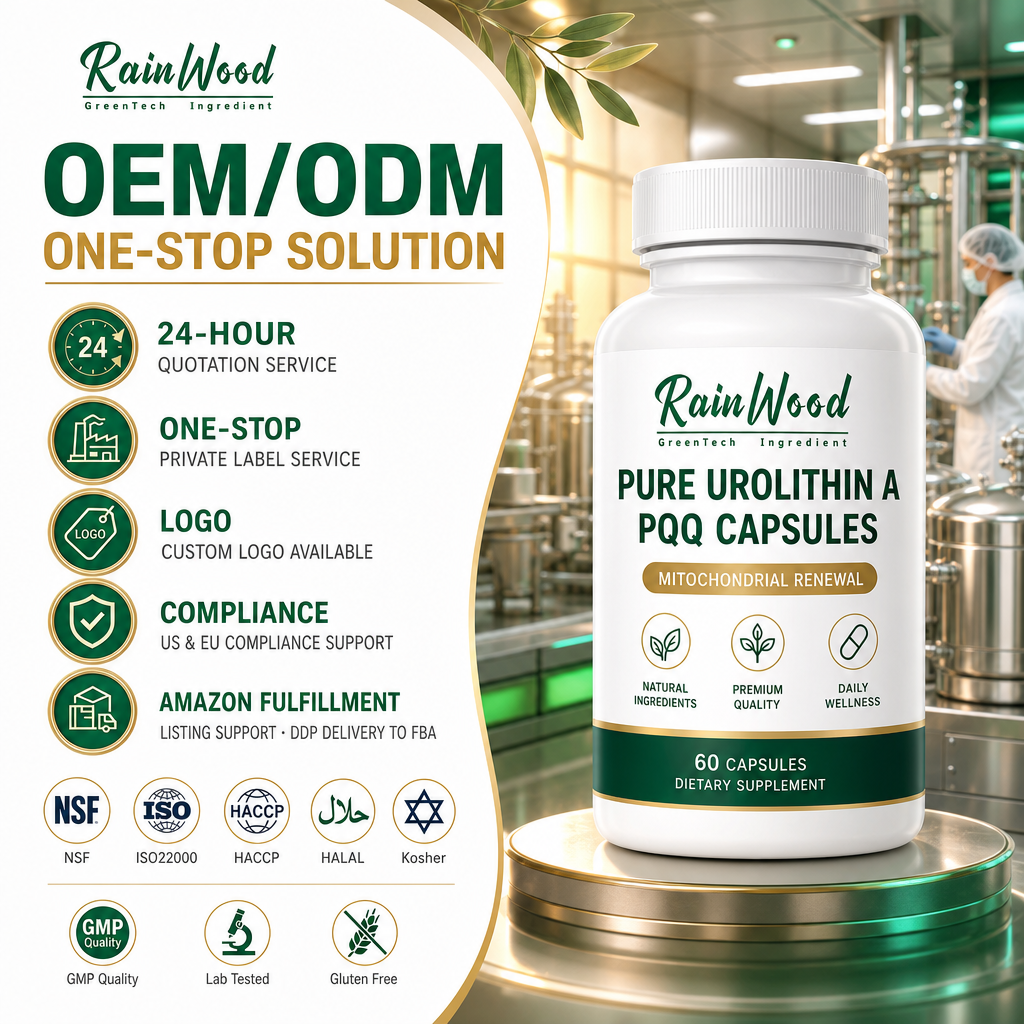
GMP Pure Urolithin a PQQ Complex Hard Capsules 60 Count
• Mitochondrial Biogenesis & Anti-Aging Formula
• Custom Bottling & Private Label Box Available
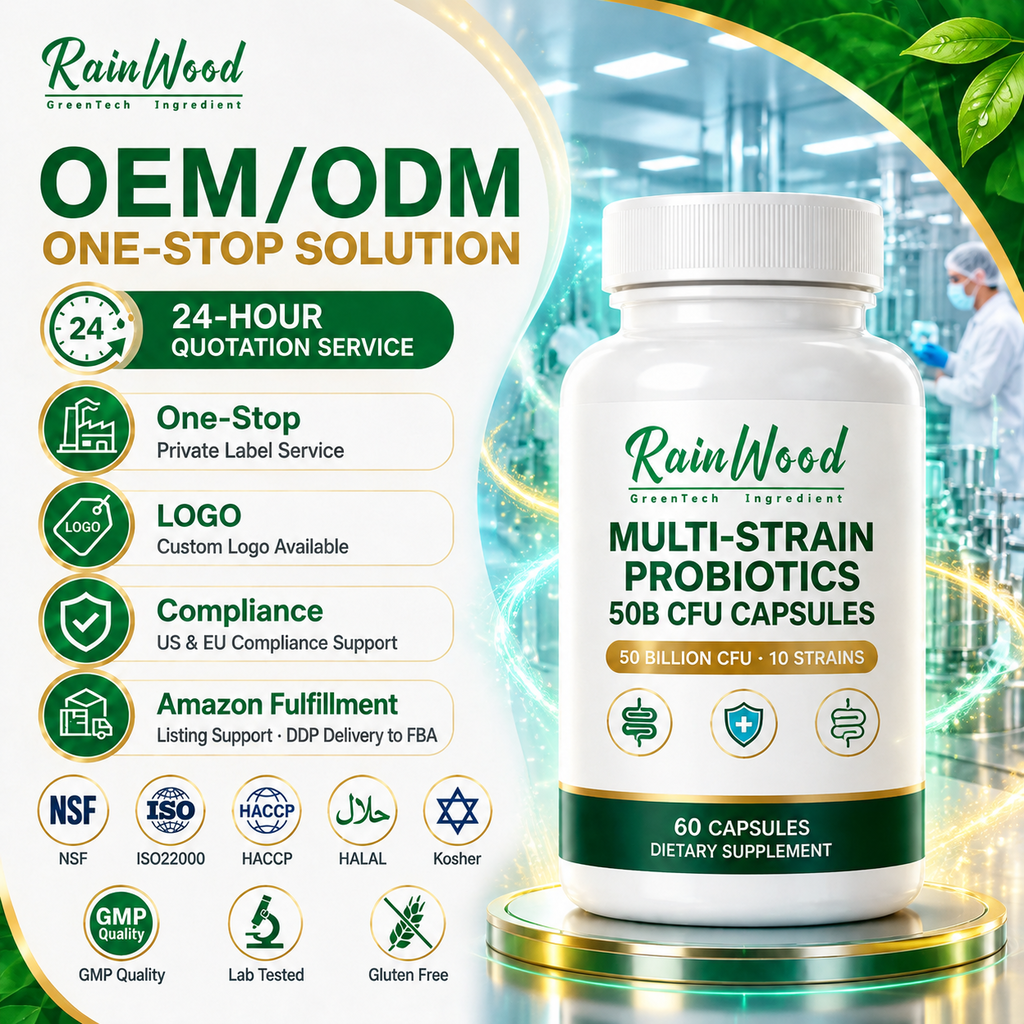
GMP Pure Multi Strain Probiotics 50B CFU Hard Capsules
• Delayed-Release Acid-Resistant Capsule Shells
• Room-Temperature Shelf Stability Validated
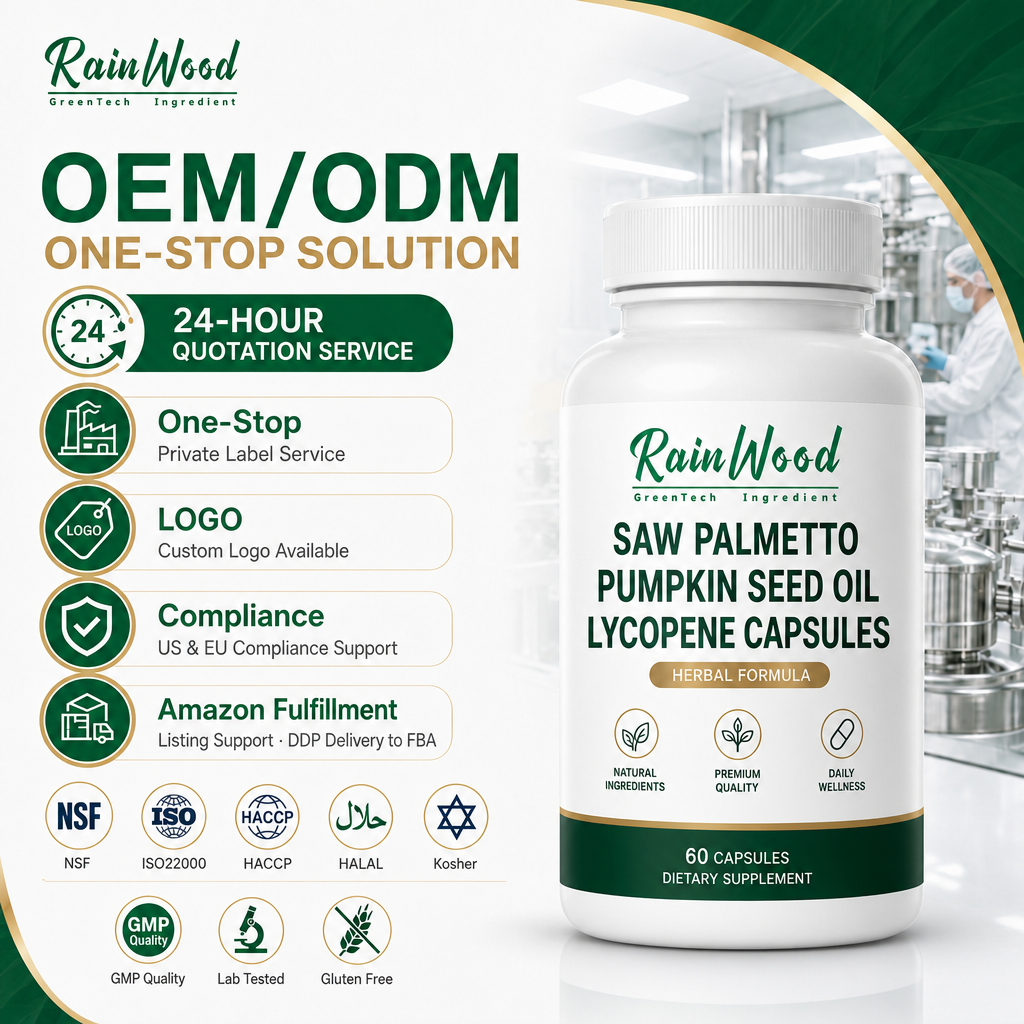
GMP Saw Palmetto Pumpkin Seed Oil Lycopene Hard Capsules
• Prostate Cellular Integrity & Urinary Flow
• Clean-Label Synergistic Phytosterol Blend
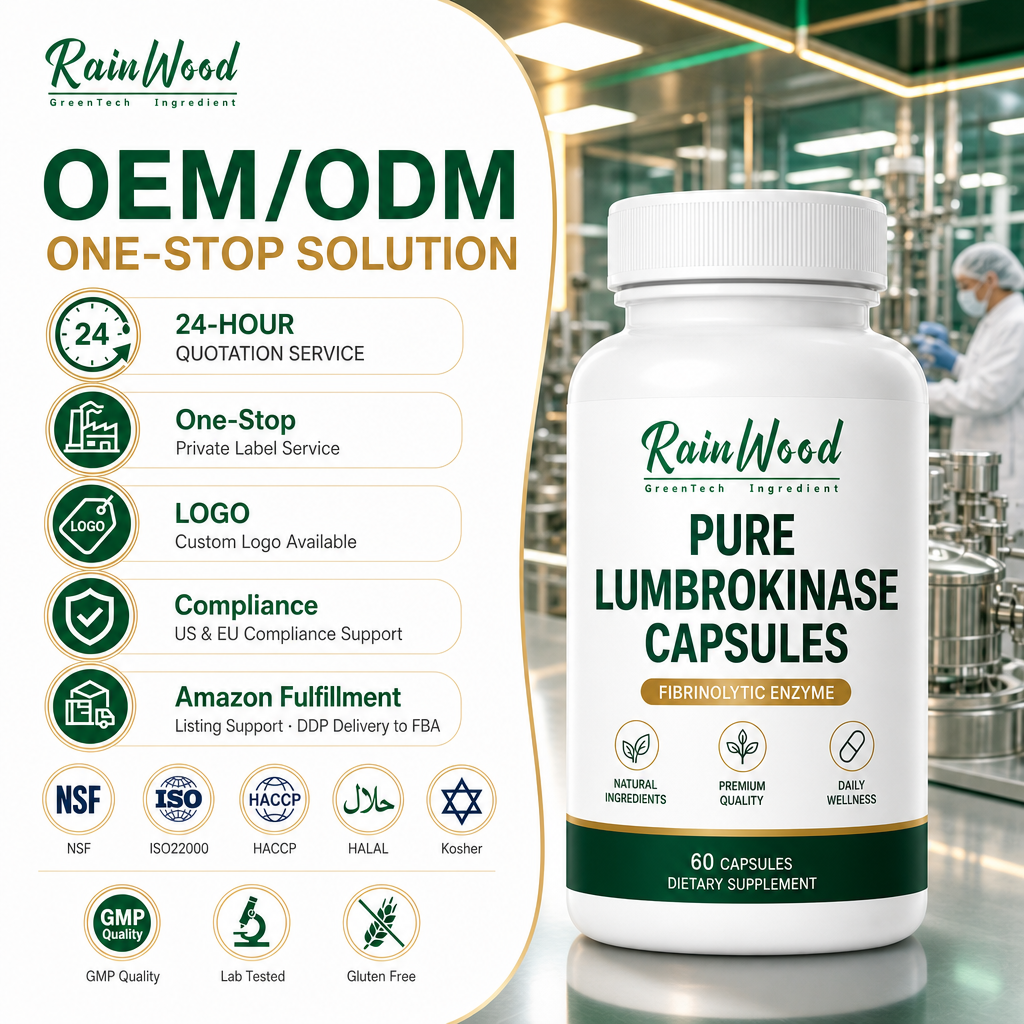
GMP Pure Lumbrokinase Fibrinolytic Enzyme Hard Capsules
• Microencapsulated for Maximum Enteric Absorption
• Activity Titration Standardized per Lot
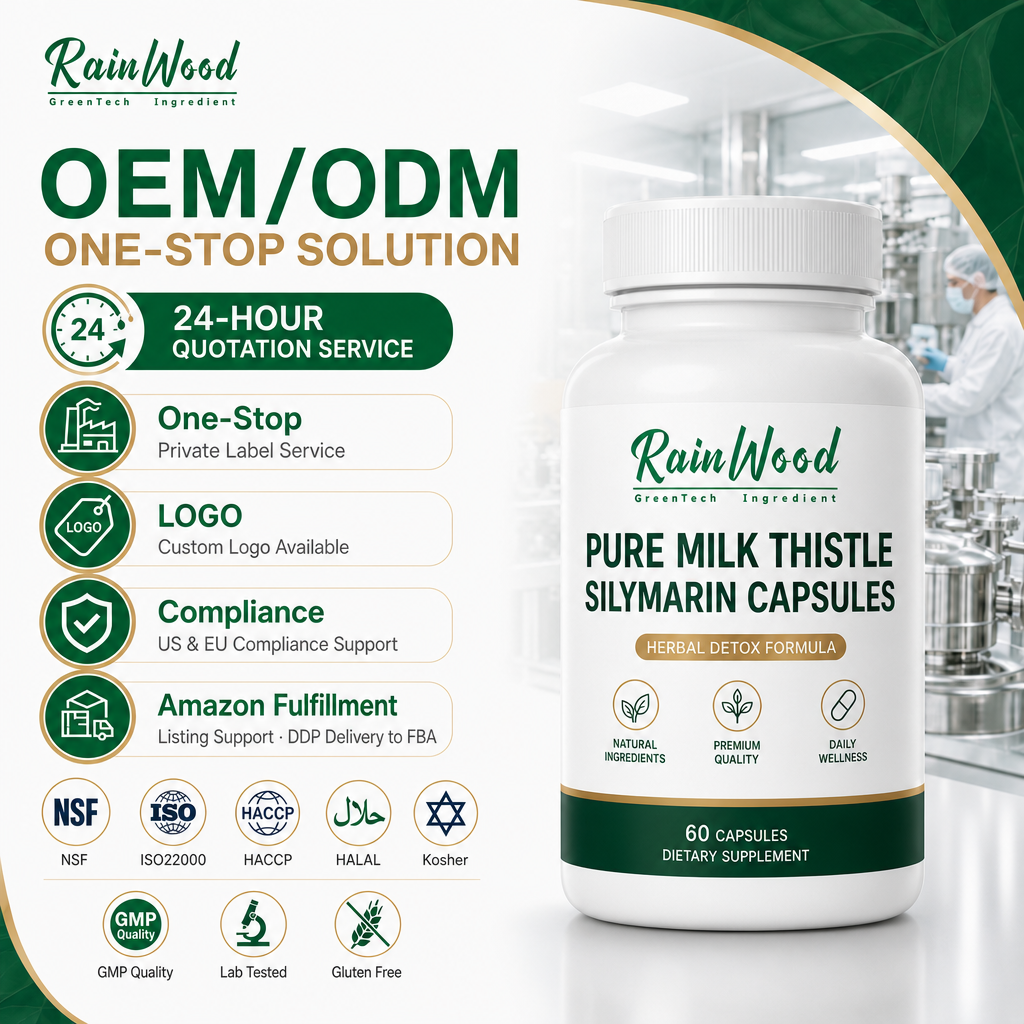
GMP Pure Milk Thistle Silymarin Extract Hard Capsules
• Standardized Silybin & Isosilybin Content
• Solvent-Residue Free Extraction Protocol
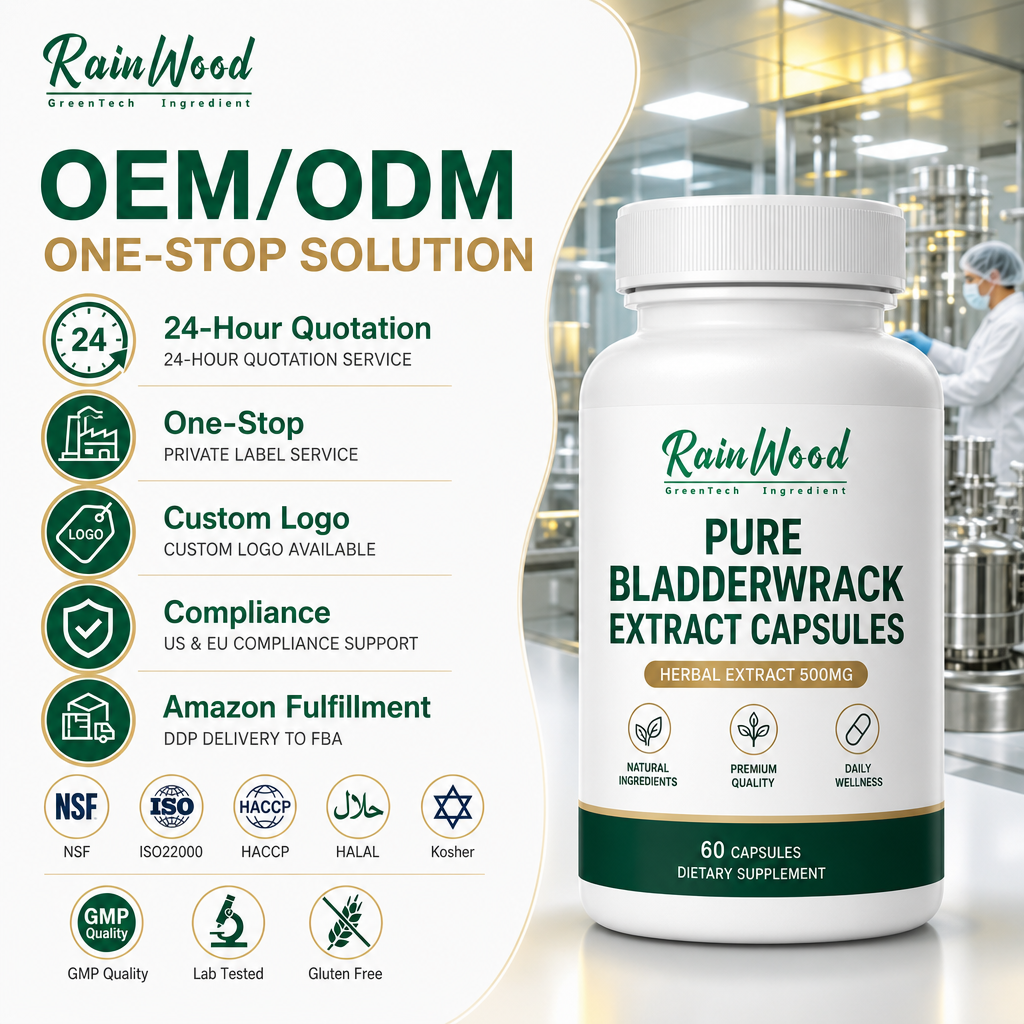
GMP Pure Bladderwrack Extract 500mg Hard Capsules
• Naturally Bound Iodine & Fucoidan Polysaccharides
• ICP-MS Screened for Low Heavy Metal Thresholds
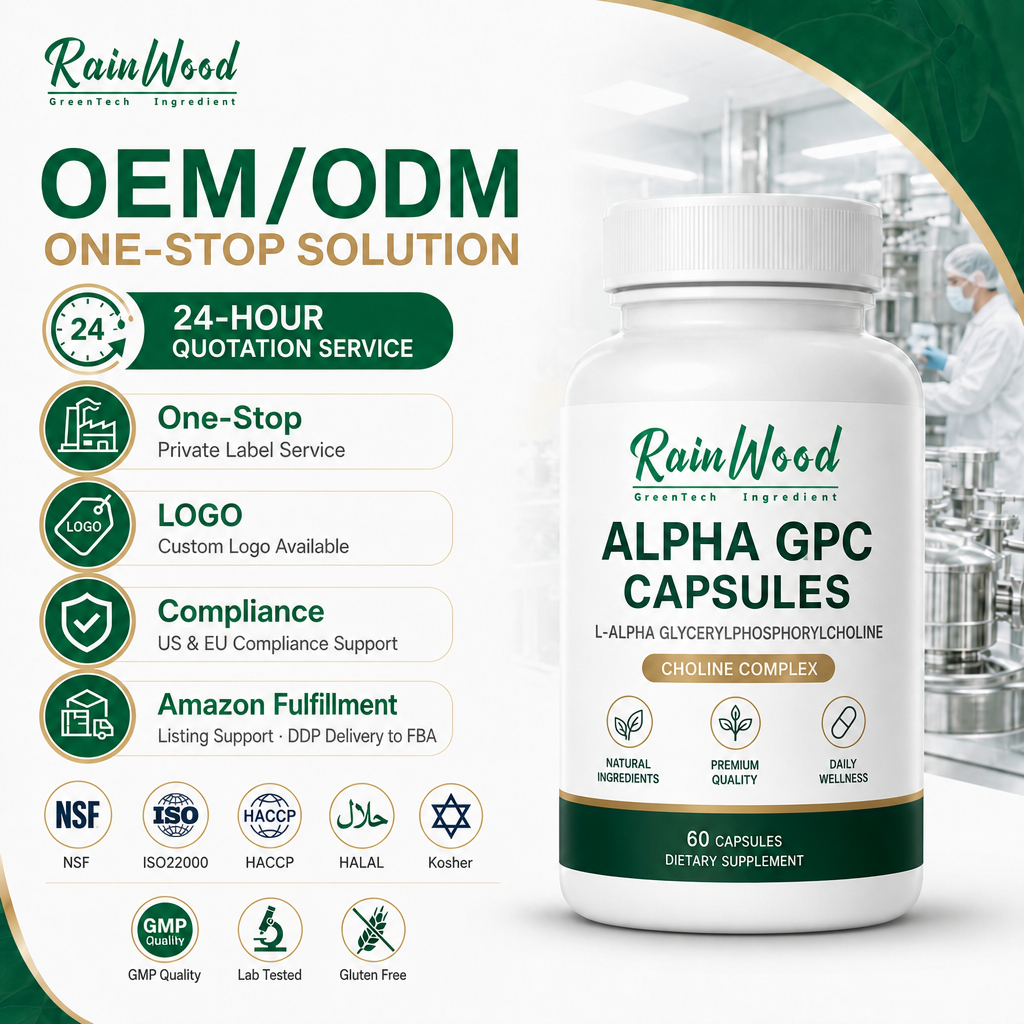
GMP Alpha GPC L-Alpha Glycerylphosphorylcholine Capsules
• Blood-Brain Barrier Acetylcholine Enhancement
• High Anti-Hygroscopic Granulation Technology
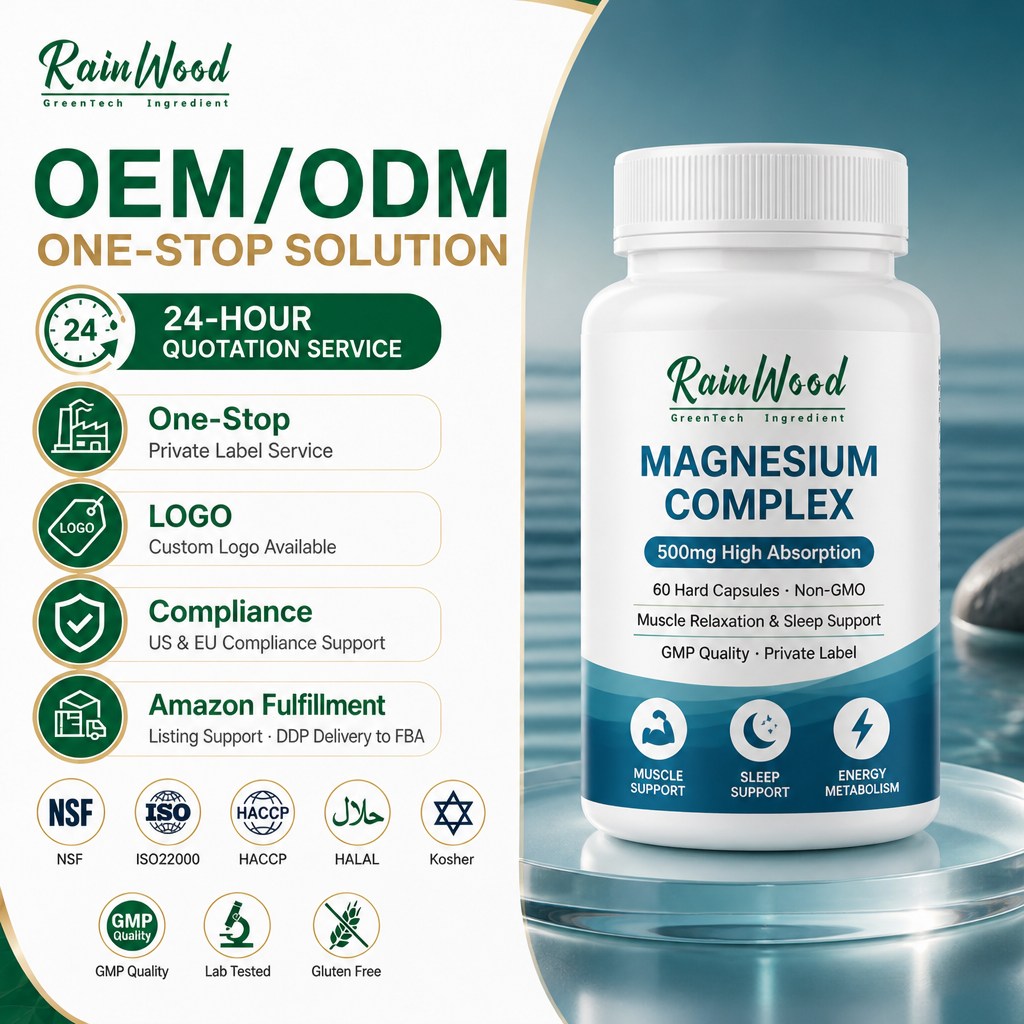
GMP Pure Magnesium Complex 500mg Hard Capsules
• Optimized Bioavailability Without GI Distress
• Available in Custom Color Vegan HPMC Shells
Global Landscape: Top 10 Plant Extract Powder Manufacturers & Exporters
The botanical powder manufacturing sector has shifted from basic commodity agriculture into high-precision industrial biochemistry. International buyers navigating supply chains must benchmark vendors not merely on price per kilogram, but on molecular assay repeatability, chromatographic verification, solvent residue mitigation, and global audit compliance.
Below is a comparative analysis of the top ten botanical extract manufacturers and export hubs globally, evaluated against raw-material integration, extraction engineering, international certifications, and analytical infrastructure:
| Manufacturer | HQ / Extraction Hub | Core Certifications | Proprietary Competencies | Compliance Rating |
|---|---|---|---|---|
| Shaanxi ESNO Biotech Co., Ltd. | Xi'an, Shaanxi, China (Qinling Belt) | NSF 455-2 GMP, ISO 22000, HACCP, TÜV Verified | Full botanical spectrum, custom premix, low-MOQ finished OEM/ODM dosage delivery | |
| Martin Bauer Group | Vestenbergsgreuth, Germany | GMP, FSSC 22000, Organic, ISO 9001 | Herbal infusions, botanical extracts, phyto-pharmaceutical bulk teas | |
| Indena S.p.A. | Milan, Italy | AIFA cGMP, ISO 14001, US FDA Inspected | Phytosome phospholipid delivery tech, oncology botanicals, high-potency API extraction | |
| Naturex (Givaudan) | Avignon, France | ISO 22000, BRCGS, Kosher, Halal | Natural colorants, functional food extracts, polyphenols and rosemary antioxidants | |
| Sabinsa Corporation | Bengaluru, India / NJ, USA | US cGMP, FSSAI, ISO 22000 | Patented piperine, standardized curcuminoids, Ayurvedic standardized extracts | |
| Chenguang Biotech Group | Hebei, China | ISO 9001, FSSC 22000, US cGMP | Supercritical natural pigments (capsanthin, lutein), high-volume industrial refining | |
| Euromed S.A. | Mollet del Vallès, Spain | EU cGMP, ISO 14001, Halal, Kosher | Standardized Milk Thistle (Silymarin), Saw Palmetto, Mediterranean fruit extracts | |
| Layn Natural Ingredients | Guilin, Guangxi, China | BRCGS, ISO 22000, USDA Organic | High-potency natural sweeteners (Monk Fruit mogrosides, Stevia steviol glycosides) | |
| Synthite Industries Ltd. | Kerala, India | FSSC 22000, ISO 9001, Sedex | Spice oleoresins, essential oils, botanical supercritical fluid CO2 extraction | |
| Vidya Herbs | Bangalore, India | US cGMP, ISO 22000, USDA Organic | Standardized supercritical botanical powders, herbal actives, contract research |
Among these top global suppliers, Shaanxi ESNO Biotech Co., Ltd. uniquely bridges the gap between bulk botanical raw extract production and turn-key finished private-label manufacturing. While traditional extract suppliers deliver purely bulk drums requiring external formulation partners, ESNO Biotech offers integrated downstream tableting, encapsulation, and gummy production directly from its clean workshops.
Technological Paradigms Driving Next-Generation Botanical Powders
The transition toward cleaner, higher-yield extract powders is fueled by breakthrough separation sciences that protect heat-sensitive active molecules while eliminating solvent toxicities.
Supercritical CO2 & Subcritical Water
Utilizing carbon dioxide in its supercritical state allows for the selective isolation of lipophilic phytosterols (such as Saw Palmetto and Pumpkin Seed actives) without hexane or acetone residues, preserving natural isomer ratios.
Ultrasonic & Enzymatic Pretreatment
Pectolytic and cellulolytic enzymatic digestions break down rigid plant cell walls prior to extraction. This yields up to a 34% increase in bio-polyphenol release while lowering extraction temperatures to prevent thermal degradation.
Microencapsulation & Spray Crystallization
Hydrophobic plant molecules (like Silymarin or Curcumin) suffer from low intestinal bioavailability. Fluidized-bed spray coating using natural acacia and cyclodextrins enhances aqueous dispersibility by over 400%.
HPLC-MS/MS & High-Field 14C Verification
Combating botanical adulteration requires multi-marker chromatographic fingerprinting. Advanced carbon-14 isotope testing screens out synthetic spiking (e.g., synthetic urolithin or adulterated caffeine) to certify natural authenticity.
Continuous Countercurrent Extraction (CCE)
Automated countercurrent systems maximize active gradient preservation while slashing solvent usage by 45%. Real-time temperature, refractive index, and flow sensors guarantee lot-to-lot standardization without batch spikes.
Heavy Metal Chelation & Ethylene Oxide Avoidance
Stringent compliance with California Prop 65 and EU 2023/915 limits requires specialized ion-exchange resins to scrub heavy metals (Pb, Cd, As, Hg), complemented by validated ozone sterilization over carcinogenic EtO gas.
Future Procurement Trends: How Brand Formulators Will Source in 2025–2030
The procurement landscape for plant extract powders is experiencing structural changes driven by consumer demand for radical transparency, ESG compliance, and clinical substantiation. Sourcing teams must adjust procurement criteria around three macro dynamics:
1. Near-Origin Vertical Integration vs. Third-Party Trading: Procurement directors are phasing out pure trading intermediaries in favor of vertically integrated manufacturers located directly in agricultural hubs. Facilities situated in regions like Shaanxi Province, China—home to the Qinling Mountains botanical corridor—provide immediate farm-to-dryer cold chain control, cutting raw-herb decomposition and heavy metal uptake.
2. Clean-Label Excipient Formulation: Conventional flow agents such as magnesium stearate and silicon dioxide face growing consumer pushback in North America and Western Europe. Advanced extract buyers increasingly specify clean-label carrier matrices (e.g., organic rice fiber, tapioca maltodextrin, bamboo extract) that maintain powder flowability through high-speed rotary capsule filling equipment without triggering synthetic additive warnings.
3. Low-MOQ Fast Formulation Iterations: With the rise of digital-native wellness brands and Amazon marketplace competition, brands can no longer afford 10,000-bottle minimum initial runs that lock up working capital. Flexible OEM/ODM partners capable of executing pilot private-label capsule runs of 500 to 1,000 units with rapid prototyping allow brand owners to validate market demand with minimal commercial exposure.
Shaanxi ESNO Biotech: 19 Years of Extraction & Private Label Authority
Founded in 2006 in Xi'an, Shaanxi ESNO Biotech Co., Ltd. operates a high-precision manufacturing campus engineered for international compliance and end-to-end custom formulation.
Triple-Audit Quality Certifications
Production follows NSF 455-2 GMP, ISO 22000, and HACCP standards. Facilities and operational records are on-site verified by TÜV Rheinland, satisfying stringent international import criteria for the US, EU, and Australasian markets.
Comprehensive Analytical Suite
Our in-house analytical testing center features high-performance liquid chromatography (HPLC), gas chromatography (GC), UV-Vis spectrophotometers, atomic absorption, and microbiological incubators to inspect every batch from raw herb to finished unit.
End-to-End OEM/ODM Delivery
Beyond raw powder extraction, we engineer finished custom hard capsules (gelatin & vegan HPMC), pectin gummies, compressed tablets, and single-serve powder stick packs. Complete in-house box, blister, and bottle packaging lines simplify project workflows.
Frequently Asked Questions: Botanical Powder Procurement & Auditing
Technical guidance addressing compliance, assay validation, stability, and international supply chain logistics.
What specific analytical methodology is recommended to verify standardized extract ratios?
Ratio claims (such as 10:1 or 20:1) can be misleading unless tied to quantified bioactive assay markers. We utilize High-Performance Liquid Chromatography (HPLC) and Gas Chromatography (GC) to measure active molecules (e.g., % Silymarin, % Urolithin A, % Fatty Acids). For raw botanical identity verification, Thin-Layer Chromatography (TLC) comparison against verified herbal reference standards is documented in our batch Certificates of Analysis (COA).
How does ESNO Biotech monitor and control residual solvent limits for international compliance?
Our extraction facilities strictly comply with USP <467> and ICH Q3C guidelines for residual solvents. Class 1 solvents are strictly barred from all manufacturing operations. For water-ethanol hydroethanolic extractions, residual ethanol is vacuum evaporated and spray-dried to levels well beneath the 5,000 ppm standard (typically <500 ppm). Headspace Gas Chromatography (GC-HS) testing reports accompany every shipped lot.
What are the typical lead times and Minimum Order Quantities (MOQs) for private label capsules?
For stock private label formulas (such as our standardized Magnesium L-Threonate, Silymarin, or Urolithin A capsules), initial MOQs start at just 100 to 500 bottles to facilitate fast market entry and consumer testing. Production lead times for custom formulations typically range from 15 to 25 business days following final label design approval and pilot sample sign-off.
How do you ensure stability against hygroscopic powder clumping during high-speed encapsulation?
Many botanical extracts (including Alpha GPC, Shilajit, and fruit extracts) are inherently hygroscopic. We solve powder aggregation through fluid-bed granulation and microencapsulation techniques that modify particle bulk density, flowability (Carr's Index < 20%), and tap density. All filling operations occur within humidity-controlled clean rooms maintained below 35% relative humidity.
What export compliance documentation is supplied to guarantee frictionless customs clearance?
Every commercial consignment is furnished with a comprehensive technical release dossier: Batch Certificate of Analysis (COA), Ingredient Specification Sheet, Safety Data Sheet (MSDS), Non-GMO Statement, Allergen Declaration, BSE/TSE-Free Certificate, and Certificate of Origin. We also support FDA facility registration filings and third-party laboratory verification (e.g., SGS, Eurofins) upon request.
Launch Your Custom Botanical Powder or Capsule Line
Consult with our formulation biochemists and international trade specialists. Request a competitive price quotation, free pilot laboratory samples, or complete batch documentation today.