Synergistic Botanical Formulations & Premium Extract Deliveries
Source pharmaceutical-grade standardized extracts and retail-ready finished dosage forms manufactured inside our NSF 455-2 GMP, ISO 22000, and HACCP certified facility.
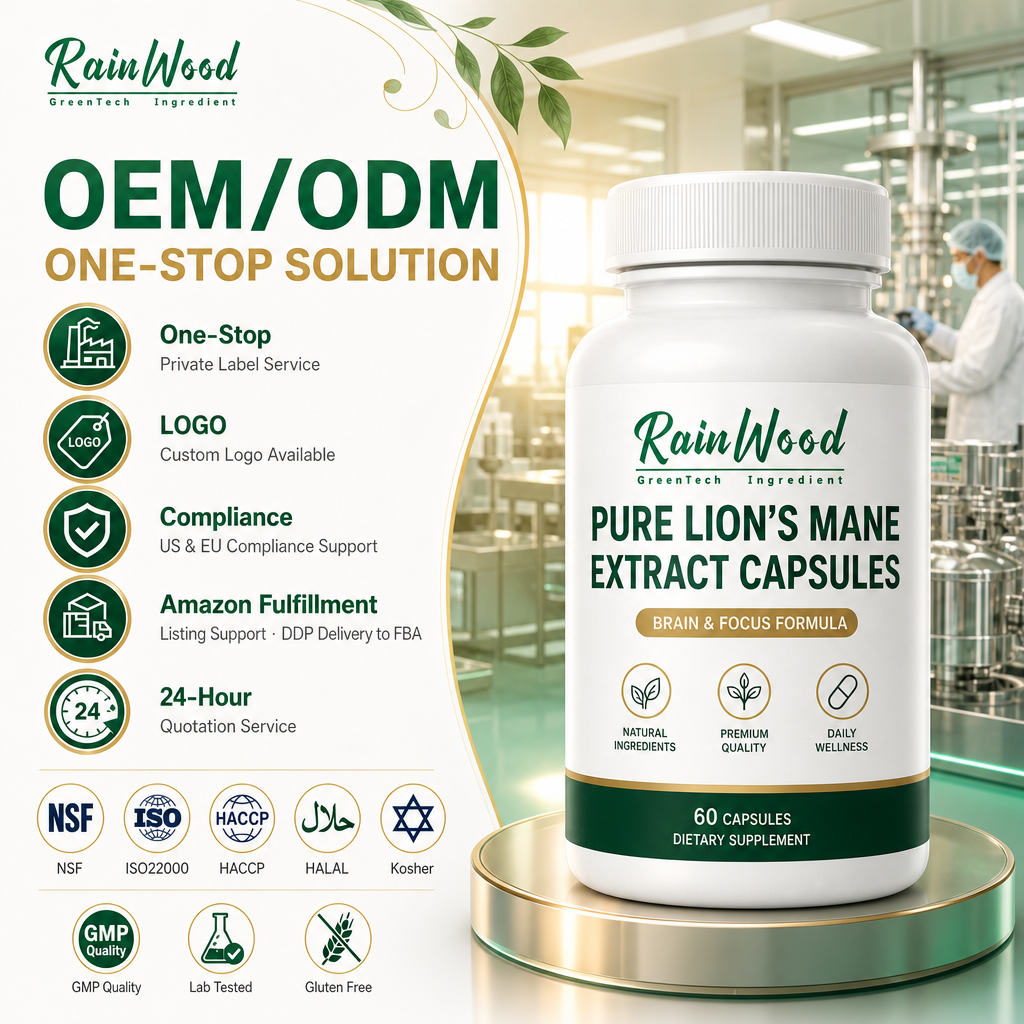
GMP Pure Lion's Mane Mushroom Extract Hard Capsules 60 Count OEM Custom Private Label Dietary Supplement
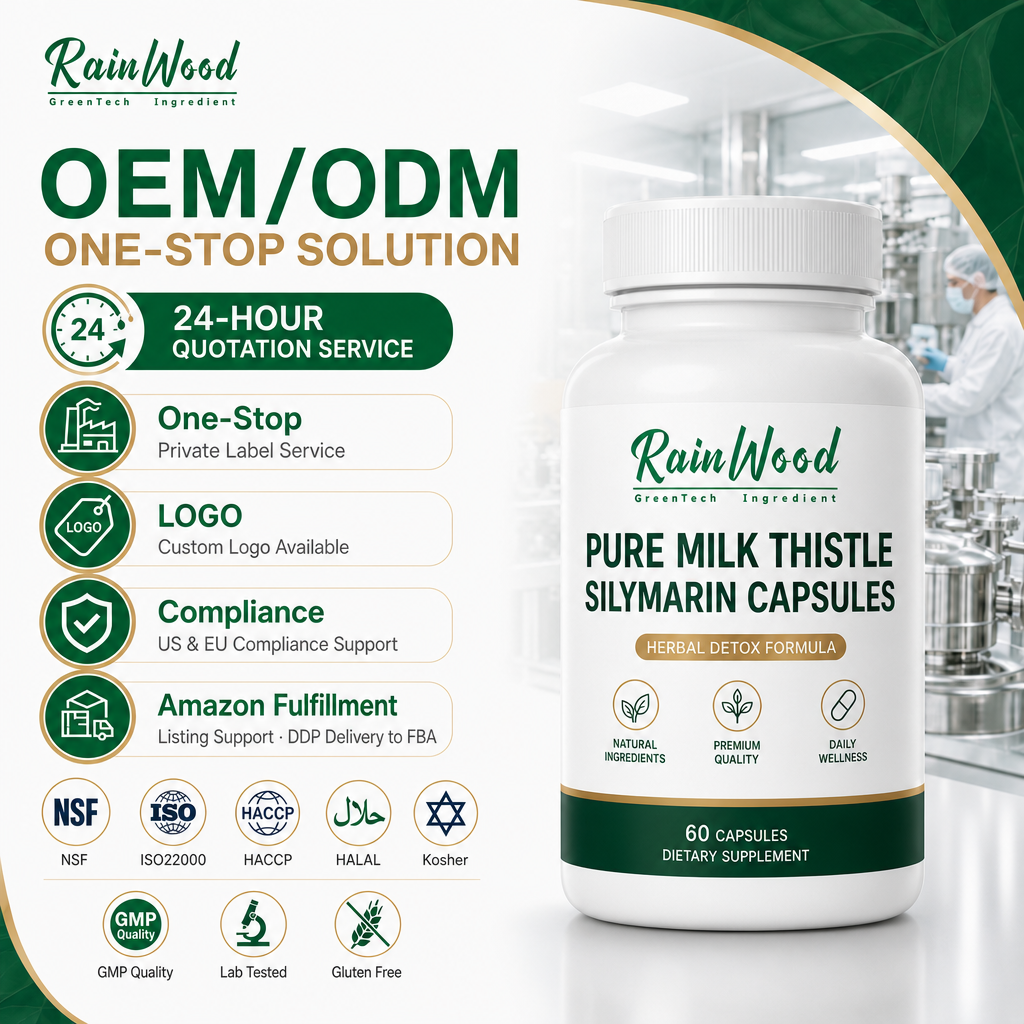
GMP Pure Milk Thistle Silymarin Extract Hard Capsules 60 Count OEM Custom Private Label Dietary Supplement
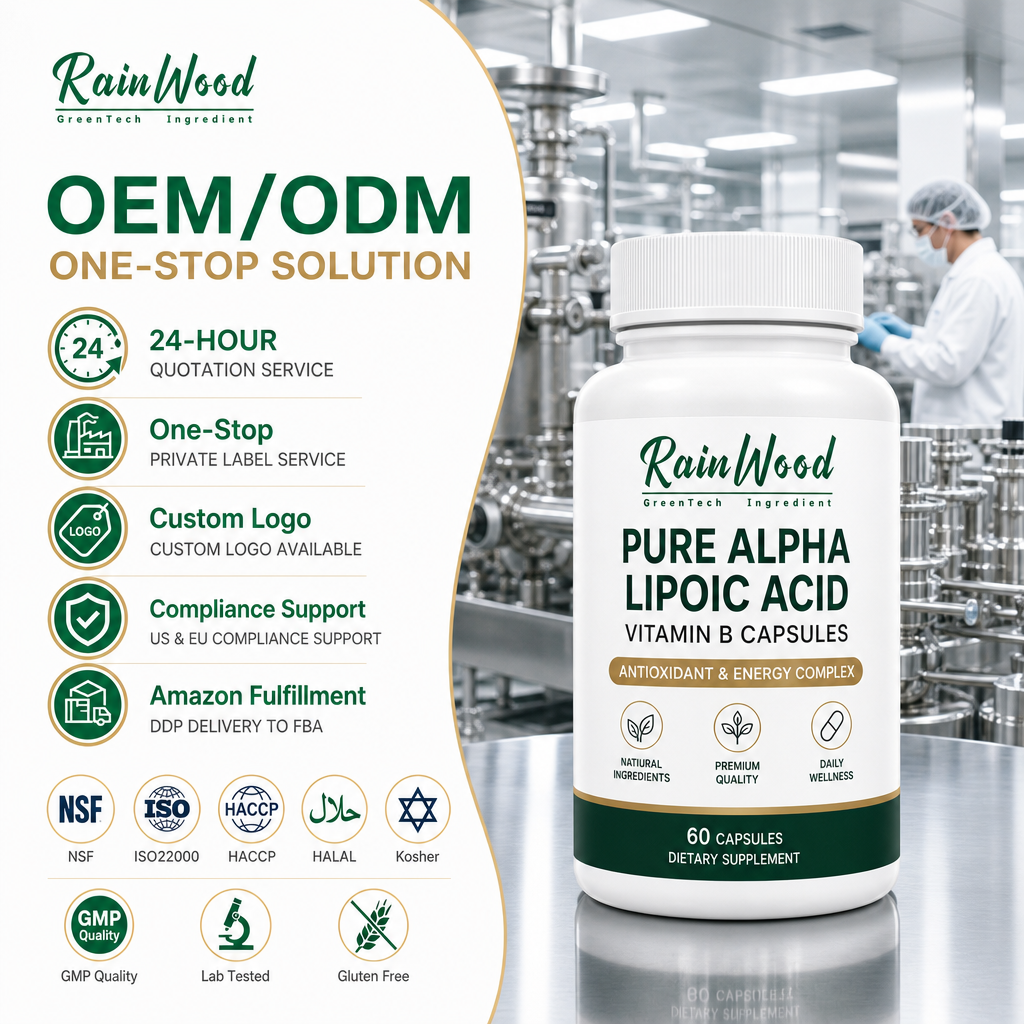
GMP Pure Alpha Lipoic Acid Vitamin B Complex Hard Capsules 60 Count OEM Private Label Dietary Supplement Box
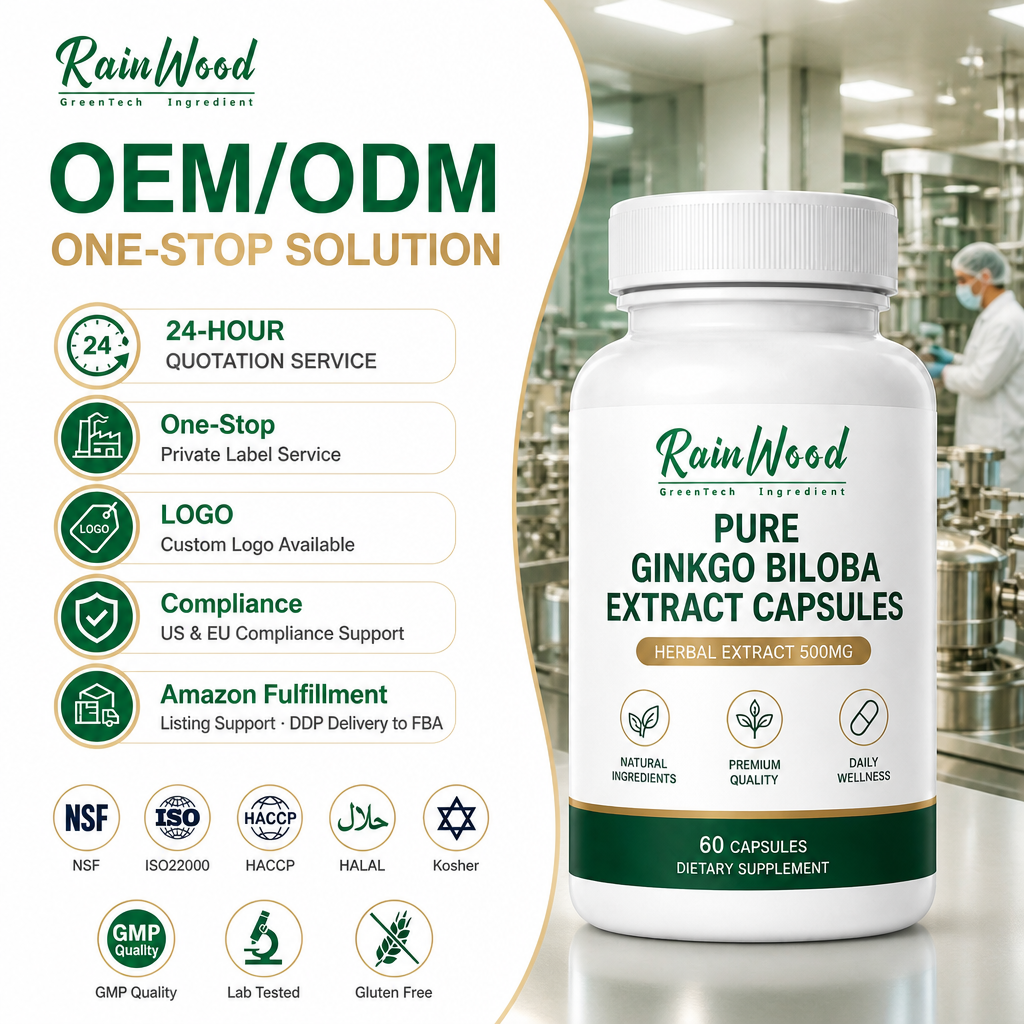
GMP Pure Ginkgo Biloba Extract 500mg Hard Capsules 60 Count OEM Custom Private Label Dietary Supplement Box

GMP Pure Magnesium Glycinate L-Theanine Ashwagandha Tart Cherry Hard Capsules 60 Count OEM Private Label Box

OEM ODM Calcium Magnesium Zinc Vitamin D3 Capsules Private Label Bone Health Mineral Dietary Supplement
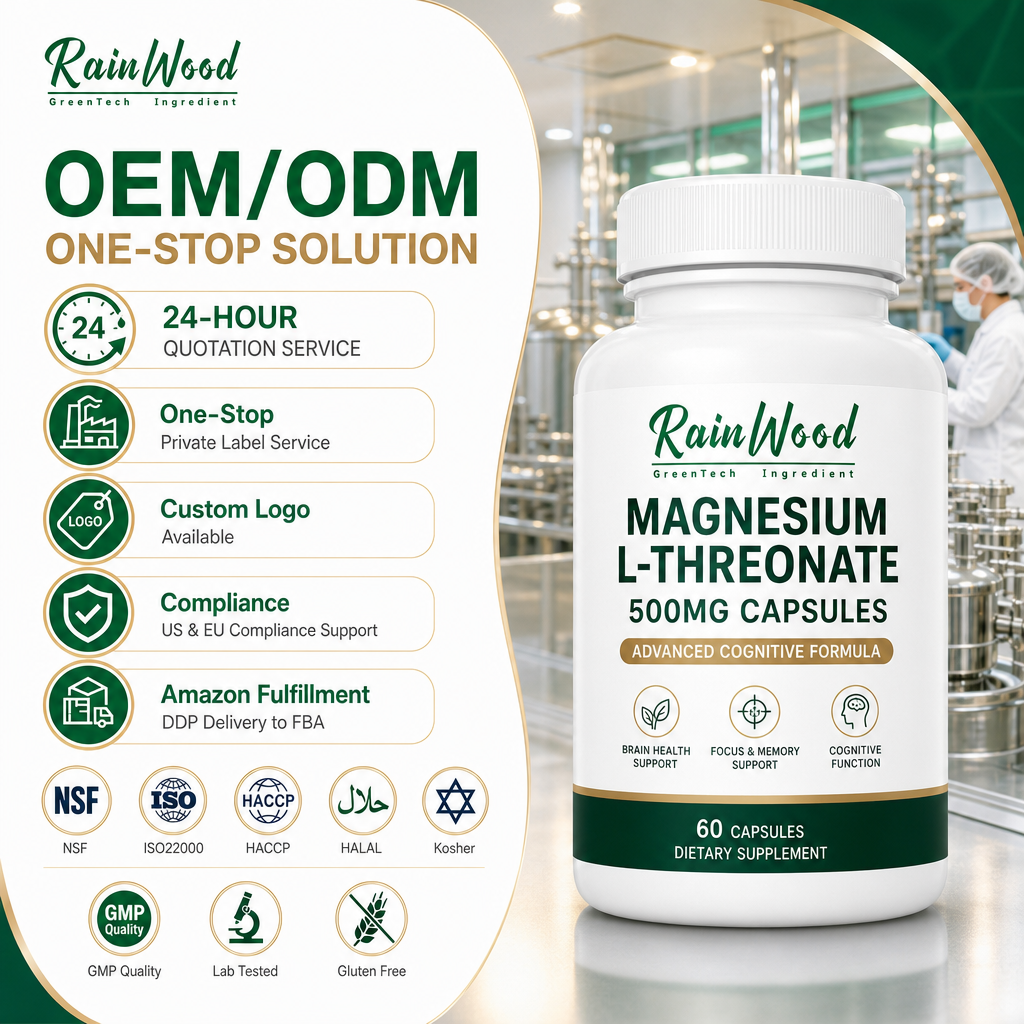
GMP Magnesium L-Threonate Magtein Grade 500mg Hard Capsules 60 Count OEM Private Label Brain Health Supplement
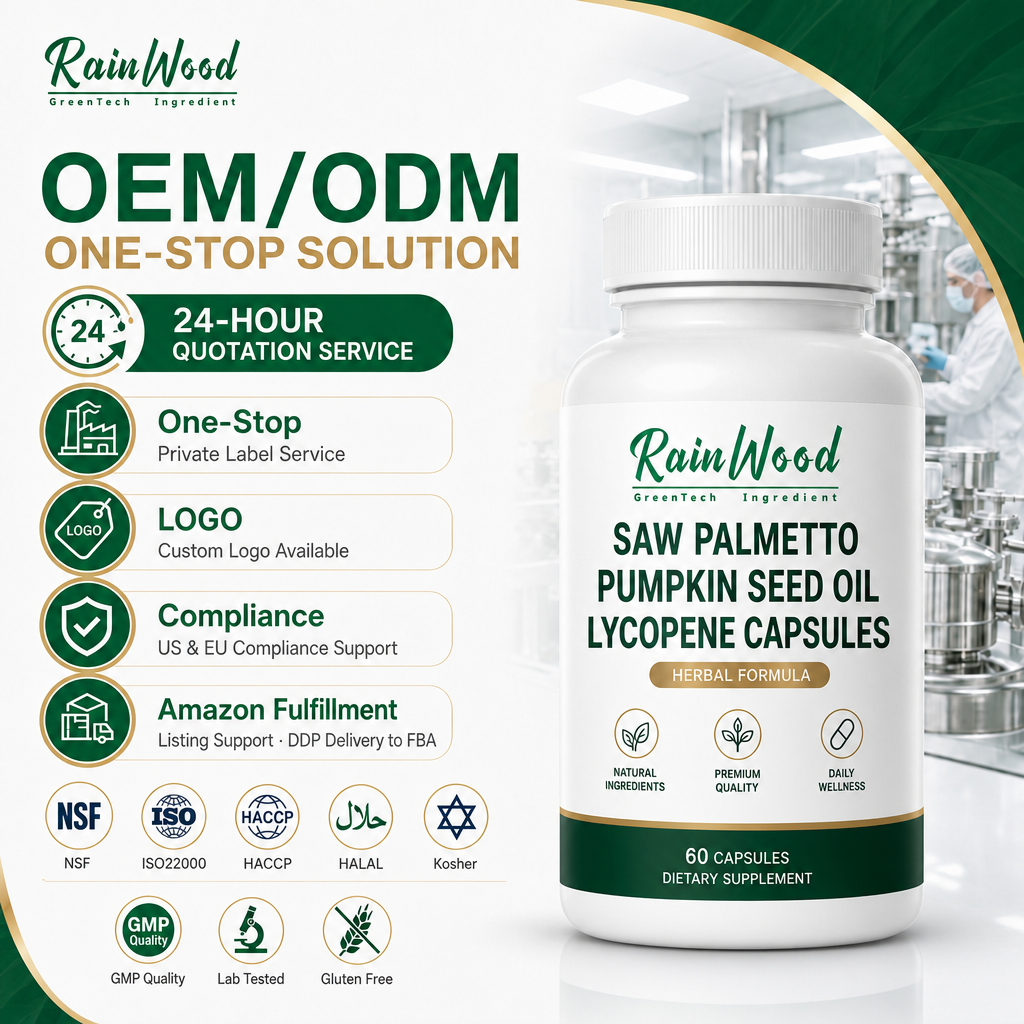
GMP Saw Palmetto Pumpkin Seed Oil Lycopene Hard Capsules 60 Count OEM Private Label Men's Dietary Supplement
1. Botanical Bark Phytochemistry: The Technical Benchmark for Global Suppliers
Bark extracts represent one of the most chemically complex, therapeutically rich categories in botanical science. Procuring standardized bark ingredients requires stringent supplier qualification to separate authentic therapeutic extracts from adulterated or low-potency raw timber powders. Bark tissues accumulate secondary metabolites designed to defend trees against microbial infestation, UV oxidation, and biological degradation. These bioactive matrices primarily comprise low-molecular-weight oligomeric proanthocyanidins (OPCs), phenolic glycosides, monomeric catechins, and pentacyclic triterpenes.
As a leading botanical extract factory operating out of Xi'an, Shaanxi, ESNO Biotech employs advanced isolation technology to target exact bio-actives across primary commercial barks. Whether manufacturing Pine Bark Extract (standardized for 95.0% Proanthocyanidins via UV-Vis and USP-verified oligomers by HPLC), White Willow Bark Extract (standardized to 15.0%–98.0% Salicin), Cinnamon Bark Extract (standardized for polyphenols, type-A polymers, and minimal coumarin content), or Magnolia Bark Extract (standardized for Honokiol and Magnolol), precision process control is maintained at each thermal step.
| Botanical Bark Species | Marker Compound Specification | Primary Analytical Method | Key Pharmacopoeial Safety Criteria |
|---|---|---|---|
| Pinus pinaster / Pinus massoniana (Pine Bark) | ≥ 95.0% Oligomeric Procyanidins (OPCs) | UV-Vis (Porter Method) / Reversed-Phase HPLC | Coumarin < 10 ppm; Heavy Metals (Pb ≤ 0.5 ppm, As ≤ 0.5 ppm) |
| Salix alba L. (White Willow Bark) | 15.0% – 98.0% Total Salicin | Reversed-Phase HPLC-DAD (λ = 269 nm) | USP <467> Residual Solvents (Class 2/3 Ethanol < 5000 ppm) |
| Cinnamomum cassia / verum (Cinnamon Bark) | ≥ 20.0% – 40.0% Polyphenols (Type-A Polymers) | HPLC-UV & LC-MS/MS Identification | Coumarin ≤ 25.0 ppm (HPTLC Fingerprint authentication) |
| Prunus africana (Pygeum Bark) | ≥ 13.0% – 15.0% Total Phytosterols | Gas Chromatography with FID (GC-FID) | CITES Appendix II Certification; Traceability Documentation |
| Magnolia officinalis (Magnolia Bark) | ≥ 90.0% – 98.0% Honokiol + Magnolol | Isocratic HPLC-UV (λ = 294 nm) | Aflatoxins (B1+B2+G1+G2 < 4 ppb); Microbial Count < 1000 CFU/g |
Adulteration remains an acute risk in bulk botanical procurement. Untrusted suppliers often spike weak pine bark derivatives with peanut skin procyanidins or commercial grape seed residues to simulate high OPC assays under crude spectrophotometric testing. ESNO Biotech eliminates these risks by coupling HPTLC (High-Performance Thin-Layer Chromatography) chromatographic fingerprinting with HPLC-DAD peak-ratio validation, ensuring our B2B procurement partners receive 100% authentic, unadulterated botanical bark batches.
2. Technological Innovations Transforming Industrial Bark Extraction (2025–2030)
The botanical extraction sector is transitioning away from conventional hot-maceration techniques that degrade heat-sensitive polyphenols. Enterprise buyers demand elevated bioactive integrity, zero organic solvent residues, and enhanced aqueous solubility for functional beverages, stick packs, and effervescent delivery systems.
Supercritical Fluid CO2 & Subcritical Water Extraction
By eliminating chlorinated or harsh organic solvents, supercritical CO2 combined with green ethanol co-solvents preserves the native conformation of bark tannins, yielding extracts free of carcinogenic volatile organic compounds (VOCs) that meet rigorous EU/USDA organic criteria.
Phytosomal Encapsulation & Bioavailability Engineering
Bark proanthocyanidins frequently exhibit poor gastrointestinal absorption due to their high molecular weight and polyphenol polymerization. Complexing bark fractions with non-GMO sunflower phosphatidylcholine produces stable phytosomes, multiplying in vivo systemic bioavailability up to fourfold.
Continuous Membrane Filtration & Molecular Sieving
Post-extraction ceramic microfiltration and polymeric nano-membranes fractionate extracts based on molecular weight cut-offs (MWCO). This isolates exact mono-, di-, and tri-mer procyanidin fractions while purging high-molecular-weight, unabsorbable condensed tannins that cause undesirable astringency.
3. Strategic Procurement Trends: Risk Mitigation, Compliance & FSMA 204
Modern procurement executives operate in an era of tightening international food-safety mandates, rising supply chain volatility, and strict legal accountability. Ensuring predictable, cost-stable procurement of bark extracts requires a thorough understanding of three critical supply trends:
A. Sustainable Wildcrafting Governance & Ecological CITES Compliance: Unlike annual herbaceous crops, trees require decades to develop mature bark profiles. Over-harvesting leads to tree mortality, triggering regulatory trade crackdowns such as CITES (Convention on International Trade in Endangered Species) listings on African Pygeum (Prunus africana). Sourcing directors must partner with verified producers that hold legal stripping quotas, sustainable forestry management licenses, and complete batch origin documentation back to individual forestry concessions.
B. Mandatory FDA FSMA 204 & Genomic DNA Traceability: The enforcement of the US FDA Food Safety Modernization Act Section 204 rule requires exhaustive Critical Tracking Events (CTEs) and Key Data Elements (KDEs) across every harvest, initial packing, and distribution phase. Premium factories must complement physical batch lotting with genomic DNA barcoding, proving conclusively that the harvested material matches the botanical identity declared on the master Certificate of Analysis (COA).
C. Global Tariffs, HS Codes & Value-Engineered Finished Dosage Deliveries: Importing bulk botanical powders frequently subjects buyers to punitive customs duties under generic Harmonized Tariff Schedules (such as HS 1302.19). Forward-thinking supplement brands mitigate tariff exposure and capture higher gross margins by contracting directly with vertically integrated Asian factories that formulate, encapsulate, bottle, and seal final retail units under cGMP conditions prior to export.
4. ESNO Biotech: Engineering Excellence & Turnkey Manufacturing Capabilities
Founded in 2006 in Xi'an, Shaanxi, China, Shaanxi ESNO Biotech Co., Ltd. serves as a direct technical manufacturer and private label partner for dietary supplement brands, contract packagers, and Amazon Category Leaders across North America, Europe, Australia, and Asia. Operating under audited NSF 455-2 GMP, ISO 22000, and HACCP certifications, our facility has undergone rigorous on-site qualification by TÜV Rheinland.
In-House Analytical Chemistry Lab
Every raw material batch and finished packaging run undergoes double-blind testing on our calibrated instrumentation: Agilent 1260 HPLC (diode-array & refractive index detectors), GC-MS for solvent and pesticide screening, and ICP-MS for heavy metal quantification down to parts-per-billion (ppb).
Fully Automated Cleanroom Encapsulation
Our Class 100,000 cleanroom workshops house high-speed rotary capsule filling equipment, automated powder mixing blenders, desiccant inserters, induction sealers, and laser weight inspectors capable of producing 2,000,000 capsules daily in vegan HPMC, pullulan, and gelatin shells (sizes 000 to 4).
Low-MOQ Agility & Custom R&D
With more than 400 completed product formulations, our formulation team supports low-MOQ launches starting at 100 to 500 units for stock formulations, while providing full OEM/ODM pilot batching, dissolution optimization, and packaging mockups within 7 to 10 business days.
5. B2B Technical Procurement FAQ: Answering Enterprise Buyer Questions
How do you test and prevent adulteration of Pine Bark Extract with cheap peanut skin tannins?
What limits do you enforce for residual extraction solvents under USP <467> and Ph. Eur. 5.4?
Can your factory support custom formulation and encapsulation with our proprietary ingredient blend?
What is the standard production lead time and minimum order quantity (MOQ) for custom supplements?
What export documentation is provided to satisfy customs and national health authority inspections?
Accelerate Your Botanical Supplement Sourcing with ESNO Biotech
Connect with our technical formulation engineers and regulatory specialists to review your custom formula, request certified physical reference samples, and receive a competitive manufacturing quotation.
Get a Quote