Sleep & Neuro
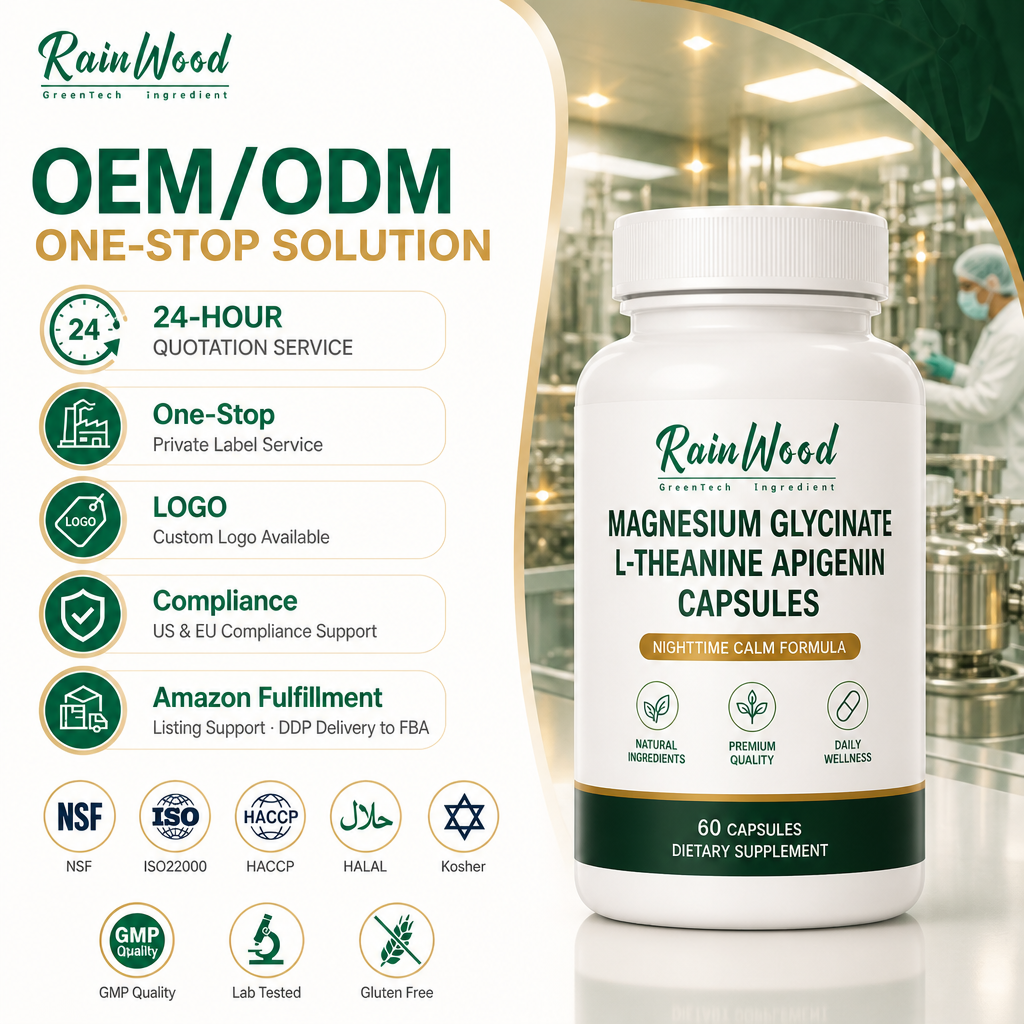
Manufactured in strict compliance with NSF 455-2 GMP and ISO 22000 standards. Explore our benchmark finished products blending standardized fruit botanicals, targeted polyphenols, and bioactive minerals.
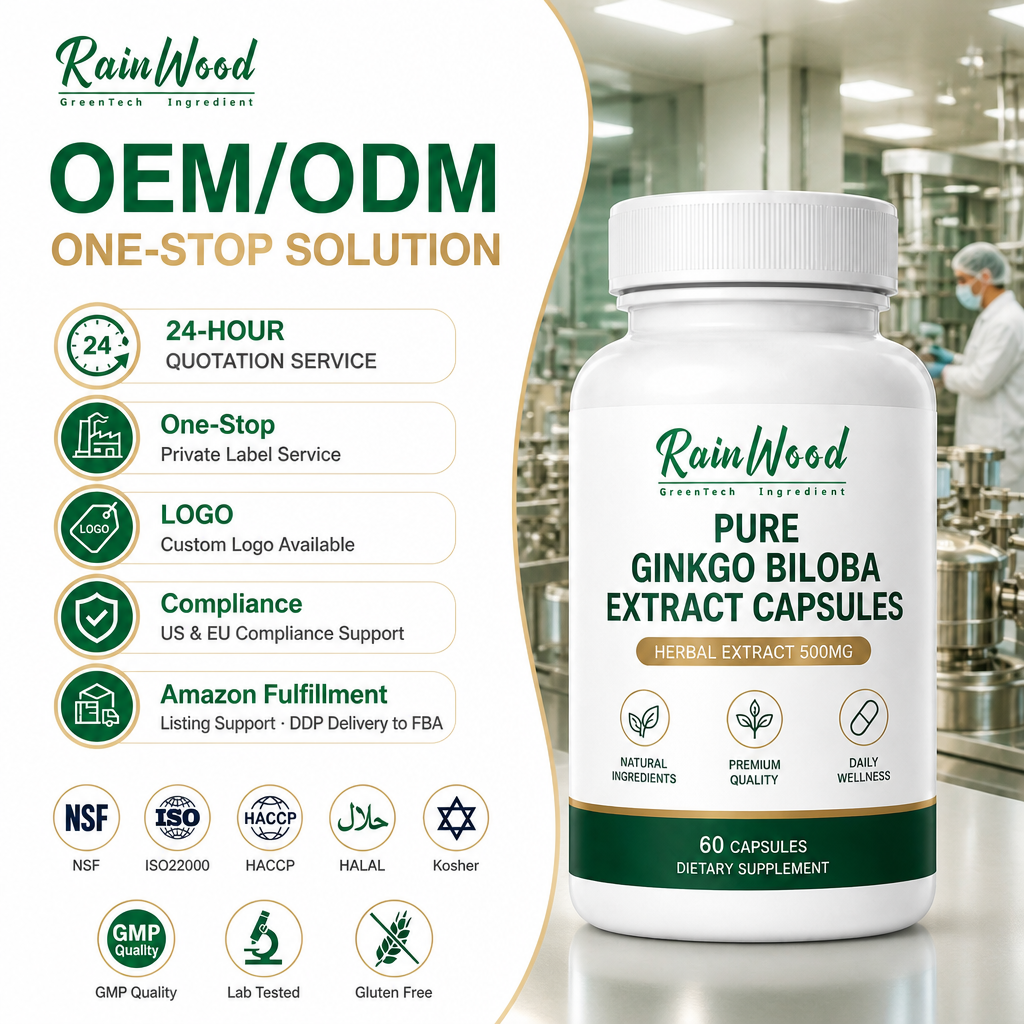
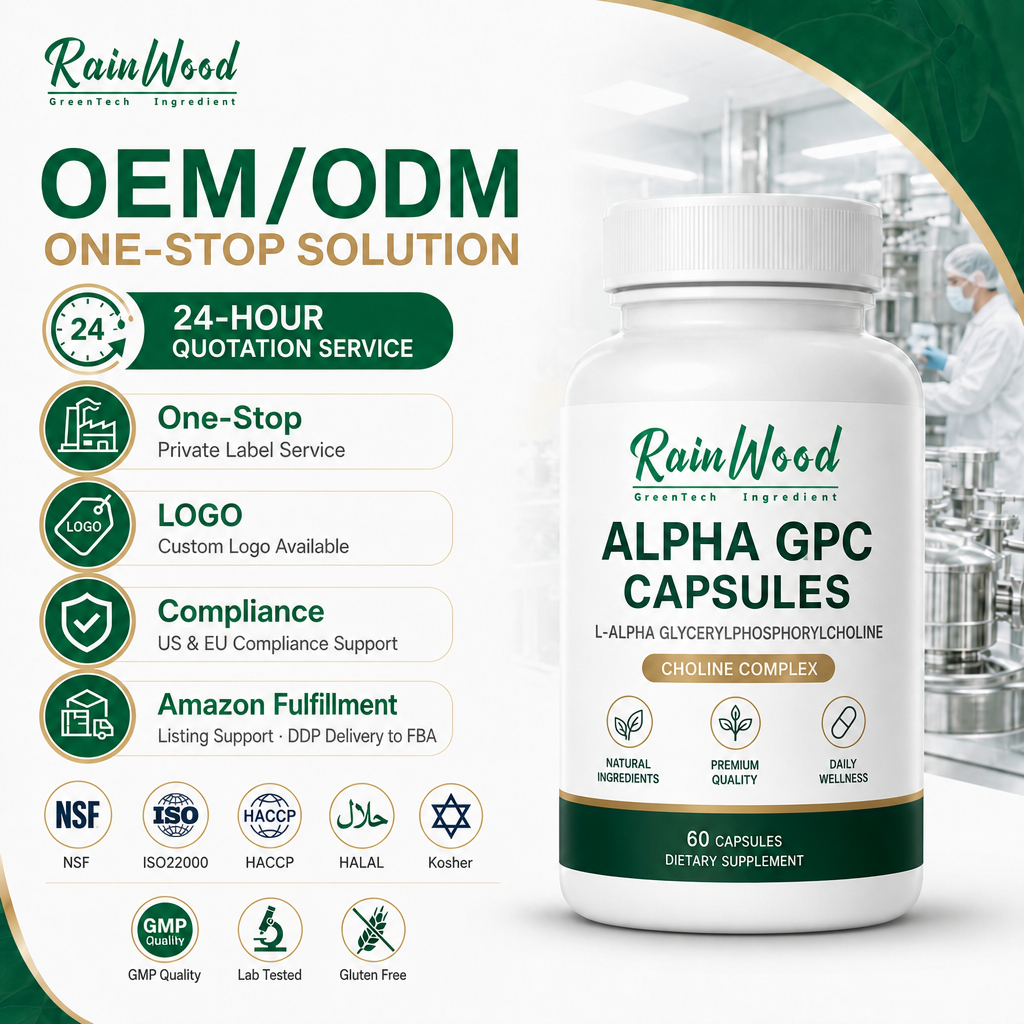
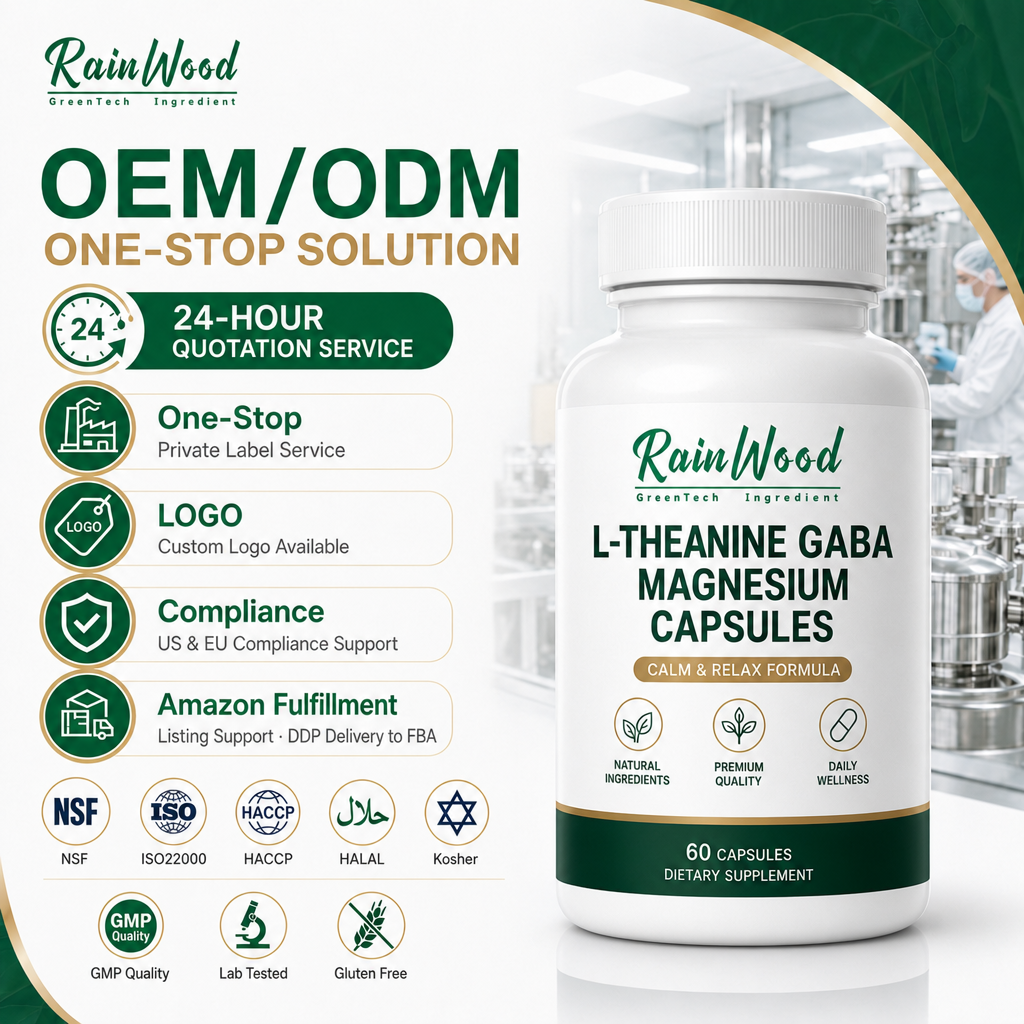
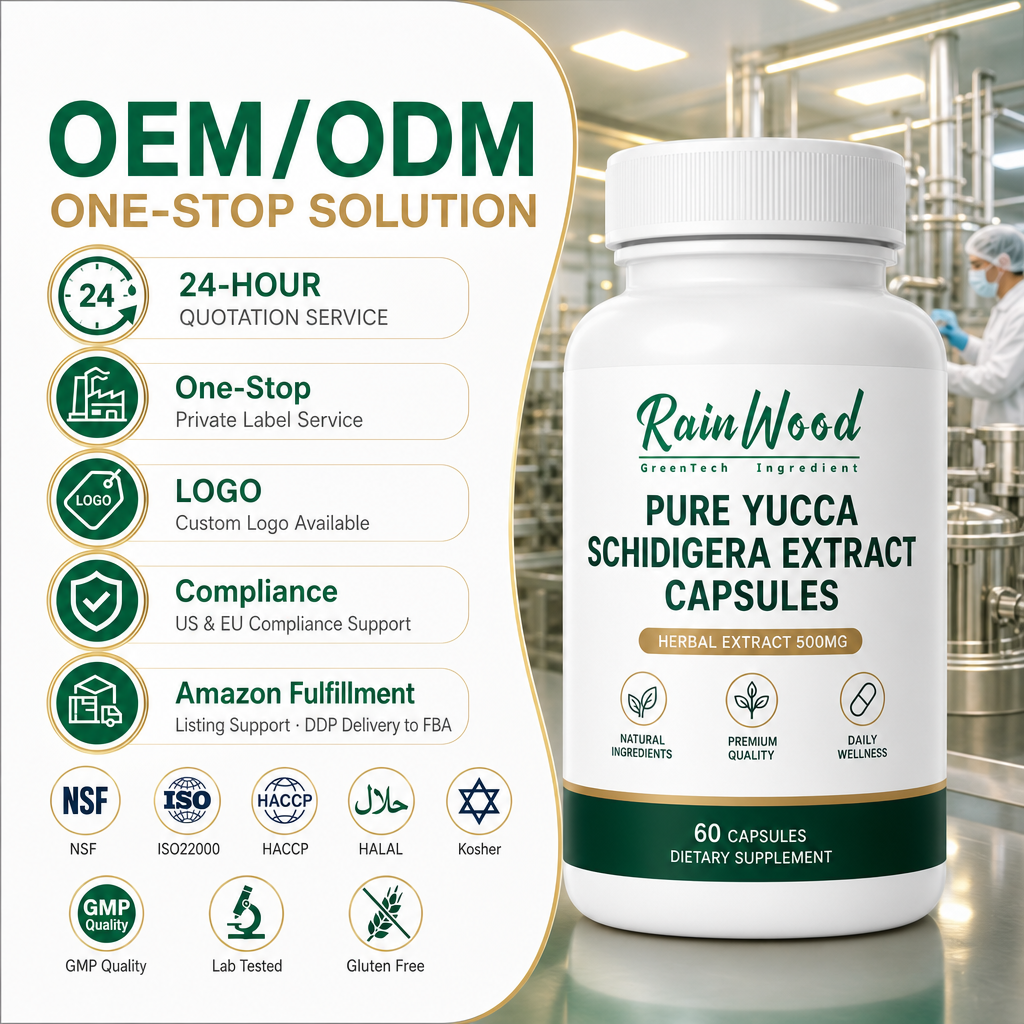
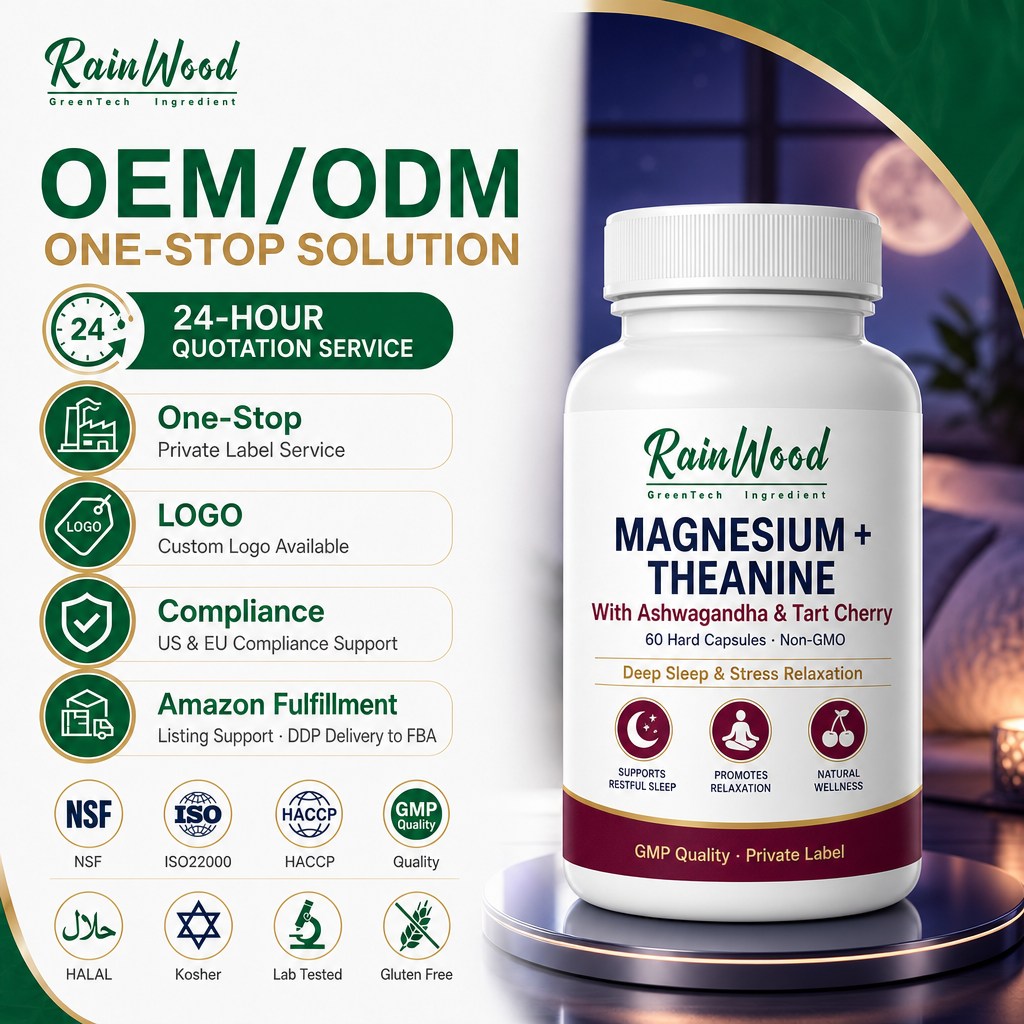
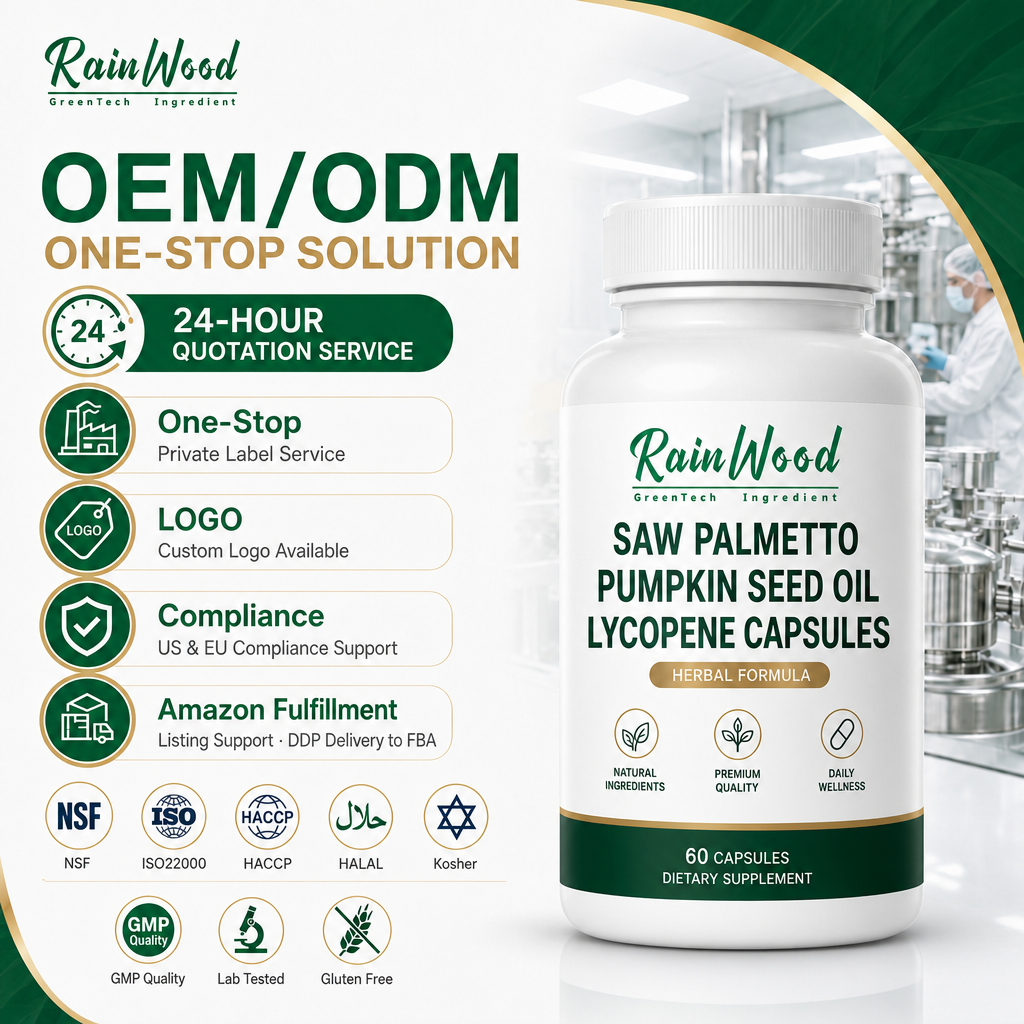
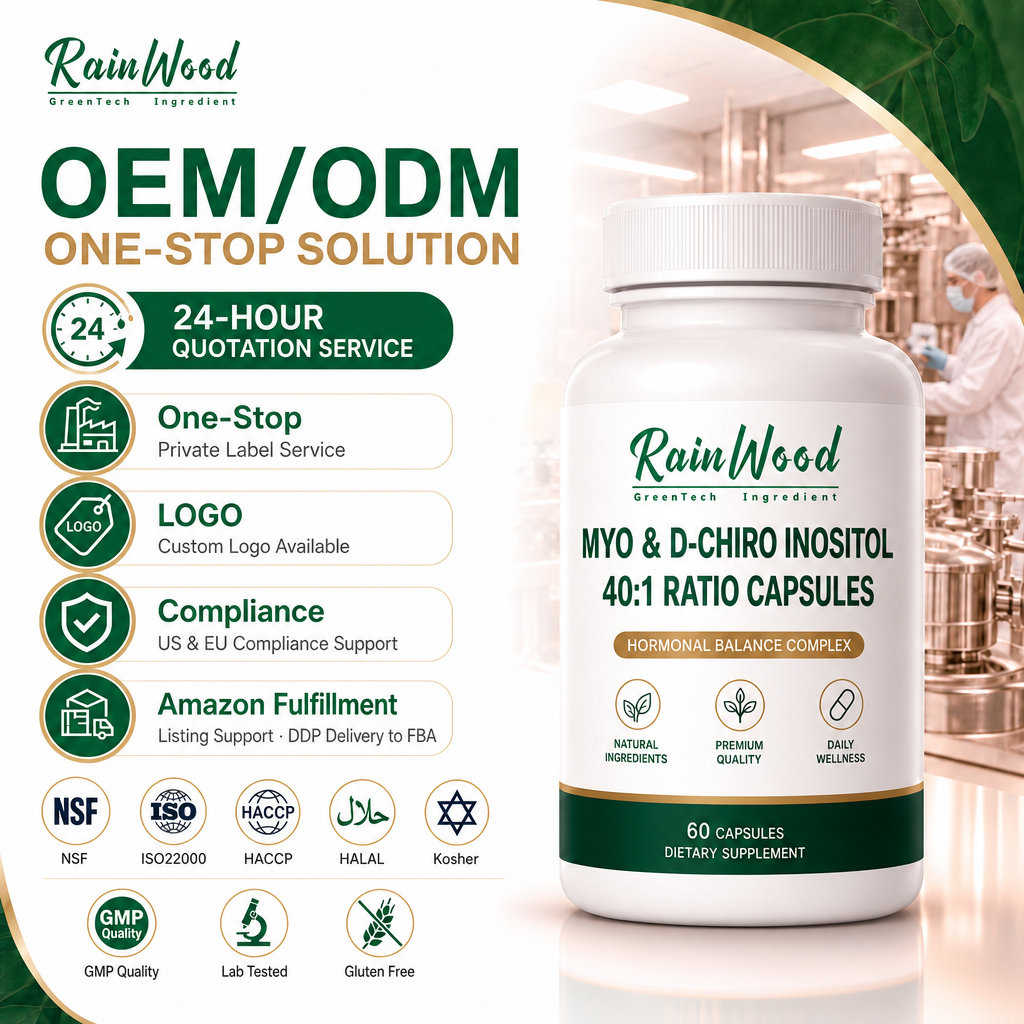
In the rapidly maturing nutraceutical and functional beverage ecosystems, procuring fruit extracts demands a transition from generic herbal powders to verified molecular fingerprinting. High-potency fruit extracts (such as tart cherry, acerola, bilberry, elderberry, pomegranate, cranberry, and Citrus aurantium bioflavonoids) present unique processing challenges due to thermolabile polyphenols, fragile anthocyanin glycosides, and hygroscopic sugar profiles.
As a primary manufacturing partner, Shaanxi ESNO Biotech Co., Ltd. integrates multi-stage extraction engineering at our Xi'an production base to preserve intact bioactive matrixes while eliminating native monosaccharides that cause caking and instability.
Used extensively for lipophilic fruit components, berry seed oils, and saw palmetto sterols. Eliminates organic solvent residues entirely, preventing degradation of heat-sensitive pigments while capturing 85-95% fatty acid fractions.
Selective separation column chromatography desorbs simple sugars and organic acids while isolating focused polyphenols, proanthocyanidins (PACs), and anthocyanins to achieve assay concentrations up to 25%-50% by UV/HPLC.
Low-temperature spray drying with carrier optimization (organic acacia or non-GMO maltodextrin under 5%) prevents caramelization of fruit matrices, generating free-flowing, hygroscopic-controlled powders suitable for high-speed capsule filling.
B2B formulators must match extraction methodologies to dosage delivery systems. The table below delineates the analytical profile, recovery yield, and regulatory suitability across industrial fruit processing pathways:
| Extraction Mechanism | Target Bioactive Marker | Assay Threshold | Carrier Ratio | Solvent Residue Spec |
|---|---|---|---|---|
| Supercritical Fluid (CO2) | Phytosterols, Carotenoids, Fatty Acids | 45.0% - 90.0% (GC/HPLC) | 0% (Carrier-Free Pure Oil/Resin) | Solvent-Free (USP <467> Compliant) |
| Hydro-Ethanolic Reflux + Resin | Anthocyanins, PACs, Proanthocyanidins | 10.0% - 36.0% (UV-Vis / HPLC) | ≤ 5.0% Organic Maltodextrin | Ethanol < 5,000 ppm (EP Class 3) |
| Aqueous Membrane Concentration | Polyphenols, Vitamin C, Inositol | 15.0% - 50.0% (Titration/HPLC) | None to 10% Acacia Gum | Aqueous Only (Zero VOCs) |
| Purified Crystallization Fraction | Apigenin, D-Chiro-Inositol, Lycopene | 95.0% - 99.0% (HPLC Primary Ref) | 0% (Active Isolate Powder) | Meets ICH Q3C / FDA Limits |
The dietary supplement supply chain is experiencing a structural paradigm shift driven by heightened global regulatory audits, FDA cGMP compliance enforcements, and sophisticated retail consumer demands. Procurement directors sourcing fruit extracts must navigate four major technical vectors that dictate profitability and compliance between 2025 and 2030:
Adulteration with synthetic dyes (such as amaranth in elderberry) or low-cost exogeneous bioflavonoids (peanut skin PACs in cranberry) is now routinely detected via HPTLC fingerprinting and DNA barcoding. Brand owners require suppliers to provide botanical identity assurance back to botanical voucher specimens.
Traditional fruit powders relied heavily on 30-50% carrier loadings of standard maltodextrins to facilitate drying. Modern retail brands demand ultra-low carrier (<5%) or organic tapioca/acacia substitutes to maintain "clean label" claims and maximize milligram density in size 0 and 00 capsules.
Industrial agro-processing residues (apple pomace, grape seeds, citrus peels, and berry skins) contain the highest concentrations of bounded polyphenols. Forward-looking manufacturers utilize enzymatic hydrolysis to liberate bound flavonoids, achieving superior carbon-footprint metrics and ESG certification scores.
Furthermore, cross-category synergies are replacing single-ingredient hero SKUs. As reflected in our high-velocity contract manufacturing catalog, brands are systematically coupling standardized fruit extracts (like tart cherry anthocyanins and chamomile apigenin) with physiological co-factors like Magnesium Glycinate and L-Theanine to create multi-pathway relaxation, sleep, and anti-inflammatory formulations.
Headquartered in the High-Tech Zone of Xi'an, Shaanxi, Shaanxi ESNO Biotech Co., Ltd. operates an industrial nutraceutical and botanical extraction complex engineered for worldwide regulatory conformity. With 19 years of continuous manufacturing heritage since 2006, our technical team bridges raw material extraction with turnkey contract packaging under unified quality assurance oversight.
Cleanroom processing suites accredited under NSF/ANSI 455-2 Dietary Supplements cGMP, ISO 22000, HACCP, and verified on-site by TÜV Rheinland for global supply safety.
Every commercial batch is validated via HPLC, UV-Vis, GC, and Atomic Absorption Spectrometry for assay potency, residual solvents, heavy metals (Pb, As, Cd, Hg), and microbial limits.
Turnkey finished product formats: automated bottling, induction sealing, blister packaging, custom exterior cartons, and multi-language label regulatory vetting for global customs clearance.
Low-barrier private label stock formulas from 100 to 500 units, scaling seamlessly into multi-metric ton container orders supported by dedicated account engineers.
To insulate brand owners from recall exposures and regulatory warning letters, ESNO Biotech enforces a five-stage quarantine and analytical testing protocol prior to formulation release:
High-Performance Thin-Layer Chromatography (HPTLC) fingerprinting cross-referenced with United States Pharmacopeia (USP) and European Pharmacopoeia (Ph. Eur.) botanical reference standards to verify cultivar accuracy.
Isocratic and gradient Reverse-Phase HPLC testing to ensure active marker thresholds (e.g., Anthocyanins ≥ 25.0%, Apigenin ≥ 98.0%, Ginkgoflavonol glycosides ≥ 24.0%) meet or exceed label release commitments.
Inductively Coupled Plasma Mass Spectrometry (ICP-MS) multi-element screen for heavy metals: Lead (<0.5 ppm), Cadmium (<0.5 ppm), Arsenic (<1.0 ppm), and Mercury (<0.1 ppm) compliant with California Prop 65.
Final finished packaging undergoes non-destructive checkweighing, metal detection (ferrous, non-ferrous, and stainless steel sensitivity ≤ 0.8 mm), and comprehensive stability testing (accelerated 40°C/75% RH and real-time 25°C/60% RH) to establish verifiable 24- to 36-month shelf lives.
Clear, direct answers regarding testing methodologies, order quantities, custom formulation design, and regulatory documentation.
For stock private label formulations (such as our 60-count hard capsule series), our MOQ begins at 100 to 500 bottles with turnkey label application. For bespoke custom formulations requiring custom extraction ratios, specialized blending, or proprietary capsule colorations, the MOQ is typically 1,000 to 2,000 units depending on ingredient cost drivers.
Every shipment is accompanied by a batch-specific Certificate of Analysis (COA) specifying physical appearance, active marker assay (HPLC/UV), loss on drying, ash content, heavy metals (ICP-MS), residual solvents (GC), and full microbiological clearance (aerobic plate count, yeast/mold, E. coli, Salmonella, Staphylococcus aureus).
Fruit extracts inherently contain simple sugars that attract atmospheric moisture. We utilize low-temperature vacuum belt drying, precise addition of clean-label acacia gum or non-GMO maltodextrin carriers (2-5%), and process inside climate-controlled cleanrooms maintained below 35% relative humidity to ensure free-flowing capsule fill properties.
Yes. Our in-house regulatory affairs team reviews client label layouts against US 21 CFR Part 101 dietary supplement regulations and EU Food Supplement Directive guidelines. We verify supplement facts panels, active milligram declarations, allergen advisories, and botanical nomenclature (Latin binomials) to prevent port-of-entry delays.
We provide pharmaceutical-grade Gelatin (bovine or porcine), Vegetarian HPMC (hydroxypropyl methylcellulose derived from pine cellulose), and Pullulan (naturally fermented fungal source, 100% plant-based organic certified). Capsules are offered in sizes 000, 00, 0, 1, and 2 in clear, single-tone, two-tone, and titanium-dioxide-free variations.
Standard pilot samples and prototype capsule batches are dispatched within 5 to 7 business days. Full-scale commercial private label runs generally require 18 to 25 business days following final label art approval and batch release testing. Expedited logistics support air cargo, door-to-door express, and FCL/LCL ocean freight.
Request our complete 2025-2026 standardized botanical and fruit extract dossier, full product specifications, batch COA templates, and OEM private label pricing tiers.