NSF GMP
Years Formulation R&D
Global Export Markets
Custom Formulations
Contract Brand Partners
Precision-extracted, standardized, and encapsulated to NSF 455-2 GMP, ISO 22000, and HACCP pharmaceutical parameters.
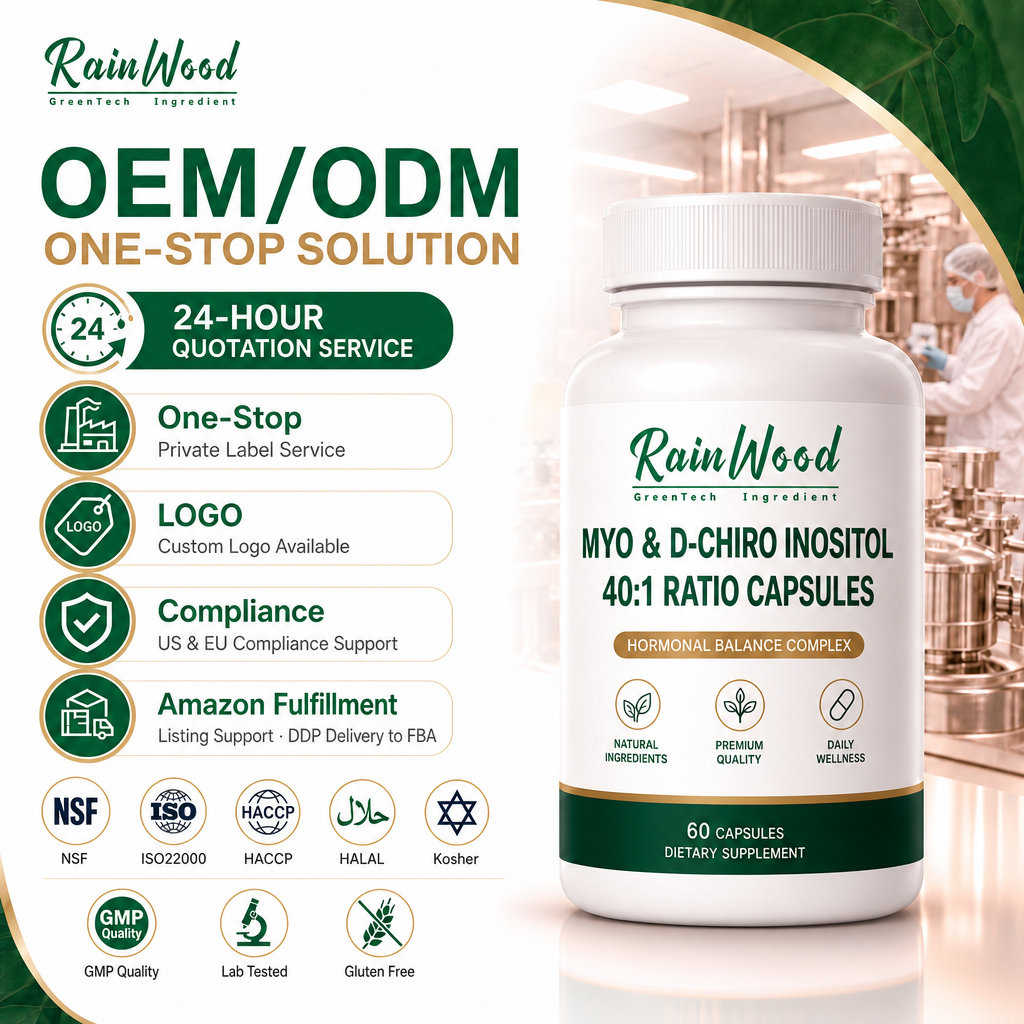
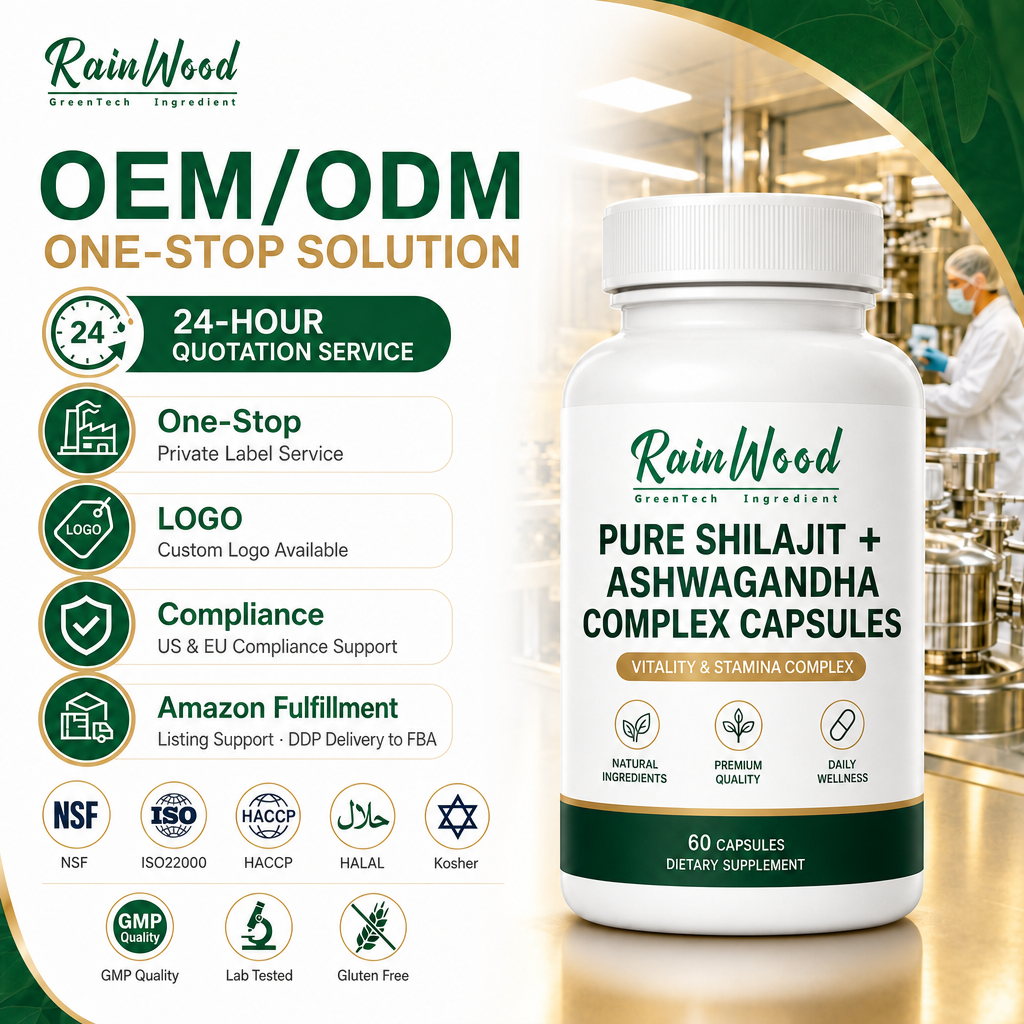
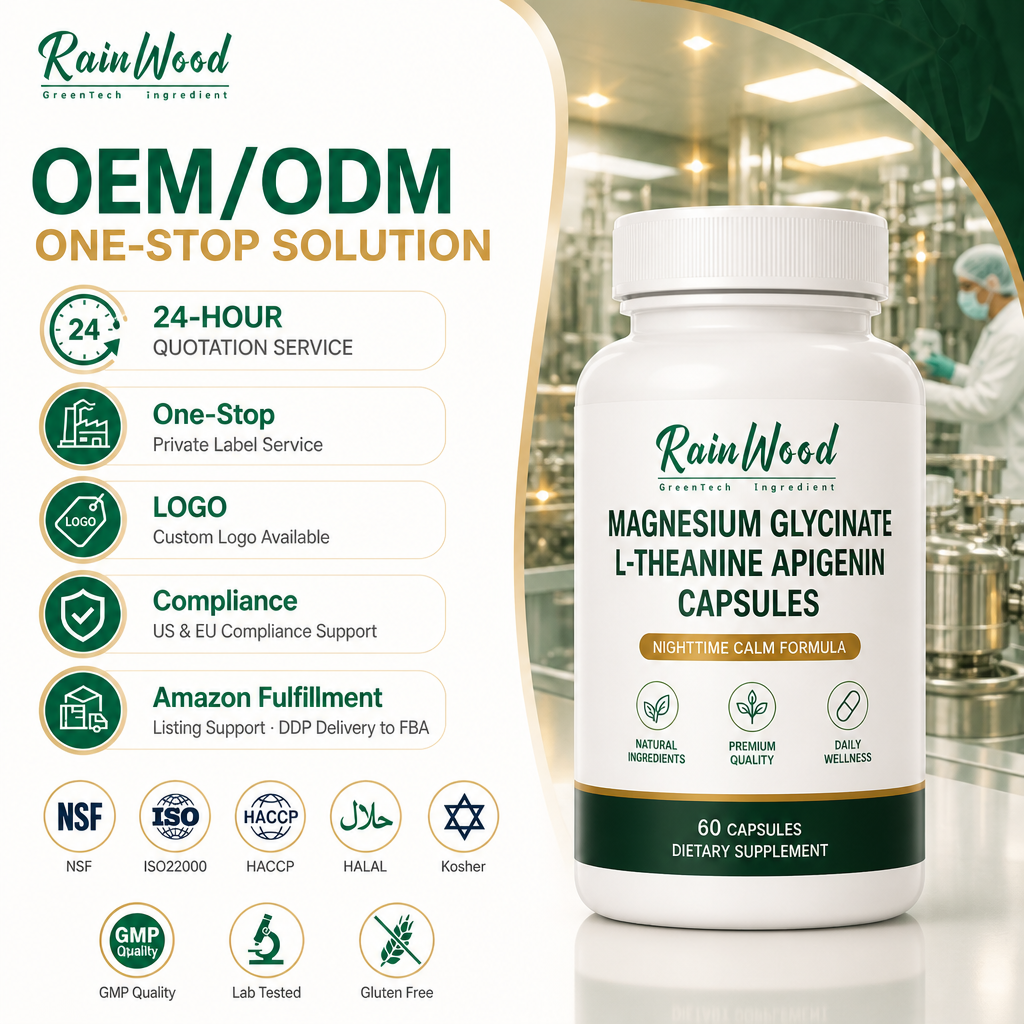
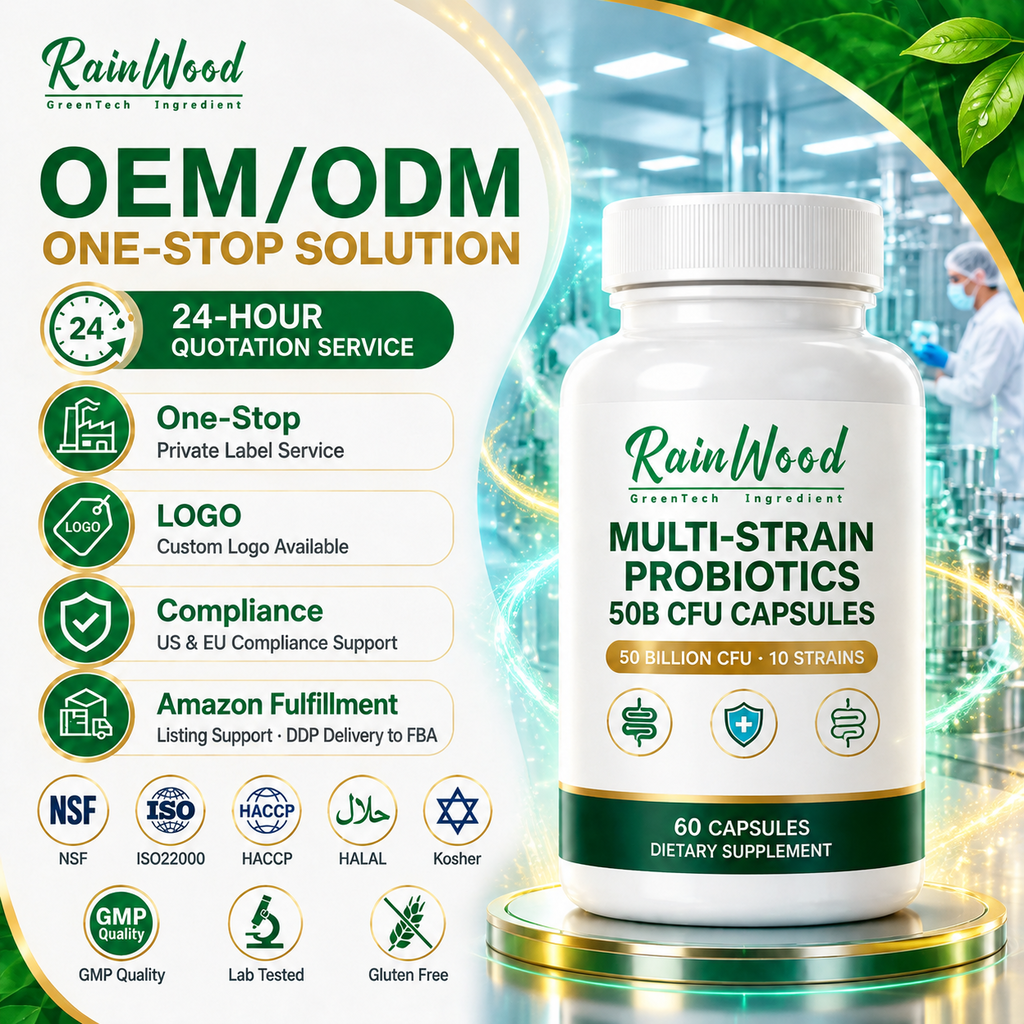
Strategic analysis for enterprise nutraceutical importers, brand developers, and institutional distributors navigating botanical supply chain evolution.
The global botanical and liquid herbal extract manufacturing ecosystem is currently undergoing a structural transformation driven by analytical rigor, standardized potency guarantees, and heightened regulatory audits across international borders. Global buyers—spanning North America, the European Union, Australasia, and emerging ASEAN jurisdictions—are steadily shifting away from traditional crude extracts and unstandardized decoctions in favor of fingerprinted, multi-marker standardized extracts supported by comprehensive Chromatographic and Spectroscopic profiling (HPLC, HPTLC, and GC-MS).
As enterprise procurement authorities reassess supply continuity, liquid extracts, liposomal fluid matrices, and solvent-free water/hydroethanolic concentrates represent the fastest-growing sector within functional beverages, sublingual tinctures, and liquid-filled hard capsules. Sourcing these specialized delivery systems demands an intimate knowledge of botanical morphology, critical extraction pressures, temperature-regulated solvent elimination, and strict pesticide/heavy metal mitigation thresholds set by the United States Pharmacopeia (USP), European Pharmacopoeia (Ph. Eur.), and Food Chemicals Codex (FCC).
Modern B2B buyers mandate farm-to-extract traceability. Utilizing certified geographic zones, full agronomic logs, and non-GMO wildcrafted sourcing mitigates wild-harvest fluctuations and prevents unrecorded botanical substitution.
Regulatory bodies across the EU and USA actively disincentivize chlorinated hydrofluorocarbon extraction. The mandate has shifted to clean super-critical fluid extraction (SFE CO2), subcritical water extraction, and green certified ethanol-water solvent matrices.
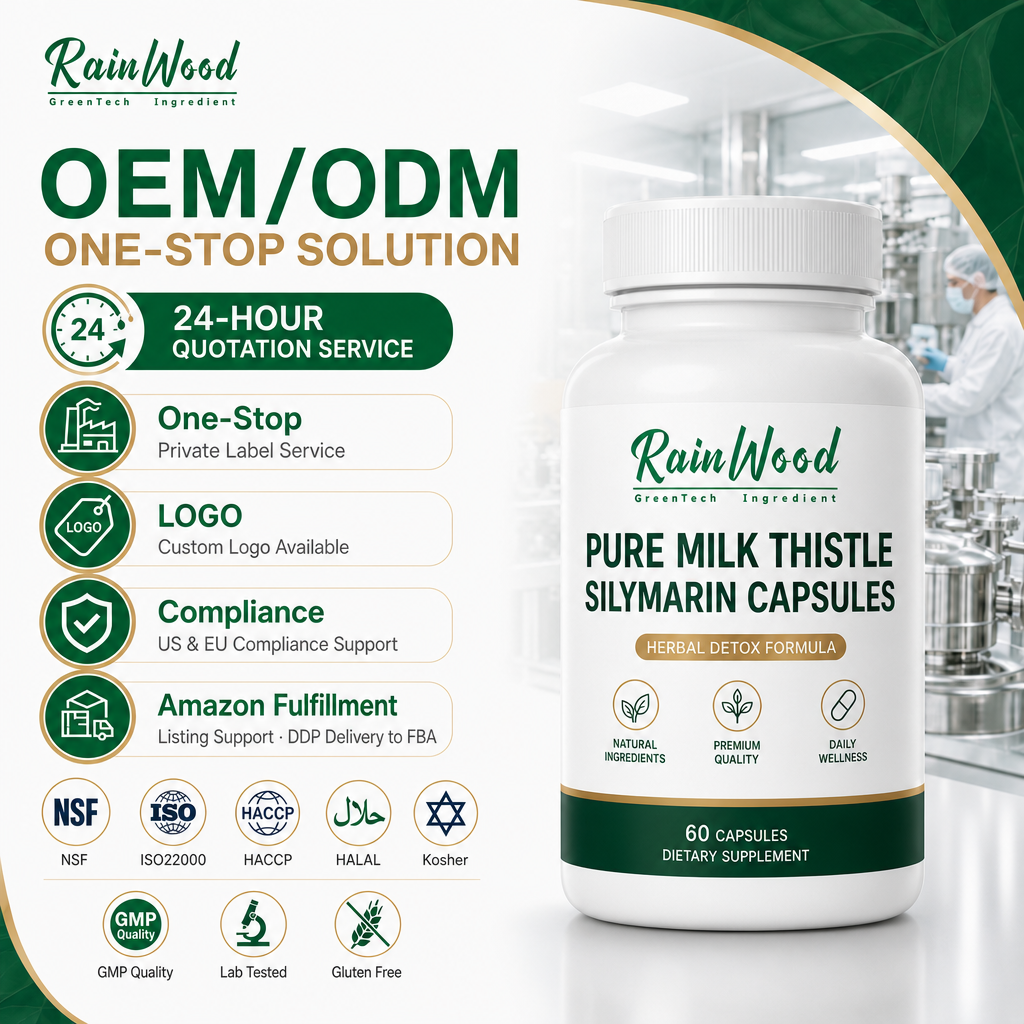
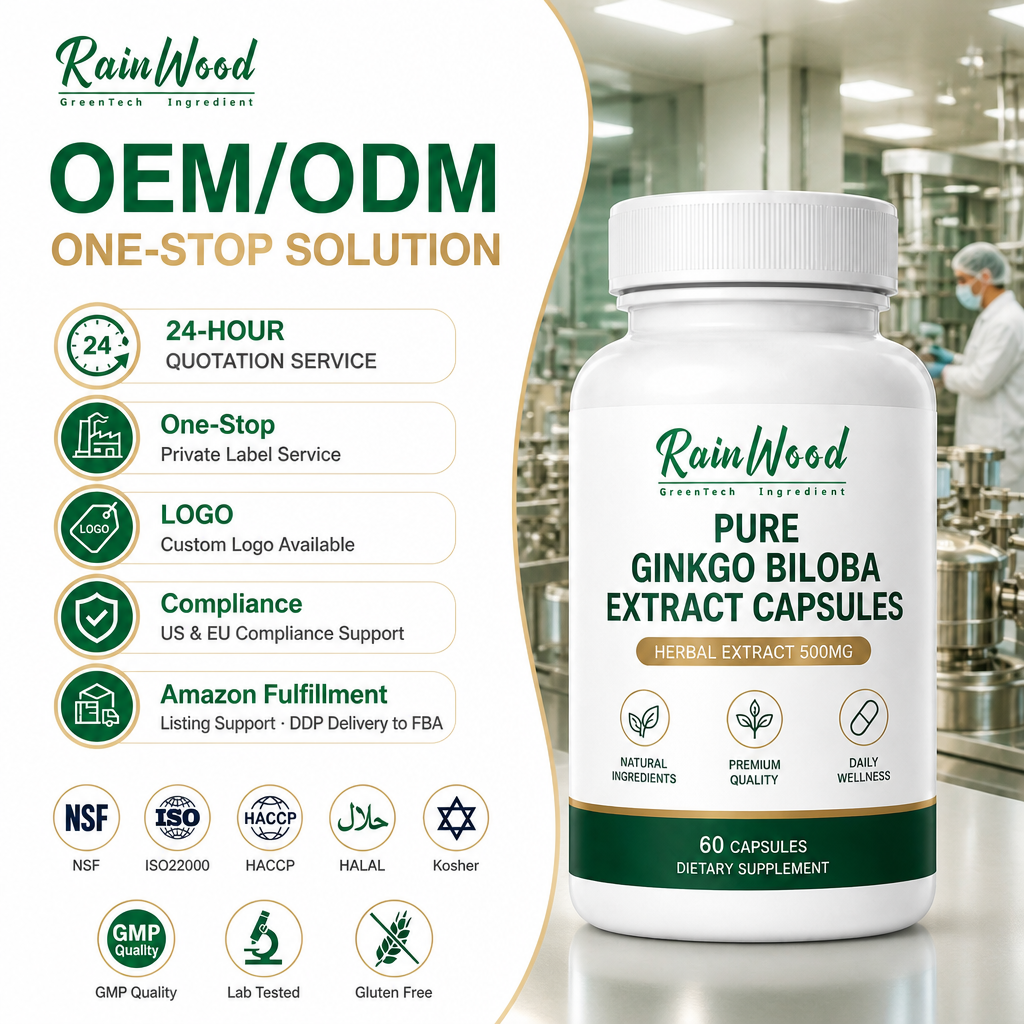
Ambiguous 10:1 or 20:1 extraction ratios without documented active markers are being replaced. Qualified procurement requires verified percentage concentrations (e.g., 50% Fulvic Acid, 80% Silymarin, 24/6 Ginkgo Flavone Glycosides).
Anticipate shifts in bioavailability engineering, custom stabilization, and sustainable packaging models to safeguard long-term brand equity.
As consumer discernment rises alongside rigorous marketplace enforcement (such as Amazon’s Dietary Supplement Verification requirements and ISO/IEC 17025 laboratory verifications), procurement directors must plan manufacturing cycles through the lens of emerging pharmacological delivery technologies.
Lipophilic phytonutrients (such as curcuminoids, silymarin, and apigenin) face inherent absorption ceilings in traditional digestive tracts. Liquid liposomal encapsulation using non-GMO sunflower phospholipids increases systemic bioavailability exponentially, driving premium private label brand valuations.
The industry is actively purging potassium sorbate and sodium benzoate from liquid delivery vehicles. The next generation of liquid herbal manufacturing leverages botanical anti-microbial matrices, organic vegetable glycerin carrier bases, nitrogen purging, and amber UV-filtered pharmaceutical glass enclosures.
While bulk multi-dose dropper bottles maintain market stability, liquid sachet stick packs, snap-liquid pods, and oral micro-sprays are capturing hyper-growth. High-speed automated stick pack form-fill-seal lines ensure oxygen-barrier preservation without micro-leakage risks during transcontinental export.
Shaanxi ESNO Biotech Co., Ltd. integrates 19 years of botanical extraction engineering with automated dosage form assembly.
Audited production facilities conforming to stringent pharmaceutical sanitation, HVAC positive-pressure cleanroom protocols, and automated environmental data logging.
Equipped with analytical electronic balances, precision drying chambers, HPLC assay systems, and microbial incubation platforms for continuous in-process quality control.
On-site verified enterprise supplier status with transaction histories spanning over 40,000 successful commercial shipments across 100+ recipient nations.
Stock proprietary formula launch capabilities starting as low as 100 to 500 units, paired with full secondary packaging, barcoding, and direct export documentation.
Raw plant authentication via TLC, morphology assessment, and DNA testing to eliminate botanical fraud.
ICP-MS testing for heavy metals (Pb, As, Cd, Hg), GC screening for multi-class pesticides, and allergen assays.
Controlled hydroethanolic or clean extraction, concentration, and spray-drying or liquid stabilization.
Automated dosing into pharmaceutical-grade glass, blister packing, or vegan HPMC capsules.
Batch-specific analytical releases detailing physical, chemical, and microbiological compliance before dispatch.
Essential due diligence inquiries addressed by our technical formulation and regulatory affairs teams.
An extraction ratio (e.g., 10:1) merely indicates that 10 kilograms of raw starting biomass yielded 1 kilogram of extract; it provides no empirical proof of the bioactive constituents remaining post-processing. In contrast, standardized extraction quantitatively guarantees precise, batch-consistent levels of chemically defined therapeutic markers (such as 80% Silymarin via UV-Vis, or 24% Ginkgo Flavone Glycosides via HPLC), irrespective of natural seasonal variations in raw crop harvests.
Our extraction workflows operate strictly in accordance with USP <561> (Articles of Botanical Origin) and USP <467> (Residual Solvents). Raw incoming shipments undergo quarantine screening via Inductively Coupled Plasma Mass Spectrometry (ICP-MS) to guarantee elemental purity far below California Proposition 65 thresholds. Thermal vacuum recovery removes trace solvents, and batch release requires negative testing for Salmonella, E. coli, and Staphylococcus aureus in our validated microbiological incubation laboratories.
Liquid botanical formulations typically present a 24-month stability window when preserved in USP Type III amber glass with food-grade vegetable glycerin or hydroethanolic matrices, provided they are stored away from UV radiation and thermal spikes. Encapsulated dry standardized extracts, protected by blister packing or desiccant-lined HDPE bottles, routinely demonstrate 36-month shelf-life stability with verified real-time and accelerated stability assays.
Every commercial consignment exported by ESNO Biotech includes a comprehensive regulatory dossier: a batch-specific Certificate of Analysis (COA), formal Manufacturing Flowcharts, Non-Animal / BSE-TSE Free Declarations, Allergen Statements, Safety Data Sheets (SDS), and finished packaging proofs. For international registrations, we support clients with Certificate of Free Sale (CFS), Halal/Kosher declarations, and third-party ISO/IEC 17025 accredited laboratory test validations.
Yes. Our in-house research laboratory has successfully executed over 400 unique nutritional and functional designs. We can reverse-engineer active concentration ratios, optimize solubility, design masking flavor profiles for bitter herbal notes, and adjust viscosity or dissolution rates. Pilot bench samples are formulated and dispatched for client sensory and assay confirmation prior to initiating commercial production runs.
To empower agile brand launches, standard inventory formulas start at 100 to 500 units for encapsulated lines and shilajit concentrates. Fully bespoke formulas requiring unique botanical procurement generally begin at 1,000 to 3,000 units. Turnaround times typically average 10–14 business days for pilot sample validation and 25–35 calendar days for end-to-end commercial batch manufacturing, packaging, and export preparation.