Standardized Dietary Formulations & Botanical Complexes
Manufactured under NSF 455-2 GMP and ISO 22000 certified cleanroom facilities, our turnkey OEM formulations deliver verified bioactive integrity, shelf stability, and full international regulatory compliance.
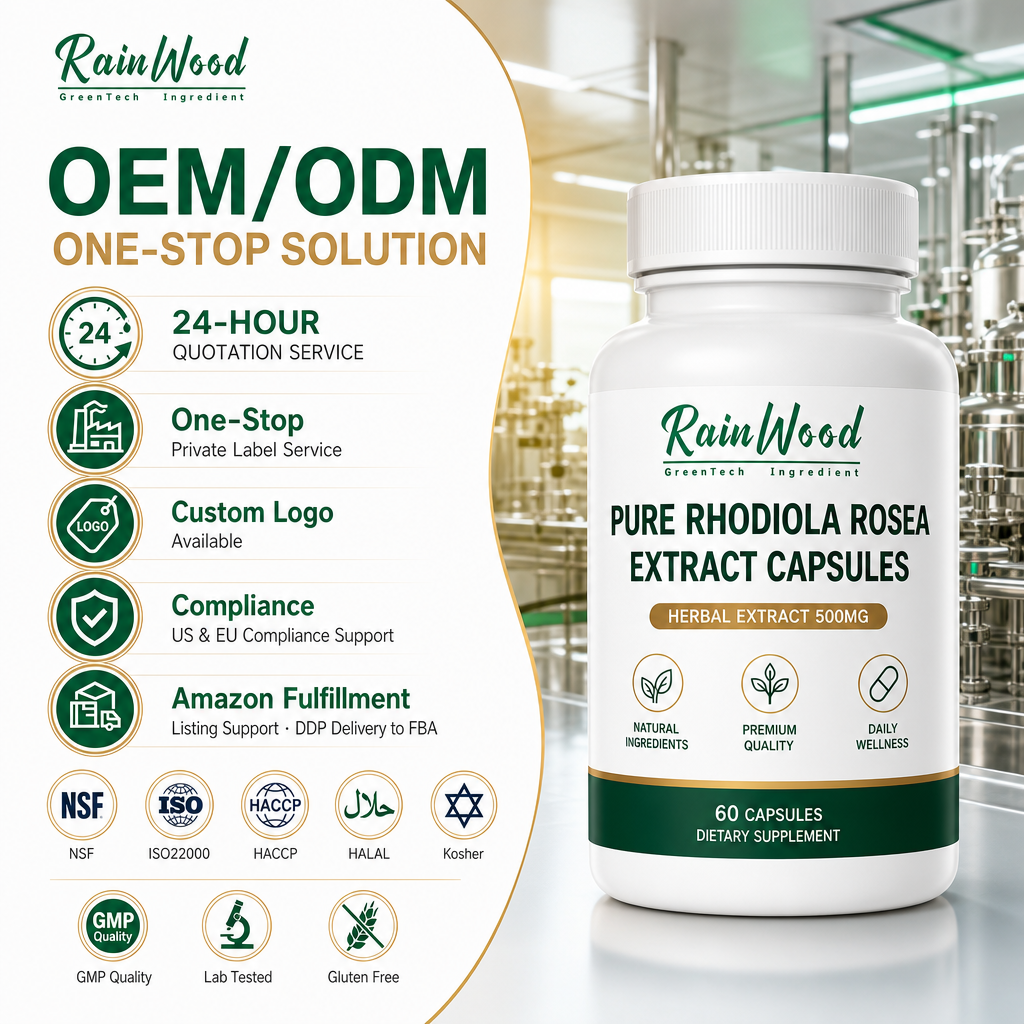
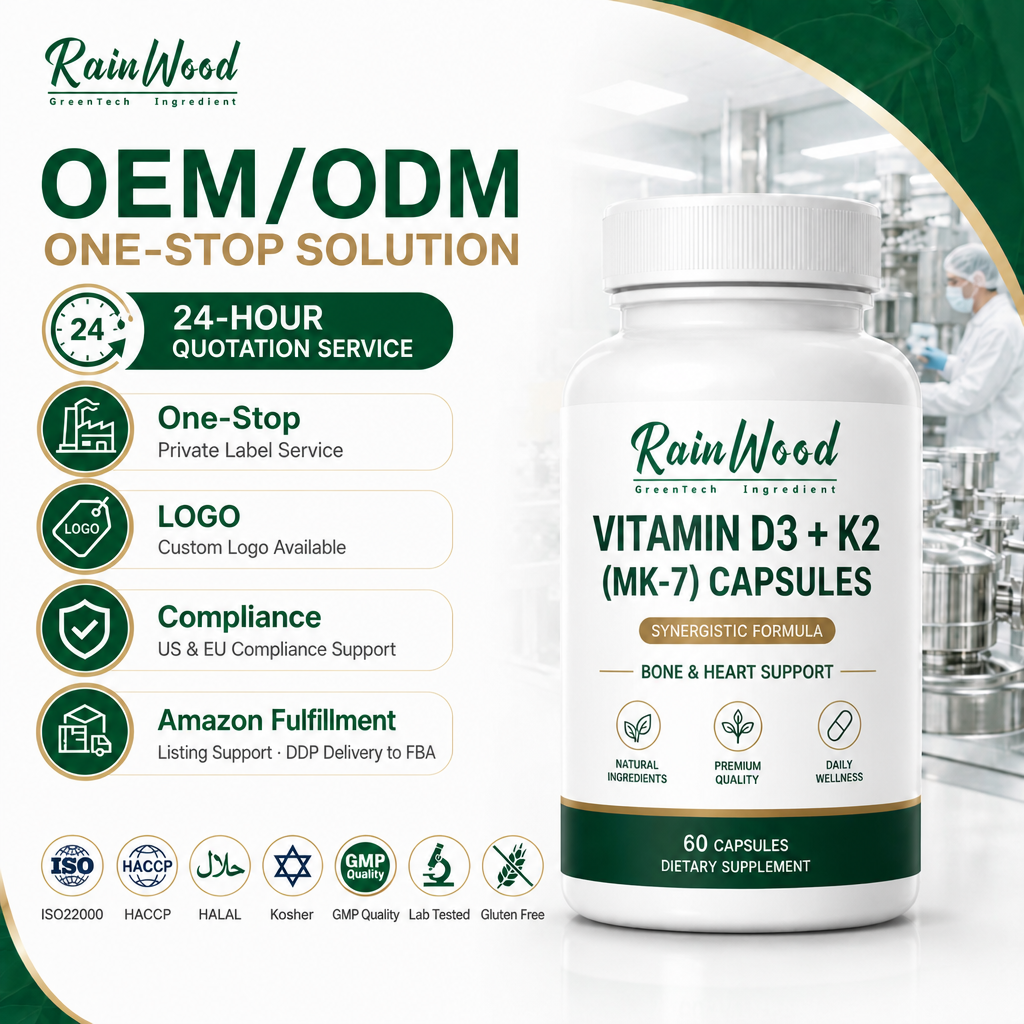
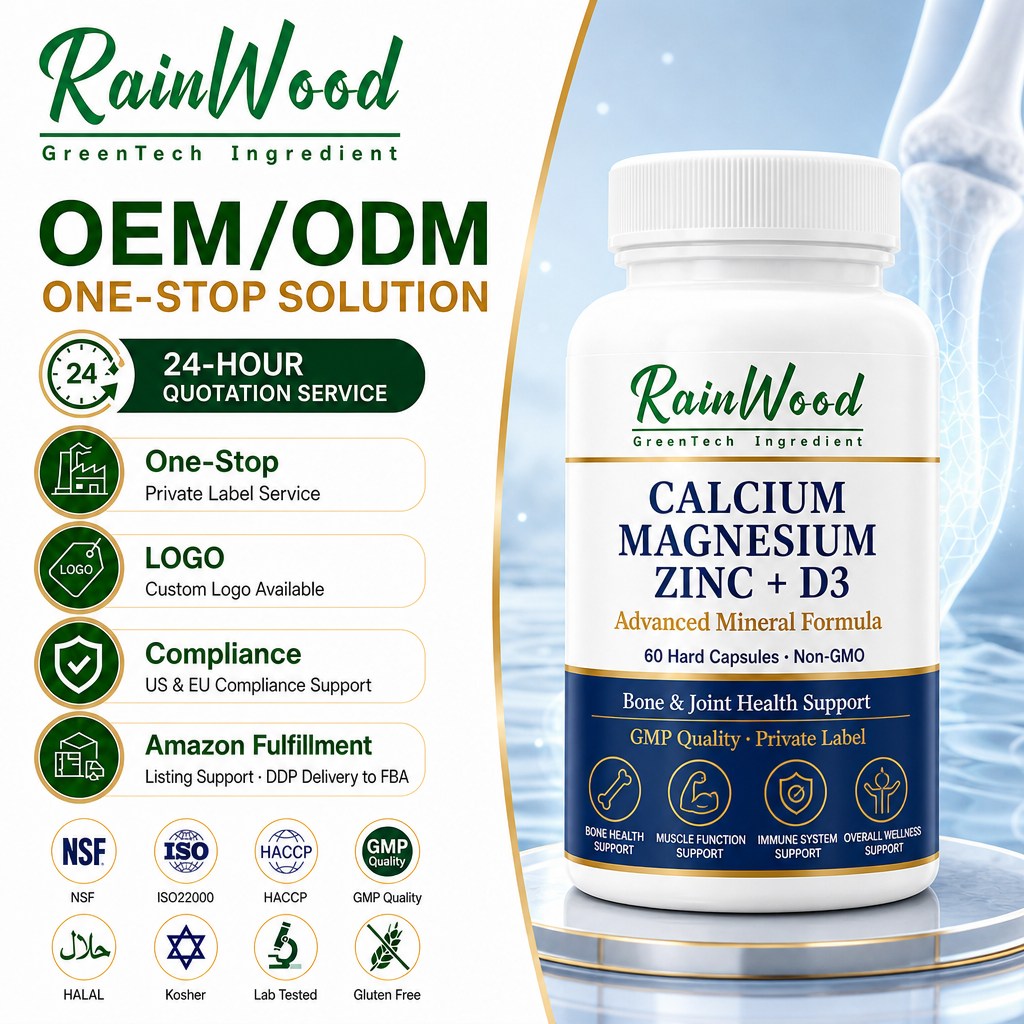
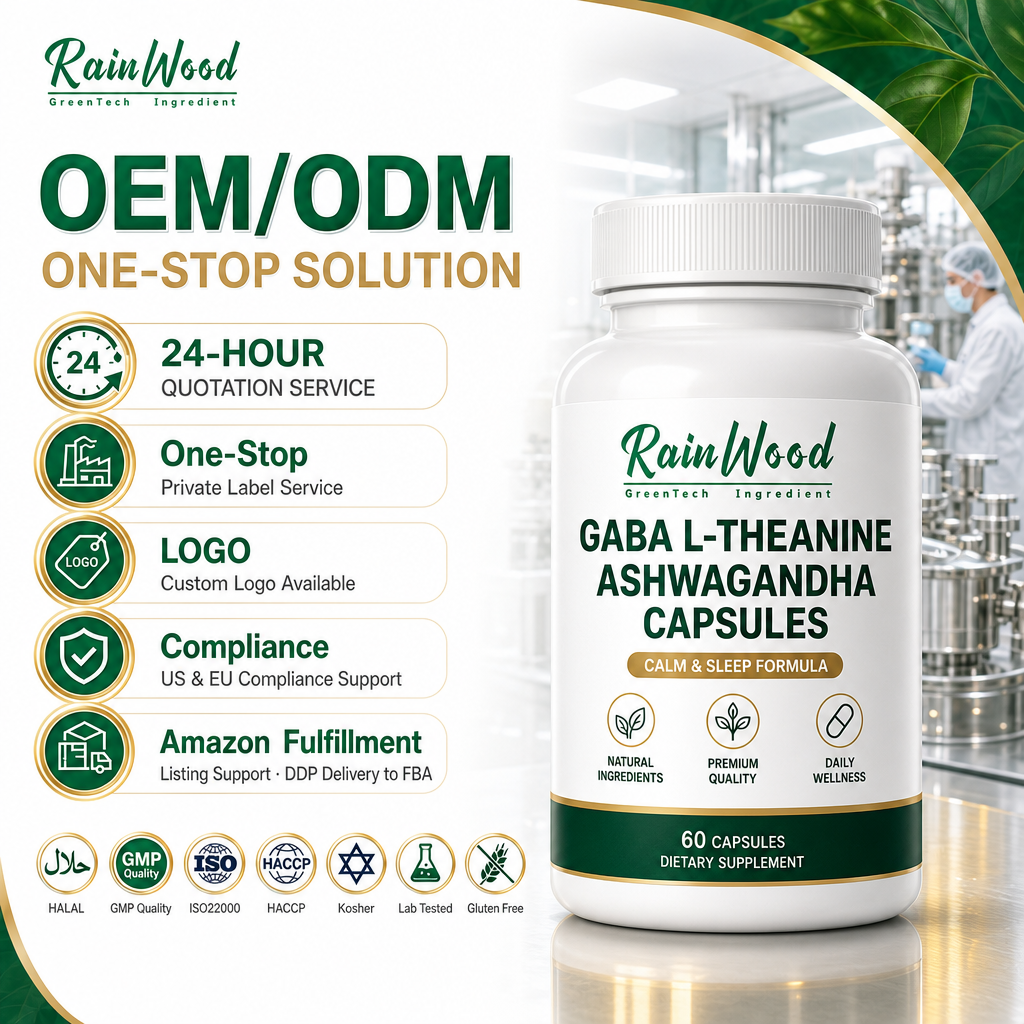
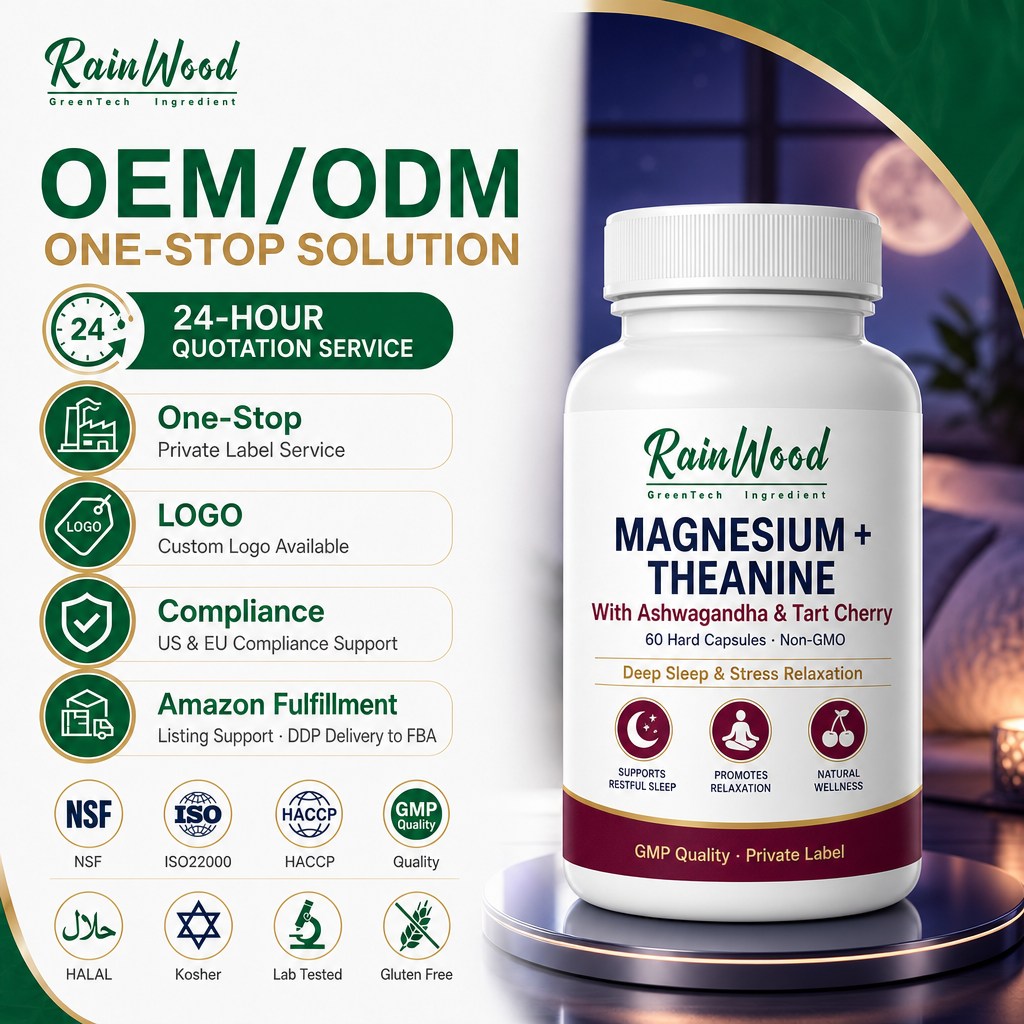
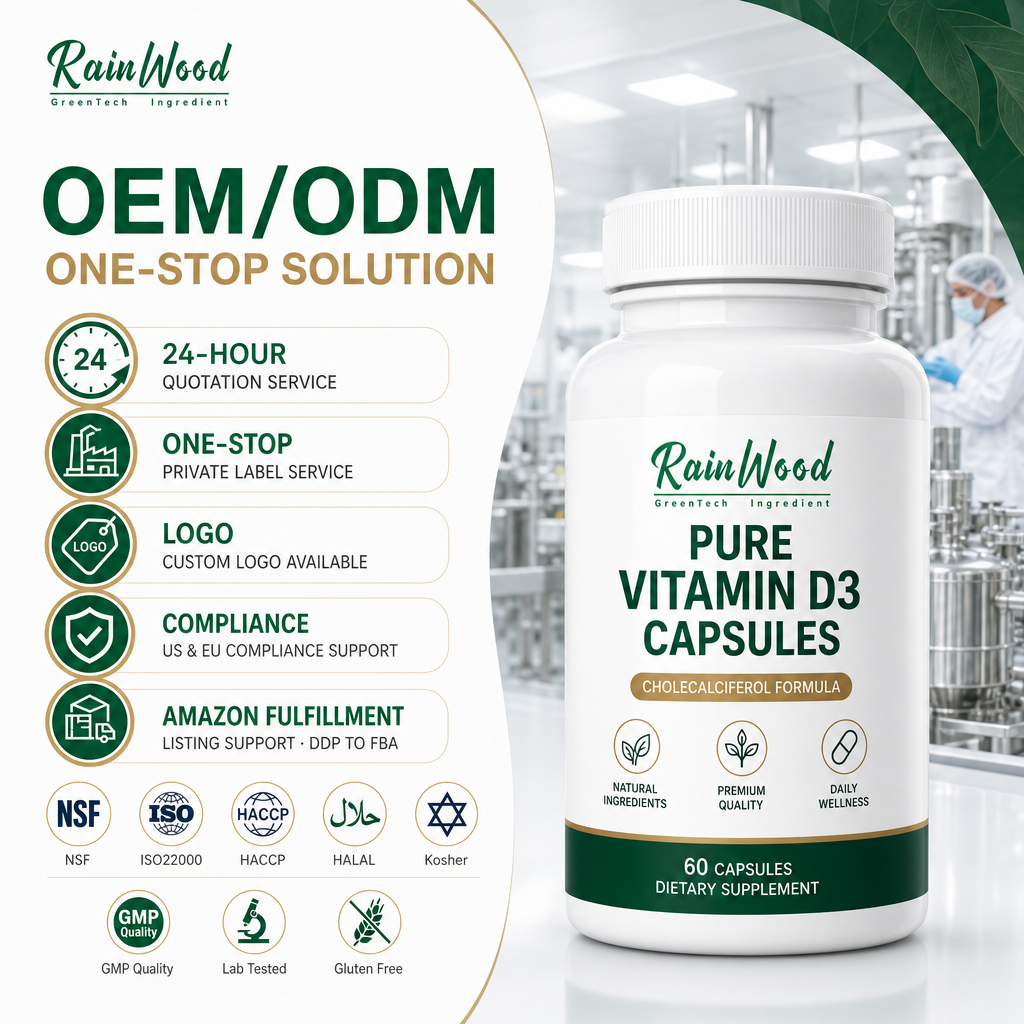
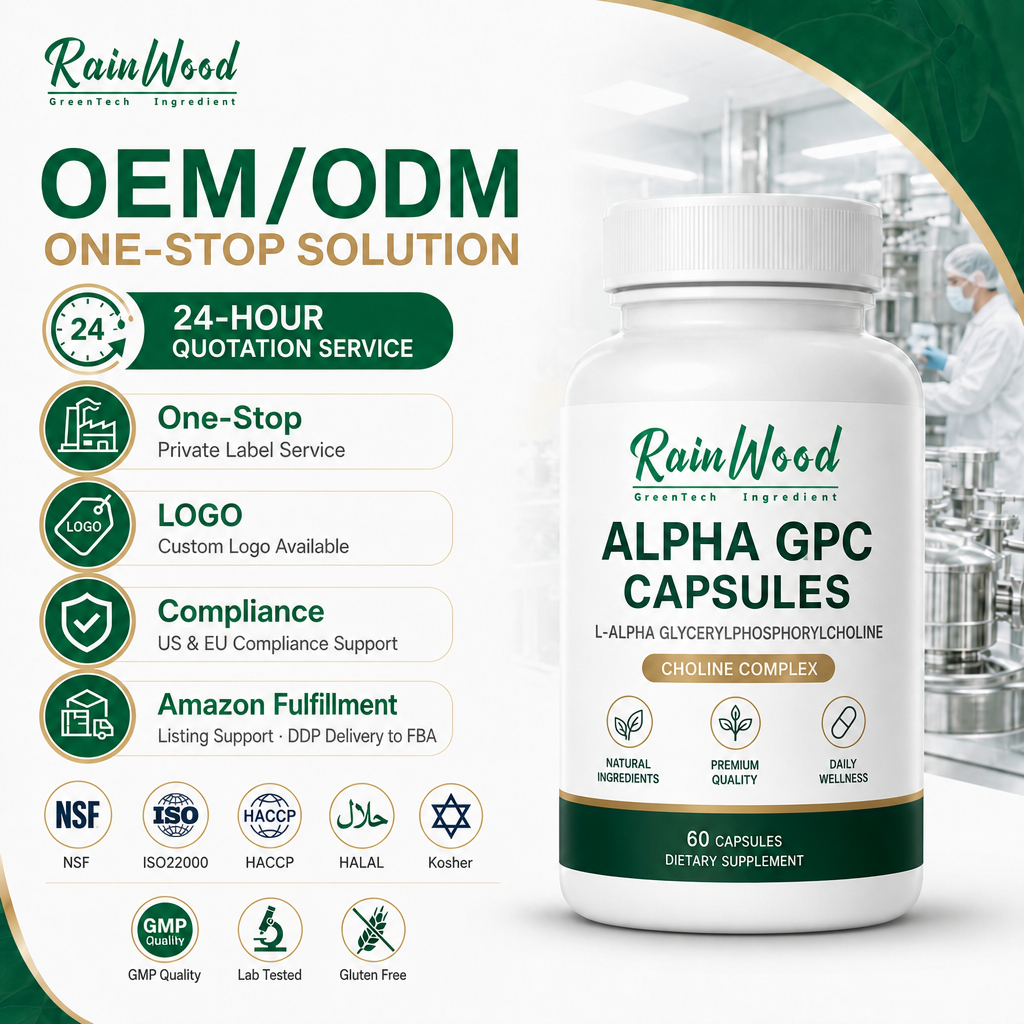
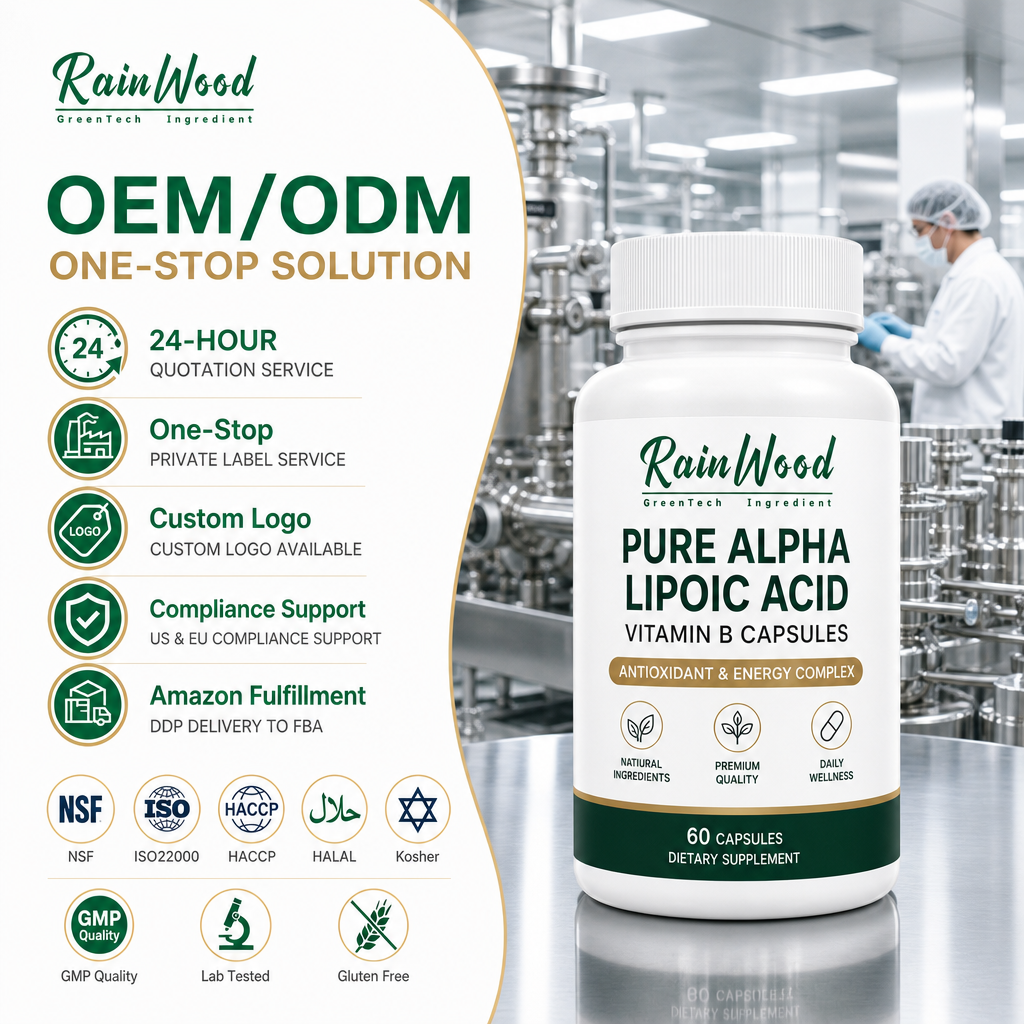
Nineteen Years of High-Purity Extraction & Global Export Leadership
Founded in 2006 in Xi'an, Shaanxi ESNO Biotech Co., Ltd. has evolved from a targeted phytochemistry laboratory into a premier industrial biomanufacturer. Our state-of-the-art facility integrates advanced macroalgae extraction lines with fully automated cleanrooms certified under NSF 455-2 GMP, ISO 22000, and HACCP standards, audited on-site by TÜV Rheinland.
As international supply chains shift toward verifiable transparency, we engineer our seaweed extracts (sourced primarily from brown algae species including Fucus vesiculosus, Ascophyllum nodosum, and Laminaria japonica) using closed-loop, non-thermal molecular separation techniques. This safeguards thermolabile sulfated polysaccharides (Fucoidan) while stripping inorganic heavy metals to concentrations far below EU and US pharmacopeial thresholds.
- Total Chemical Traceability: Quantitative HPLC, ICP-MS, and GC-MS verification for every production lot.
- Precision Standardization: Custom molecular weight partitioning for fucoidan (10 kDa to 300 kDa) and guaranteed fucose/sulfate ratios.
- Turnkey OEM/ODM Formulations: Seamless transition from standardized bulk raw powders to blistered capsules, softgels, and functional gummies.
Manufacturing Capacity at a Glance
Verified Enterprise Operations Since 2006
Seaweed Bioactive Isolation: Comparative Extraction Technologies
Industrial performance comparison across yield, bioactivity retention, molecular preservation, and heavy metal remediation.
| Extraction Methodology | Target Bioactive Compound | Polysaccharide Molecular Integrity | Heavy Metal (As/Cd/Pb) Removal Efficiency | Solvent Purity & Environmental Impact | Commercial Suitability |
|---|---|---|---|---|---|
| Mild Enzymatic Hydrolysis (ESNO Protocol) | Low Molecular Weight Fucoidan, Laminarin, Polyphenols | Exceptional (>95% ester sulfate branch preservation) | Ultra-High (>99.2% inorganic Arsenic depleted via chelating resin) | 100% Aqueous; zero organic solvents; eco-benign | Optimal for dietary supplement capsules, gummies, and clinical nutraceuticals |
| Subcritical Water Extraction (SWE) | Phlorotannins, Sulfated Alginates, Algal Mannitol | Moderate (Controlled depolymerization under dynamic pressure) | High (Requires secondary microfiltration stages) | Aqueous medium under pressurized temperature control | Functional food fortification, sports beverages, medical nutrition |
| Ultrasonic-Assisted Hydrothermal Extraction | Total Crude Seaweed Polysaccharides, Iodine Complexes | Variable (Acoustic cavitation can cleave essential glycosidic links) | Moderate (Requires exhaustive multi-barrier diafiltration) | Water-ethanol blends; low solvent residual risk | General agricultural biostimulants, bulk functional premixes |
| Supercritical CO2 with Bio-Ethanol Co-Solvent | Marine Carotenoids (Fucoxanthin), Lipid-Soluble Polyphenols | Preserves lipid-soluble antioxidant chains completely | High separation from water-soluble mineral contaminants | Supercritical recyclable CO2; minimal carbon residue | High-potency metabolic support softgels and antioxidant anti-aging serums |
Molecular Weight Control
We deploy ceramic multi-stage ultrafiltration membranes to partition Fucoidan into targeted molecular distributions (such as low molecular weight fractions <30 kDa), directly enhancing trans-epithelial mucosal absorption in human metabolic trials.
Sulfated Ester Stabilization
The immunological efficiency of marine algae depends strictly on ester sulfate content. Our low-temperature vacuum flash-drying preserves over 95% of native sulfate esters at the C-4 and C-2 positions on the fucose backbone, exceeding USP reference grades.
Heavy Metal Decontamination
Wild seaweed naturally hyperaccumulates marine minerals. We utilize patent-pending macroporous selective resin beds to strip inorganic Arsenic (iAs < 0.1 ppm), Cadmium (< 0.2 ppm), and Lead (< 0.5 ppm), ensuring full compliance with California Prop 65.
Macro Trends Reshaping Seaweed Extract Procurement
B2B procurement professionals must navigate changing international regulations, clinical standardization requirements, and sustainable mariculture sourcing.
Demand for Low-Molecular Weight Fractions
Global pharmaceutical and nutraceutical buyers are pivoting away from crude macroalgal powders. High-performance buyers require molecularly characterized fucoidan (10–30 kDa) displaying demonstrated water solubility, bio-affinity, and higher biological uptake in cellular and gut models.
Strict Arsenic Speciation Mandates
Routine total arsenic analysis is no longer sufficient for North American and European regulators. Procurement standards now require analytical differentiation between organic arsenosugars/arsenobetaine (non-toxic) and toxic inorganic arsenic (iAs), monitored strictly through HPLC-ICP-MS.
Sustainable Ocean Mariculture Audits
Corporate ESG criteria and EU Carbon Border Adjustments demand wild-harvest sustainability proof. Importers prefer factories sourcing biomass from regenerative coastal concessions that maintain zero seafloor destruction and verify full satellite harvest monitoring.
Synergistic Multi-Ingredient Blends
Brands are moving beyond single-ingredient marine supplements. Top-selling formats combine seaweed bioactives with mineral chelates, liposomal fat-soluble vitamins (such as D3/K2), adaptogenic botanicals (Rhodiola, Ashwagandha), and nootropic precursors (Alpha GPC).
Precise Iodine Neutralization Options
While marine iodine supports healthy thyroid function, uncontrolled natural iodine spikes trigger formulation failures for sensitive consumer segments. Forward-thinking exporters offer customized de-iodinated fractions alongside standardized iodine concentrations.
Clean-Label Delivery Formats
Consumer aversion to synthetic titanium dioxide, gelatin, and magnesium stearate requires clean excipients. Modern factories optimize seaweed extracts for direct encapsulation inside vegan pullulan or HPMC shells, functional pectin gummies, and instant powder stick packs.
Blockchain-Backed Batch Traceability
Global supply chain volatility has led buyers to prioritize tier-one manufacturers offering end-to-end electronic batch documentation. Each production run links raw biomass harvest coordinates, cleanroom parameters, and post-shipment COAs via digitized portal access.
Microbiome & Immune Clinical Backing
Clinical data showing fucoidan and laminarin acting as non-digestible marine prebiotics to support short-chain fatty acid (SCFA) generation is accelerating adoption among functional gastroenterology brands seeking substantiable structure-function marketing claims.
Formulation Engineering: Marine Actives Combined with Botanical Powerhouses
How ESNO Biotech engineers synergistic efficacy between standardized marine extracts and high-demand dietary active ingredients.
Marine Mineral & D3/K2 Bone Complex
By blending ocean-derived bio-chelated calcium and magnesium with bio-fermented Vitamin D3 and Menaquinone-7 (MK-7), we engineer mineral delivery matrices that optimize osteocalcin activation while preventing soft tissue calcification.
Cellular Energy & Adaptogen Synergy
Combining Rhodiola Rosea (standardized to 3% rosavins and 1% salidroside) with low-molecular fucoidan stimulates mitochondrial ATP synthesis, modulates oxidative stress markers during intense exertion, and accelerates muscle recovery.
Neuro-Immune Metabolic Protection
Co-formulating Alpha-GPC and Alpha Lipoic Acid with marine phlorotannins establishes strong antioxidant protection across the blood-brain barrier, shielding neuronal lipid bilayers against reactive oxygen species (ROS) degradation.
Frequently Asked Questions for Sourcing Seaweed Extracts
Essential regulatory, testing, and operational insights for procurement directors and product developers.
What analytical methods are utilized to standardize Fucoidan content?
We avoid non-specific colorimetric testing methods (such as crude phenol-sulfuric acid assays) which can misreport neutral sugars as fucoidan. ESNO Biotech standardizes fucoidan content via high-performance liquid chromatography (HPLC) with refractive index detection, supported by ion chromatography (IC) to calculate the exact molar ratio of ester sulfate groups to neutral fucose sugars. Every certificate of analysis (COA) includes verified fucose percentage, sulfate ester percentage, and molecular weight distribution determined through size-exclusion chromatography (SEC-HPLC).
How does ESNO Biotech manage heavy metal thresholds for California Proposition 65?
Marine algae naturally absorb trace elements from the ocean. To satisfy stringent California Prop 65 safe harbor limits and European Regulation (EU) 2023/915, our raw materials undergo multi-stage purification using selective cross-linked macroporous ion-exchange resins. We guarantee total lead (Pb < 0.5 ppm), cadmium (Cd < 0.2 ppm), mercury (Hg < 0.05 ppm), and crucially, inorganic arsenic (iAs < 0.1 ppm), confirmed on every finished production lot by inductively coupled plasma mass spectrometry (ICP-MS).
What are the typical Minimum Order Quantities (MOQ) for custom private label runs?
For standardized seaweed extract bulk powders, our MOQ starts at 25 kg in poly-lined fiber drums. For custom finished dietary formulations—including private label hard capsules, pectin gummies, softgels, and powder sachets—our low-barrier starter MOQ ranges from 100 to 500 retail units for in-house validated formulas, and 1,000 to 2,000 units for fully bespoke formulations, flavors, and specialized packaging boxes.
Can you customize the natural iodine levels in your seaweed extract products?
Yes. Iodine variability is a major formulation challenge for international supplement brands due to localized Recommended Daily Allowance (RDA) ceilings (e.g., 150 mcg/day for adults). We provide two distinct product pathways: (1) Standardized marine iodine extract with guaranteed batch-to-batch iodine titers (e.g., 500 ppm to 2,000 ppm) for targeted thyroid support formulations; and (2) De-iodinated fucoidan fractions (< 10 ppm iodine) designed for immune or metabolic applications requiring minimal iodine intake.
Which factory audits and quality certifications are open for buyer verification?
Our manufacturing complex in Xi'an operates under NSF 455-2 Dietary Supplement Good Manufacturing Practices (GMP), ISO 22000:2018 food safety management systems, and Hazard Analysis Critical Control Point (HACCP) principles. Our facility, quality documentation, and worker welfare standards are verified on-site by TÜV Rheinland. We gladly provide on-site audit access or arrange digital virtual cleanroom inspections for qualified commercial procurement teams.
What documentation accompanies overseas marine extract shipments?
Each export order includes a full regulatory package: (1) Comprehensive Certificate of Analysis (COA) detailing active assay, heavy metals, microbial enumeration, pesticide screens, and residual solvents; (2) Detailed Product Specification Sheet; (3) Flowchart of Manufacturing; (4) Non-GMO, BSE/TSE-Free, and Allergen Declarations; (5) Safety Data Sheet (SDS); and (6) Certificate of Origin. We also supply custom third-party verification reports from Eurofins, SGS, or NSF upon project agreement.
How do you ensure stability and prevent moisture absorption in hygroscopic seaweed powders?
Sulfated polysaccharides are naturally hygroscopic and prone to caking when exposed to ambient moisture. We control this behavior through: (1) Multi-stage fluid-bed agglomeration that transforms fine powders into free-flowing, low-hygroscopic micro-granules; (2) Controlled cleanroom humidity maintained strictly below 35% RH during blending, filling, and tableting; and (3) Advanced moisture-barrier primary packaging, including heat-sealed foil laminates, desiccant liners, and induction-sealed HDPE bottles.
What is the typical production and delivery lead time for global importers?
For standard inventory ingredients, warehouse dispatch occurs within 48 to 72 hours of payment confirmation. For custom private-label capsules, softgels, or gummies, pilot sampling and lab stability validation take 7 to 10 working days. Commercial manufacturing, blistering/bottling, automated boxing, and batch release testing conclude within 15 to 25 business days, supported by air express, sea freight, and dedicated bonded warehouse export logistics.
Partner with a Globally Verified Seaweed Extract Factory
Connect directly with our chemical engineering and formulation team to receive comprehensive technical dossiers, batch COAs, pilot samples, and private label cost breakdowns for your market.