Enterprise Product Portfolio
Standardized Botanical & Complex Formulations
Batch-certified active potency, verified identity testing (HPLC/UV/GC-MS), and tailored OEM/ODM capsule solutions manufactured in ISO-certified cleanrooms.
19+
Years Industry Experience (Est. 2006)
100+
Global Countries Exported
40,000+
Commercial Batches Fulfilled
3,500+
Active Institutional Partners
400+
Validated Custom Formulations
Strategic Procurement Whitepaper
Future Procurement Paradigms: Standardized Herbal Extracts
A deep dive into regulatory tightening, chromatographic fingerprinting, and dynamic supply chain mitigation across North America, the European Union, and Asia-Pacific.
1. Assay Standardization vs. Crudely Concentrated Extracts
Global dietary regulatory boards—including the US FDA (21 CFR Part 111) and EFSA—are penalizing ambiguous extract ratios (e.g., 10:1 or 20:1) lacking quantitative analytical markers. Enterprise buyers are pivoting exclusively toward chemically standardized phyto-constituents.
Procurement protocols require verified analytical profiles: HPLC-confirmed withanolides for Withania somnifera, total triterpenoid acids and beta-glucans for adaptogenic functional mushrooms (Lion's Mane, Reishi), and validated fulvic acid percentages via standardized gravimetric titration for authentic shilajit resin.
2. Stringent Verification of Adulteration & Residual Solvents
The influx of synthetic adulterants designed to spike spectrophotometric assays has elevated testing prerequisites. Advanced international buyers insist on high-performance thin-layer chromatography (HPTLC) fingerprinting and DNA barcoding to confirm botanical taxonomy and provenance.
Simultaneously, green chemistry standards prohibit toxic extraction vectors. Production mandates enforce Class 3 green solvents (USP <467> compliant water/ethanol extraction), demanding non-detectable solvent residues, pesticide thresholds matching USP <561>, and heavy metal bounds below 0.1 ppm for lead, cadmium, and arsenic.
3. Synergistic Multi-Target Formulations & Bioavailability
Single-herb powders are increasingly replaced by biochemically coordinated stacks engineered for heightened receptor affinity and intestinal permeability. For example, pairing highly bioavailable magnesium chelates with neurotransmitter precursors (Apigenin, GABA, L-Theanine).
Similarly, the co-precipitation of mitochondrial factors (Shilajit fulvic acids with CoQ10 and Pyrroloquinoline Quinone) demonstrates measurable kinetic synergies in human health outcomes. Sourcing multi-ingredient master batches from a single audited manufacturer drastically lowers warehousing overhead and batch variances.
Production Infrastructure
From Botanical Sourcing to Validated Finished Goods
Shaanxi ESNO Biotech Co., Ltd. merges 19 years of botanical extraction heritage with an audited NSF 455-2 GMP and ISO 22000 processing facility in Xi'an High-Tech Zone.
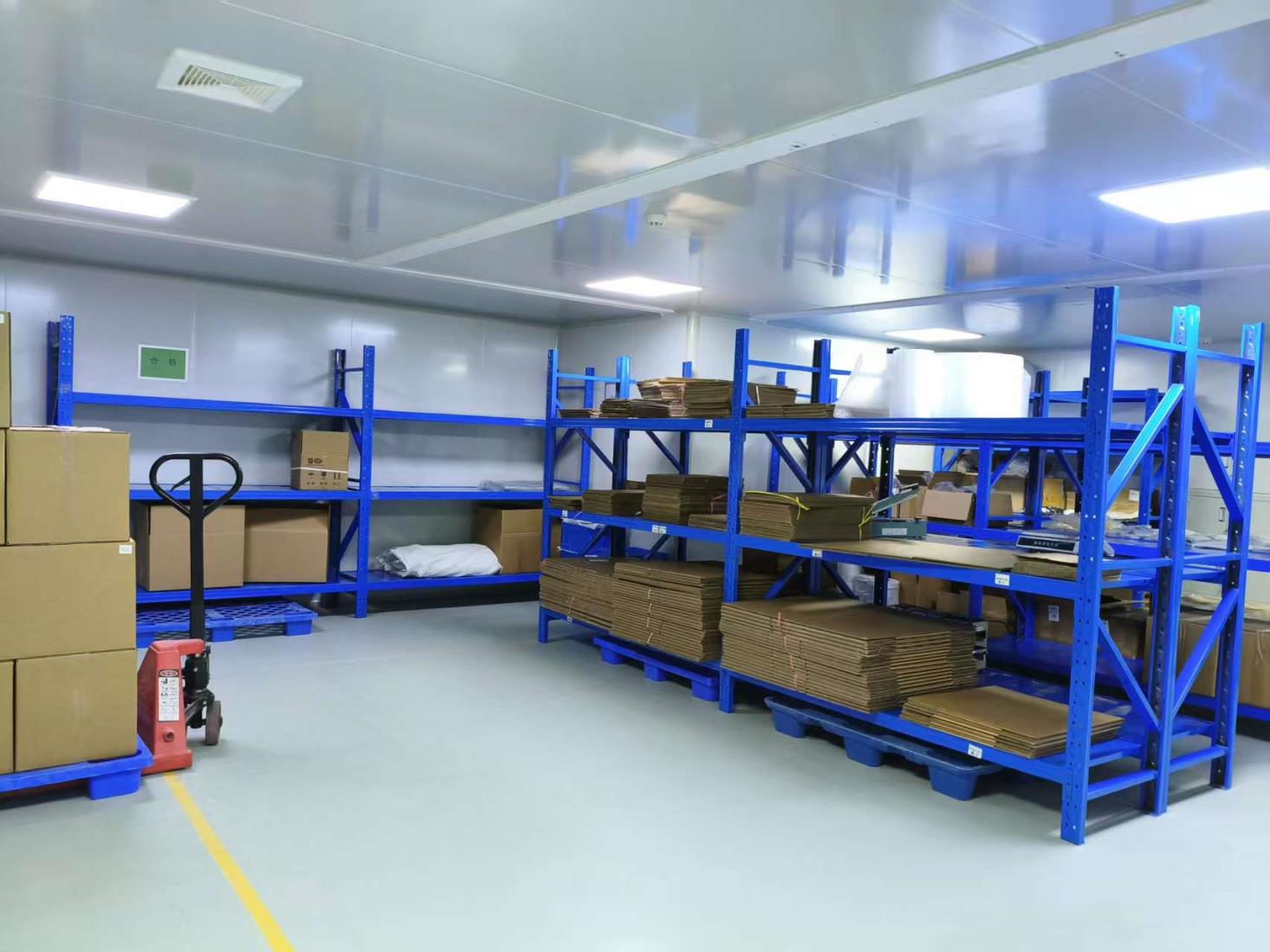 STAGE 01
Raw Material Quarantine
Organoleptic, macroscopic, and HPTLC botanical verification against pharmacopeial benchmarks.
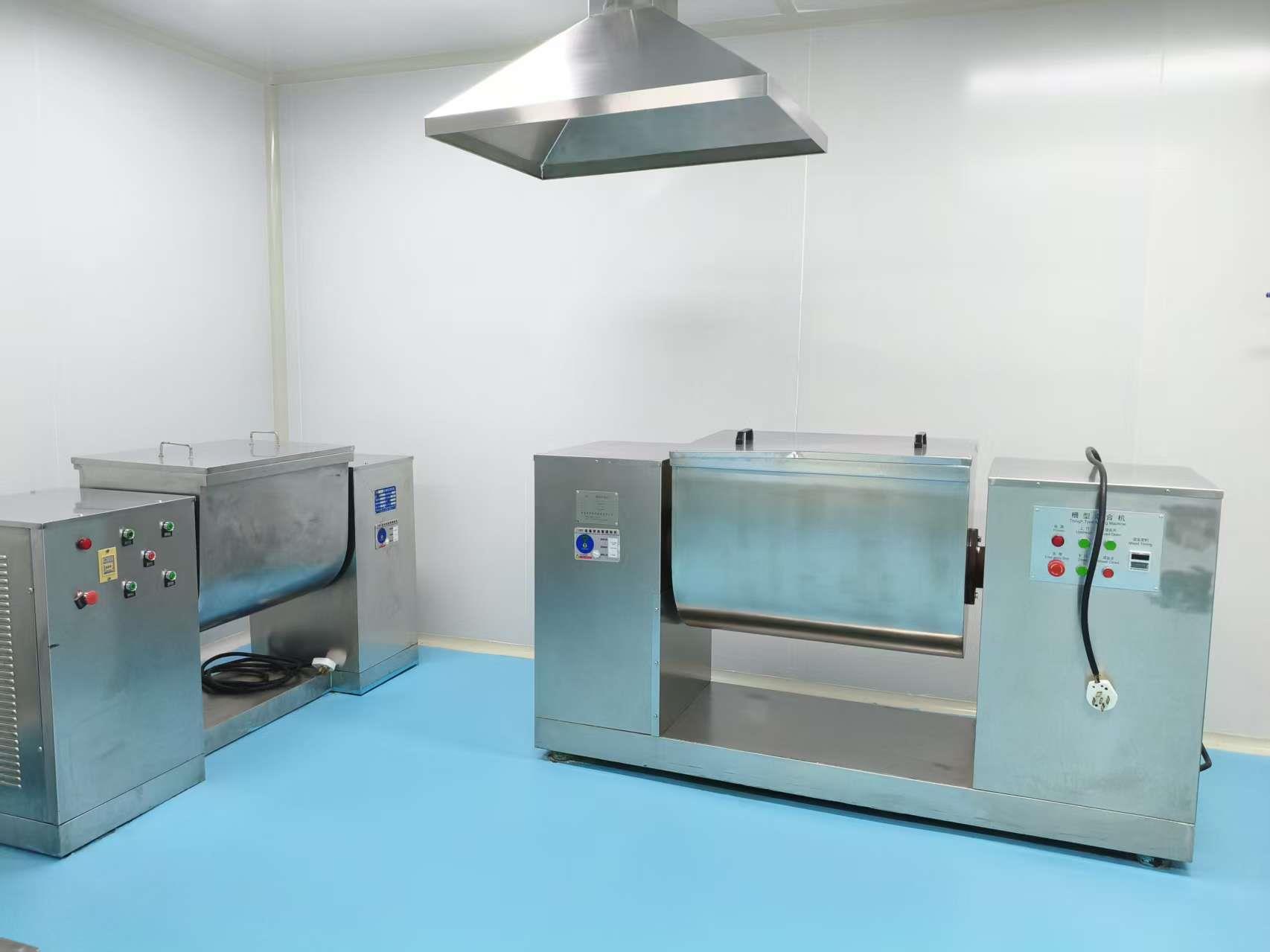 STAGE 02
Precision Micro-Blending
Tumble-diffusion mixing of bioactives with non-GMO excipients for assay uniformity.
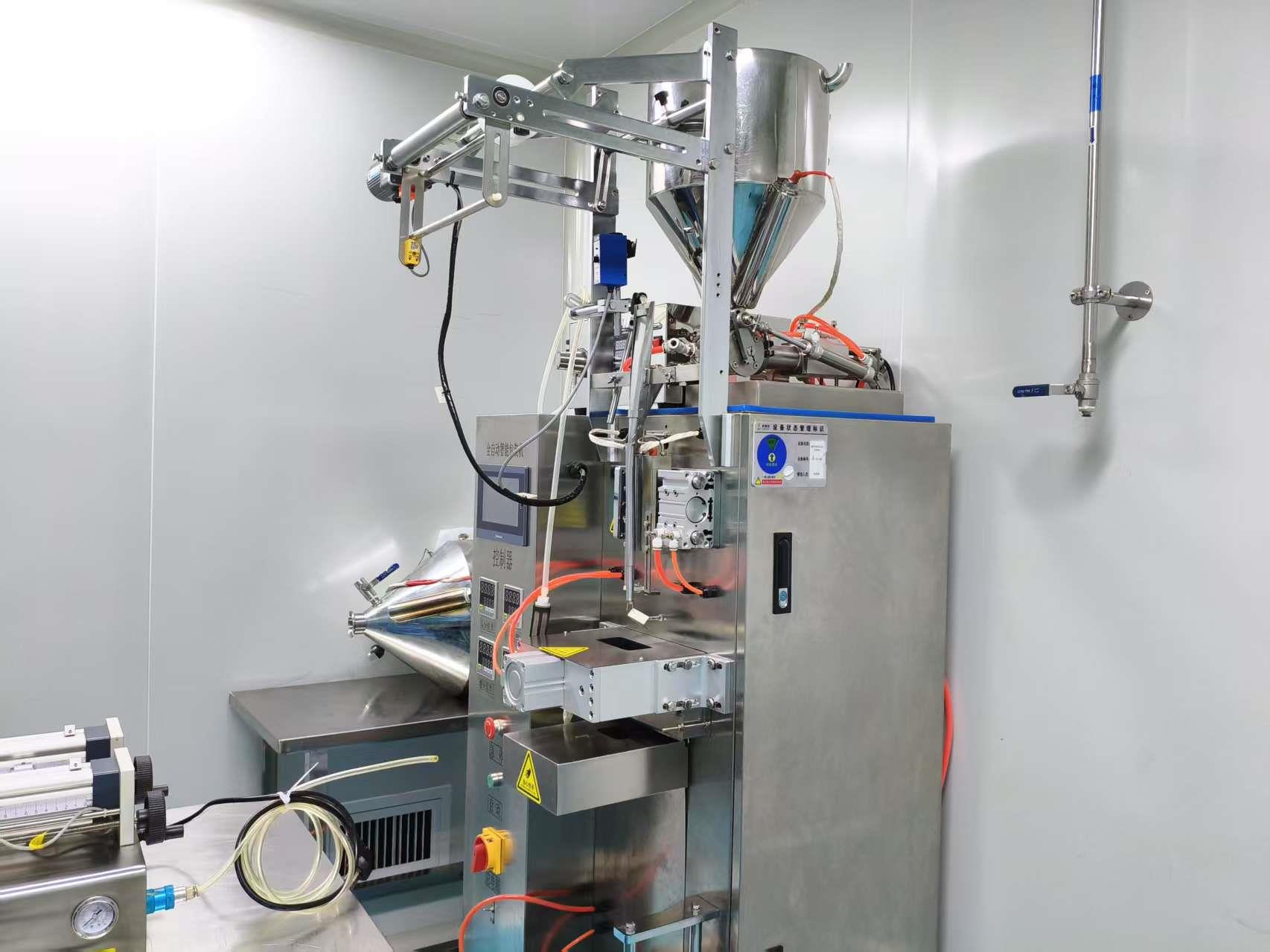 STAGE 03
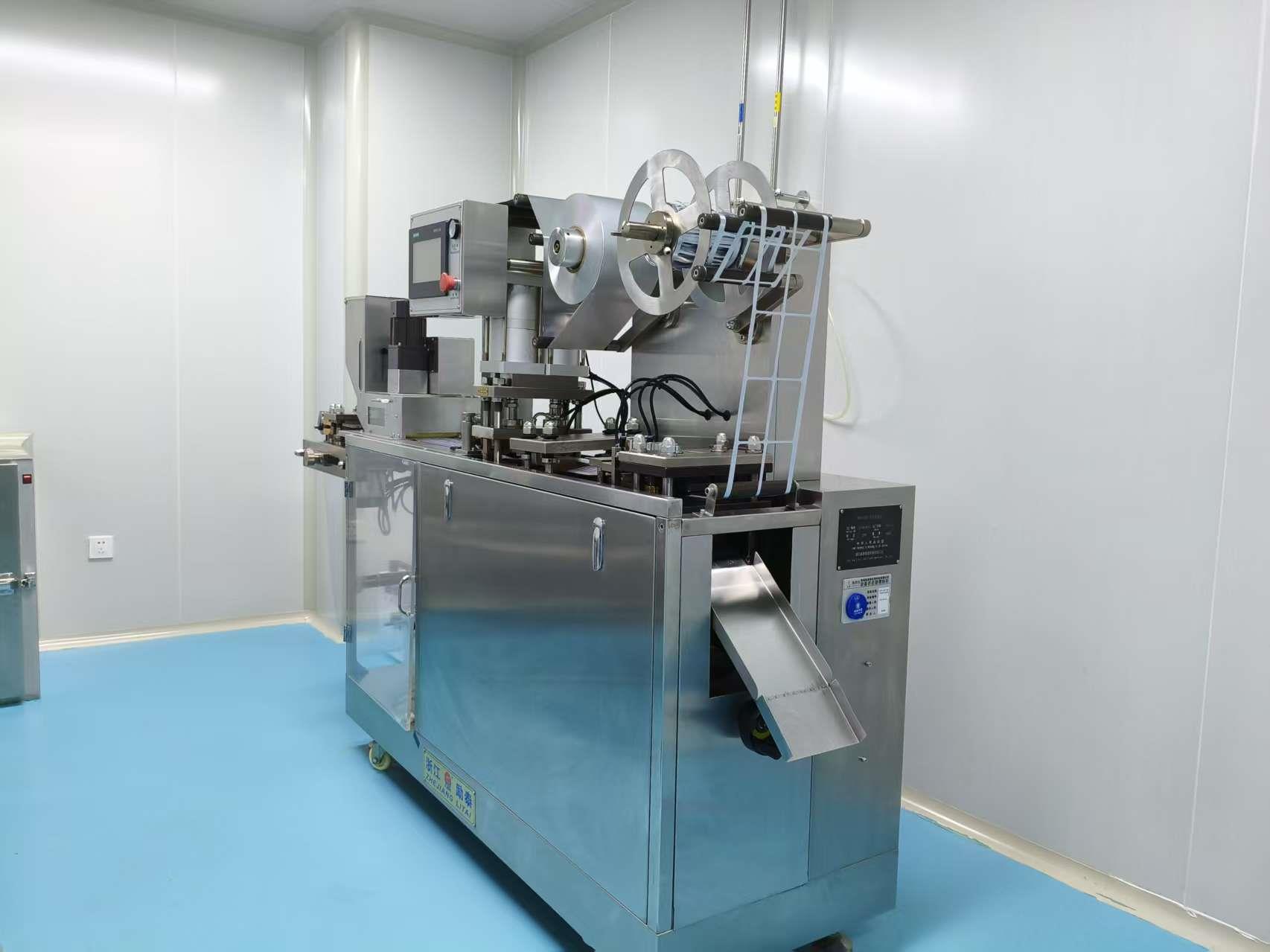
Cleanroom Encapsulation
High-speed filling into preservative-free vegetable HPMC or clean-label gelatin shells.
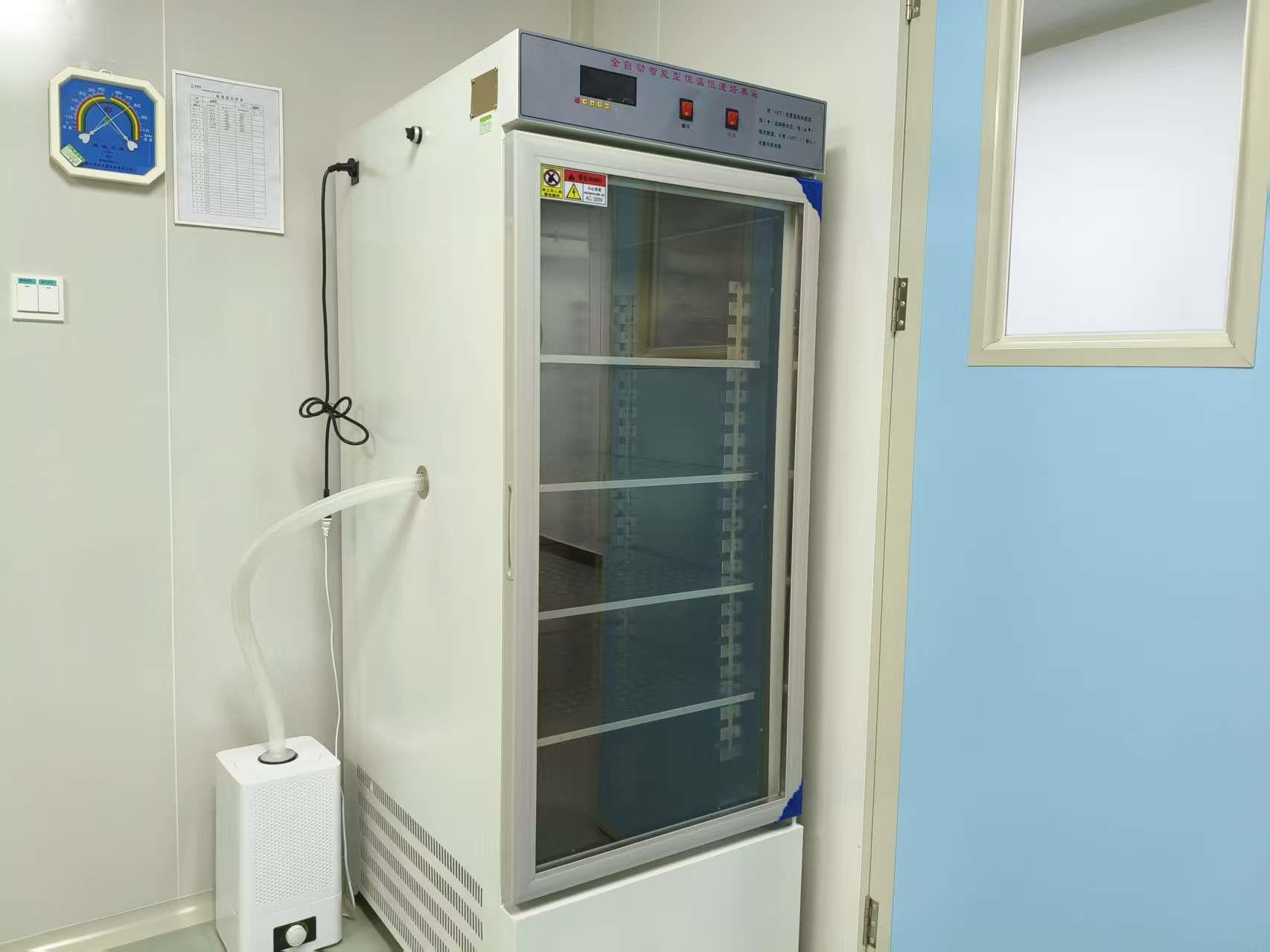 STAGE 04
Analytical Release Testing
Full-panel validation: total aerobic counts, yeasts/molds, and heavy metals screening.
 STAGE 05
Export Packaging
Moisture-barrier secondary containment, tamper-evident seals, and cold-chain readiness.
On-Site Verified Audit Integrity
Our manufacturing site undergoes annual on-site verification audits conducted by independent registrar TÜV Rheinland. Facility infrastructure conforms to NSF 455-2 GMP, ISO 22000, and HACCP parameters, meeting international supply requirements for US, EU, and Australasian retailers.
Flexible Low-Barrier Formulations
Recognizing the dynamic lifecycle of wellness brands, ESNO provides optimized low-MOQ contract runs starting at 100 to 500 bottles for proven master formulations. For custom turnkey formulas, our R&D team executes pilot batch bench tests within 5 to 7 business days.
Complete Regulatory Documentation
Every commercial export is accompanied by a batch-specific Certificate of Analysis (COA), allergen status documentation, non-BSE/TSE statements, manufacturing batch records, stability records, and packaging line inspection reports to guarantee frictionless customs clearance.
Procurement Knowledge Base
Frequently Asked Questions for B2B Importers
Critical technical, regulatory, and supply chain insights to streamline your vendor evaluation process.
How does ESNO Biotech guarantee the authenticity and potency of standardized botanical extracts?
Every inbound botanical lot undergoes orthogonal verification. Botanical identity is authenticated via HPTLC (High-Performance Thin-Layer Chromatography) against authenticated reference standards to preclude species substitution. Active phytonutrients—such as fulvic acid, apigenin, theanine, and withanolides—are quantified using validated HPLC, UV-Vis, or GC-MS methodologies. A dual-tier testing protocol ensures testing both post-extraction and post-encapsulation, with each shipment accompanied by a verifiable Certificate of Analysis (COA).
What are the standard Minimum Order Quantities (MOQs) for private label capsules and extracts?
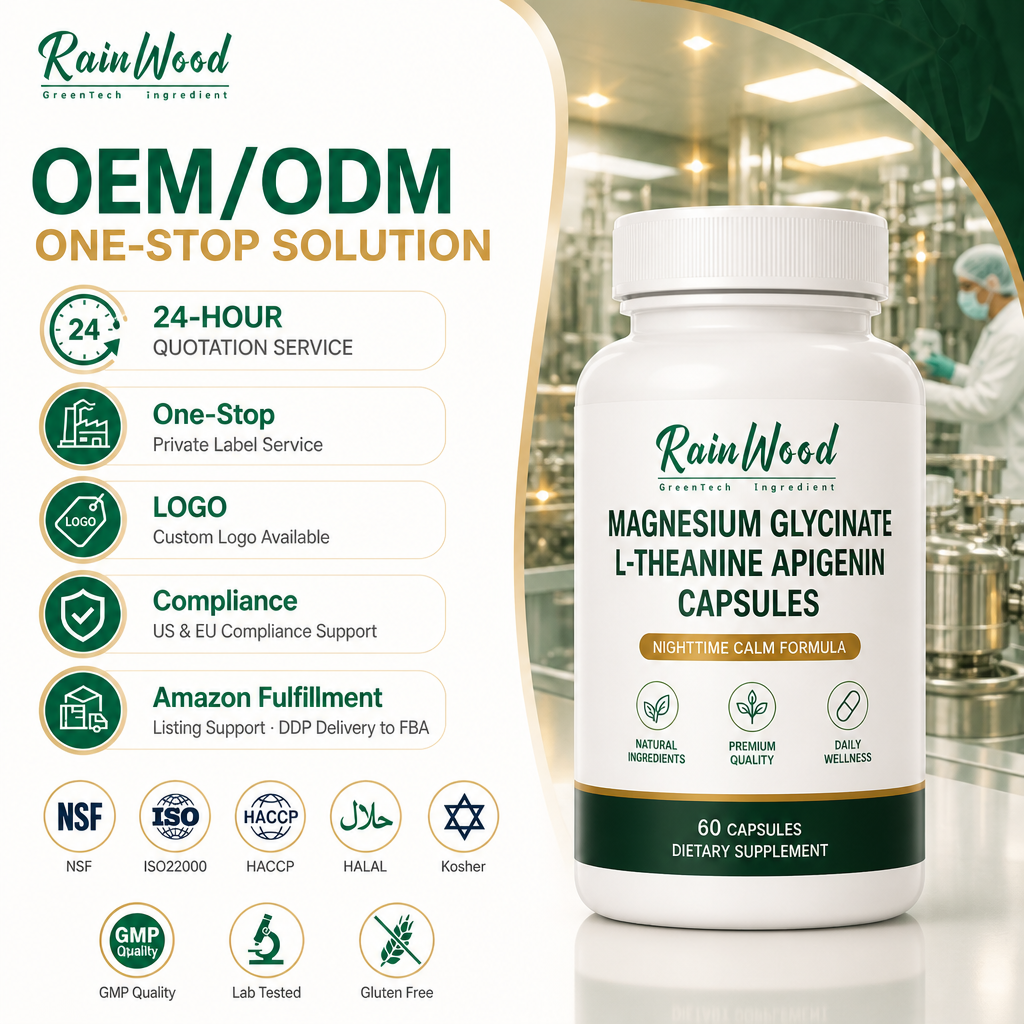
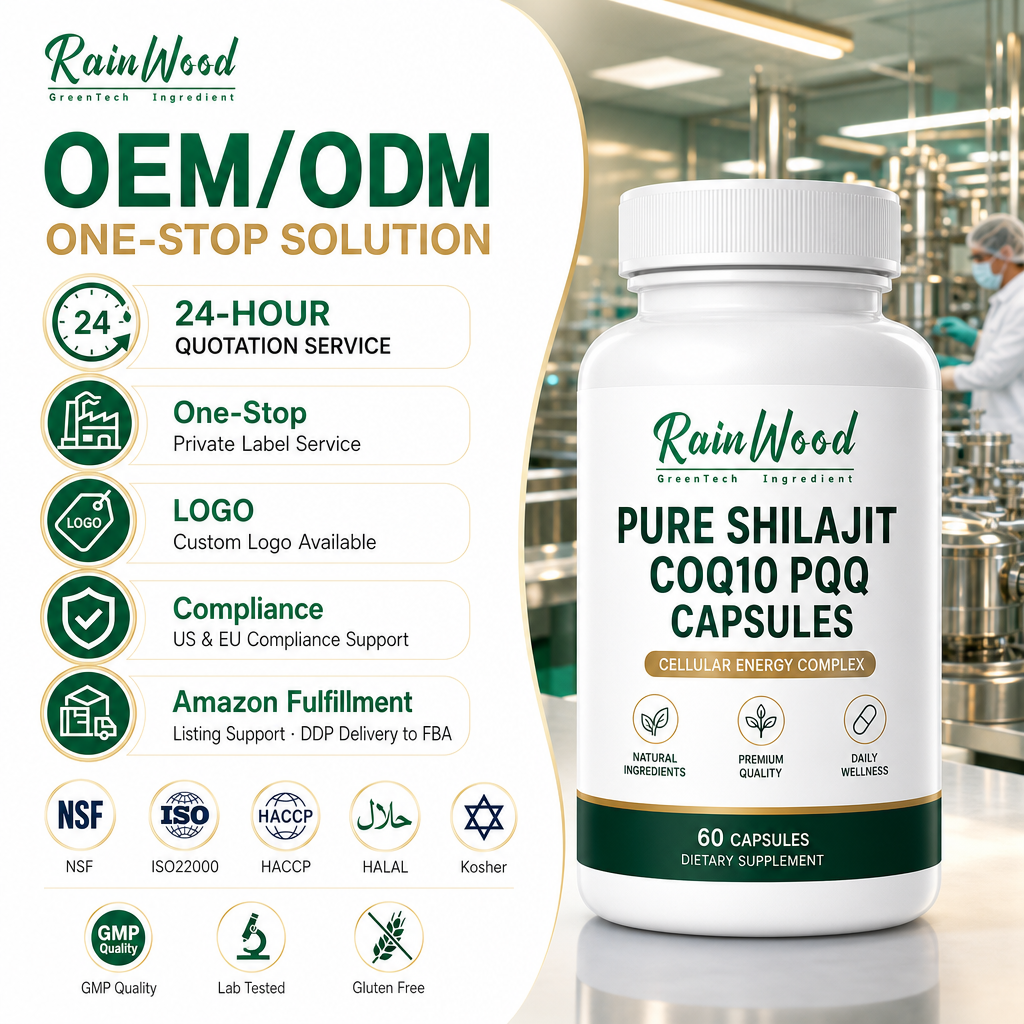
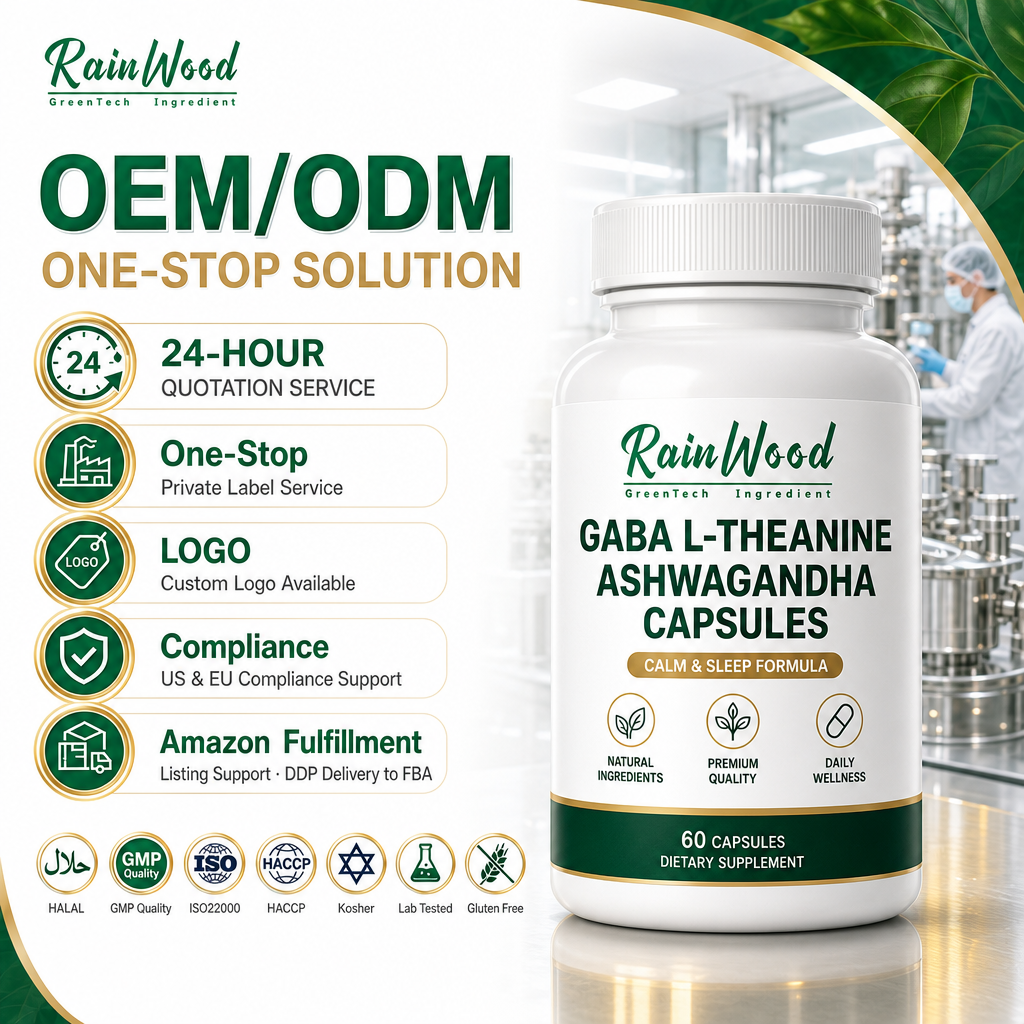
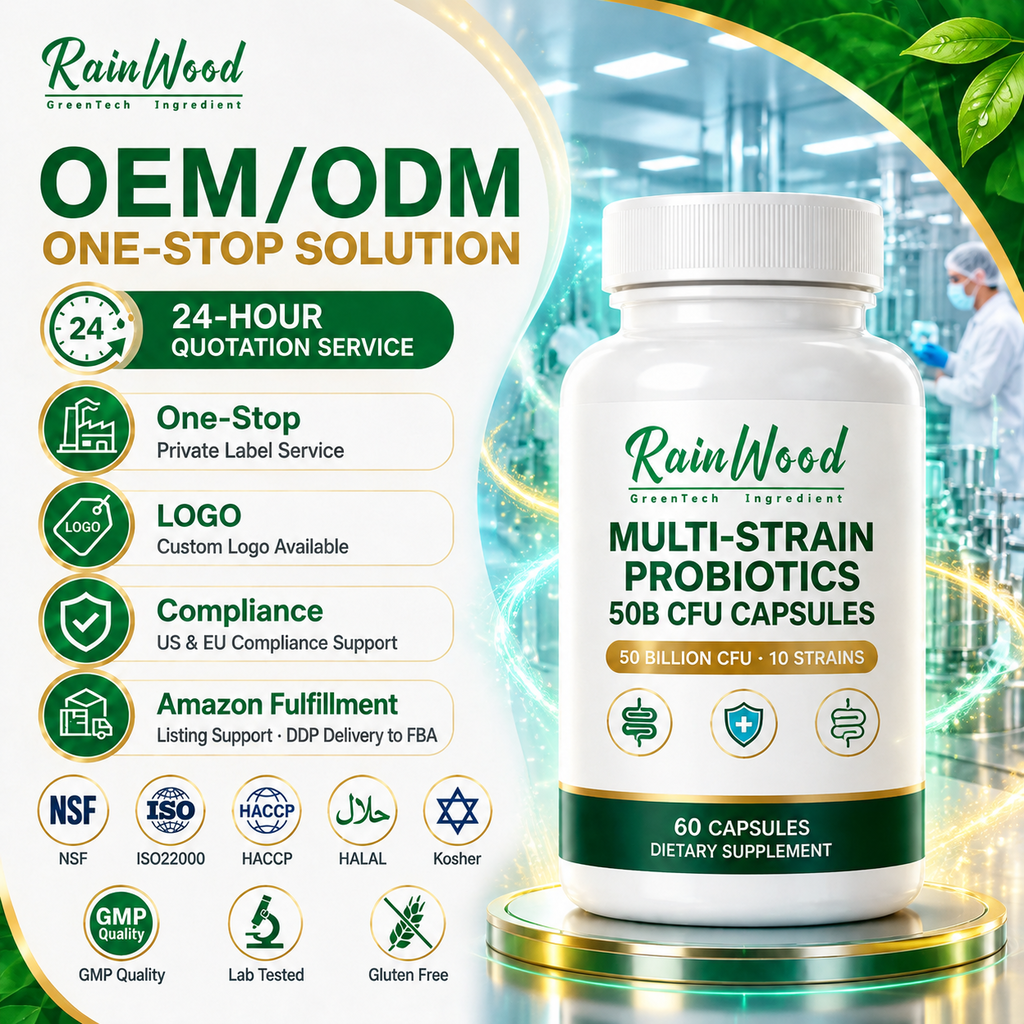
For stock proprietary formulations (e.g., Magnesium Glycinate/L-Theanine/Apigenin, Shilajit-CoQ10-PQQ, or Multi-Strain Probiotics), private label MOQs start as low as 100 to 500 finished bottles (60 capsules/bottle) with branded label application. Bespoke, novel formulations requiring tailored blending, proprietary raw ingredient sourcing, or custom color vegetarian capsules typically scale from 1,000 to 3,000 units depending on active ingredient economics.
What manufacturing, food safety, and export credentials does your production line hold?
Our production operations are audited and certified under NSF 455-2 GMP (Dietary Supplements), ISO 22000 (Food Safety Management Systems), and HACCP standards. Furthermore, our facilities and export compliance processes have been verified on-site by TÜV Rheinland. We strictly implement clean-in-place (CIP) controls, validated allergen segregation systems, and class 100,000 cleanroom HVAC filtration.
What documentation and compliance dossiers are provided for international customs release?
To eliminate border delays and clearance bottlenecks, every export shipment includes a complete documentation pack: comprehensive COA detailing assay potency, heavy metals (ICP-MS), residual solvents (USP <467>), pesticide screening (USP <561>), and micro-biological limits (USP <2021/2022>). Additionally, we provide GMP declarations, Certificates of Origin, TSE/BSE-free statements, Non-GMO certificates, allergen matrices, and packaging compatibility dossiers.
Can ESNO formulate custom herbal complexes that comply with Amazon and US FDA guidelines?
Yes. Our in-house technical formulation division specializes in tailoring supplement facts panels, active dosages, and ingredient portfolios that comply with FDA 21 CFR 101.36 and the Amazon Dietary Supplement Policy. We assist brand owners through third-party lab qualification (ISO/IEC 17025 accredited partners), certificate validation, label claims substantiation, and packaging structural design.
Initiate Your Standardized Botanical Project Today
Connect directly with our senior formulations and procurement engineering team to review raw material specifications, request pilot sample runs, or optimize your existing production supply chains.