Featured Botanical & Mineral Finished Formulations
Precision-engineered delivery formats formulated under NSF 455-2 GMP conditions with verified active marker stability, superior dissolution kinetics, and complete batch analytical release.
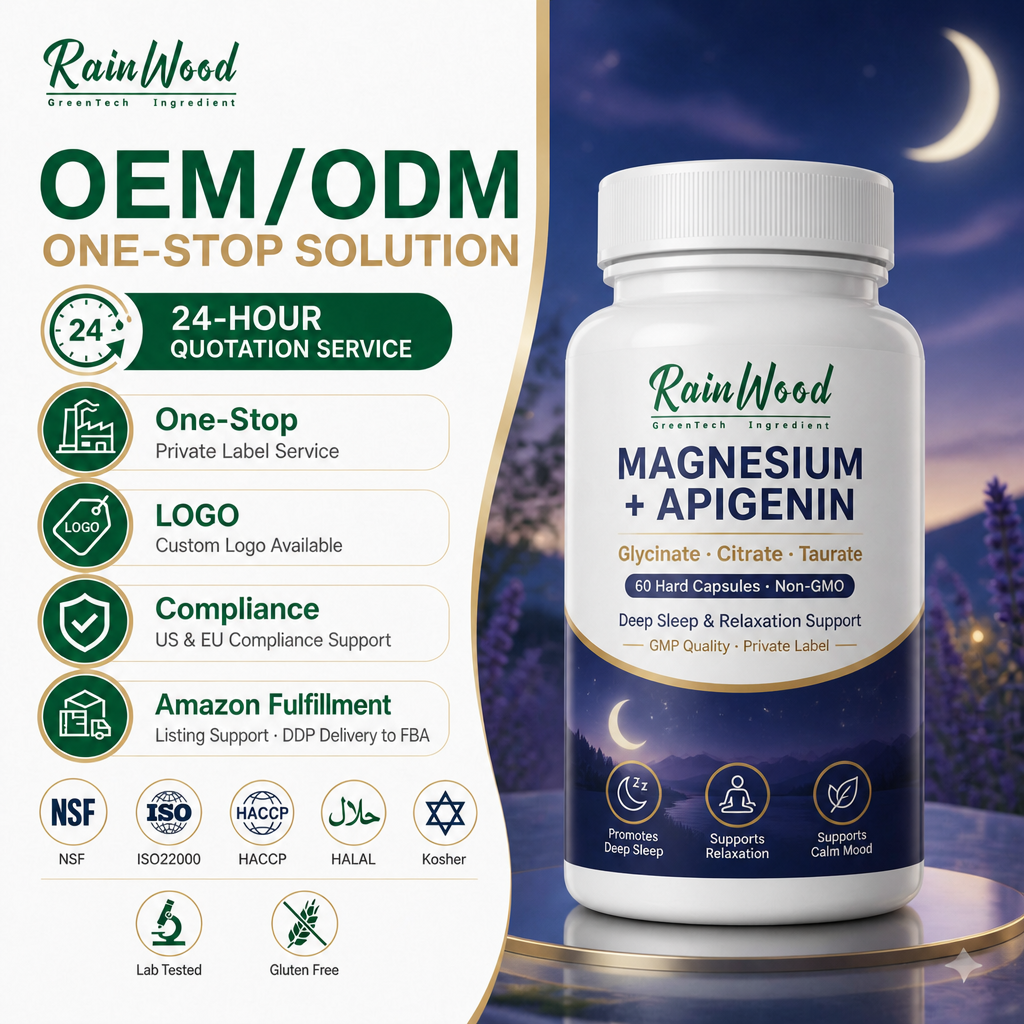
GMP Pure Magnesium Glycinate Citrate Taurate Apigenin Hard Capsules 60 Count OEM Private Label Sleep Supplement
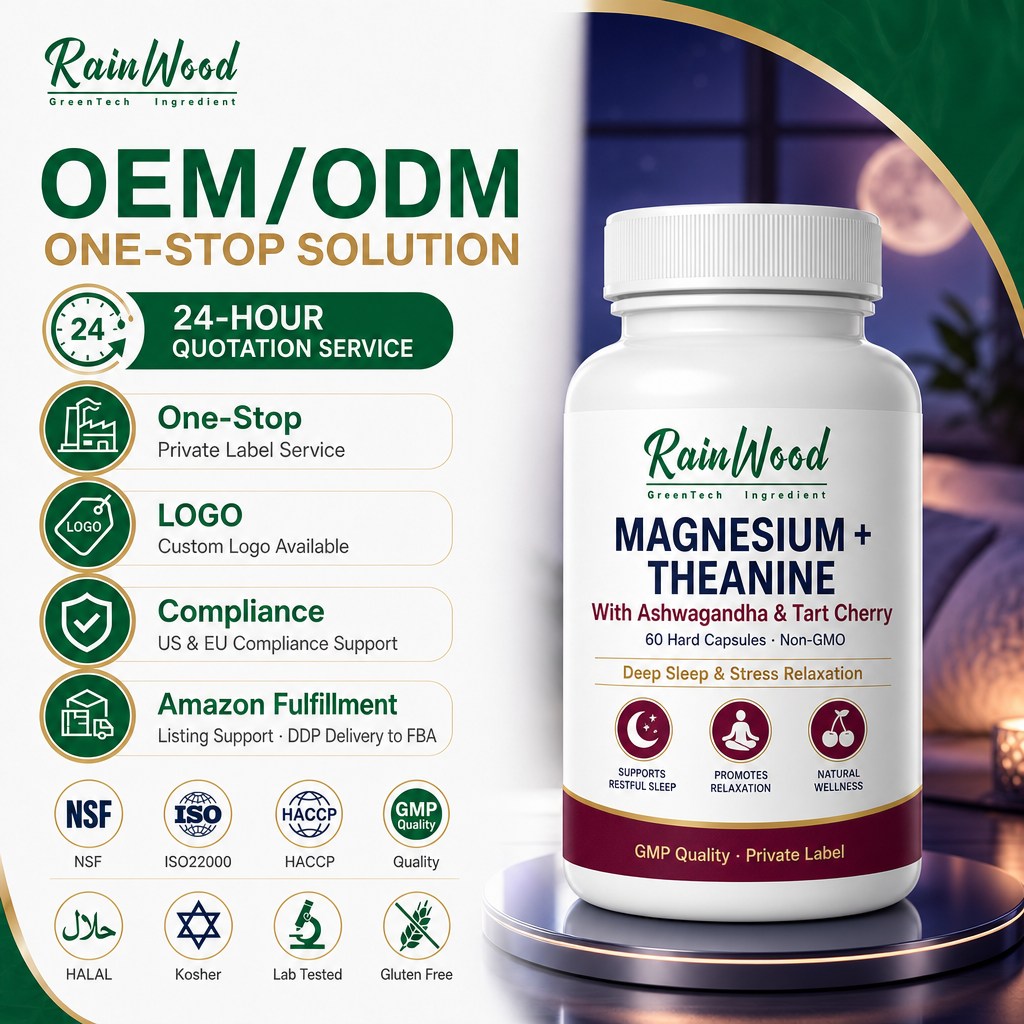
GMP Pure Magnesium Glycinate L-Theanine Ashwagandha Tart Cherry Hard Capsules 60 Count OEM Private Label Box
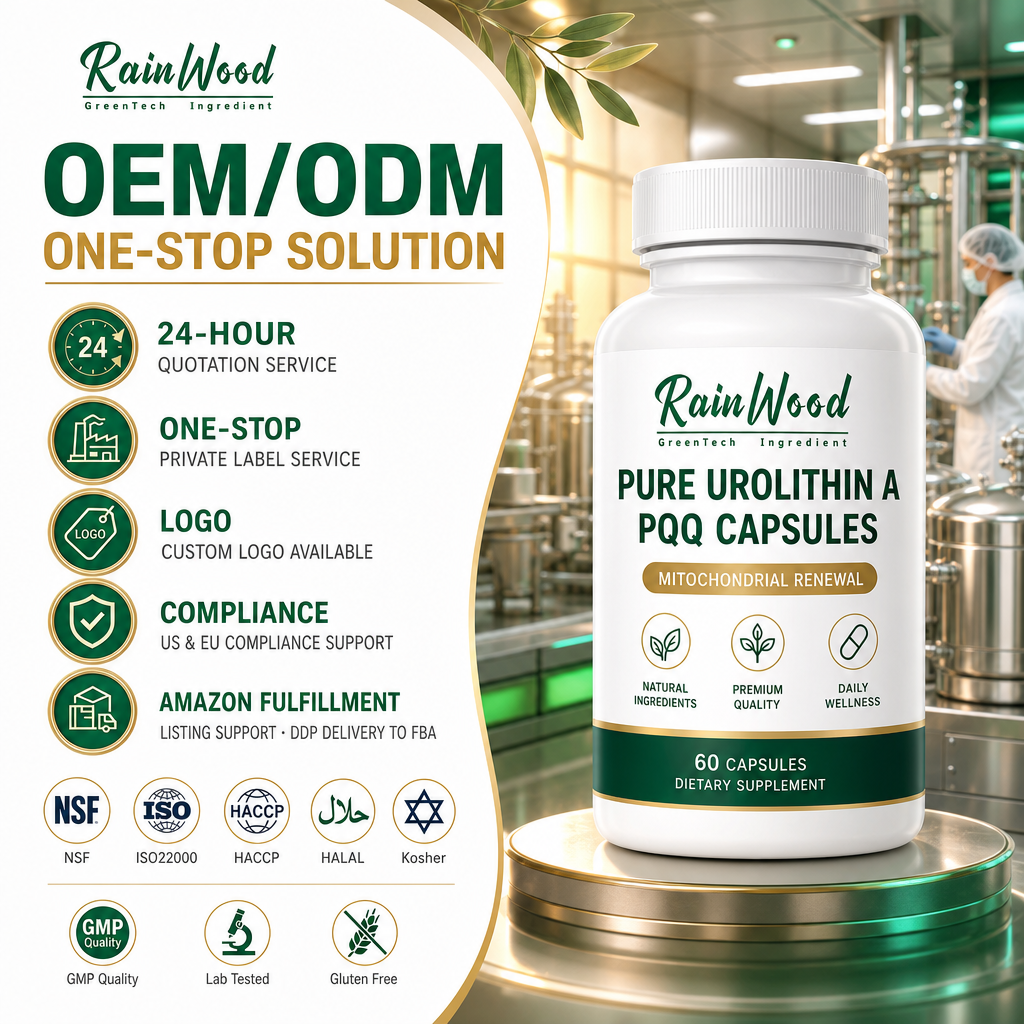
GMP Pure Urolithin a PQQ Complex Hard Capsules 60 Count OEM Custom Private Label Dietary Supplement Box
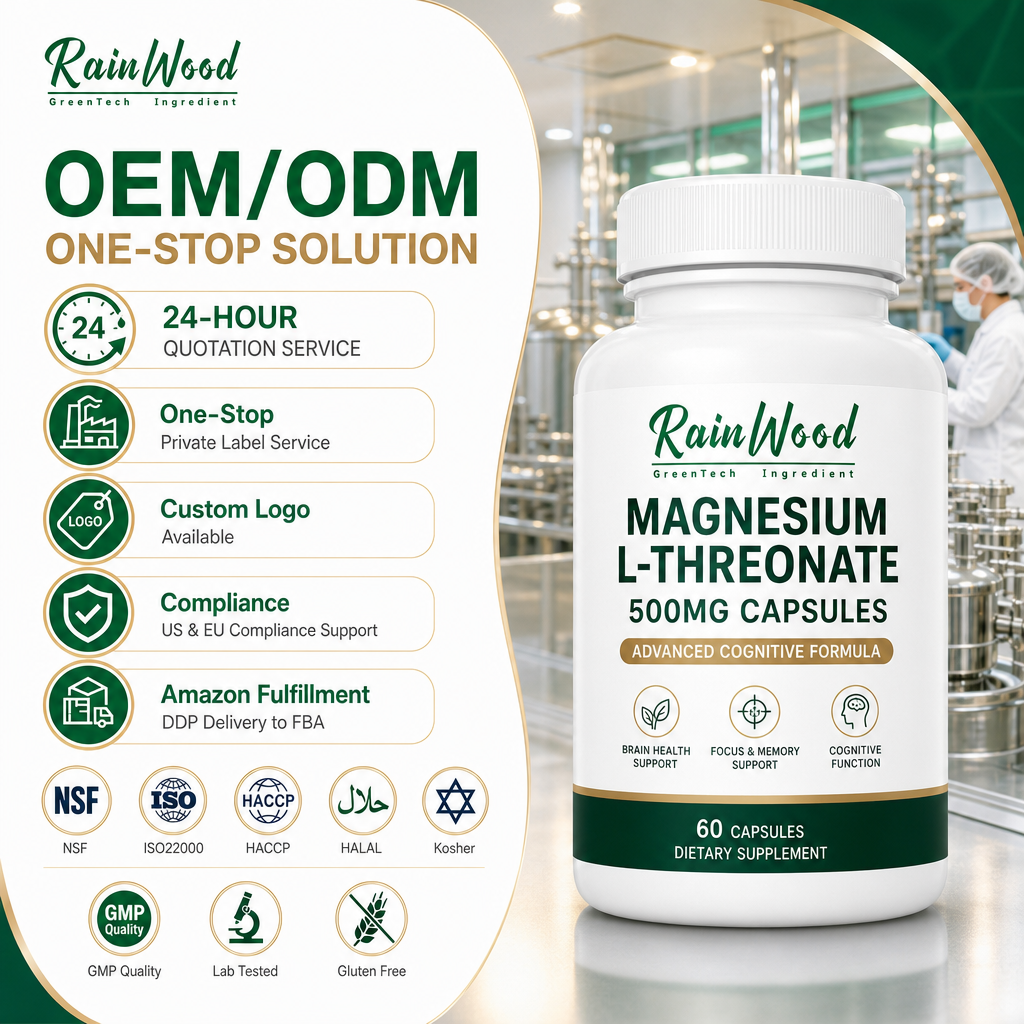
GMP Magnesium L-Threonate Magtein Grade 500mg Hard Capsules 60 Count OEM Private Label Brain Health Supplement
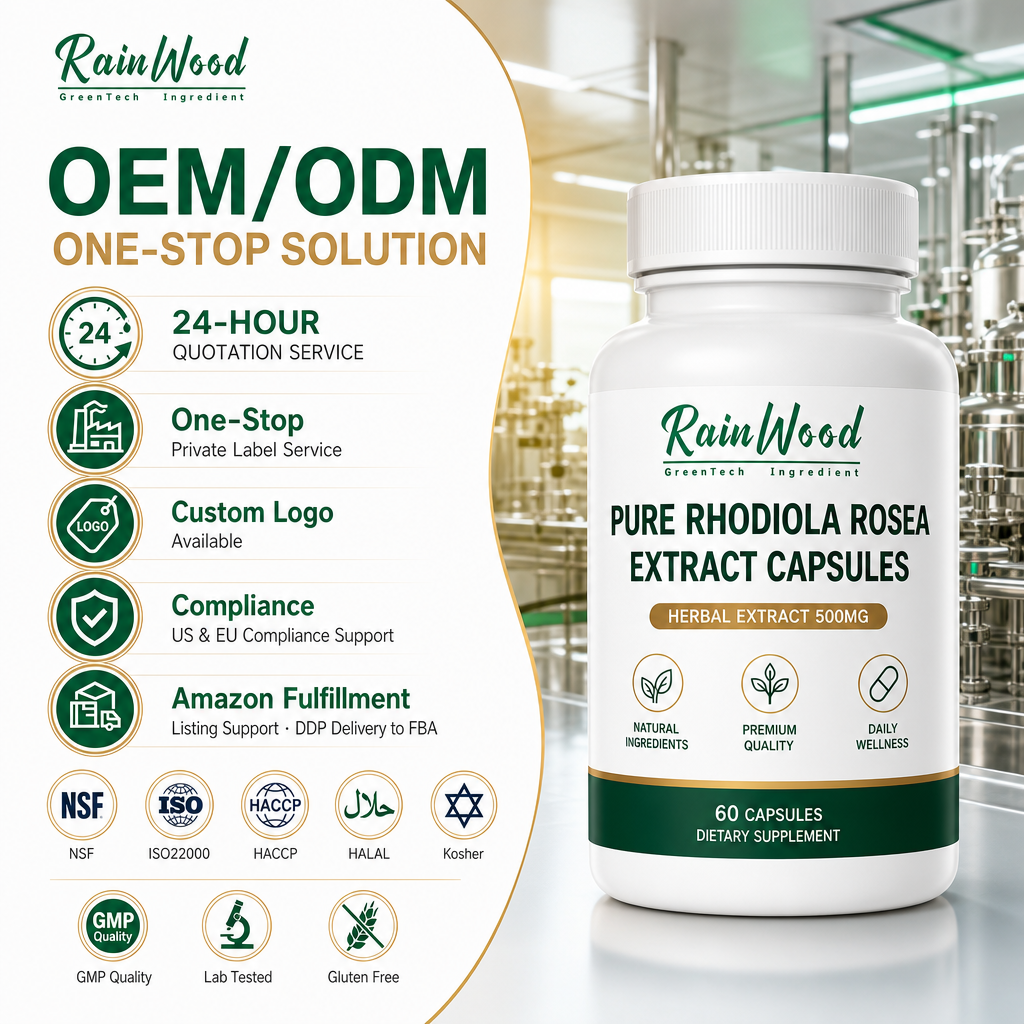
GMP Pure Rhodiola Rosea Extract 500mg Hard Capsules 60 Count OEM Custom Private Label Dietary Supplement Box
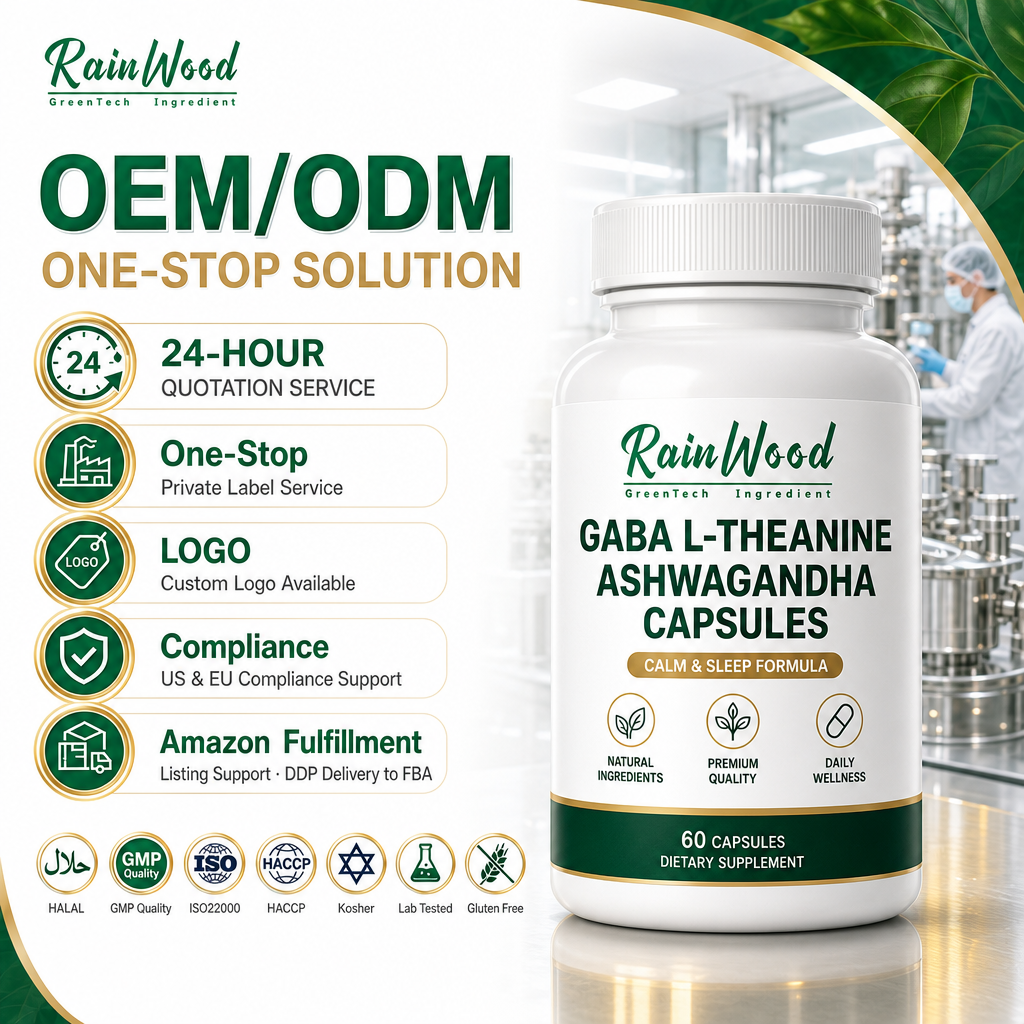
GMP Pure Gamma Aminobutyric Acid GABA 500mg Hard Capsules 60 Count OEM Private Label Sleep Dietary Supplement
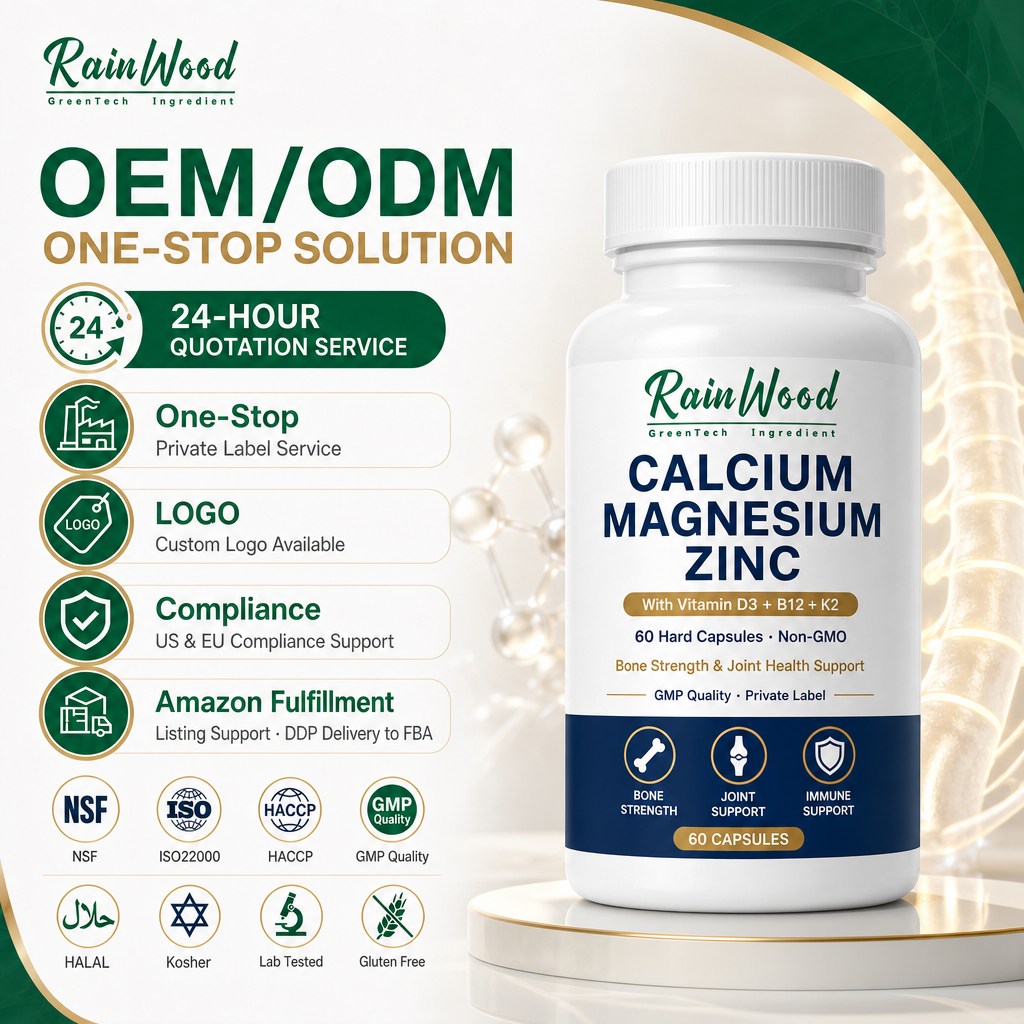
GMP Pure Calcium Magnesium Zinc Vitamin D3 B12 K2 Hard Capsules 60 Count OEM Private Label Bone Supplement
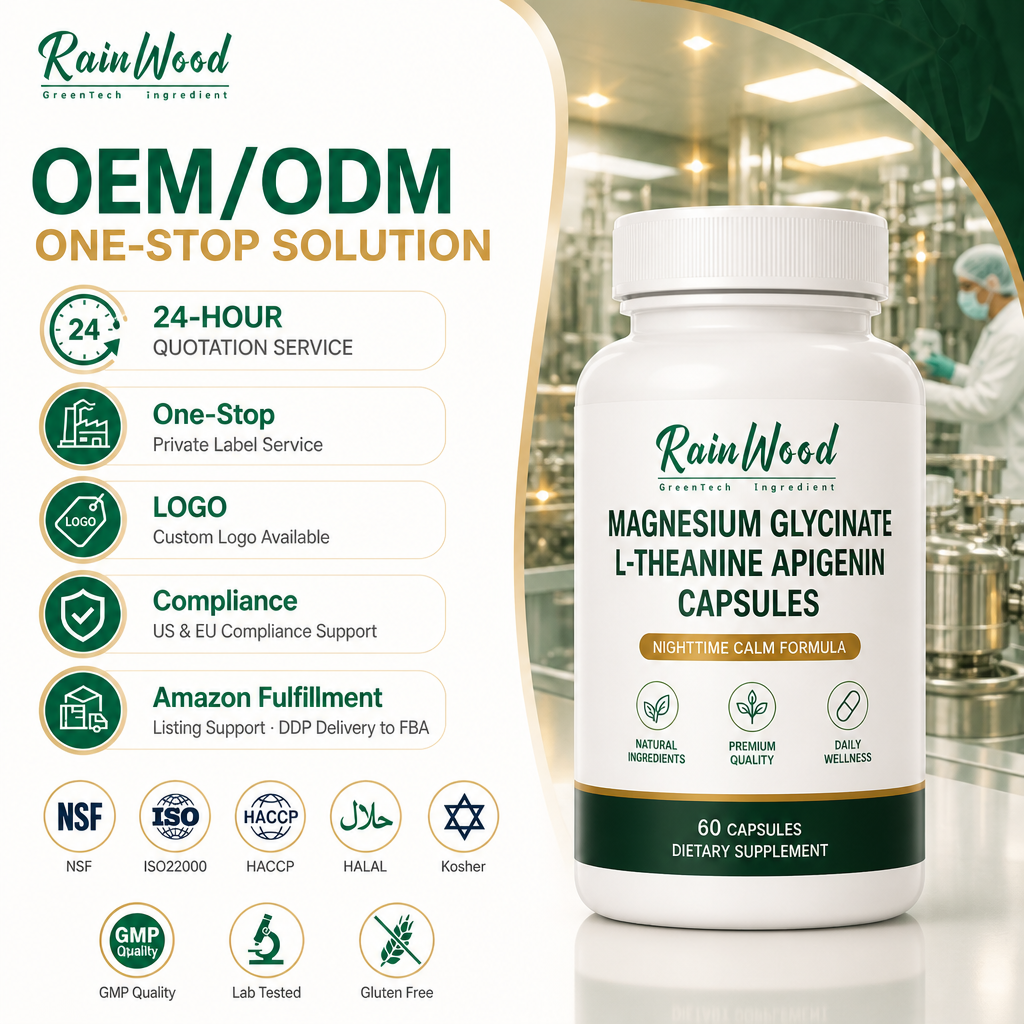
GMP Magnesium Glycinate L-Theanine Apigenin Hard Capsules 60 Count OEM Custom Private Label Dietary Supplement
Enterprise Extraction Capability & Quality Architecture
Headquartered in Xi'an, adjacent to the Qinling Mountains' ecological bio-corridor, Shaanxi ESNO Biotech Co., Ltd. combines geographic botanical abundance with pharmaceutical-grade cGMP processing pipelines.
NSF 455-2 & ISO 22000 Audited
Our manufacturing lines operate strictly under verified NSF 455-2 GMP, ISO 22000, and HACCP systemic protocols. Independent on-site audits conducted by TÜV Rheinland validate our batch reconciliation, environmental air monitoring, and contamination barriers.
Cleanroom Class D (ISO 8)Advanced Phytochemical Testing
Every commercial batch undergoes multi-stage chromatographic verification. Our in-house QC laboratory deploys High-Performance Liquid Chromatography (HPLC-DAD), LC-MS/MS, GC-FID for residual volatile solvents, and ICP-MS for heavy metal quantification down to parts-per-billion.
USP <232> & <233> ValidatedHigh-Yield Continuous Extraction
Deploying automated countercurrent extraction systems, vacuum low-temperature multi-effect evaporators, and spray drying atomizers equipped with sterile HEPA filtration, we safeguard thermo-sensitive polyphenols, alkaloids, and triterpenes from degradation.
Annual Capacity: 2,500+ MTFull Dossier Regulatory Support
Empowering cross-border importers and international dietary supplement brand owners with turn-key technical release files: comprehensive Certificate of Analysis (COA), 3-year accelerated stability documentation, non-irradiation declarations, and TSE/BSE-free statements.
US FDA DSHEA & EU CompliantMacro Phytochemical Trends & Technology Transitions (2025–2030)
A technical whitepaper overview of critical shifts reshaping the standardized botanical industry from crude plant ratios toward target-calibrated molecular integrity.
Transition: Crude Ratios to Clinically Quantified Markers
The global nutraceutical industry is rapidly phasing out generic "10:1" and "20:1" botanical extracts in favor of analytically verified, single or multiple active phytochemical markers. Traditional extraction ratios frequently obfuscate native biological efficacy due to variations in biomass harvest periods and extraction efficiency. Current clinical frameworks mandate high-potency standardized markers—such as Withanolides ≥5.0% via HPLC in Ashwagandha or Total Rosavins ≥3.0% / Salidrosides ≥1.0% in Rhodiola rosea. Standardized marker profiling ensures that brand owners deliver reproducible clinical outcomes and satisfy stringent regulatory scrutiny from the US FDA, Health Canada, and EFSA.
HPLC/UPLC Fingerprint AuthenticatedBio-Solubility & Cellular Permeation Engineering
Hydrophobic phytochemicals, including Apigenin, Curcuminoids, and Urolithin A, suffer natively from poor aqueous solubility, extensive phase-II intestinal glucuronidation, and low enterocyte absorption. Advanced contract manufacturing now integrates biophysical delivery matrices such as phospholipid phytosomal complexation, natural self-emulsifying drug delivery systems (SEDDS), and micronization. By reducing active ingredient particle sizes down to D90 < 10 microns and encapsulating hydrophobic aglycones in biomimetic lipid carriers, cellular uptake across the gastrointestinal epithelial monolayer increases up to 4.5-fold, enabling lower therapeutic doses without sacrificing potency.
Sub-Micronized BioavailabilityEco-Friendly Extraction & Green Solvent Chemistry
Stricter global chemical limits governing toxic solvent residues have accelerated the industry's departure from chlorinated hydrocarbons (such as dichloromethane and chloroform). ESNO Biotech leads the green extraction evolution by exclusively deploying Class 3 pharmacopeial solvents—predominantly water and non-denatured agricultural ethanol—supplemented by subcritical water fractionation and Supercritical CO2 extraction. This approach guarantees zero detectable harmful solvent residues, satisfies stringent EU Regulation (EC) 396/2005 on contaminant limits, and aligns brand positioning with sustainable, organic-compliant consumer expectations.
USP <467> Residual Solvents Class 3Future Procurement Trends & Supply Chain Risk Mitigation
Actionable criteria for procurement directors, product developers, and quality assurance leaders qualifying botanical ingredient supply chains.
DNA Barcoding & Species Adulteration Defense
Botanical economic adulteration remains an acute vulnerability within international supply corridors. Procuring raw botanical extracts strictly requires molecular verification beyond standard photometric assays. Routine quality assurance protocols at ESNO Biotech incorporate DNA Sanger sequencing and High-Performance Thin-Layer Chromatography (HPTLC) fingerprinting to authenticate species identity (e.g., verifying true Rhodiola rosea against adulteration with Rhodiola crenulata, or authentic Polygonum cuspidatum). Securing molecular species authentication mitigates product recall liabilities and bolsters retailer and FDA compliance.
HPTLC Multi-Point AuthenticationMulti-Toxin & Trace Residue Surveillance
Regulatory authorities in North America (USP/FDA) and Europe (EFSA) have established zero-tolerance thresholds for agrochemical and environmental residues. Enterprise buyers must demand full-panel third-party testing protocols covering over 500 pesticide residues via GC-MS/MS and LC-MS/MS (USP <561>), polycyclic aromatic hydrocarbons (PAH4 including Benz[a]pyrene <10 ppb), Pyrrolizidine Alkaloids (PA), and Ethylene Oxide (ETO) residues. Our fully quarantined raw material release workflows ensure zero non-conforming lots enter primary processing.
Zero ETO & USP <561> CertifiedAgile Low-MOQ Contract Sourcing vs. Scale Supply
Modern supplement e-commerce requires high agility: new SKU testing, iterative batch sampling, and rapid replenishment cycles. Procurement models are moving away from traditional 10-metric-ton barriers toward flexible tiering. ESNO Biotech bridges this gap by offering low-MOQ pilot production runs starting at 100 to 500 finished private-label bottles, supported by scale-up infrastructure capable of outputting hundreds of thousands of units monthly without re-qualifying the production environment.
Agile Tiers: 100 to 500,000+ UnitsStandardized Extract Specification & Quality Release Matrix
A comparative overview of our internal analytical criteria for botanical actives versus conventional commercial export grades.
| Phytochemical Extract | Botanical Origin | Target Standard Marker | Primary Assay Method | Safety & Impurity Limits | Release Status |
|---|---|---|---|---|---|
| Rhodiola Rosea Extract | Rhodiola rosea L. (Root) | Rosavins ≥ 3.0%, Salidroside ≥ 1.0% | HPLC-DAD (USP/EP) | Heavy Metals < 10 ppm; PAHs < 10 ppb | ✓ Full cGMP Release |
| Ashwagandha Extract | Withania somnifera (Root) | Total Withanolides ≥ 5.0% | HPLC internal standard | Aflatoxins (B1+B2+G1+G2) < 4 ppb | ✓ Full cGMP Release |
| Chamomile / Apigenin | Matricaria chamomilla L. | Pure Apigenin ≥ 98.0% | HPLC external reference | Residual Ethanol < 0.5%; Zero ETO | ✓ Full cGMP Release |
| Urolithin A Bioactive | Microbial / Ellagitannin Bioconversion | Urolithin A ≥ 98.5% | UPLC-MS / Quantitative NMR | Individual Impurities < 0.5% | ✓ Full cGMP Release |
| Magnesium L-Threonate | Mineral Chelate Synthesized | Pure Complex ≥ 98.0% (Mg ≥ 7.2%) | Titration / ICP-OES | Lead (Pb) < 0.5 ppm; Arsenic < 0.5 ppm | ✓ Full cGMP Release |
Frequently Asked Questions for Plant Extract Buyers
Straightforward answers addressing operational minimums, testing transparency, regulatory filings, and private label customization.