Featured Food-Grade Formulations & Botanical Extract Capsules
Manufactured in strict compliance with NSF 455-2 GMP, ISO 22000, and HACCP standards. Ready for turnkey private label registration or bulk procurement across the Greater Belgrade metropolitan territory.
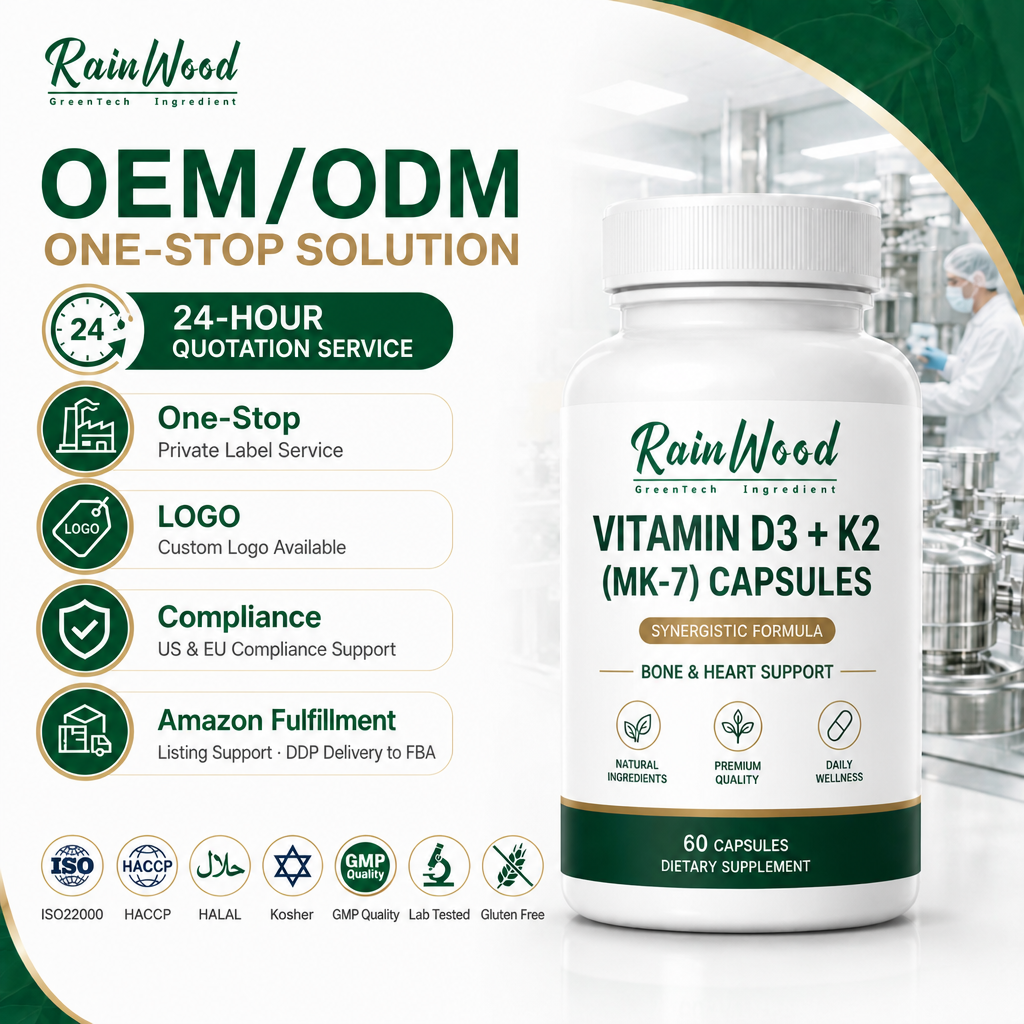
GMP Vitamin D3 K2 MK7 Synergistic Formula Hard Capsules 60 Count OEM Private Label Bone Health Supplement
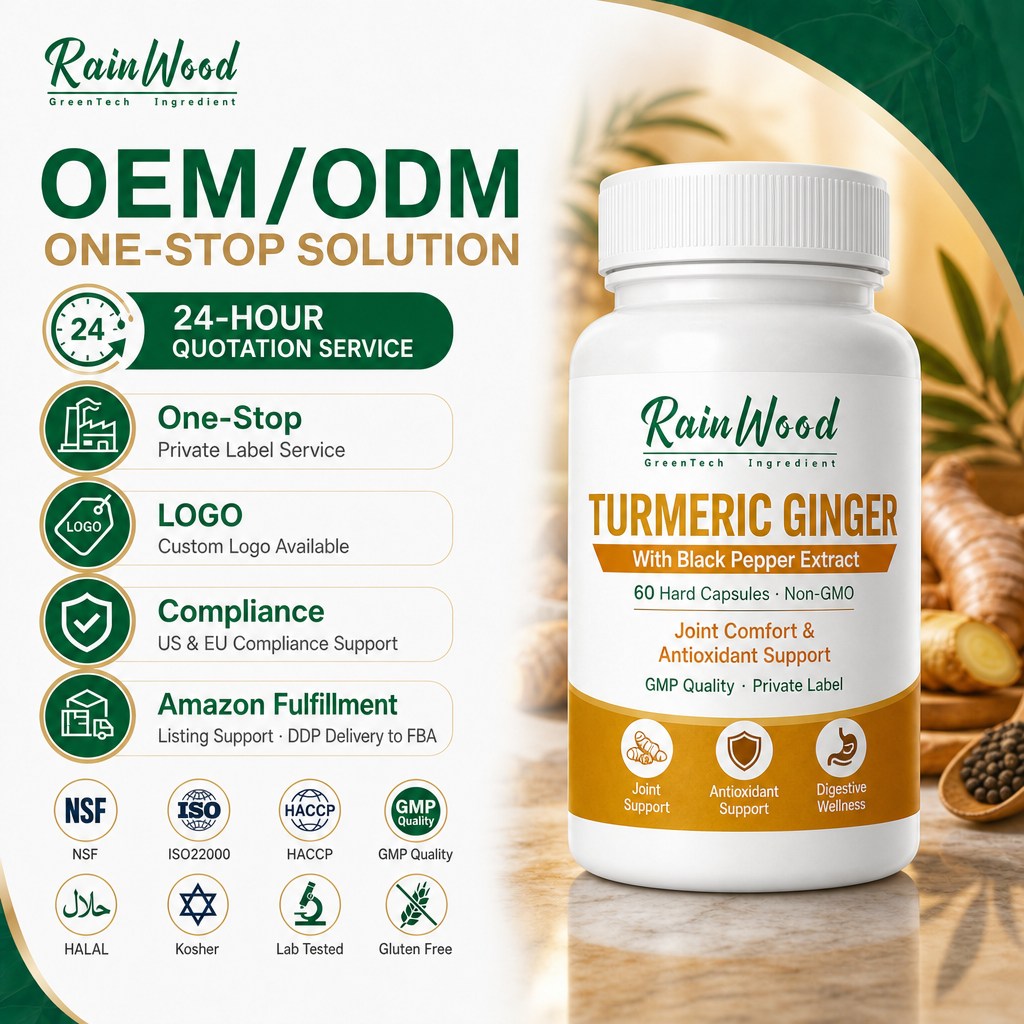
GMP Pure Turmeric Ginger Black Pepper Extract Hard Capsules 60 Count OEM Private Label Antioxidant Supplement
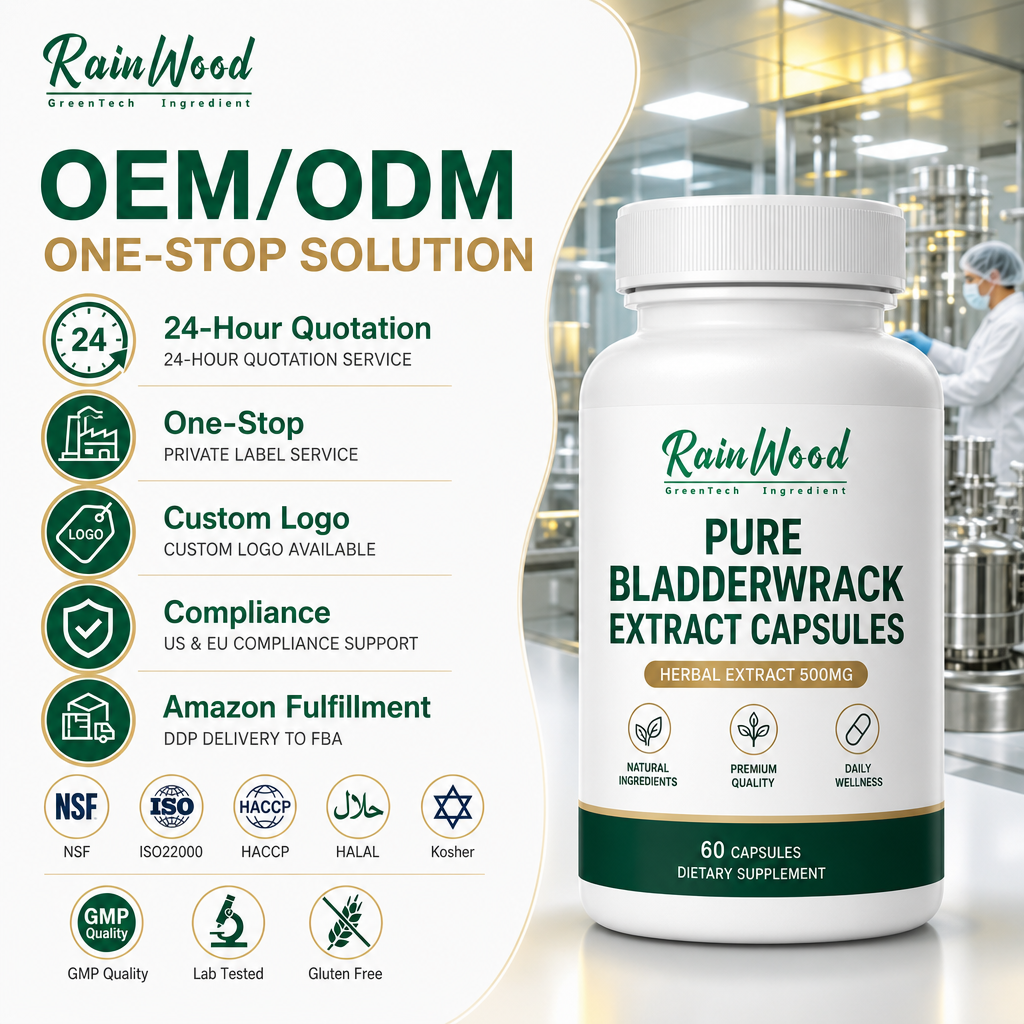
GMP Pure Bladderwrack Extract 500mg Hard Capsules 60 Count OEM Custom Private Label Dietary Supplement
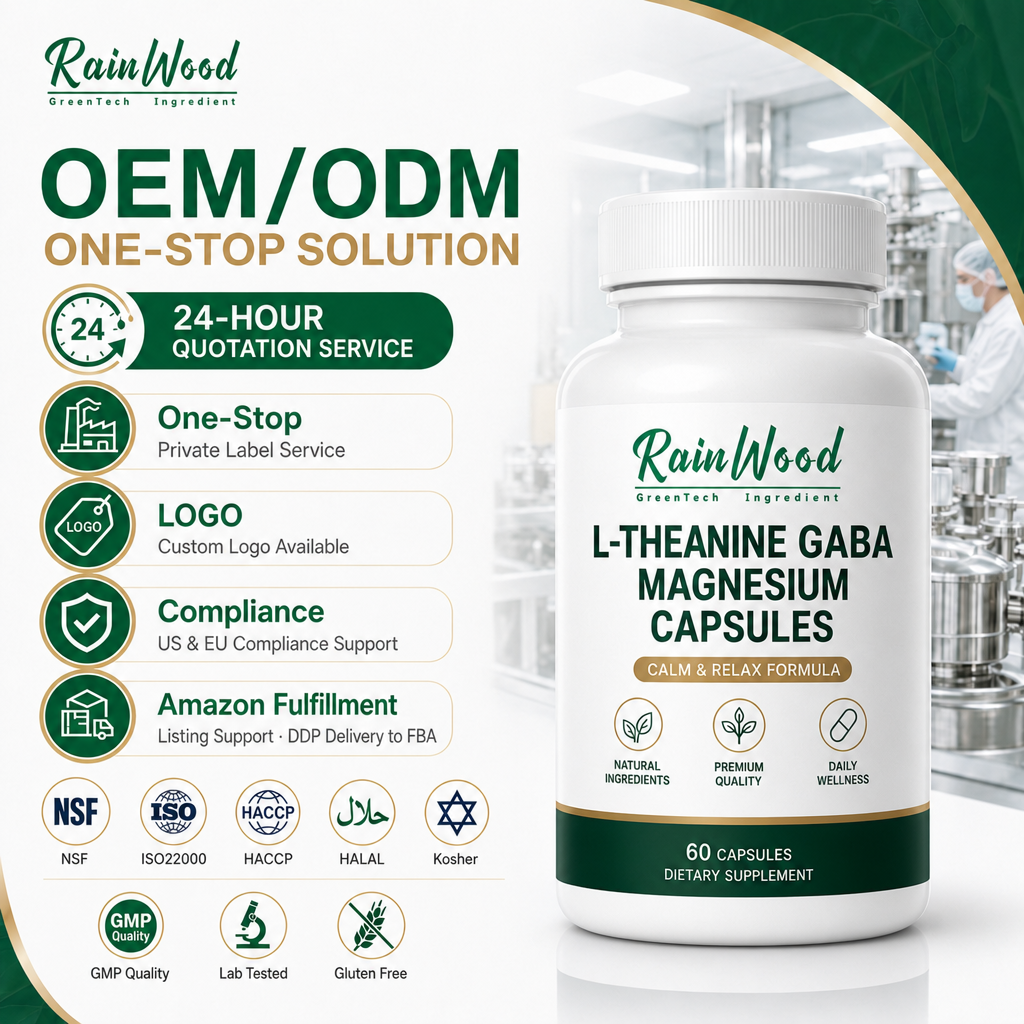
GMP Pure L-Theanine GABA Magnesium Complex Hard Capsules 60 Count OEM Private Label Dietary Supplement Box
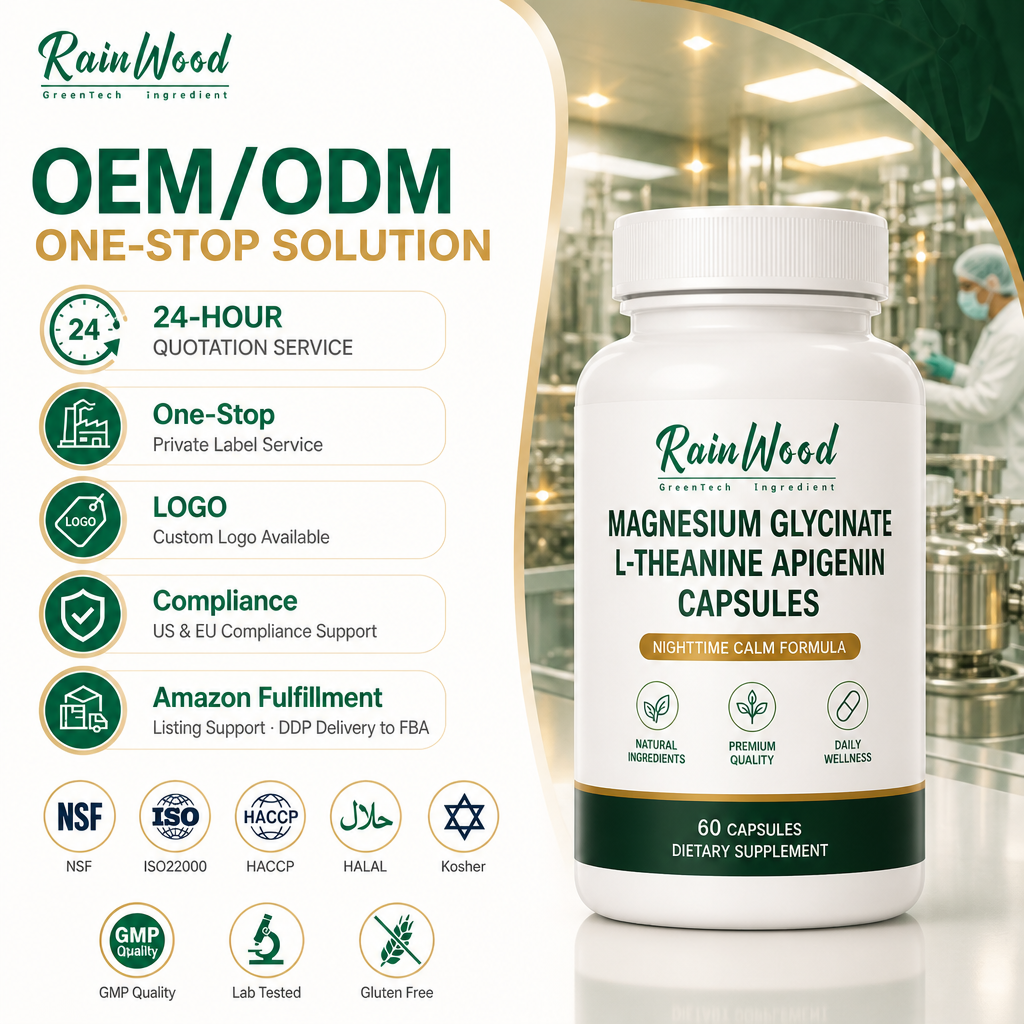
GMP Magnesium Glycinate L-Theanine Apigenin Hard Capsules 60 Count OEM Custom Private Label Dietary Supplement
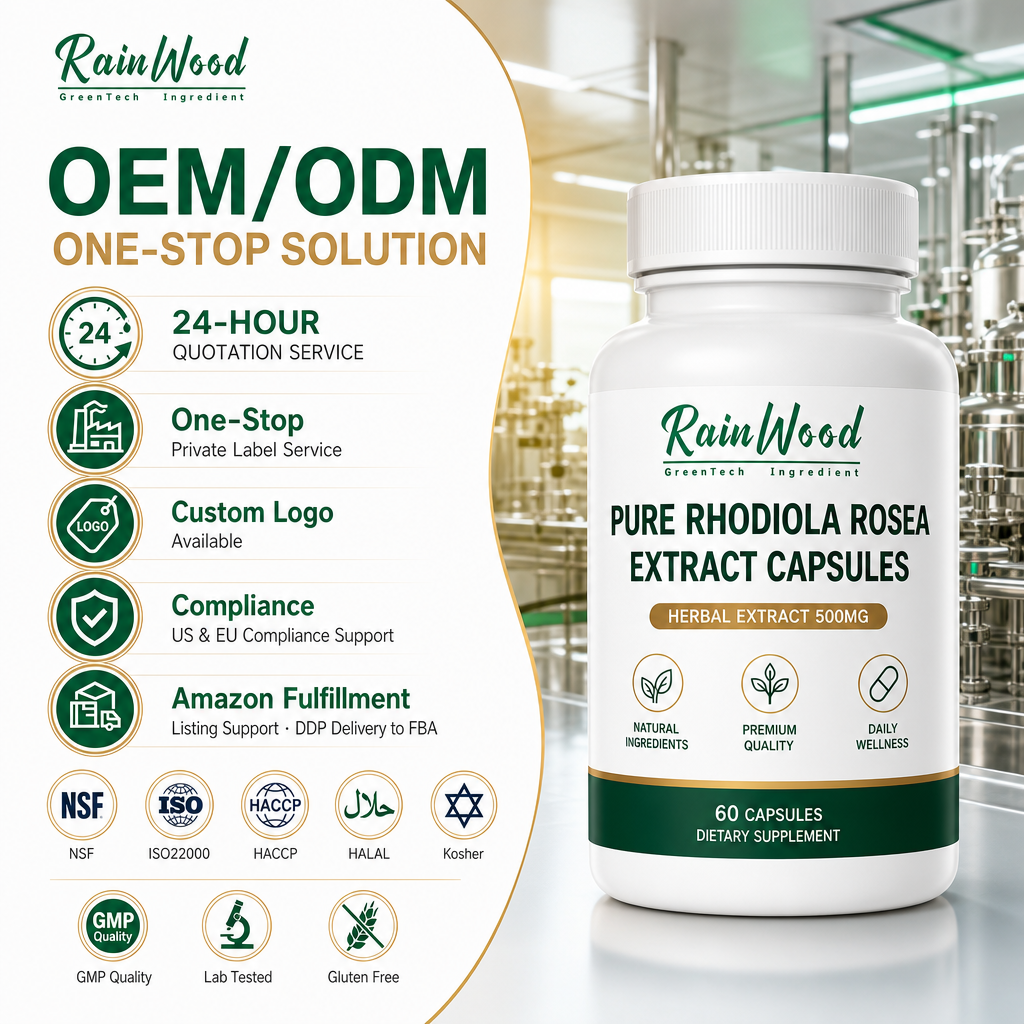
GMP Pure Rhodiola Rosea Extract 500mg Hard Capsules 60 Count OEM Custom Private Label Dietary Supplement Box
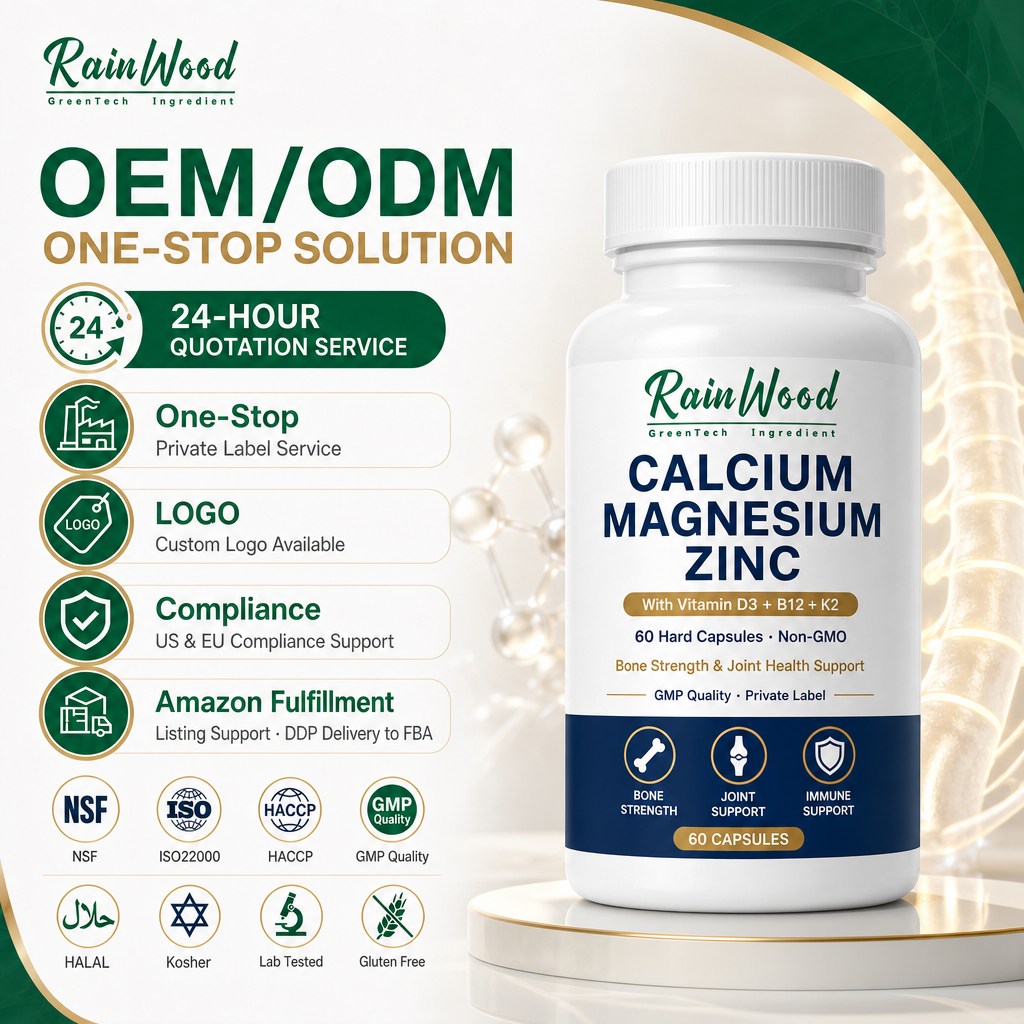
GMP Pure Calcium Magnesium Zinc Vitamin D3 B12 K2 Hard Capsules 60 Count OEM Private Label Bone Supplement
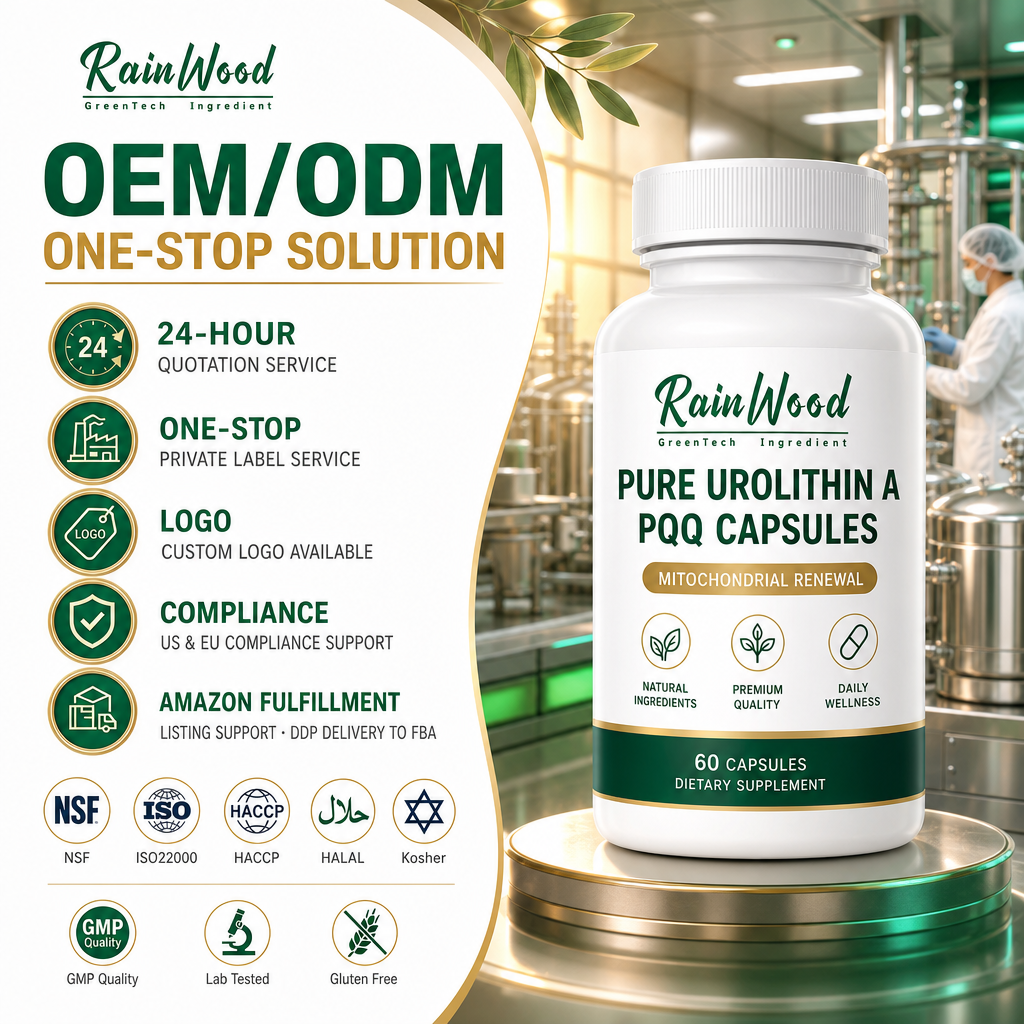
GMP Pure Urolithin a PQQ Complex Hard Capsules 60 Count OEM Custom Private Label Dietary Supplement Box
1. The Strategic Position of Belgrade in Southeast Europe’s Botanical Supply Chain
Belgrade (Beograd) stands at the geostrategic nexus of Southeast Europe, commanding critical access along Pan-European Transport Corridor X and Corridor VII (the Danube River waterway). For brands in the Republic of Serbia, Bosnia and Herzegovina, Montenegro, and the broader Western Balkans, sourcing food-grade plant extracts is no longer merely a purchasing transaction; it is a complex engineering discipline governed by rigorous physiological standards, international pharmaceutical harmonizations, and shifting consumer demographics.
The Balkan peninsula possesses an illustrious ethnobotanical legacy, historically renowned for cultivating indigenous aromatic and medicinal plants across Mount Rtanj, the Suva Planina massif, and the Vojvodina agricultural basin. However, as the European Union and the Serbian Ministry of Health align their national food safety regulations closer to the European Food Safety Authority (EFSA) guidance documents and the Pravilnik o zdravstvenoj ispravnosti dijetetskih proizvoda (Rulebook on the Health Safety of Dietary Products), localized downstream packaging enterprises face severe hurdles in raw material consistency.
Modern food-grade plant extract manufacturing demands more than rudimentary hydro-distillation. It mandates supercritical fluid CO2 extraction, standardized chromatographic fractioning (HPLC/UV-Vis), vacuum low-temperature crystallization, and zero-compromise contaminant screening for polycyclic aromatic hydrocarbons (PAH4), ethylene oxide (EtO), organochlorine pesticides, and heavy metal accumulation (Pb, Cd, As, Hg). Shaanxi ESNO Biotech Co., Ltd. bridges this critical infrastructure gap, providing Belgrade brands with industrial-scale botanical manufacturing power backing local consumer-facing agility.
Industrial Challenges Faced by Belgrade Supplement and Functional Food Producers
Brand formulators in major industrial centers such as Zemun, Novi Beograd, and the Pančevo-Belgrade manufacturing belt frequently encounter supply volatility when importing raw botanical active ingredients. Common friction points include batch-to-batch assay degradation, unstandardized botanical carrier maltodextrins that interfere with clean-label shelf claims, and documentation failures that cause immediate impoundment during Serbian Sanitary Inspection (Sanitarna inspekcija) procedures at customs entry points.
Furthermore, consumer perception throughout the Balkan region has matured rapidly. Today’s consumers patronizing major domestic pharmacy distributors such as Lilly Drogerie, dm-drogerie markt, and BENU zahtevaju (demand) validated ingredient efficacy, zero artificial excipients, and full transparency. In this landscape, food-grade plant extract factories must operate with pharmaceutical-grade hygiene, certified cleanrooms (Class D / ISO Class 8 equivalent), and rigorous traceability stretching from the agrarian botanical harvest to the final encapsulated formulation.
2. Advanced Extraction Methodologies and Purity Benchmarks for Food Grade Botanicals
Manufacturing botanical extracts designated as "Food Grade" necessitates adherence to strict solvent residue thresholds established under European Directive 2009/32/EC and Serbian food sanitary mandates. Toxic residues of Class 1 and Class 2 solvents are categorically impermissible. At our manufacturing centers, extraction processes prioritize environmentally sustainable, food-safe solvents: USP purified water, super-refined grain ethanol, and high-density carbon dioxide.
| Extraction Technology | Primary Solvent | Target Bioactive Compounds | Processing Temperature | Food Grade Compliance Profile |
|---|---|---|---|---|
| Supercritical CO2 Extraction | Dense Carbon Dioxide (Gas/Liquid) | Lipophilic actives, gingerols, essential terpene matrices | 31°C – 45°C (Low Thermal Stress) | 100% solvent-free, zero VOC emissions, certified organic compliant |
| Enzymatic Hydro-Ethanolic | USP Purified Water & Fermentation Ethanol | Standardized curcuminoids, rosavins, polyphenolic flavonoids | 45°C – 60°C (Vacuum Controlled) | Non-denatured ethanol, strictly below 50 ppm EU residual limit |
| Ultrasonic-Assisted Countercurrent | Demineralized Aqueous Phase | Polysaccharides, marine fucoidans, botanical water-soluble minerals | 35°C – 50°C (Acoustic Cavitation) | Pure mechanical cell disruption; preserves bio-macromolecular structure |
| Membrane Ultra-Filtration | Physical Ceramic/Polymeric Barriers | Urolithin A pre-cursors, pure apigenin fractions, peptides | Ambient (20°C – 25°C) | Zero chemical reagents; molecular weight cut-off (MWCO) grading |
The processing architecture must also solve botanical bio-accessibility challenges. Raw plant extracts frequently demonstrate poor kinetic dissolution in the human gastrointestinal tract. For instance, standardized Curcuma longa extracts containing 95% curcuminoids possess naturally hydrophobic molecular lattices, resulting in negligible endogenous absorption. Through precision co-formulation engineering—combining standardized turmeric with natural Piper nigrum (standardized to 98% piperine) or incorporating lipidic micro-emulsion carriers—our production lines elevate intestinal permeability by up to 2,000%, yielding tangible metabolic benefits that justify premium price points on retail pharmacy shelves across Serbia.
3. Localized Application Scenarios in the Belgrade Industrial and Consumer Ecosystem
Belgrade serves as the economic engine and innovation nexus for consumer packaged goods (CPG) across the Western Balkans. Integrating standardized food-grade plant extracts is revolutionizing traditional food items, sports nutrition powders, and functional pharmaceuticals throughout the region.
Functional Beverage & Herbal Spirits Modernization
Serbia has a world-renowned artisanal distilling heritage (Rakija, Pelinkovac). Modern beverage innovators in Belgrade are infusing non-alcoholic functional aperitifs and premium spirits with standardized Rhodiola Rosea (adaptogenic stress relief), gingerols, and chamomile-derived pure Apigenin. Our micro-filtered extracts dissolve crystal-clear without turbidity or sediment settling.
Metabolic & Cardiovascular Dietary Supplements
Given regional epidemiological trends concerning cardiovascular wellness and bone mineral density, Serbian pharmacy formulations are heavily pivoting toward synergistic blends: micro-encapsulated Vitamin D3 + K2 (MK7), combined with antioxidant-rich botanical concentrates such as Bladderwrack (rich in organic iodine and fucoidan) for endocrine health.
Clean-Label Meat & Dairy Preservation
With major agricultural and food processors operating across the Belgrade-Vojvodina corridor, there is significant industrial momentum to replace artificial sodium nitrites and synthetic BHT/BHA. High-polyphenol botanical extracts (rosemary diterpenes, green tea catechins) act as potent, neutral-flavor natural antioxidants that extend refrigerated shelf-life.
Bakery & Confectionery Functional Enrichment
Belgrade’s traditional industrial baking enterprises are expanding into health-conscious, low-glycemic functional confectionery. Plant-based extracts with high heat stability survive industrial baking ovens, allowing brands to formulate fortified biscuits, breakfast bars, and snacks enriched with adaptogens, GABA, and botanical magnesium complexes.
Neuro-Nootropic & High-Stress Executive Wellness
As Belgrade cements its status as a vibrant IT and software engineering capital in Central/Eastern Europe, urban professionals are driving unprecedented demand for non-stimulant focus formulas. Combinations of L-Theanine, Magnesium Glycinate, and bio-active Apigenin promote mental clarity and restorative sleep cycles without sedative drowsiness.
Cosmeceutical & Dermatological Topicals
Belgrade's booming private-label skincare brands integrate high-purity food-grade botanicals into topical emulsions. Ingredients pure enough for internal consumption—such as ultra-refined Urolithin A, PQQ, and liposomal polyphenols—deliver unprecedented transdermal radical scavenging and mitochondrial vitality.
4. Strategic Market Drivers Shaping Belgrade’s Botanical Industry (2025–2030)
The botanical and functional ingredients market in Serbia is navigating a profound technological transition. Analyzing consumer metrics and regulatory modifications reveals several macro trends redefining supply contracts for food-grade plant extract manufacturers:
A. Regulatory Harmonization with the European Union (EU Acquis)
As an EU candidate country, Serbia continuously harmonizes its sanitary mandates with European Commission standards. Dietary supplements and fortified functional foods must undergo stringent toxicological evaluation. Laboratories such as the Institute of Public Health of Belgrade "Dr Milan Jovanović Batut" and the Faculty of Pharmacy in Belgrade evaluate import products against strict microbiological, radionuclide, and chemical contaminant thresholds. Plant extract factories that fail to provide validated HPLC finger-printing or cannot guarantee zero EtO (ethylene oxide) sterilant usage are increasingly barred from Serbian market entry.
B. The Ascendance of "Clean-Label" Excipient Chemistry
Historically, contract encapsulators relied heavily on magnesium stearate, silicon dioxide, and artificial talc to ensure powder lubricity through rotary tablet presses and high-speed encapsulation equipment. Today’s educated consumer base in Belgrade rejects these synthetic flow agents. ESNO Biotech formulates using native rice extract blends, natural organic acacia fibers, and botanical carriers that preserve clean-label status without compromising capsule fill weight uniformity or disintegration timing.
C. High-Potency Synergies: Combining Phytochemicals with Chelated Minerals
Single-herb formulations are losing market share to bio-engineered functional complexes. B2B buyers in Belgrade increasingly source multi-ingredient master batches that blend standardized plant extracts (like Rhodiola Rosea or Zingiber officinale) directly with organically chelated minerals (such as magnesium bisglycinate or zinc picolinate) and bioactive co-enzymes (PQQ, Urolithin A). This multi-action formulation approach delivers compounding physiological benefits, supporting both cognitive performance and systemic cellular integrity.
5. Enterprise Manufacturing Advantages: Why Belgrade Importers Partner with ESNO Biotech
Founded in 2006 in Xi'an, China, Shaanxi ESNO Biotech Co., Ltd. has spent over 19 years mastering the science of botanical extraction, micronization, and specialized OEM/ODM formulation development. We serve over 3,500 brand owners, distributors, and e-commerce leaders in more than 100 countries across Europe, North America, and Asia.
NSF 455-2 GMP & ISO 22000 Audited
Our production cleanrooms and storage warehouses operate under strict NSF 455-2 GMP, ISO 22000, and HACCP compliance. Our operational integrity has been thoroughly audited and verified on-site by TÜV Rheinland, providing European compliance officers with audit-ready documentation.
Full-Spectrum Testing per Batch (COA)
No lot leaves our loading docks without an authentic Certificate of Analysis (COA). We test for identity via HPLC/HPTLC, quantitative active assays, microbiological safety (total plate count, yeast/mold, E. coli, Salmonella), heavy metals via ICP-MS, and pesticide residues.
Low-MOQ Agility for Turnkey Private Label
We empower both established Balkan pharmaceutical conglomerates and agile entrepreneurial startups. While traditional European contract manufacturers require massive runs exceeding 50,000 units, our stock capsule and gummy formulas start from manageable batches of 100 to 500 units.
From initial formula conceptualization to pilot sampling, capsule color customization, blister packaging, and export carton palletization, ESNO Biotech functions as an extension of your own R&D engineering wing. We eliminate supply bottlenecks so you can focus entirely on marketing and retail expansion across Belgrade and the European continent.
6. Frequently Asked Questions: B2B Plant Extract Sourcing in Belgrade
Navigating the cross-border importation of food-grade plant extracts and finished dietary supplements into Serbia requires meticulous regulatory knowledge. Below are expert answers to the most common inquiries raised by local procurement directors and technical directors.
What regulatory steps are required to register dietary supplements containing plant extracts in Serbia?
How do you guarantee that food-grade botanical powders remain free of Ethylene Oxide (EtO) and PAH4?
What are the minimum order quantities (MOQ) for custom capsule formulations compared to stock items?
What shipping corridors and lead times apply for cargo dispatched to Belgrade customs terminals?
Can ESNO Biotech assist with stability testing data for shelf-life verification in the Balkans?
How do you handle vegan and clean-label specifications for capsule shells and excipients?
Scale Your Botanical Formulation with a Proven Global Factory
Whether you require bulk standardized plant extract powders for industrial food processing or high-end encapsulated dietary supplements ready for Belgrade pharmacy distribution, ESNO Biotech delivers compliant formulation power, transparent testing, and reliable global shipping.