The Yokohama Strategic Gateway: Supplying Kanagawa's High-Tech Nutraceutical & Biopharma Cluster
As Japan's premier maritime international trading hub, the Port of Yokohama (Kanagawa Prefecture) forms the industrial spine of the nation's advanced functional food, nutricosmetics, and pharmaceutical manufacturing network. Operating within the dynamic Keihin Industrial Zone and adjacent to the Tokyo-Kawasaki biopharma life science valley, procurement directors and contract formulators across Yokohama operate under distinctive quality expectations. Unlike traditional Western dietary supplement distribution, the Japanese supply chain demands flawless analytical traceability, absolute alignment with the Ministry of Health, Labour and Welfare (MHLW) standards, and deep harmonization with the strict Japanese Food Sanitation Act.
Shaanxi ESNO Biotech Co., Ltd. serves as an authoritative bridge between indigenous, bio-certified botanical cultivation centers and Yokohama's discerning manufacturing enterprises. By providing standardized, high-yield botanical extracts, bio-active peptides, and custom OEM capsules manufactured under NSF 455-2 GMP and ISO 22000 verified cleanrooms, we ensure that every maritime container or air freight pallet arriving at the Daikoku or Honmoku container terminals transitions smoothly through Quarantine Stations without demurrage or regulatory rejection.
Whether formulating next-generation nootropics in Minato Mirai R&D laboratories or commercializing scale functional beverages in Kanagawa's regional bottling facilities, procurement teams require an export partner capable of supplying full-spectrum documentation—including batch-specific HPLC/GC-MS testing reports, pesticide-free certifications under the Positive List System, non-irradiation declarations, and heavy metal assays verified by Inductively Coupled Plasma Mass Spectrometry (ICP-MS).
Foods with Function Claims (FFC)
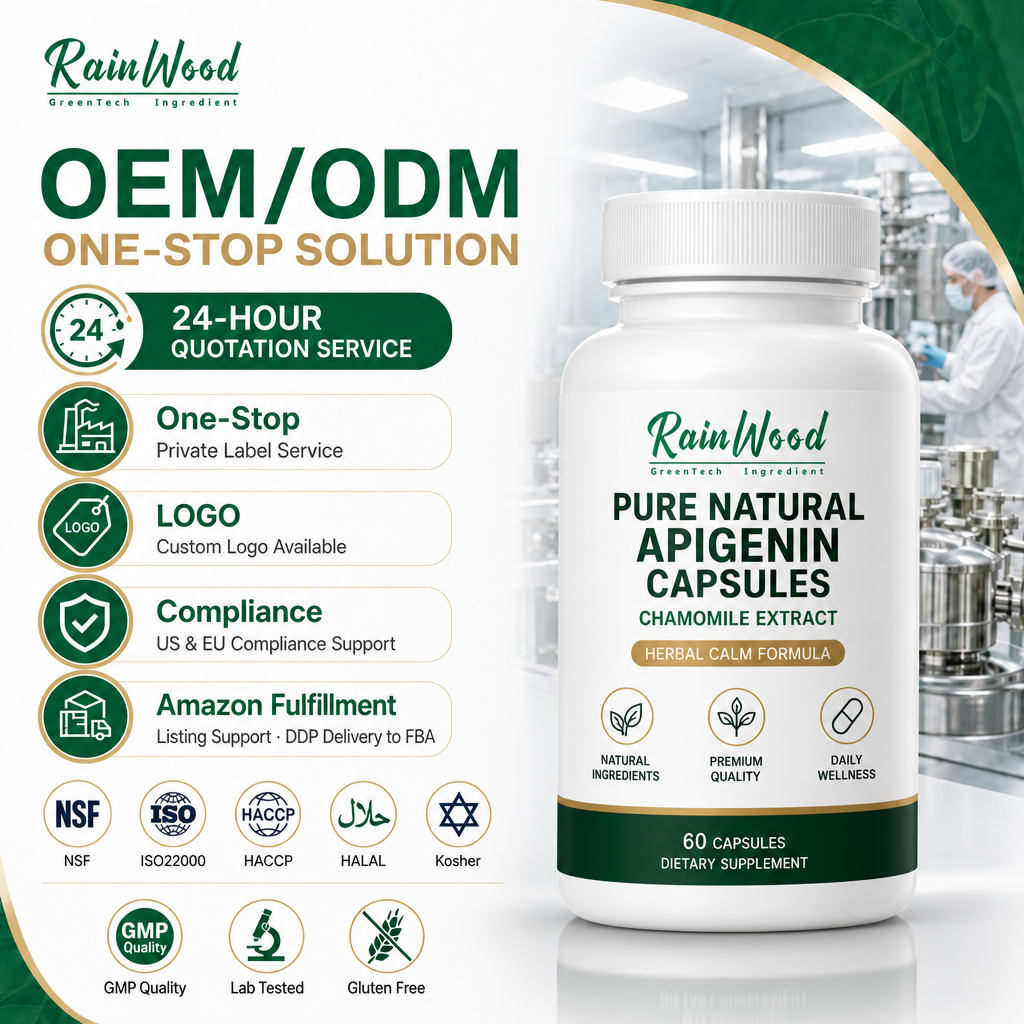
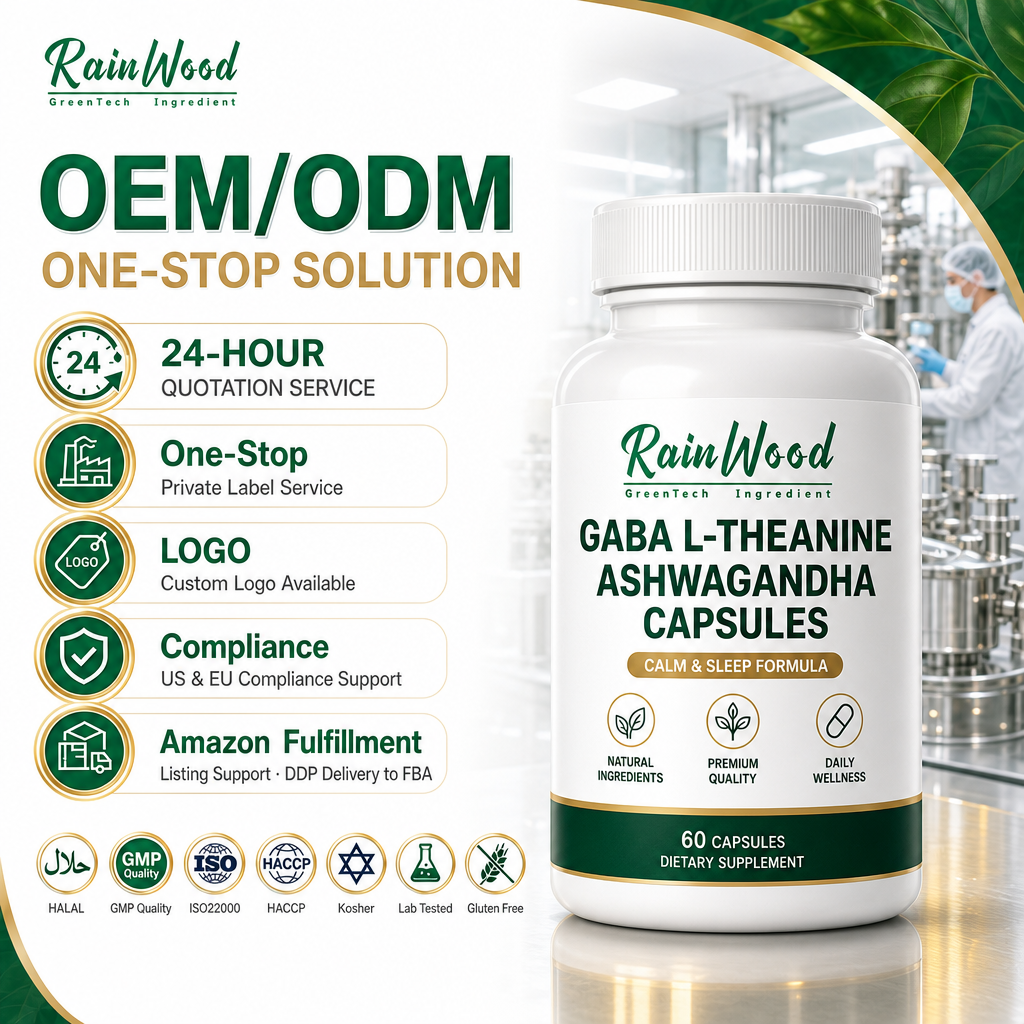
Providing bio-fermented GABA, pure Apigenin, and standardized fungal extracts accompanied by rigorous scientific dossiers (SR - Systematic Reviews) to expedite Consumer Affairs Agency (CAA) submission for stress and sleep claim endorsements.
J-Beauty & Nutricosmetics
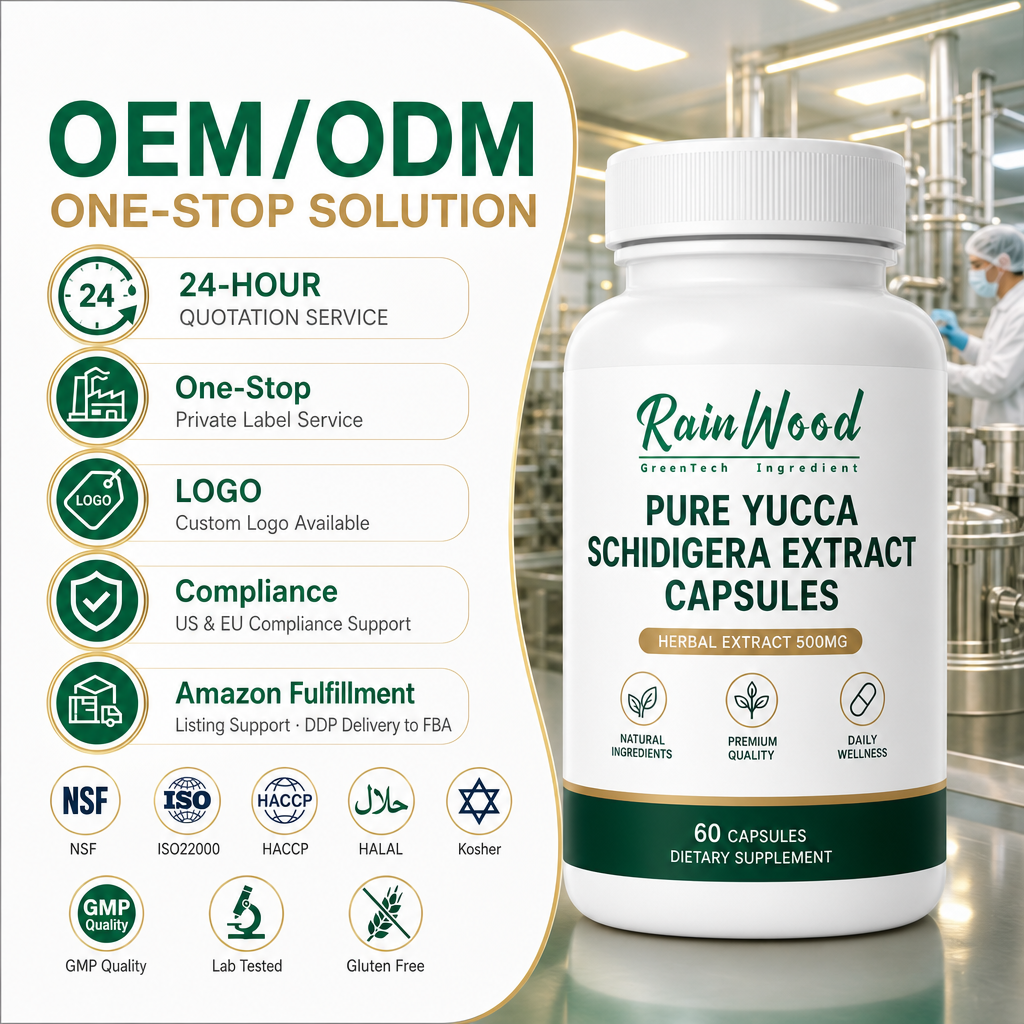
Supplying Yucca saponins, Tremella polysaccharides, and plant polyphenols to Yokohama cosmetic laboratories for oral beauty elixirs, hydration tablets, and topical-dermal formulations offering moisture-locking efficacy without chemical emulsifiers.
Geriatric Locomotive Nutrition
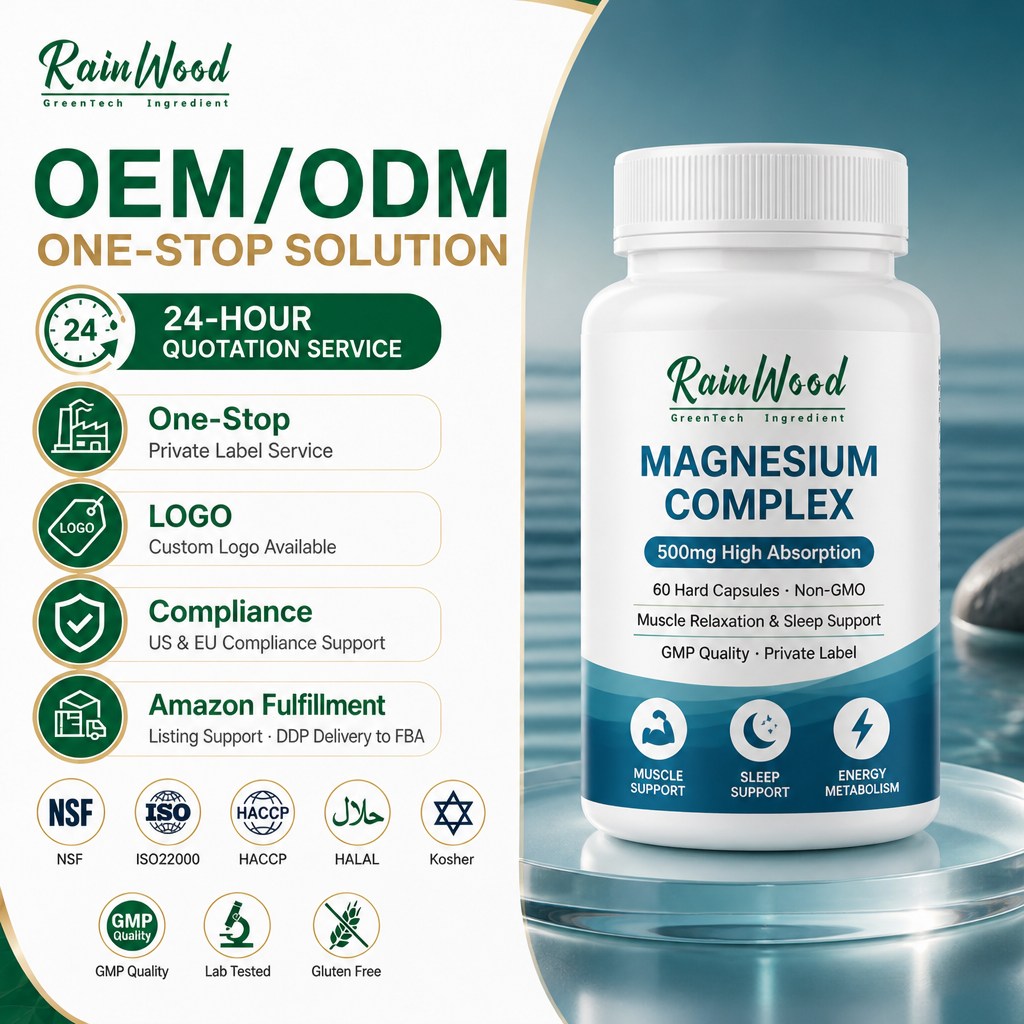
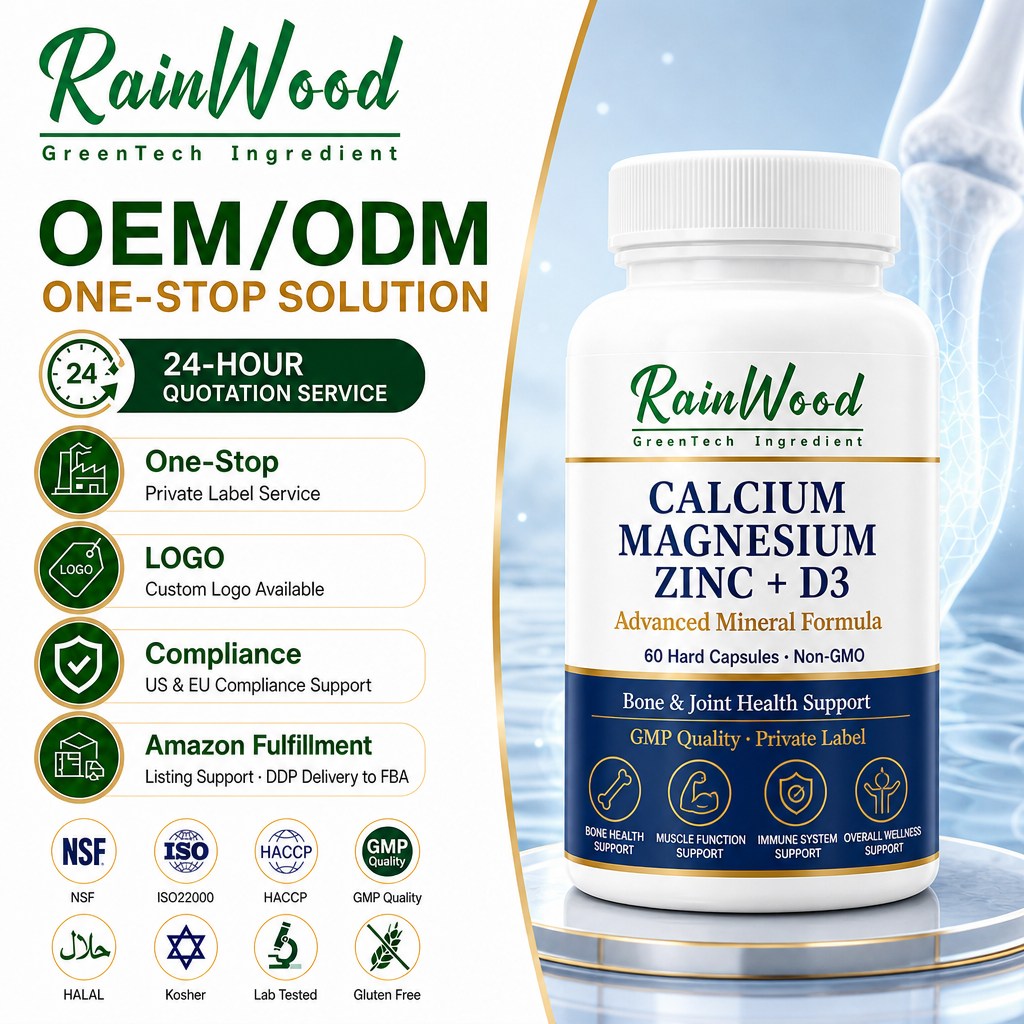
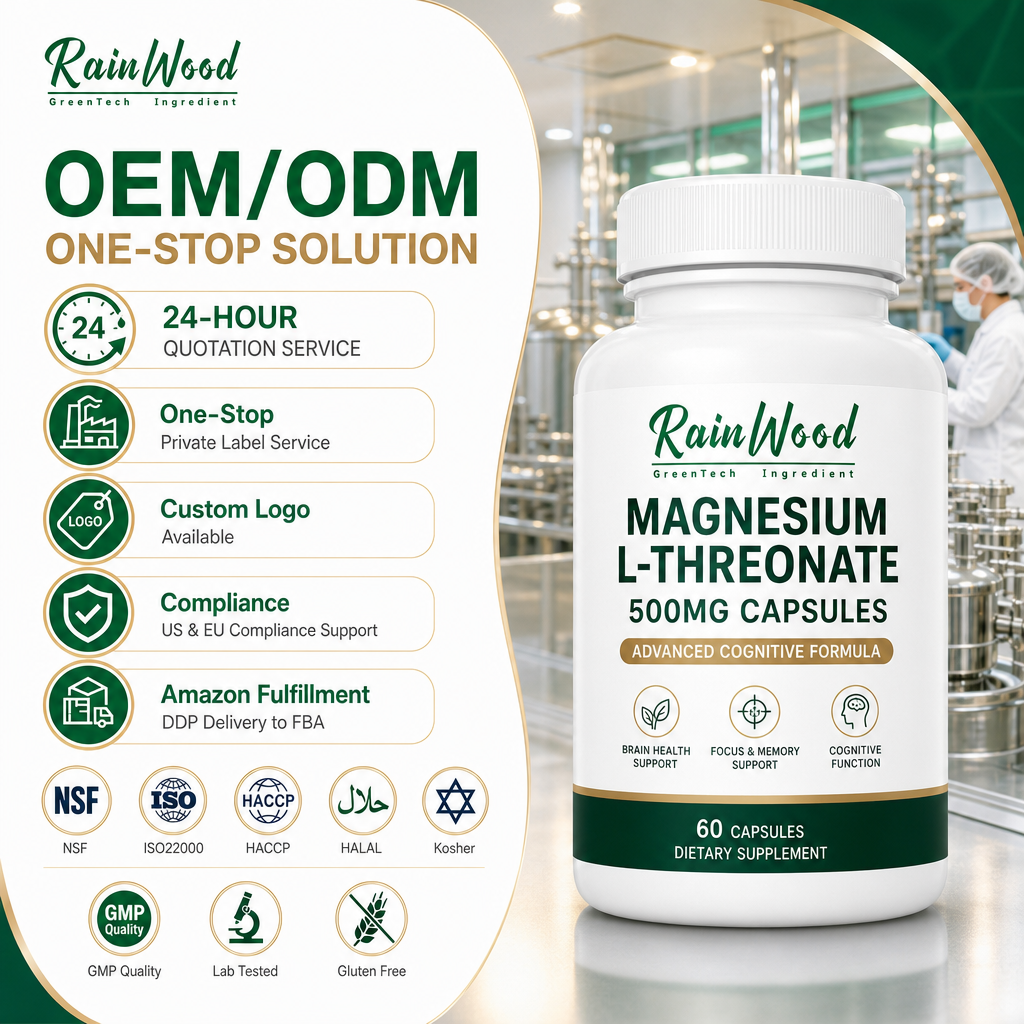
Formulating chelated Calcium-Magnesium complexes, bio-absorbable Magnesium L-Threonate, and botanical anti-inflammatories aimed directly at Kanagawa’s proactive silver demographic seeking preservation of bone density, joint mobility, and motor independence.
Kampo-Adjacent Integrative Health
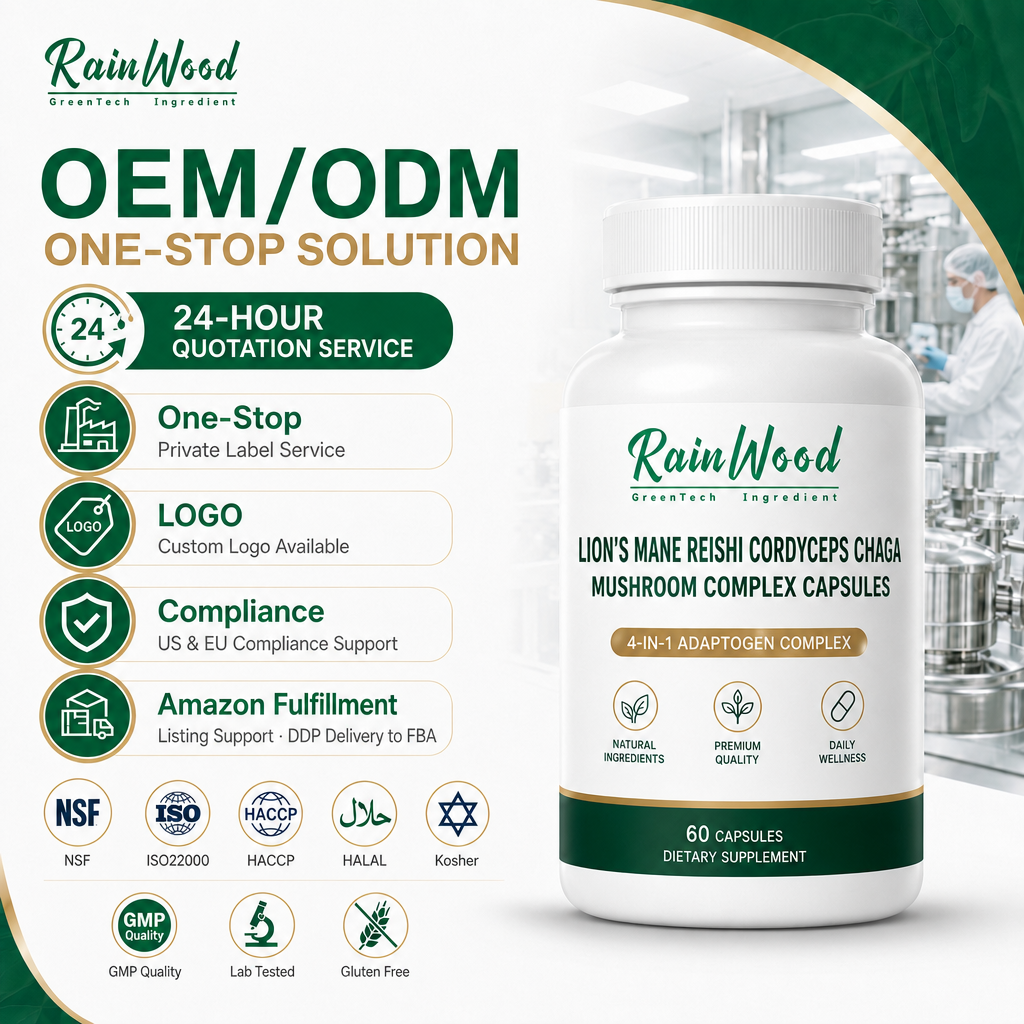
Combining classical Chinese herbal extraction precision with Japanese traditional Kampo philosophies, delivering clean-label, high-ratio extracts of Reishi, Cordyceps, and medicinal roots for modern preventative wellness clinics across Kanto.
Analytical Quality Differentiation: Standard vs. Yokohama-Compliant Import Parameters
Importing botanical extracts into Japan requires overcoming some of the most rigorous food chemical criteria globally. Standard commercial grade extracts commonly traded in alternative international corridors frequently fail inspection at Japanese borders due to elevated residue thresholds or non-compliant excipients. ESNO Biotech formulates strictly within Japanese regulatory perimeters:
| Analytical Parameter |
Standard Export Baseline |
ESNO Biotech Yokohama Quality Protocol |
Japanese Regulatory Reference |
| Heavy Metals (Pb, As, Cd, Hg) |
< 10–20 ppm total |
< 3.0 ppm Pb, < 1.0 ppm As, < 0.5 ppm Cd, < 0.1 ppm Hg |
MHLW Food Sanitation Act Thresholds |
| Pesticide Residues |
Regional USP/EP compliance |
Comprehensive 480+ screen (Zero detected above 0.01 ppm) |
Japan Positive List System for Agricultural Chemicals |
| Microbiological Limits |
Total Plate Count < 10,000 CFU/g |
Total Plate Count < 1,000 CFU/g; Yeast/Mold < 100 CFU/g |
Japanese Pharmacopoeia (JP XVII) Microbial Standards |
| Residual Solvents |
USP Class 2 & 3 limits |
Supercritical CO2 or 100% Aqueous Ethanol (Class 1 Zero) |
MHLW Solvent Extraction Guidelines |
| Excipient Engineering |
Maltodextrin / Silicon Dioxide |
Non-GMO Rice Flour or Pullulan / Zero Synthetic Additives |
Clean-Label Japanese Consumer Standards |
This technical discipline guarantees that every drum of powder or packaged case of capsules undergoes continuous internal batch quarantine before receiving shipping manifests. With full traceability from raw botanical harvest to final vacuum containerization, our Yokohama clients eliminate the financial jeopardy associated with container re-exportation or border destruction.
1. Exponential Growth of Kinō-sei Hyōji Shokuhin
Japanese consumers increasingly reject ambiguous wellness claims, driving rapid adoption of the Foods with Function Claims framework. Demand has centered on botanical ingredients that offer concrete clinical evidence for cognitive clarity, mental stress alleviation, visceral fat reduction, and sleep quality restoration.
2. Clean-Label Excipient Elimination
Yokohama brands are eliminating traditional synthetic binders, magnesium stearate, and artificial colorants. There is widespread demand for plant-based HPMC and pullulan capsule shells, alongside natural flow agents like bamboo silica and organic rice fiber to satisfy label-conscious shoppers.
3. Maritime Logistics & Cold-Chain Security
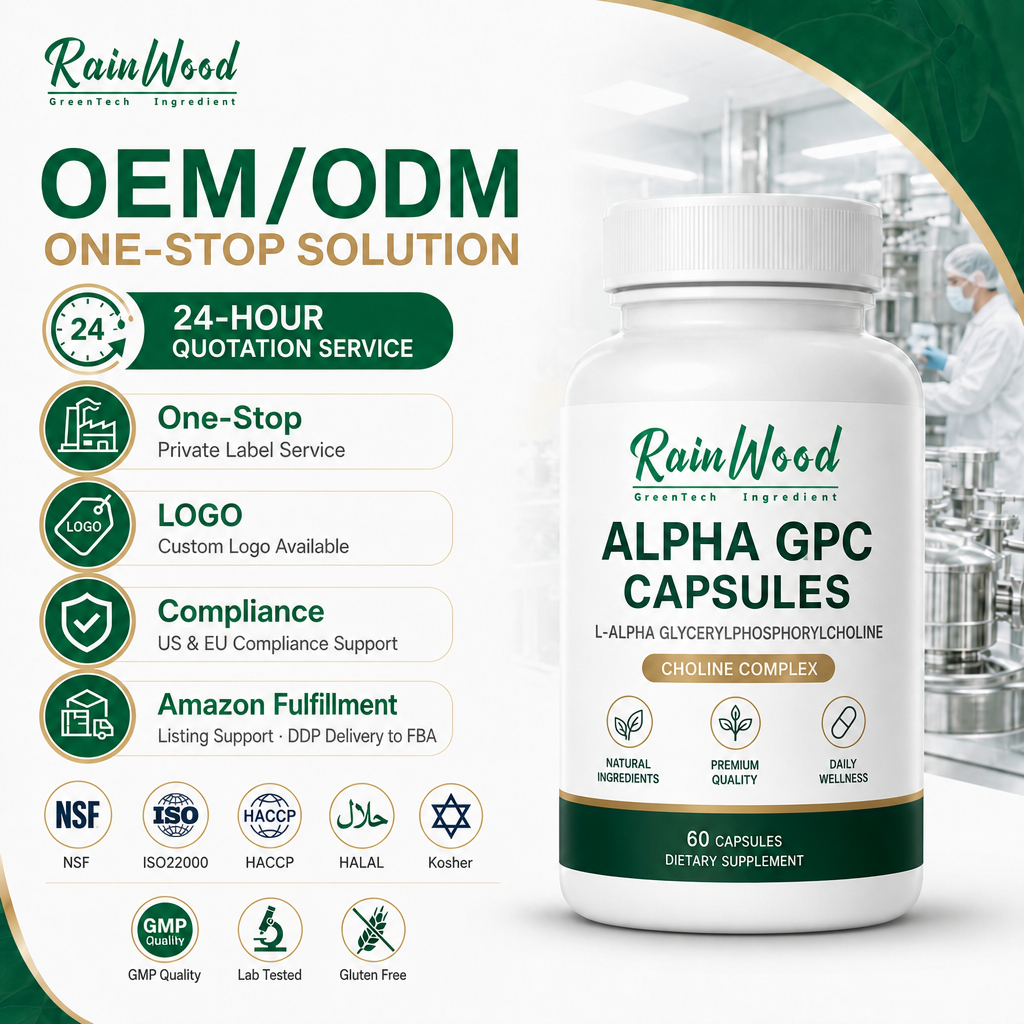
With volatile maritime shipping patterns, Yokohama importers demand vacuum nitrogen-flushed packaging and localized stock forecasting. Protecting hygroscopic actives (like Alpha-GPC and high-saponin extracts) against summer humidity in Tokyo Bay warehouses is now a mandatory packaging benchmark.
How do your botanical extracts comply with the Japanese Positive List System for agricultural chemicals?
+
Our botanical raw materials undergo stringent screening against the MHLW Positive List System, which establishes a uniform default limit of 0.01 ppm for any pesticide without a specific maximum residue limit (MRL). Every batch is analyzed using high-resolution Gas Chromatography-Tandem Mass Spectrometry (GC-MS/MS) and Liquid Chromatography-Tandem Mass Spectrometry (LC-MS/MS) to verify absolute compliance before export customs processing.
What specific documentation accompanies shipments landing at the Port of Yokohama?
+
Each commercial shipment is dispatched with an export documentation portfolio tailored for Japanese quarantine stations. This includes: a comprehensive Certificate of Analysis (COA) specifying botanical origin and Latin binomial, detailed Production Flowcharts, Non-Animal Origin & BSE/TSE-Free Declarations, Non-Irradiation Certificates, Allergen Statements (addressing Japanese specific allergen declarations), and Certificate of Origin (COO) documentation.
Can you support custom capsule formulations and primary packaging in Japanese specifications?
+
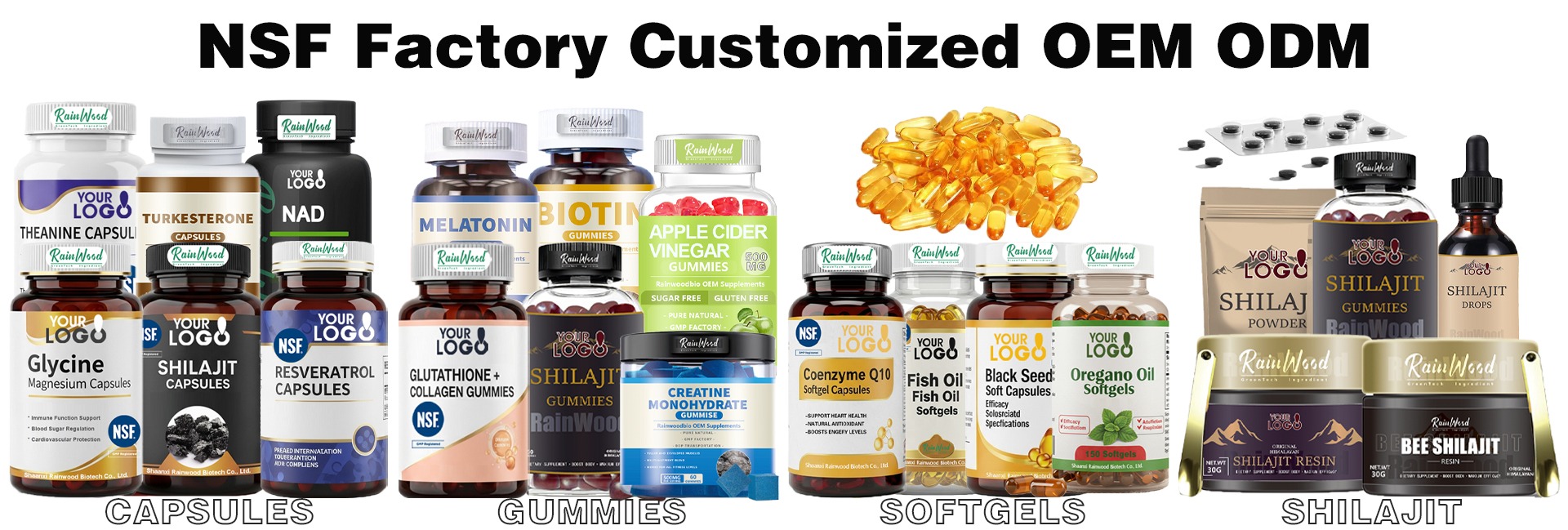
Yes. Our OEM/ODM infrastructure accommodates plant-derived HPMC hard capsules (sizes 000 through 4), gelatin shells, pectin and gelatin gummies, and multi-layer stick packs. We offer Japanese label proofing, oxygen barrier packaging, pharma-grade amber glass or PET bottling, blister foil packaging, and master export cartons built to withstand trans-Pacific maritime humidity.
What are the standard Minimum Order Quantities (MOQ) and lead times for shipments to Yokohama?
+
For standardized botanical extract powders in bulk drums, MOQs start as low as 25 kg. For private label encapsulated supplements, our MOQ typically ranges from 500 to 1,000 retail bottles or boxes depending on packaging customizations. Lead times from formula confirmation and sampling to dispatch are approximately 15–20 working days, with direct maritime transit from Chinese departure ports to Yokohama container terminals taking 3 to 7 days.
How is product stability ensured against temperature and humidity swings during maritime transit?
+
Hygroscopic extracts and high-potency finished goods are packaged in heat-sealed aluminum barrier foil bags with molecular sieve desiccants and nitrogen purging. Palletized cargo utilizes protective thermal wraps, heavy-duty shrink encasing, and optional temperature-controlled reefer containers for sea voyages terminating at the Daikoku or Honmoku piers.