Featured Standardized Botanical & Active Extract Formulations
Direct-from-factory OEM/ODM dietary capsules and botanical extracts with verifiable chromatography assays, optimized for South Korean MFDS regulatory compliance and private label commercialization.
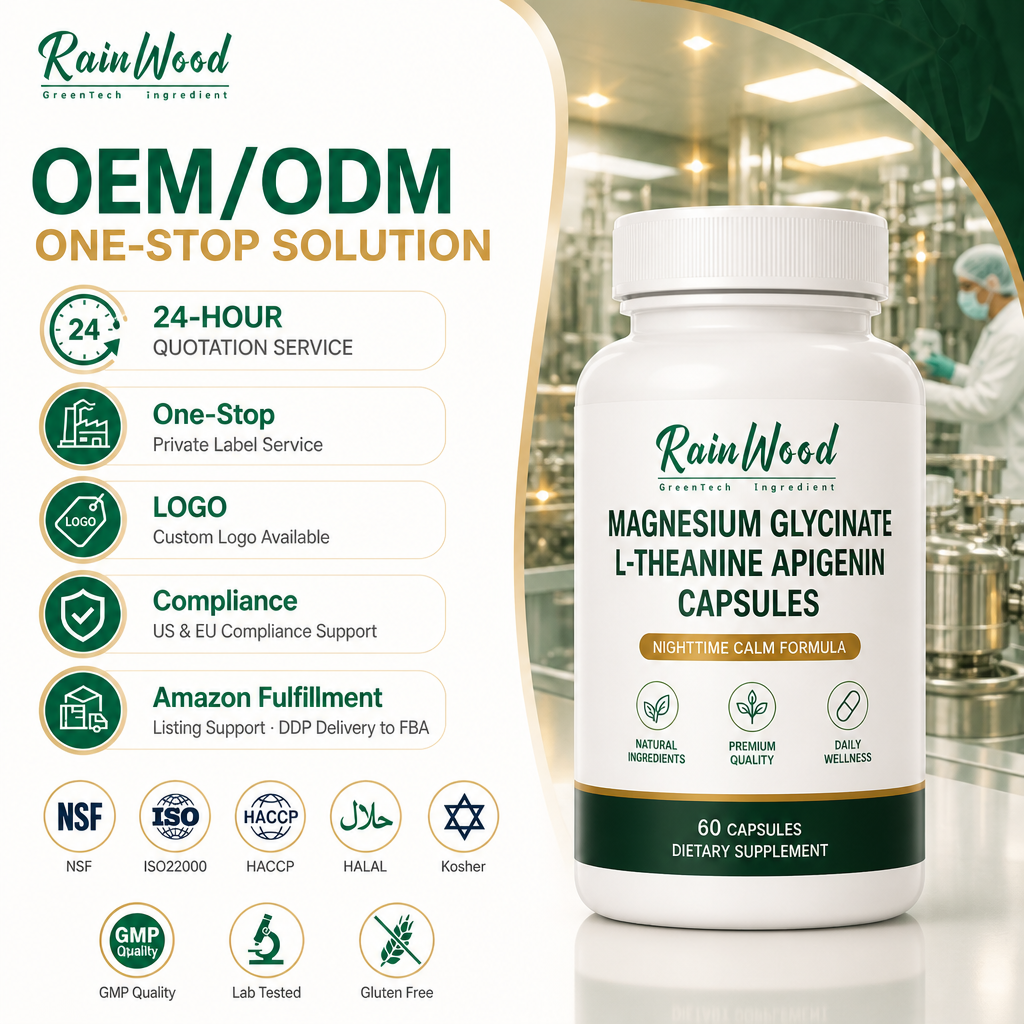
Triple-synergy sleep & neuro-calm formula. Incorporates standardized natural apigenin flavonoid extracts with chelated magnesium glycinate.
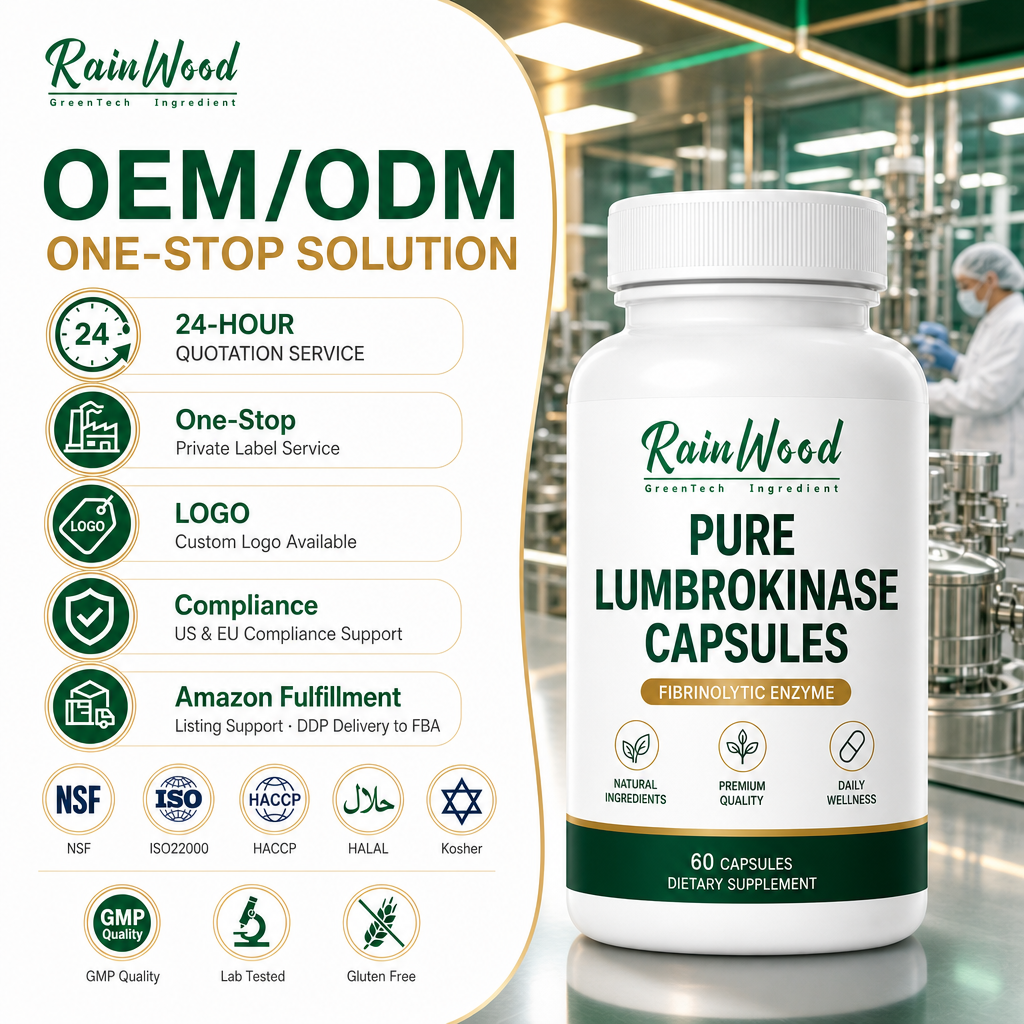
High-potency fibrinolytic proteolytic enzyme complex. Purified active bio-fractions formulated for microvascular integrity and blood viscosity support.
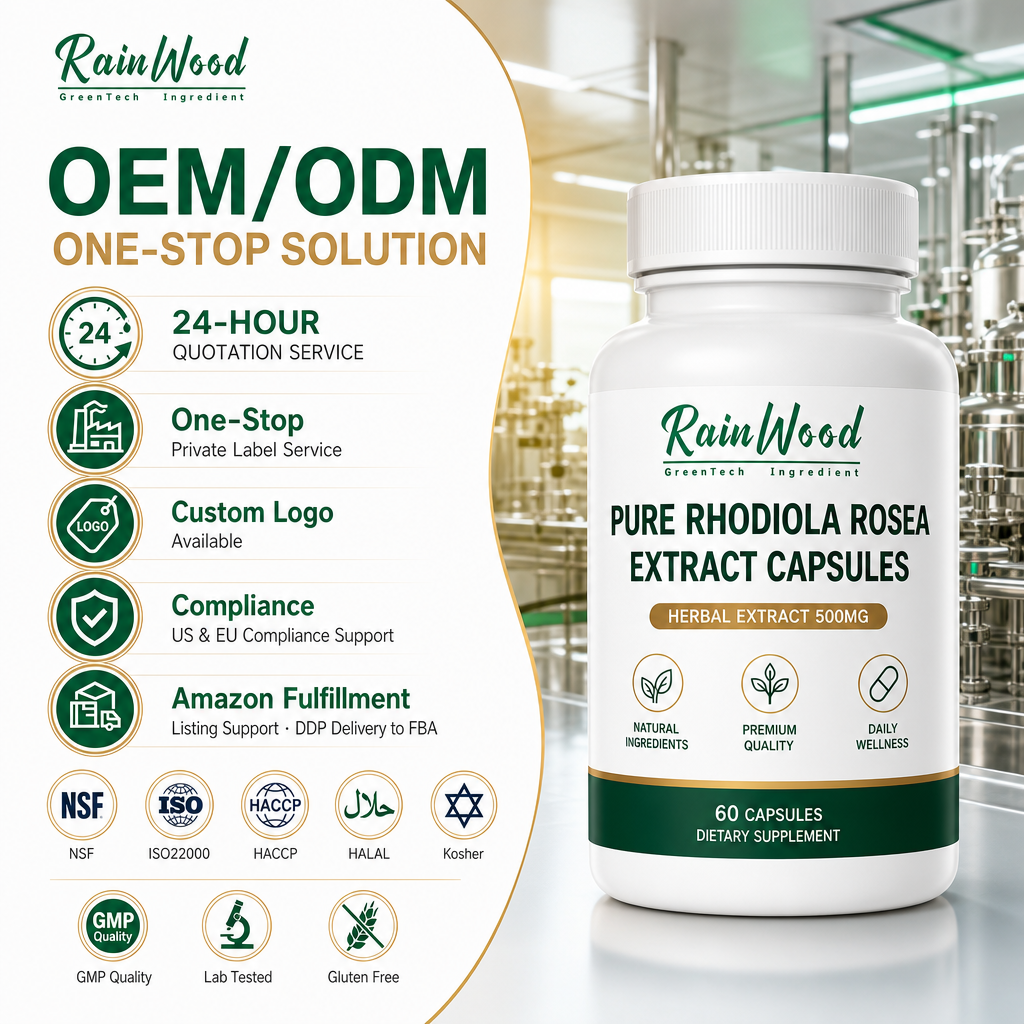
Standardized 3% Rosavins and 1% Salidroside. Naturally occurring polyphenolic pigmentation with potent anti-fatigue cellular properties.
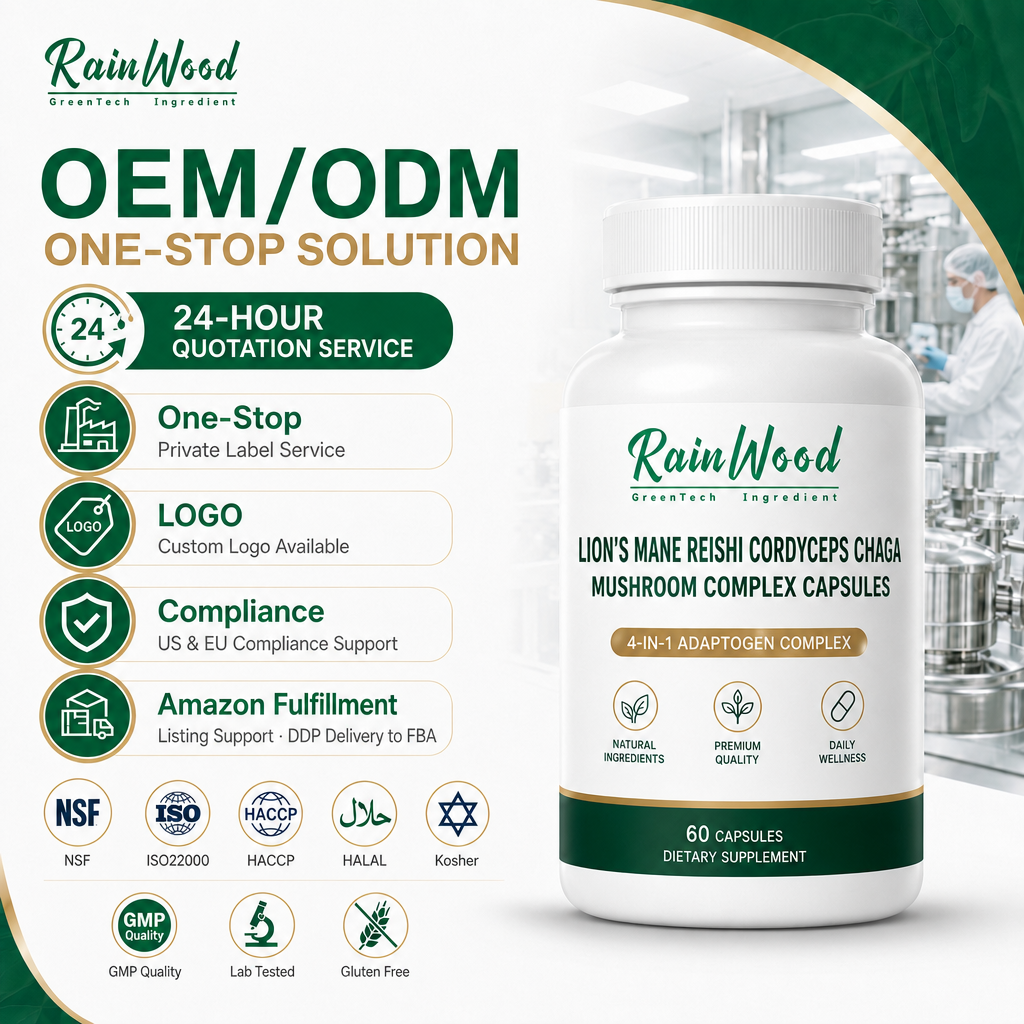
Quad-spectrum organic mushroom extract enriched with natural fungal melanins, beta-glucans, and chromogenic polyphenols for immune defense.
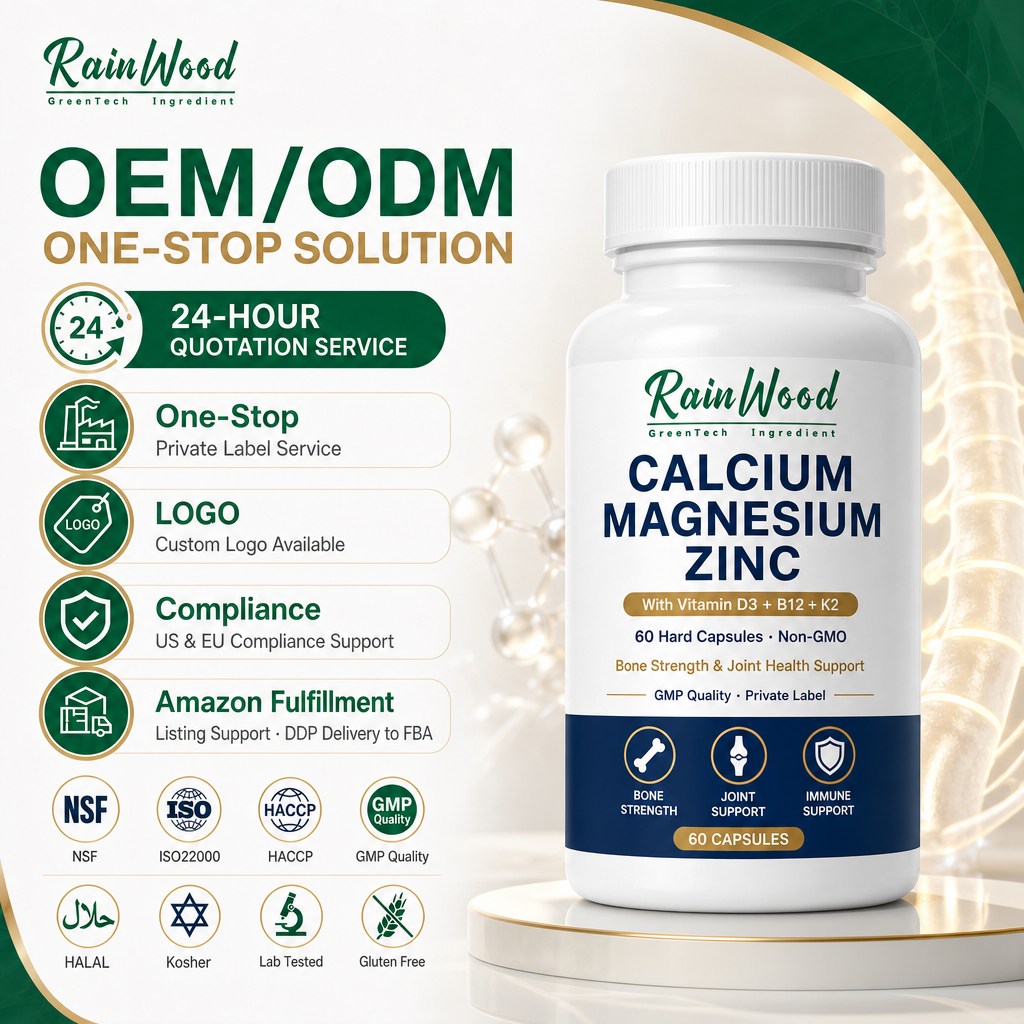
Complete mineral matrix combined with micro-encapsulated Menaquinone-7 (K2) and cholecalciferol (D3) in tamper-proof vegan hard capsules.
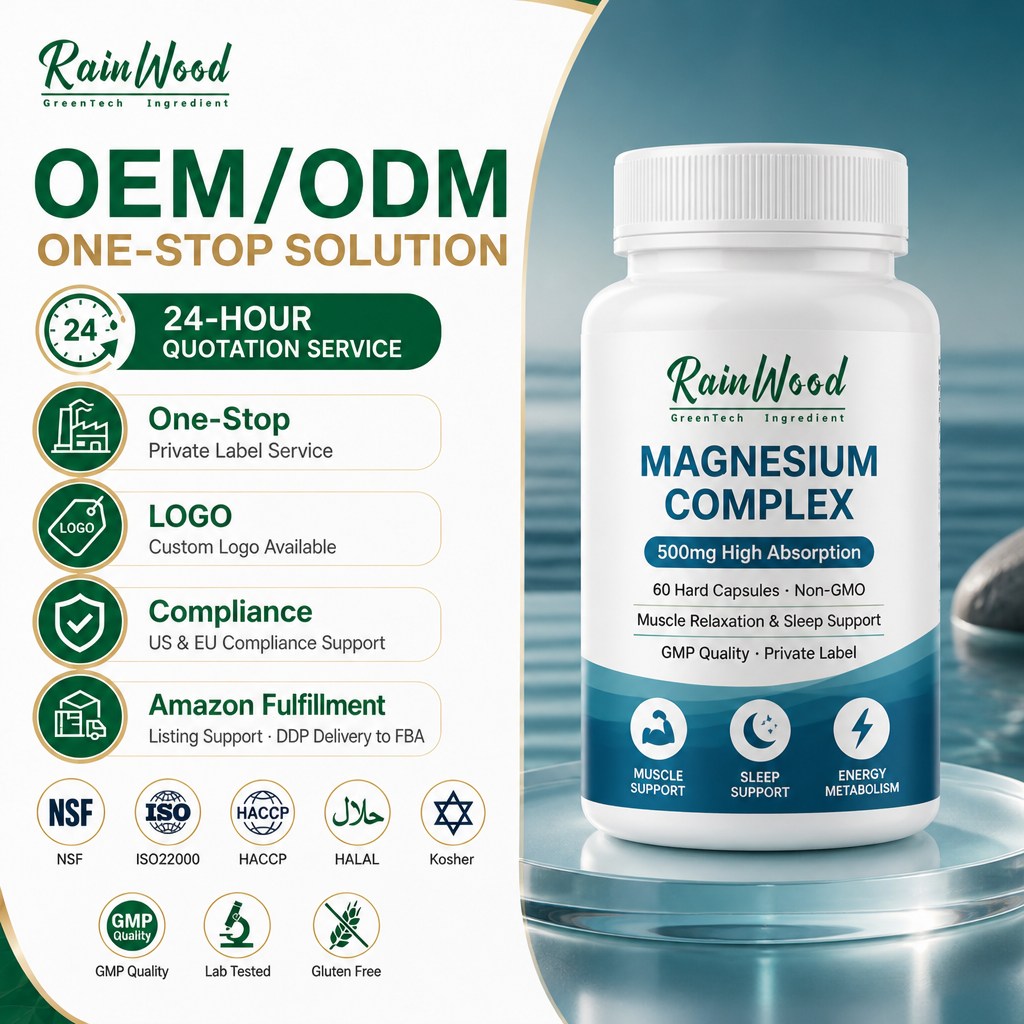
Broad-spectrum bisglycinate, malate, and taurate delivery matrix designed for optimal bioavailability without GI irritation or osmotic stress.
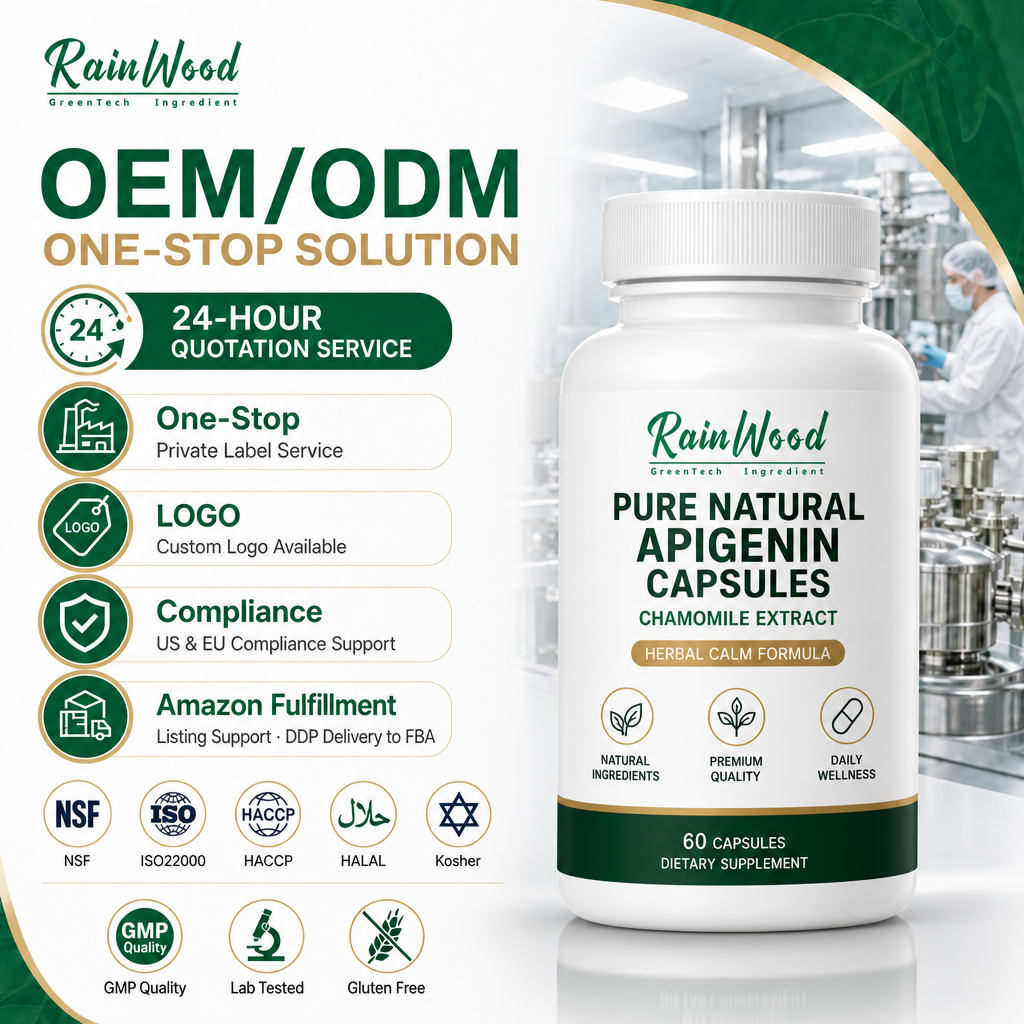
Extracted from matricaria chamomilla, providing standard 98% crystalline apigenin for cellular longevity, NAD+ preservation, and GABA-A binding.
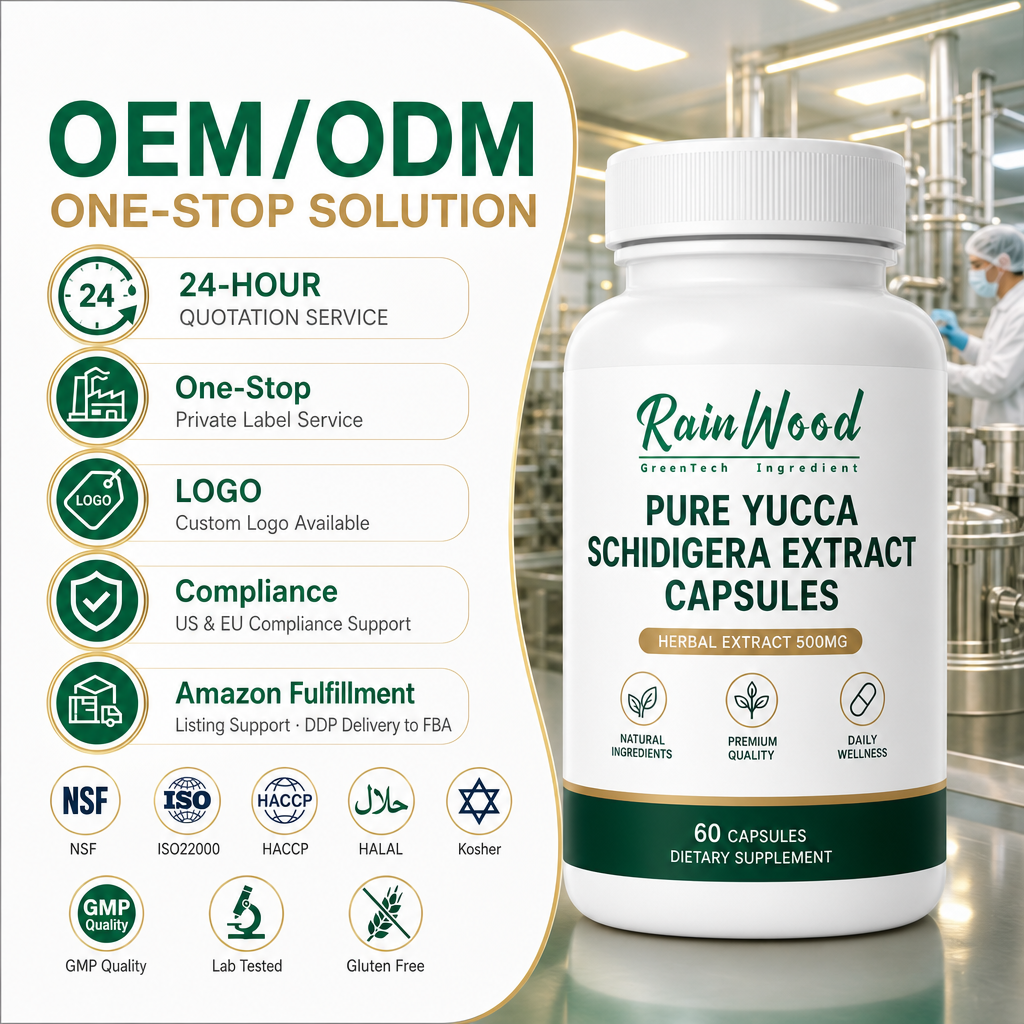
Standardized yucca saponins and resveratrol-rich polyphenolic pigments. Proven efficacy in metabolic modulation, joint comfort, and intestinal balance.
As the biotechnology corridor across Gwangju Metropolitan City (광주광역시) and the surrounding Jeollanam-do bioresearch belt accelerates its transition toward clean-label functional nutrition, high-efficacy cosmeceuticals, and sustainable fermentation technologies, industrial demand for verified, non-synthetic plant colorants has reached an inflection point. Shaanxi ESNO Biotech Co., Ltd. provides direct primary-producer manufacturing access for standardized natural pigment extracts, custom botanical preparations, and finished OEM dosage delivery matrices engineered explicitly to fulfill South Korea's stringent Ministry of Food and Drug Safety (MFDS) regulatory benchmarks.
Industrial Demands for Natural Pigment Extracts in the Gwangju Metropolitan Ecosystem
The Gwangju bio-cluster represents a unique convergence between advanced biomedical research, agricultural bio-processing originating in the Honam agricultural basin, and specialized K-Beauty functional cosmeceutical formulation labs. Industrial procurement teams across Gwangju's 첨단산단 (Cheomdan Industrial Complex) and neighboring research institutions are systematically replacing petrochemical-derived synthetic colorants (tar-based food dyes like Red No. 40, Yellow No. 5, and Blue No. 1) with clean-label, bio-active phytochemical colorants that double as potent therapeutic antioxidants.
Natural pigment extracts are no longer treated merely as passive optical additives. In the sophisticated South Korean functional product landscape, pigments such as cyanidin-3-glucoside (anthocyanins), curcuminoids, crocin (gardenia yellow/blue), lutein esters, and phycocyanin function simultaneously as physiological actives. Our factory provides Gwangju enterprises with stabilized, HPLC-quantified natural pigments featuring exceptional thermal tolerance, photostability, and predictable solubility profiles across hydrophilic and lipophilic matrices.
Anthocyanin Polyphenol Extracts
Derived from bilberry, elderberry, black rice, and purple sweet potato. Standardized for C3G monomer concentration, offering brilliant red-to-deep-violet hues with oxygen radical absorbance capacity (ORAC) exceeding 12,000 µmol TE/g for premium health functional foods (건강기능식품).
Micro-Encapsulated Carotenoids
Purified lutein, zeaxanthin, beta-carotene, and tomato lycopene formulated through beadlet micro-encapsulation. Delivers warm golden to vivid scarlet tones engineered to resist gastric acid degradation, oxidation, and processing heat during functional beverage pasteurization.
Chlorophyll & Phycocyanin Matrices
Water-soluble sodium copper chlorophyllin and spirulina-derived C-phycocyanin. Yields pristine emerald and vivid cobalt-blue chromatic profiles suited for sensitive K-Beauty topical emulsions, ingestible nutricosmetics, and clean-label functional sports drinks.
Auditable Extraction & Dosage Encapsulation Infrastructure
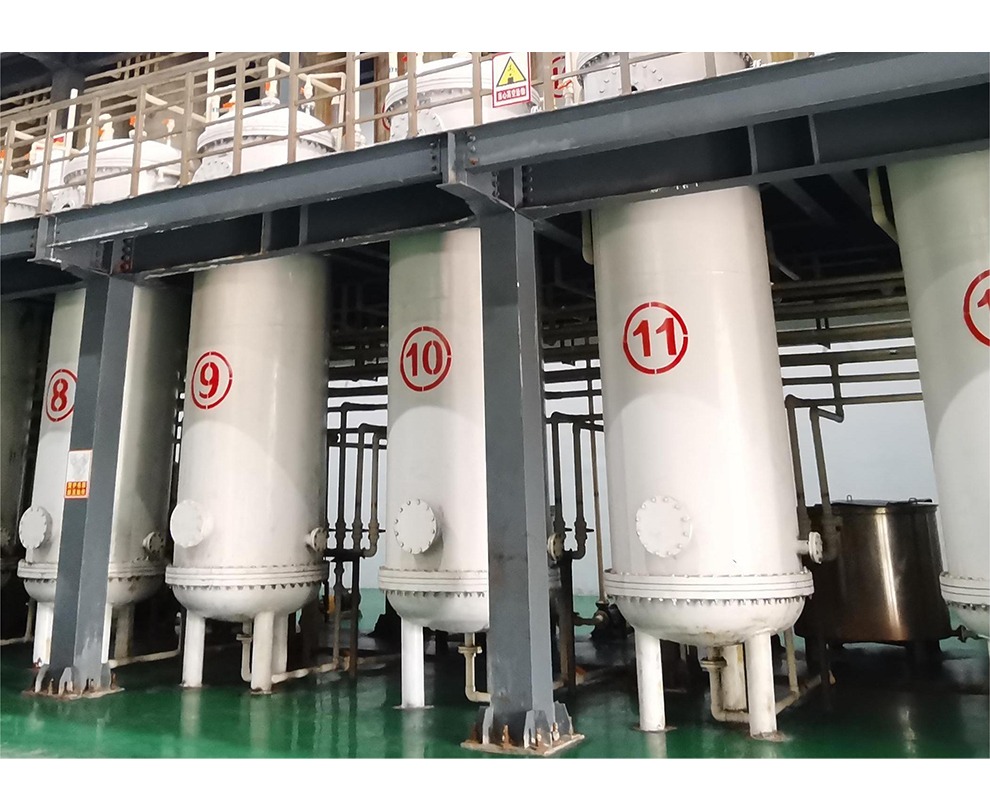
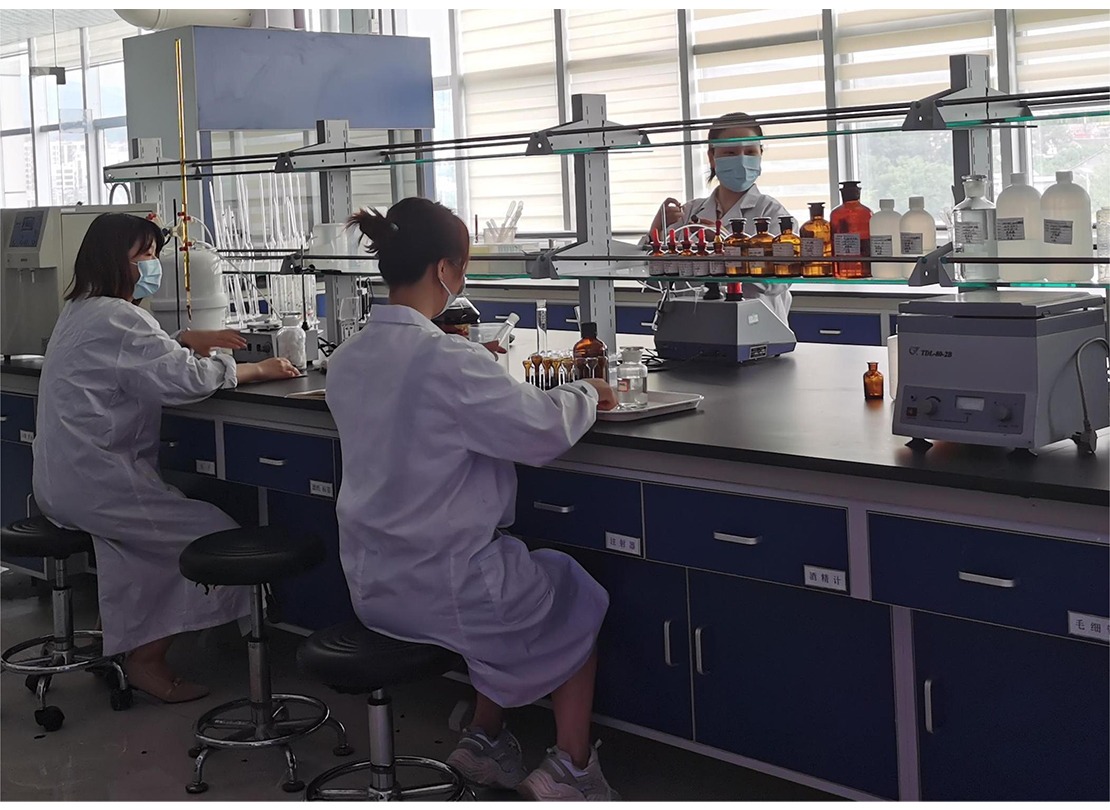
Our primary manufacturing base houses over 15,000 m² of Class 100,000 cleanrooms, computerized multi-stage countercurrent extraction tanks, falling-film evaporators, and spray-drying towers engineered to preserve delicate thermolabile plant pigments.
Localized Application Scenarios Across the Gwangju Bio-Economy
The deployment of high-purity natural pigment extracts requires careful technical customization based on medium pH, redox potential, presence of chelating minerals, and thermal exposure during manufacturing. Our technical R&D team collaborates directly with Gwangju formulators across three pivotal sector applications:
1. Honam Functional Food & Beverage Fermentation
Gwangju serves as the cultural and technological hub for traditional Korean fermentation modernized through bio-processing. Formulators use our heat-stable gardenia yellow, red yeast rice (monascus extract, citrinin-free), and beet betalains in fermented vinegars, kombuchas, and functional yogurts. Our extracts undergo enzymatic deodorization to ensure chromatic intensity without conferring unwanted vegetal or bitter organoleptic aftertastes to finished consumer beverages.
2. Cosmeceutical Skincare & K-Beauty derma-formulations
Gwangju's cosmetic laboratories prioritize dermatologically active colorants over inactive dyes. We supply standardized astaxanthin, curcumin, and purple gromwell (lithospermum erythrorhizon) shikonin extracts designed to disperse smoothly into lipid and surfactant systems. These botanical actives lend luxurious amber, sunset crimson, and violet tones to serums, barrier repair creams, and micellar waters while actively soothing oxidative dermal inflammation.
3. MFDS-Compliant Ingestible Tablets, Gummies & Stick Packs
Health functional food manufacturers targeting Olive Young, Coupang, and home shopping distribution require vibrant, shelf-stable color in vegan gummies, effervescent tablets, and direct-to-mouth powder stick packs. We engineer spray-dried pigment micro-granulates coated in food-grade maltodextrin or gum acacia, preventing pigment migration, hygroscopic caking, and chromatic degradation under South Korea's humid summer warehousing conditions.
South Korea & Gwangju Regional Industry Dynamics (2025–2030 Trends)
Procurement patterns within the Korean peninsula are governed by aggressive consumer vigilance and evolving statutory guardrails enforced by the MFDS (식품의약품안전처). Strategic buyers in Gwangju are focusing on four structural market transitions:
Strict Tar Dye Elimination
MFDS guidance continues to tighten daily intake limits for coal tar food colorants, driving major food and functional supplement conglomerates to reformulate with certified non-artificial botanical extracts before mandatory statutory deadlines.
Clean-Label "E.W.G. Green" Verification
Korean millennial and Gen-Z consumers routinely verify ingredient safety ratings via consumer mobile applications like Hwahae (화해). Botanical pigment extracts with transparent traceability and non-toxic safety profiles command premium retail margins.
Low Heavy Metal Tolerance
Imported raw botanical materials face rigorous testing for Lead (Pb ≤ 1.0 ppm), Cadmium (Cd ≤ 0.5 ppm), Arsenic (As ≤ 1.0 ppm), and Mercury (Hg ≤ 0.1 ppm). ESNO Biotech conducts internal and third-party ICP-MS testing prior to shipment dispatch.
Upcycled Bio-Residue Extraction
Gwangju enterprises committed to ESG compliance prioritize circular bio-economy sourcing. We employ solvent-free subcritical water and super-critical CO2 extraction technologies that minimize environmental carbon footprints and eliminate petrochemical residues.
Shaanxi ESNO Biotech: Core Factory Competencies vs. Conventional Brokers
Founded in 2006, Shaanxi ESNO Biotech Co., Ltd. operates as a verified direct manufacturer rather than an intermediary trading house. For over 19 years, our facility in the Xi'an High-Tech Zone has engineered and exported pharmaceutical-grade extracts and custom formulations to over 100 countries. Below is a comparative technical overview detailing how our production ecosystem protects Gwangju importers from customs clearance rejections, batch inconsistencies, and supply chain delays:
| Evaluation Parameter | Shaanxi ESNO Biotech Co., Ltd. | Generic Domestic/Foreign Brokers |
|---|---|---|
| Audit Verifications & GMP Status | NSF 455-2 GMP Certified; ISO 22000; HACCP; On-site verified by TÜV Rheinland. Full facility video audit available. | Secondary brokers often lack direct cleanroom control; third-party audits rarely verifiable or out-of-date. |
| MFDS Document Readiness | Complete dossier provided: Non-GMO declaration, manufacturing flowchart, BSE/TSE statements, GC-MS residual solvent analysis, COA per batch. | Partial documentation often causing customs impoundment at Incheon, Busan, or Gwangju bonded customs inspection stations. |
| Active Concentration Consistency | Validated chromatographic fingerprints (HPLC/UV/TLC) ensuring precise spectrophotometric color value (E 1% 1cm) batch after batch. | High variation in color intensity and active phytochemicals due to uncalibrated seasonal raw material pooling. |
| Finished Dosage OEM Capabilities | Multi-format versatility: Hard vegan HPMC capsules, pectin gummies (sugar-free), micro-tablets, softgels, stick packs, and bulk powders. | Restricted to bulk raw material distribution without integrated formulating, blending, pelletizing, or coating lines. |
| Minimum Order Quantities (MOQ) | Flexible commercial entry: 100 to 500 units for standard stock private label; scalable to multi-ton bulk extract runs. | Inflexible multi-pallet requirements (frequently 10,000+ units) creating unmanageable capital barriers for emerging R&D projects. |
| Traceability & Safety Limits | Complete pesticide screening (EP/USP 561 multi-residue), aflatoxin quantification, and zero ethylene oxide (EtO) sterilization. | Inadequate pesticide screening often triggering South Korea border rejections under Positive List System (PLS) regulations. |
Gwangju Procurement & Customs Importation: Frequently Asked Questions
Procurement directors, import clearance specialists, and R&D coordinators in South Korea frequently raise the following operational and regulatory questions prior to issuing Purchase Orders: