Featured Botanical & Nutraceutical Formulations for Cambodian Importers
Each formula is manufactured within our NSF 455-2 GMP, ISO 22000, and HACCP-certified cleanrooms, fully adapted for hot-and-humid tropical storage in Phnom Penh warehouses and regional distribution hubs.
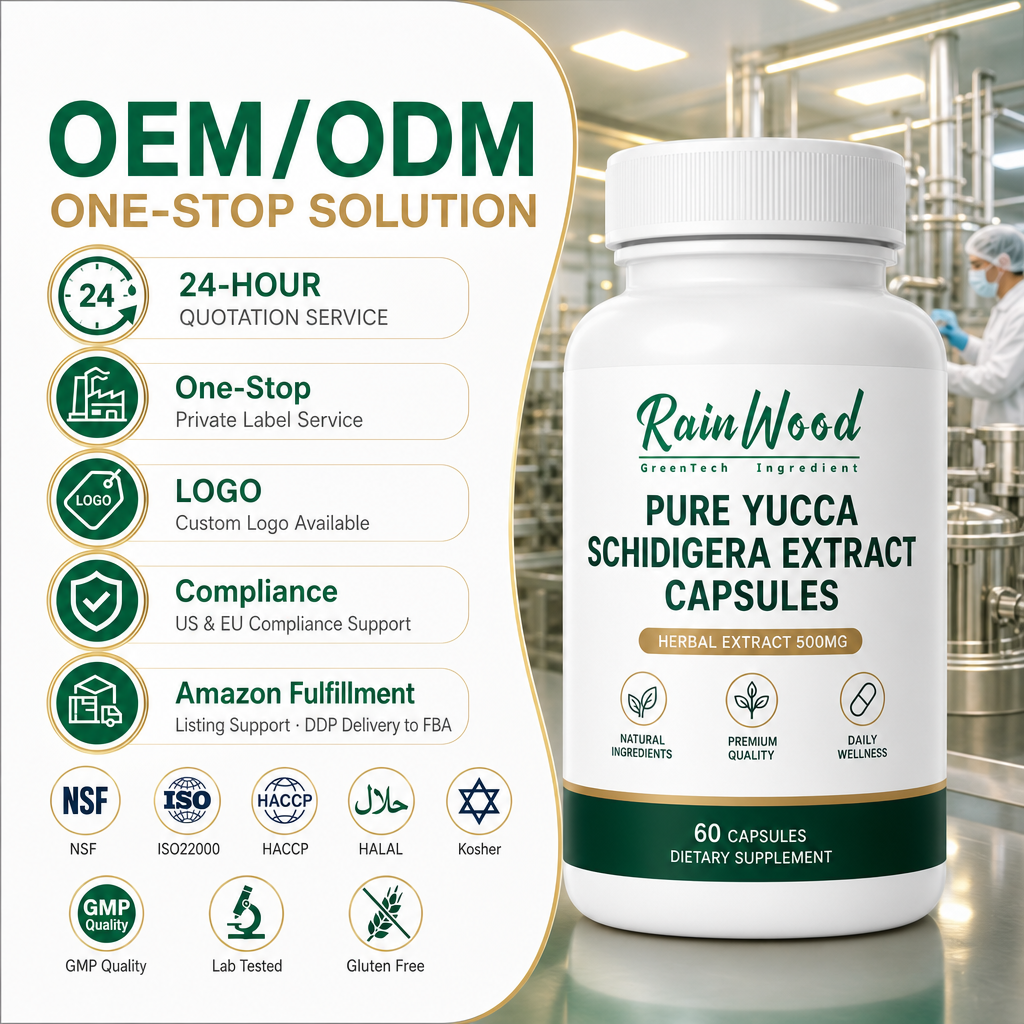
GMP Pure Yucca Schidigera Extract 500mg Hard Capsules 60 Count OEM Custom Private Label Dietary Supplement Box
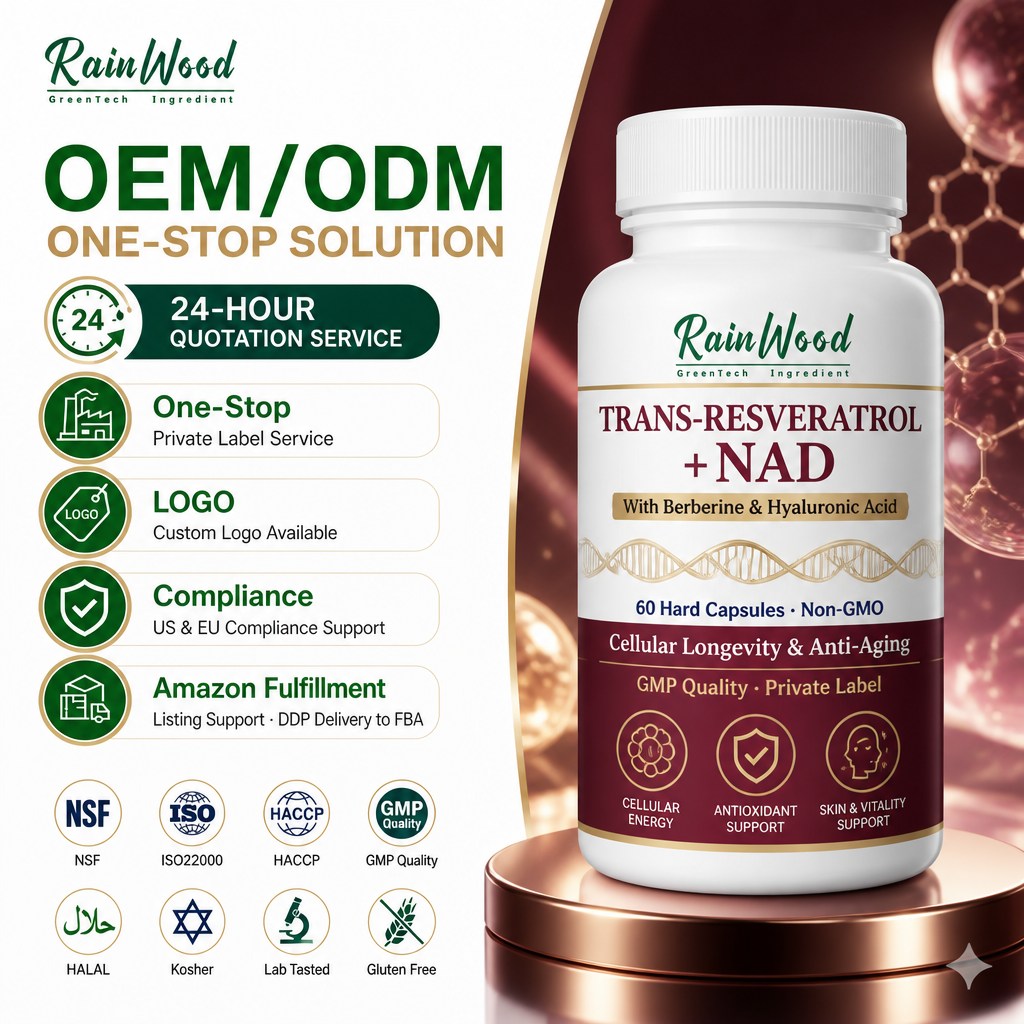
GMP Pure Trans Resveratrol NAD Berberine Hyaluronic Acid Hard Capsules 60 Count OEM Private Label Supplement
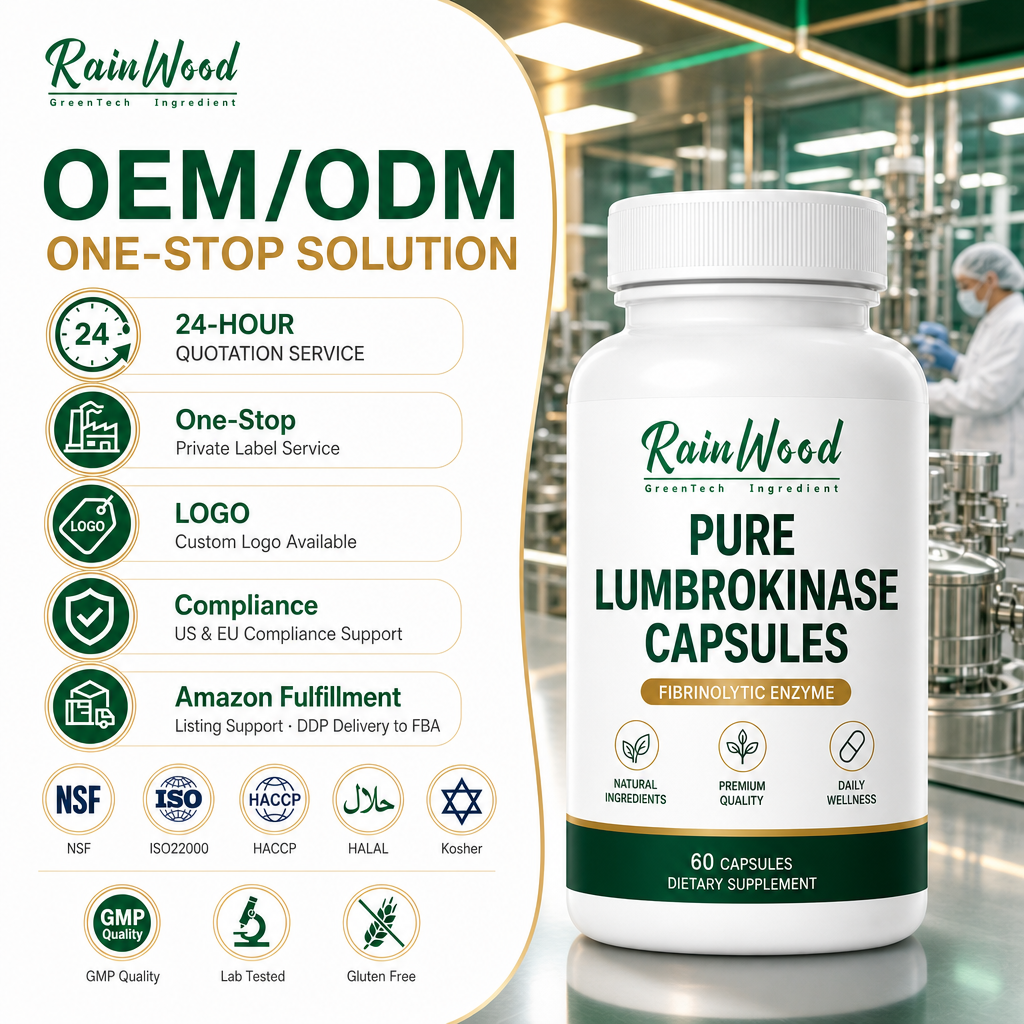
GMP Pure Lumbrokinase Fibrinolytic Enzyme Hard Capsules 60 Count OEM Custom Private Label Dietary Supplement
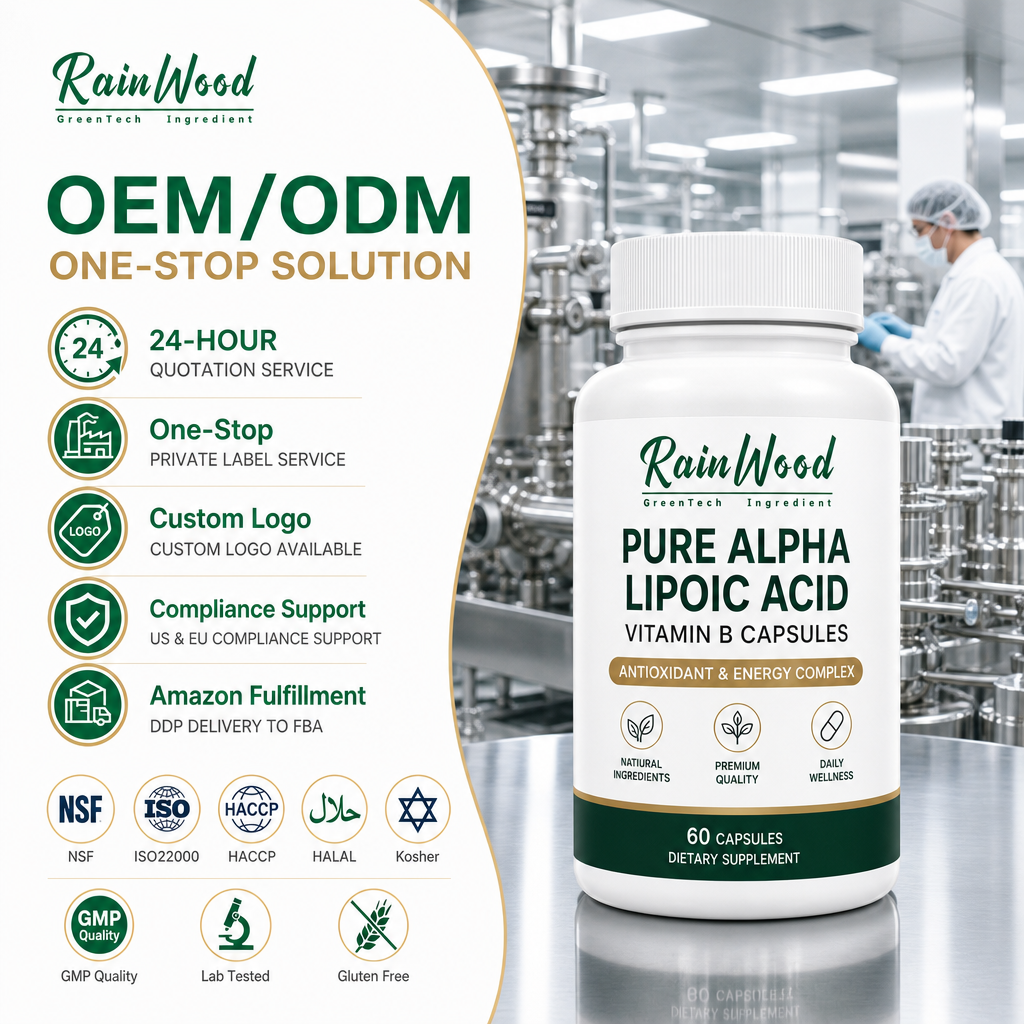
GMP Pure Alpha Lipoic Acid Vitamin B Complex Hard Capsules 60 Count OEM Private Label Dietary Supplement Box
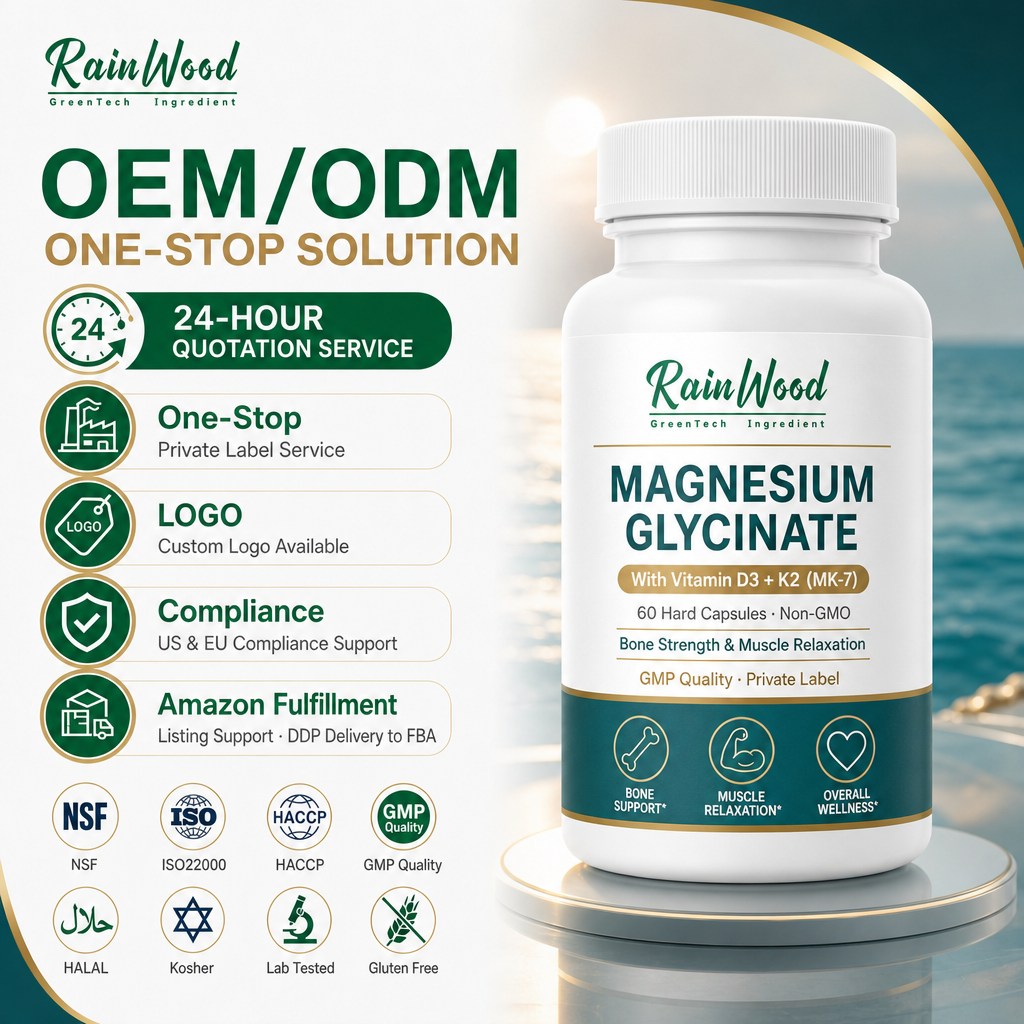
GMP Pure Magnesium Glycinate Vitamin D3 K2 Hard Capsules 60 Count OEM Private Label Bone Health Supplement

GMP Pure Magnesium Glycinate Citrate Taurate Apigenin Hard Capsules 60 Count OEM Private Label Sleep Supplement
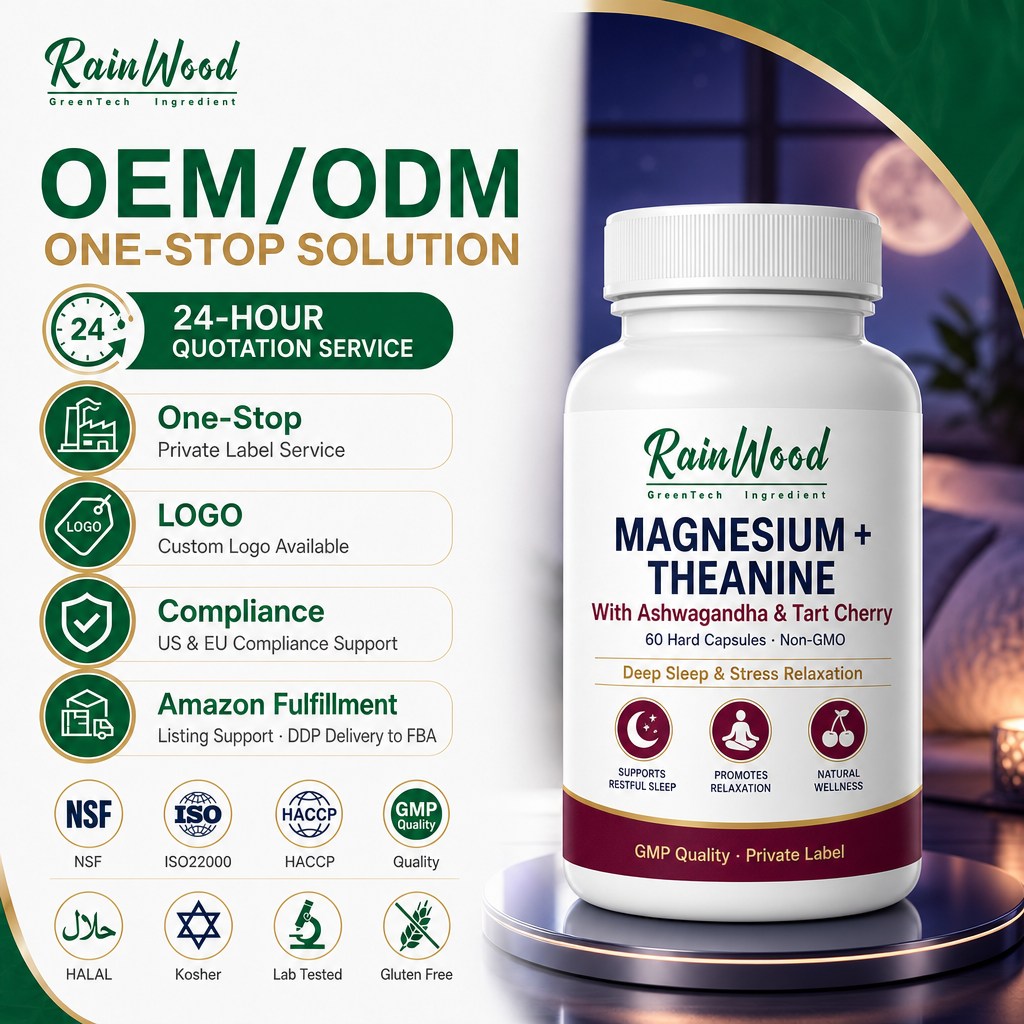
GMP Pure Magnesium Glycinate L-Theanine Ashwagandha Tart Cherry Hard Capsules 60 Count OEM Private Label Box
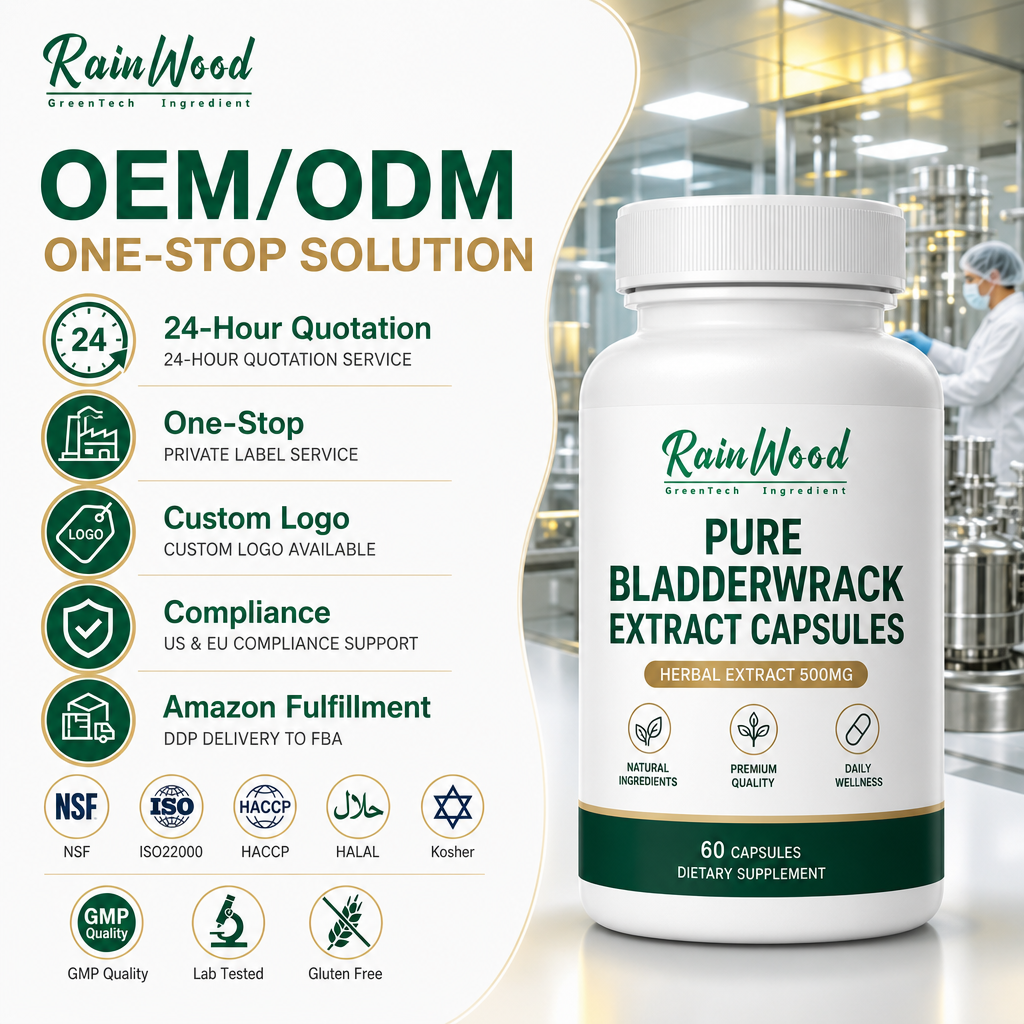
GMP Pure Bladderwrack Extract 500mg Hard Capsules 60 Count OEM Custom Private Label Dietary Supplement
Industrial Chemistry: Steroidal vs. Triterpenoid Saponins
Saponins are high-molecular-weight amphiphilic glycosides consisting of a lipid-soluble aglycone (sapogenin) bonded to one or more hydrophilic carbohydrate moieties. In the Phnom Penh industrial ecosystem, understanding the molecular distinction between steroidal and triterpenoid classes is critical for optimizing feed conversion, aquatic water biosecurity, and natural surfactant processing.
Steroidal Saponins (C27)
Derived predominantly from Yucca schidigera and Trigonella foenum-graecum. Features a spirostane or furostane skeleton. Their primary commercial value in Cambodian intensive livestock (swine/poultry) lies in their irreversible binding affinity with metabolic ammonia (NH3) and inhibition of rumen/intestinal microbial urease, drastically cutting noxious shed emissions.
Triterpenoid Saponins (C30)
Standardized from Quillaja saponaria (Soapbark) and Camellia oleifera (Tea Seed). Characterized by an oleanane, ursane, or dammarane triterpene backbone. Exhibiting superior colloidal surface activity, these compounds drastically lower water surface tension to 38-42 dynes/cm, functioning as USDA/EU-compliant bio-surfactants and natural fish toxicants in aquatic hatcheries.
HPLC-ELSD vs. UV-Vis Verification
Routine colorimetric vanillin-perchloric acid testing often overestimates active saponin content due to carbohydrate interference in Southeast Asian tropical trade. Shaanxi ESNO Biotech verifies every export shipment utilizing Reverse Phase High-Performance Liquid Chromatography coupled with Evaporative Light Scattering Detection (RP-HPLC-ELSD), guaranteeing active sarsasapogenin, smilagenin, and quillagic acid titers.
| Botanical Source | Primary Sapogenin | Standardized Purity | Surface Tension / CMC | Primary Commercial Use in Cambodia |
|---|---|---|---|---|
| Yucca Schidigera Extract | Sarsasapogenin & Smilagenin | 30%, 50%, 60% UV / BRP | 45 dynes/cm (CMC 0.25 g/L) | Swine/Poultry feed additive, intestinal health, urease suppression |
| Quillaja Saponaria Molina | Quillagic Acid | 20%, 65%, 80% (Pecosaponin) | 36.5 dynes/cm (CMC 0.08 g/L) | Natural beverage foaming, pesticide wetting, veterinary vaccine adjuvant |
| Camellia Oleifera Seed | Camelliasaponin A1 & B1 | 15% to 60% Active Triterpene | 40 dynes/cm (CMC 0.15 g/L) | Pond eradication of wild predatory fish (Tonle Sap/Mekong aquaculture) |
| Tribulus Terrestris Extract | Protodioscin (Steroidal) | 40%, 45%, 90% Titration | Moderate foaming | Nutraceutical performance capsules, male vitality, muscle tonics |
| Panax Notoginseng / Ginseng | Ginsenosides (Rg1, Rb1, Rd) | 10% - 80% HPLC-ELSD | Subtle micelle action | High-end dietary supplements, adaptogenic vitality capsules |
Industrial Application Landscapes Across Cambodia
From feed mills operating in the Kandal and Kampong Speu livestock corridors to commercial aquaculture nurseries surrounding the Tonle Sap basin and export beverage bottling plants in the Phnom Penh Special Economic Zone (PPSEZ), our high-purity saponin extracts solve acute agronomic and manufacturing challenges.
Predatory Fish Eradication & Snail Control
In intensive black tiger shrimp (Penaeus monodon) and whiteleg shrimp (Litopenaeus vannamei) farming throughout Kampot, Koh Kong, and the inland peri-urban ponds around Kandal, predatory wild fish (e.g., snakeheads, catfishes) carry viral vectors. Our water-soluble tea seed saponin extracts hemolyze gill red blood cells in fish without harming crustaceans due to distinct sterol membrane architecture. It completely decomposes in warm water within 48 to 72 hours, leaving zero synthetic pesticide residues.
Ammonia Reduction in Feedlots (Kandal & Kampong Cham)
Cambodia's hot, humid climate exacerbates aerial ammonia concentrations inside enclosed poultry battery sheds and swine housing, triggering chronic respiratory distress and suppressing Feed Conversion Ratios (FCR). Supplementing finished feed with standardized 500mg/kg Yucca schidigera extract suppresses ruminal protozoa, decreases fecal urease activity by up to 52%, and lowers indoor atmospheric ammonia below 15 ppm, directly aligning with MAFF biosecurity guidelines.
Stable Foam Systems for Phnom Penh Industrial Bottlers
With expanding non-alcoholic beverage and craft beer bottling operations in Phnom Penh and Kandal Province, major beverage manufacturers require natural foaming agents to replace synthetic sodium lauryl sulfate and propylene glycol alginate. Our food-grade Quillaja saponaria extracts deliver long-lasting, micro-bubble head retention in acidic carbonated tonics, cider, and botanical sodas without precipitating at ambient 35°C distribution temperatures.
Eco-Friendly Spreader-Sticker Formulations
Pesticide runoff during Cambodia's monsoon season severely limits foliar fertilization efficacy along the Mekong River delta. Adding our high-surface-activity triterpene saponins to liquid micronutrient and biological fungicide formulations provides exceptional droplet wetting, reduces contact angle to below 45 degrees, and facilitates rapid cuticular penetration across waxy rice and cassava leaves without causing phytotoxicity.
Cambodian Market Trends Shaping Saponin Procurement
Strategic shifts within Cambodia's agricultural, veterinary medicine, and retail nutraceutical sectors are driving unprecedented demand for standardized botanical extracts imported through official customs channels.
Phase-Out of Antibiotic Growth Promoters (AGPs)
Under regulatory guidance from the General Directorate of Animal Health and Production (GDAHP) and the Ministry of Agriculture, Forestry and Fisheries (MAFF), commercial feed millers in Cambodia are actively eliminating prophylactic colistin and tetracyclines. Saponin-derived phytogenics now act as natural gut modulators, selectively controlling pathogenic Clostridium perfringens while sparing beneficial lactobacilli.
Port Infrastructure & Overland Logistics
The expansion of the Sihanoukville Autonomous Port (PAS) combined with daily bonded barge transfers along the Mekong to the Phnom Penh Autonomous Port (PPAP LM17) has shortened multimodal shipping timelines from our production facility in Xi'an. Standard sea-freight container transit now reliably averages 10 to 14 days, minimizing supply disruption for continuous commercial compounding.
Surging Consumer Wellness in Urban Centers
Phnom Penh's rapidly growing middle class and ex-pat community are demanding premium, clean-label dietary supplements. Pharmacies and boutique retail chains across Boeung Keng Kang (BKK) and Toul Kork prioritize finished formulations with clear provenance, NSF GMP verification, zero toxic solvents, and rigorous third-party microbial release testing.
State-of-the-Art Botanical Extraction & Private Label OEM
Headquartered in the High-Tech Zone of Xi'an, Shaanxi ESNO Biotech Co., Ltd. operates continuous counter-current extraction batteries, vacuum low-temperature spray towers, and dedicated GMP packaging lines audited on-site by TÜV Rheinland.
NSF 455-2 & ISO 22000
Strict adherence to global GMP, HACCP, and EU/USDA Organic standards with full electronic batch logs.
Multi-Format Dosage OEM
Automated production for hard capsules (gelatin & vegan HPMC), pectin gummies, effervescent tablets, and stick packs.
Precise Formulation R&D
In-house staff of 70+ scientists supporting custom active premixes, micro-encapsulation, and enteric taste-masking systems.
Complete Import Dossiers
Full batch COA, heavy metal testing (Pb, As, Cd, Hg), microbial screening, Non-GMO certificates, and label review compliance.
Cambodian Buyer Frequently Asked Questions
Essential regulatory, chemical, and shipping answers for enterprise purchasing managers, feed formulators, and supply chain directors across the Phnom Penh market.
What are the exact Harmonized System (HS) Codes and customs clearance duties for importing saponin extracts into Phnom Penh?
How do you protect hygroscopic saponin powders against Phnom Penh's intense tropical humidity?
What documentation is required by the Cambodian Ministry of Health (MoH) and MAFF for commercial release?
What is the minimum order quantity (MOQ) for custom private label supplement formulations?
What are the lead times and shipping corridors from your facility to Phnom Penh?
Procure Direct-Factory Saponin Extracts & Finished OEM Lines
Consult with our senior phytochemistry formulation team to receive batch-specific HPLC certificates of analysis, pilot test samples, full ASEAN import dossiers, and wholesale volume tier quotations delivered directly to your desk in Phnom Penh.