Precision Dosage Forms & Synergistic Berry Matrices
Engineered for high bioavailability, cellular longevity, metabolic balance, and premium shelf-appeal in competitive retail markets.
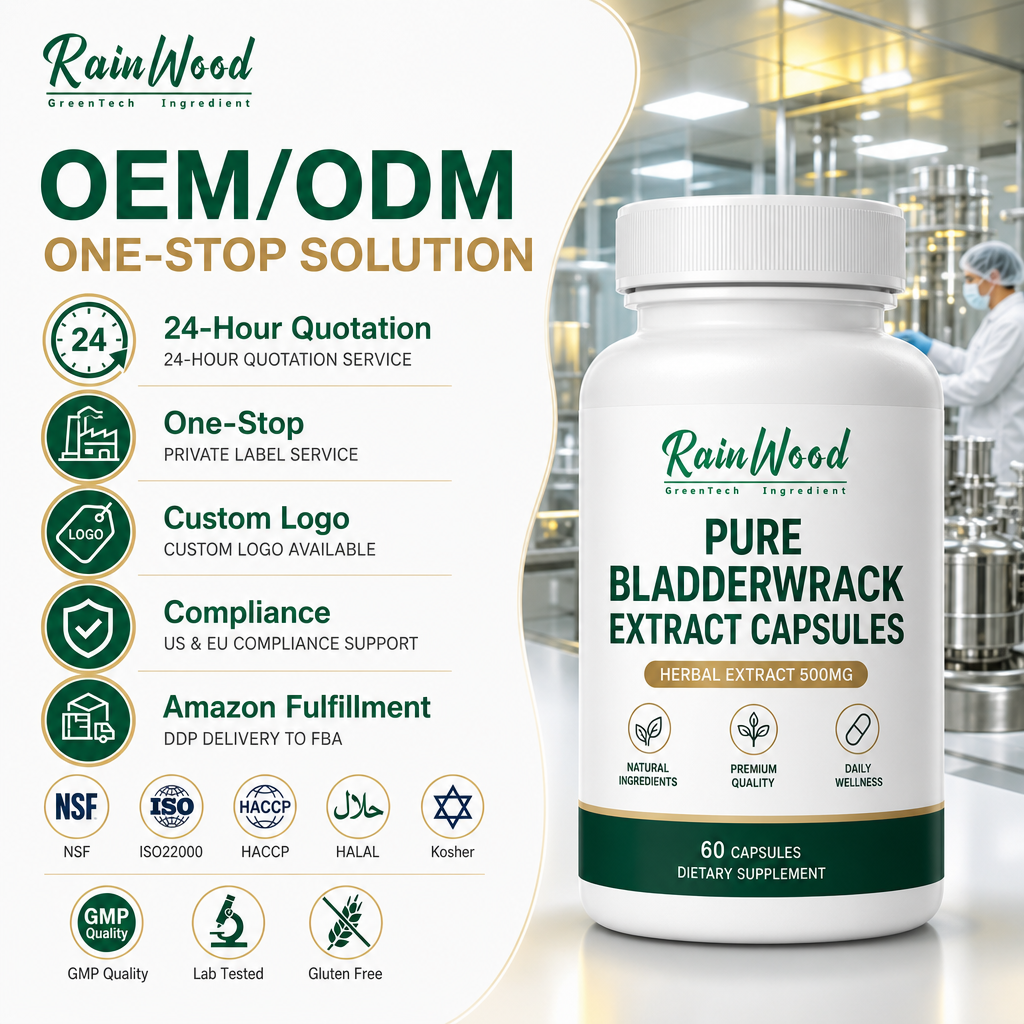
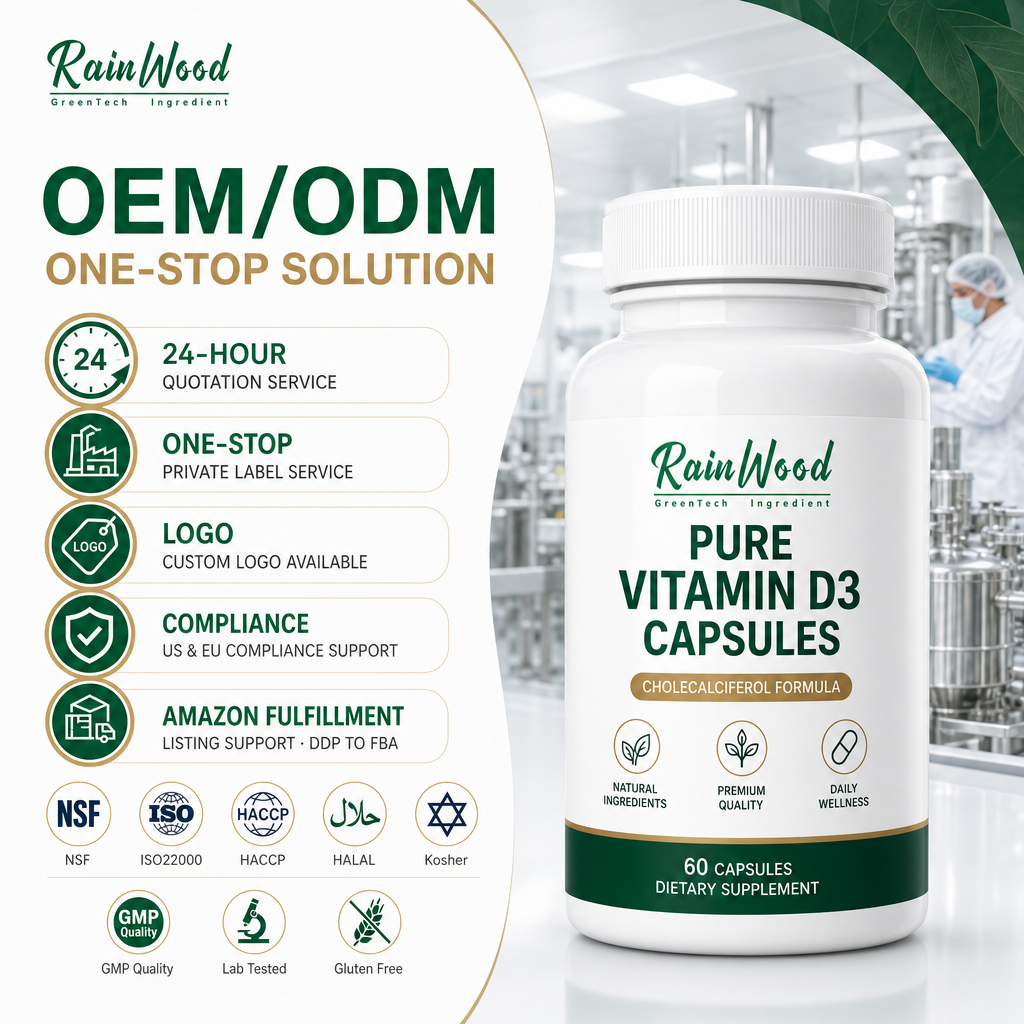
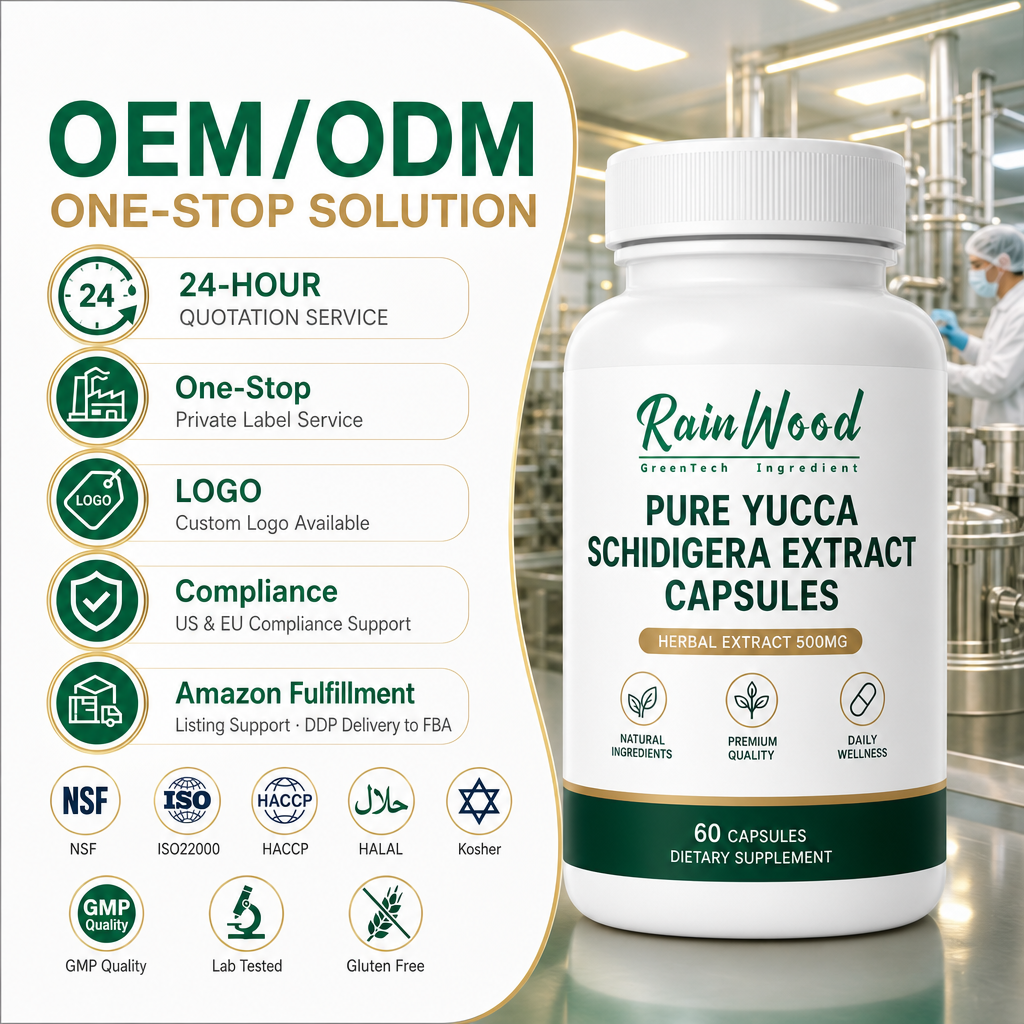
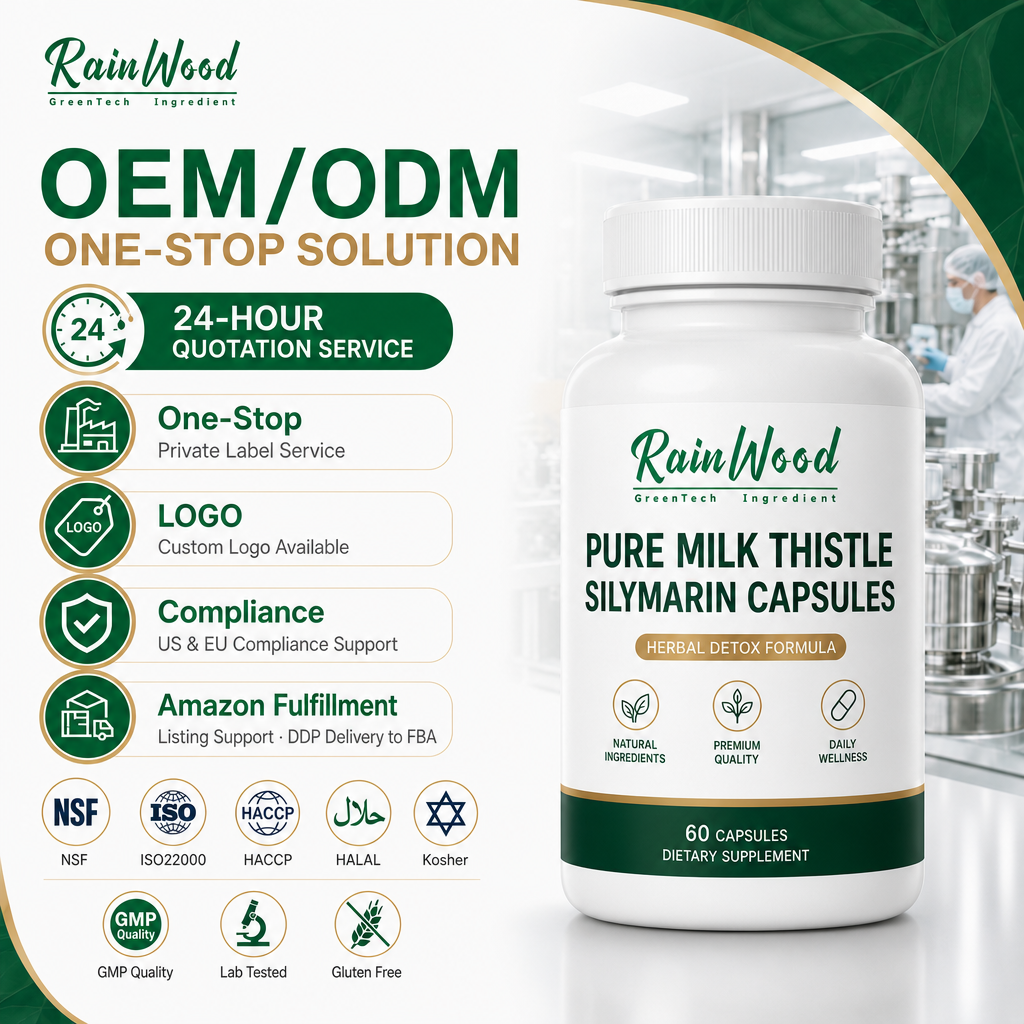
High-Yield Application Scenarios for the Seattle Demographic
How the unique climate, tech-driven labor force, and outdoor recreation culture of the Puget Sound drive specific botanical requirements.
Digital Blue-Light & Asthenopia Defense
Seattle houses one of the highest concentrations of software engineers, cloud architects, and digital creatives in North America (Amazon, Microsoft, Nintendo). Prolonged high-density display exposure drives massive demand for European Bilberry (25% Anthocyanins), Wild Blueberry, and Lutein blends that target retinal microcirculation and macular pigment optical density.
PNW Seasonal Melancholy & Immunity Shielding
With an average of 150+ overcast/rainy days annually, Western Washington consumers face reduced natural vitamin D endogenous synthesis combined with persistent damp seasonal stressors. Blending Standardized Black Elderberry (Sambucus nigra) and high-potency Vitamin D3 delivers critical mucosal immunity and respiratory resistance sought after in local grocery chains and specialty clinics.
Cascade Trail Endurance & Rapid Muscle Recovery
From alpine climbing on Mount Rainier to Pacific Northwest trail running, the active demographic relies on bioflavonoid-dense Tart Cherry & Aronia Extracts. Clinical trials indicate that high anthocyanin and proanthocyanidin concentrations accelerate the clearance of exercise-induced oxidative stress, reducing delayed-onset muscle soreness (DOMS).
Macro Trends Transforming Seattle's Berry Extract Pipeline
Market realities in Washington State demand next-generation sourcing architectures that blend purity, environmental stewardship, and zero-compromise certifications.
1. Clean-Label, Zero-Synthetic Excipient Mandate
PCC Community Markets, Whole Foods PNW, and boutique compounding pharmacies strictly audit incoming finished goods. Brands can no longer utilize magnesium stearate, silicon dioxide, or artificial coloring agents. ESNO Biotech facilitates ultra-clean flow agents utilizing organic rice hull concentrates and organic tapioca starch bases.
2. Modernized Non-Pill Functional Formats
Capsule fatigue has caused an explosion in alternative dosing formats across Western Washington dispensaries and wellness retailers. Our turnkey lines specialize in Pectin-based Vegan Berry Gummies and moisture-sealed micro-stick packs designed for single-serve artisanal functional beverages, coffees, and functional kombuchas.
3. Heavy-Metal & Pesticide Adulteration Scrutiny
Due to the proximity of Pacific ports, Northwest labs (such as Analytical 360 and IEH Laboratories) routinely identify adulterated berry powders cut with maltodextrin or synthetic dyes (Amaranth). ESNO Biotech implements strict HPLC & UV-Vis testing protocols to confirm genuine anthocyanin fingerprints and prevent botanical fraud.
| Extract Type / Botanical | Primary Marker Molecule | Standardized Assay (Method) | Key Seattle Formulation Utility |
|---|---|---|---|
| Wild European Bilberry (Vaccinium myrtillus) | Anthocyanosides | ≥ 25.0% (UV-Vis / HPLC) | Digital eye strain relief, microvascular capillary integrity |
| European Black Elderberry (Sambucus nigra) | Total Anthocyanins / Flavonoids | 10% - 25% (HPLC / Spectrophotometry) | Cold & damp climate immune response systems, vegan gummies |
| Tart Montmorency Cherry (Prunus cerasus) | Proanthocyanidins & Melatonin | ≥ 10:1 to 50:1 Extract Ratio | Post-exercise joint restoration, circadian rhythm balance |
| Aronia Chokeberry (Aronia melanocarpa) | Polyphenols / Cyanidin-3-galactoside | ≥ 15.0% Anthocyanins, ≥ 40% Polyphenols | Cardiovascular elasticity, endothelial nitric oxide support |
| Blackcurrant (Ribes nigrum) | Delphinidin & Cyanidin glucosides | ≥ 30.0% Anthocyanins | Brain nootropic stacks, peripheral blood flow under cold exposure |
Why Tier-1 US Brands Choose ESNO Biotech
Combining 19 years of biological extraction mastery with world-class international quality system compliance.
NSF 455-2 & ISO 22000
Our cleanrooms run under stringent NSF 455-2 GMP, ISO 22000, and HACCP certifications, verified on-site by TÜV Rheinland for total compliance with US FDA 21 CFR Part 111.
Full-Spectrum Chromatography
Every single batch is issued with an audit-ready Certificate of Analysis (COA) specifying botanical origin, active assay, heavy metals (<0.1 ppm Pb, As, Cd, Hg), and microbial limits.
Agile OEM/ODM Scaling
Low-barrier private labeling. Stock formulas start from just 100 to 500 units for capsules and gummies, enabling lean inventory validation before scaling into full containerloads.
End-to-End Formulation R&D
Our experienced formulation team has completed 400+ custom formulations, resolving difficult botanical challenges such as hygroscopic clumping, acid balance, and taste-masking naturally.
Frequently Asked Questions by Washington State Buyers
Direct answers to regulatory, logistics, and technical stability inquiries from local procurement officers.
How are maritime freight and port logistics handled for Seattle & Tacoma?
We routinely manage ocean shipping directly to the Port of Seattle and the Port of Tacoma (NW Seaport Alliance) via trans-Pacific express carriers. Typical transit takes 14 to 18 days on the water. We also provide DDP (Delivered Duty Paid) domestic trucking straight to distribution warehouses across King, Pierce, and Snohomish counties.
How do you resolve moisture and hygroscopic degradation in high-anthocyanin extracts?
Pure berry extracts are notoriously prone to caking due to native fruit sugars. We employ controlled low-temperature spray drying with specialized maltodextrin-free matrix carriers (such as organic acacia fiber), double polyethylene vacuum liners with food-grade desiccant, and induction foil seals to guarantee free-flowing powders throughout humid coastal winters.
Can you provide verifiable third-party testing for California Prop 65 & Washington Toxics laws?
Yes. Heavy metal thresholds under California Prop 65 and Washington Children’s Safe Products Act/environmental codes are among the strictest globally. Each berry lot undergoes Inductively Coupled Plasma Mass Spectrometry (ICP-MS) to confirm lead (<0.5 mcg/daily serving), arsenic, cadmium, and mercury comply with safe harbor rules.
What is the standard lead time for bespoke OEM gummies vs. hard capsules?
Pilot laboratory samples require 7 to 10 days. Upon prototype sign-off and packaging art finalization, pilot production runs for two-piece vegetarian capsules require 2 to 3 weeks. Custom pectin berry gummies take approximately 3 to 4 weeks, accounting for conditioning, microbiological quarantine, and organoleptic stability reviews.
Can ESNO Biotech assist with FDA 21 CFR 101 label compliance for the US retail channel?
Our regulatory review desk audits all label layouts prior to plate generation. We confirm Supplement Facts panel formatting, font heights, percent Daily Value calculations, standardized active ingredient disclosures, allergen warnings (FALCPA), and structural/functional claim disclaimer statements.
What botanical authentication techniques are implemented to detect fruit extract adulteration?
We utilize High-Performance Thin-Layer Chromatography (HPTLC) fingerprinting cross-referenced against USP reference standards, accompanied by spectrophotometric monomeric anthocyanin pigment assays. This detects undeclared substitution with cheaper mulberry extract, black bean skins, or synthetic food colors.
Accelerate Your PNW Berry Formulation Project Today
Inquire directly with our technical formulation engineers. Receive comprehensive dossiers, technical specifications, and expedited bench samples within 24 hours.